
To find out how much of Mary Berry’s guidance aligns with accurate gardening information, Patrick Martin, owner and gardening expert at Frantoio Grove, a California-based regenerative olive farm, has evaluated some of Mary’s most-shared gardening advice. Mary Berry’s approach to gardening focuses on a handful of key practices, many of which are supported by robust horticultural science, claimed Patrick. However, he noted that some of her tips lack key information, particularly when it comes to deadheading.
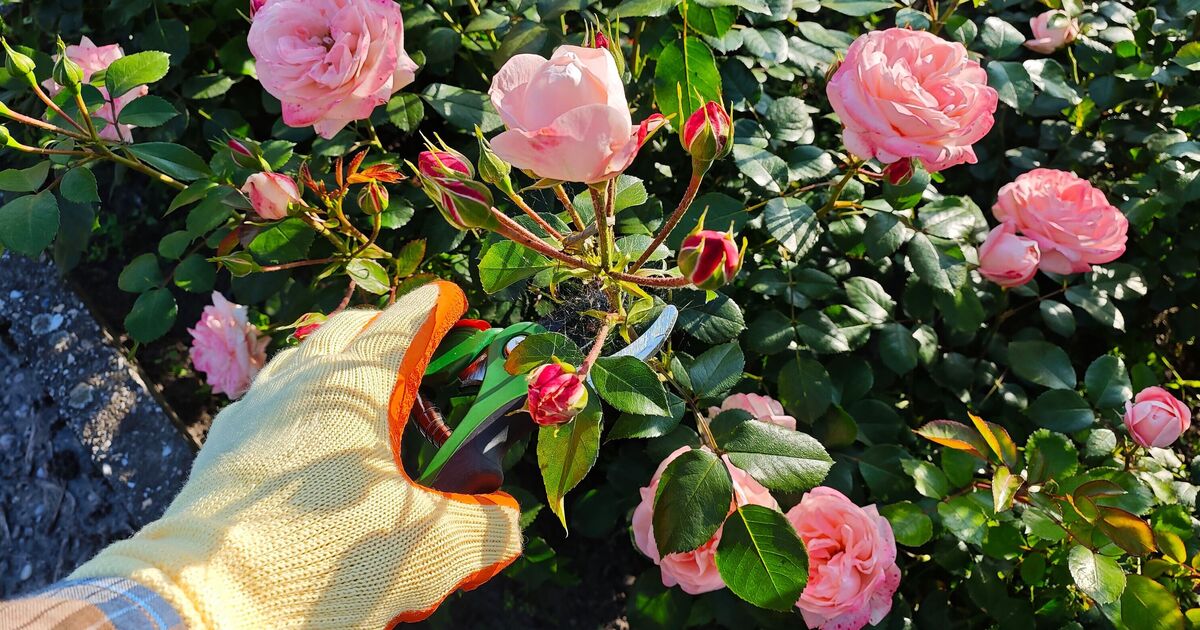
One of the things that Mary Berry spoke about in her book is the importance of deadheading, and not just for roses.
She said: “I think the most important thing is to deadhead. We always think of just deadheading roses. But of all the other plants, the more you deadhead, the more you encourage growth.”
The expert pointed out that “she’s right” because when a plant produces flowers, its biological goal is reproduction.
Once a bloom fades and begins forming seeds, the plant diverts energy away from flowering and toward seed development. Deadheading interrupts this cycle, prompting many plants to produce new blooms.
Patrick confirmed: “It’s one of the simplest ways to extend your flowering season. For plants like petunias, marigolds, zinnias, and dahlias, regular deadheading can mean weeks of extra colour.”
However, while Mary’s enthusiasm for deadheading is understandable, the “more is better” approach doesn’t apply universally.
Some plants, like foxgloves, hollyhocks, and forget-me-nots, rely on self-seeding to return the following year. Deadheading these too aggressively can prevent them from reproducing naturally.
Others, like hydrangeas and sedums, produce ornamental seedheads that add winter interest to the garden. Removing spent blooms too early sacrifices months of visual appeal.
Patrick advised: “Before you reach for the secateurs, it’s worth knowing whether that plant is meant to reseed or whether those dried heads are part of the show, as blanket rules can backfire.”
Comments are closed.