
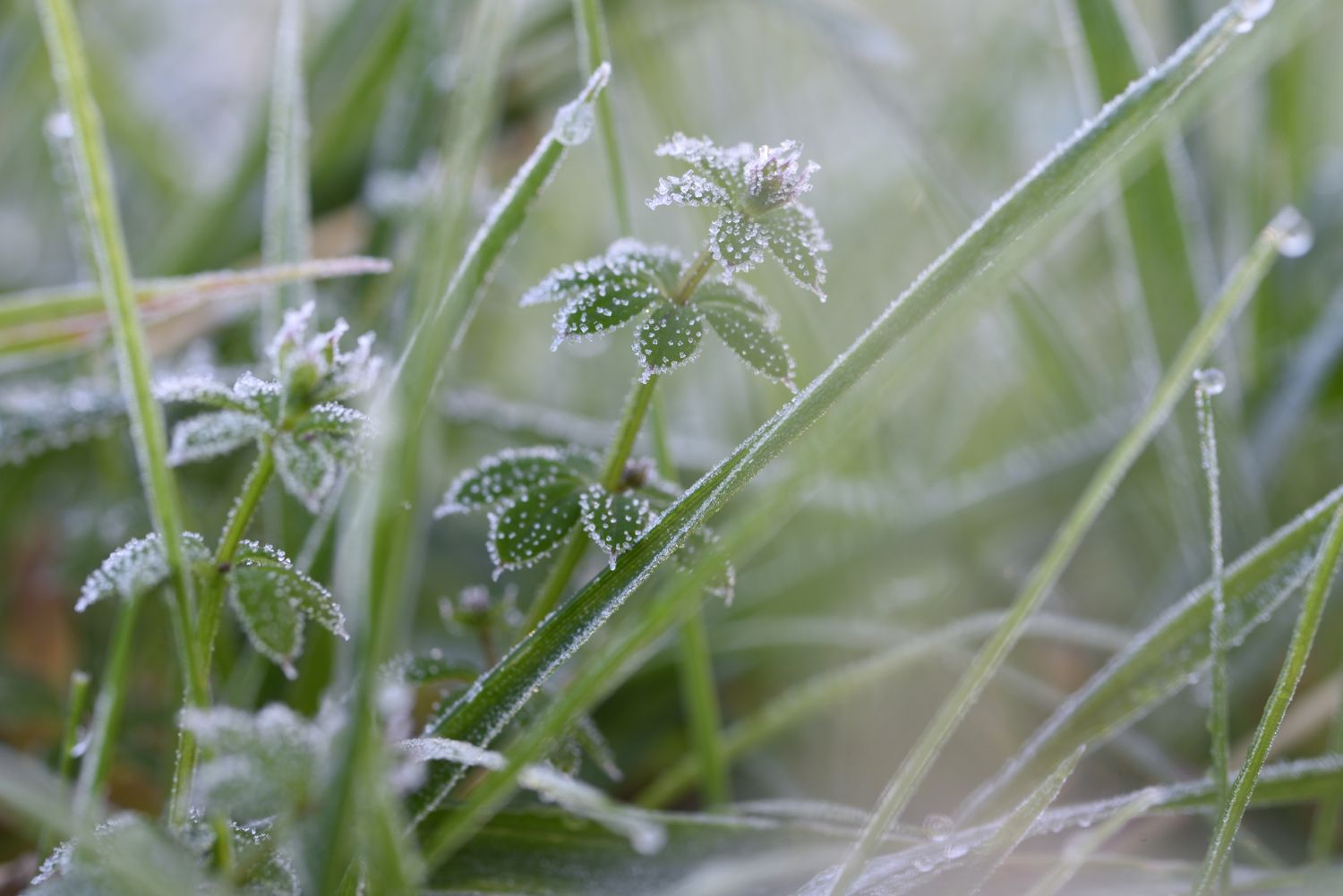
Timing is everything, and that’s especially true when planning your garden. Planting too late means you miss out on precious growing season time and moist spring soil, but dive in too early and you risk frost damaging your crops.
Luckily, The Old Farmer’s Almanac made figuring out the last frost date way easier with the “2026 Last Frost Date Map,” and we’re breaking it all down for you right here.
How to Find My Final Frost Dates for 2026
The weather’s been a bit erratic lately, which makes it extra tricky to nail down your spring gardening timing. To figure out the final frost where you live in 2026, follow these steps.
Enter your zip code into The Old Farmer’s Almanac frost date calculator to get a specific “last frost” date. Note that these dates are based on 1991 to 2020 climate data from the National Oceanic and Atmospheric Administration (NOAA).
Take a look at the 2026 Last Frost Date Map provided by The Old Farmer’s Almanac—which divides the United States into green, blue, and yellow areas—and find your city’s location. Green areas will see an earlier final frost in 2026, blue areas will see a later frost than usual, and yellow areas are predicted to be right on time.
To get an even more specific final frost date, subtract one to two weeks from your last frost date for green regions, add one to two weeks for blue regions, and stay close to the average for yellow regions.
It’s not a perfect science, of course, but The Old Farmer’s Almanac added multiple layers of research here to help gardeners get the most accurate final frost date for 2026. By combining 30 years of climate information and accounting for 2026’s weather data, it helps gardeners get as close as possible to accurate timing.
Tips for Starting Your 2026 Garden
Once you’ve determined the approximate final frost date where you live, you can have more confidence in planning your spring garden. Stick to these tips to ensure all goes smoothly.
Plant cold-weather crops first: Early spring calls for cold-hardy plants. The Old Farmer’s Almanac calls out greens and brassicas, which can hang in cold soil like champs. Warm-season crops, like tomatoes and peppers, should be delayed until later.
Cover in case of unexpected frost: On the off-chance a rogue frost decides to sweep through, take care to protect your plants. A thin layer of mulch or straw can keep the soil warm, and row covers and cloches can also help protect young seedlings.
Stagger your growing: Another way to protect plants is to stagger your seeding, notes The Old Farmer’s Almanac. This means planting some early, some a week later, and then some a week after that. If you lose early seedlings, you still have another batch or two to work with.
Comments are closed.