

Gardeners’ World expert Joe Swift has named nine plants he would use to cover up any gaps in your garden, as he explained when is the best time to buy your tender plants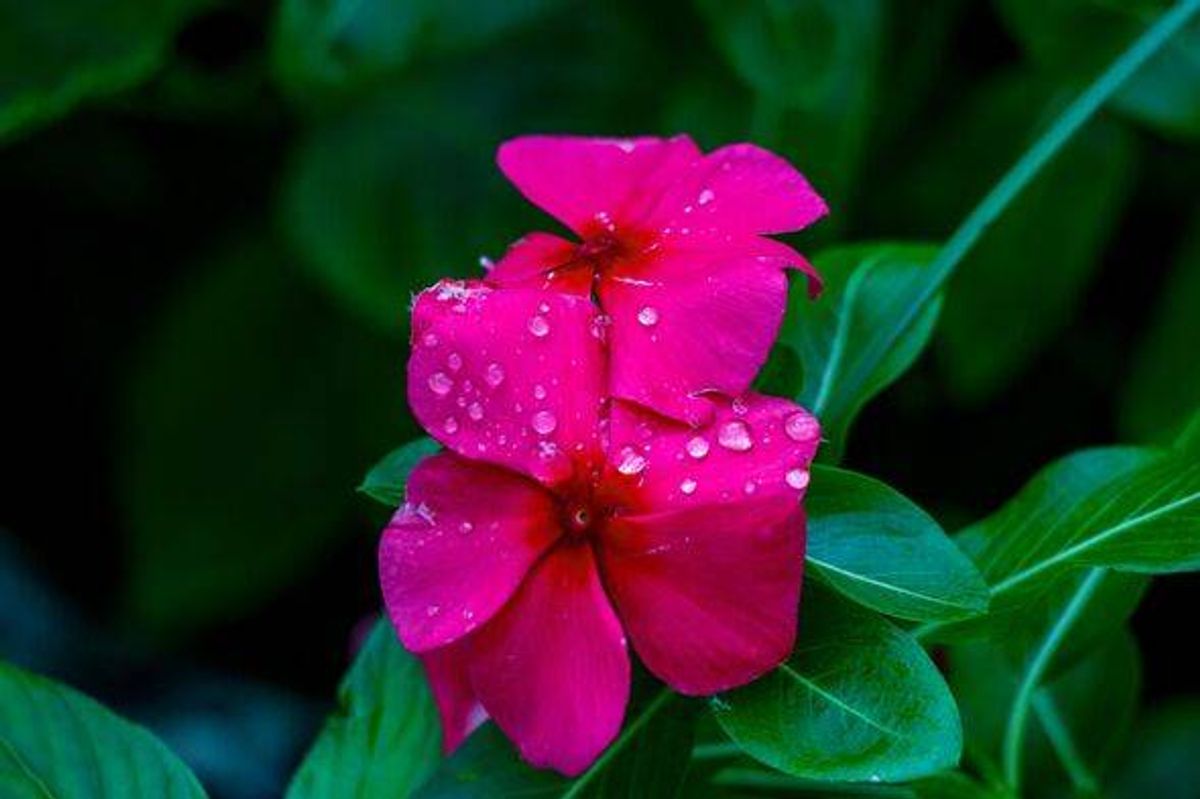
Gardeners’ World star Joe Swift has named nine plants that will fill garden gaps(Image: (Image: Getty))
Gardeners’ World favourite Joe Swift has revealed nine plants he reckons gardeners ought to deploy for plugging bare patches in their plots. Joe, 60, has been a fixture on the beloved BBC programme since 1998, collaborating with some of horticulture’s biggest names.
He reckons right now is an “exciting time” for those with green fingers. Bulbs are starting to “nose through” and grasses are “waking up from their winter slumber,” he notes, meaning he’s constantly scanning about each morning to spot what’s beginning to emerge.
Joe does confess, though, that he can’t stand seeing “bare soil” in his garden. Writing in The Times, he said: “In winter, some bare soil is inevitable unless you grow only ever-greens. But from spring through to late autumn, I want to see green, not brown.”
Joe tends to plant roughly five specimens per square metre – though he admits it can vary slightly – with one needing to be a “low grower” to fill the gaps between taller plants and shrubs, reports the Express.
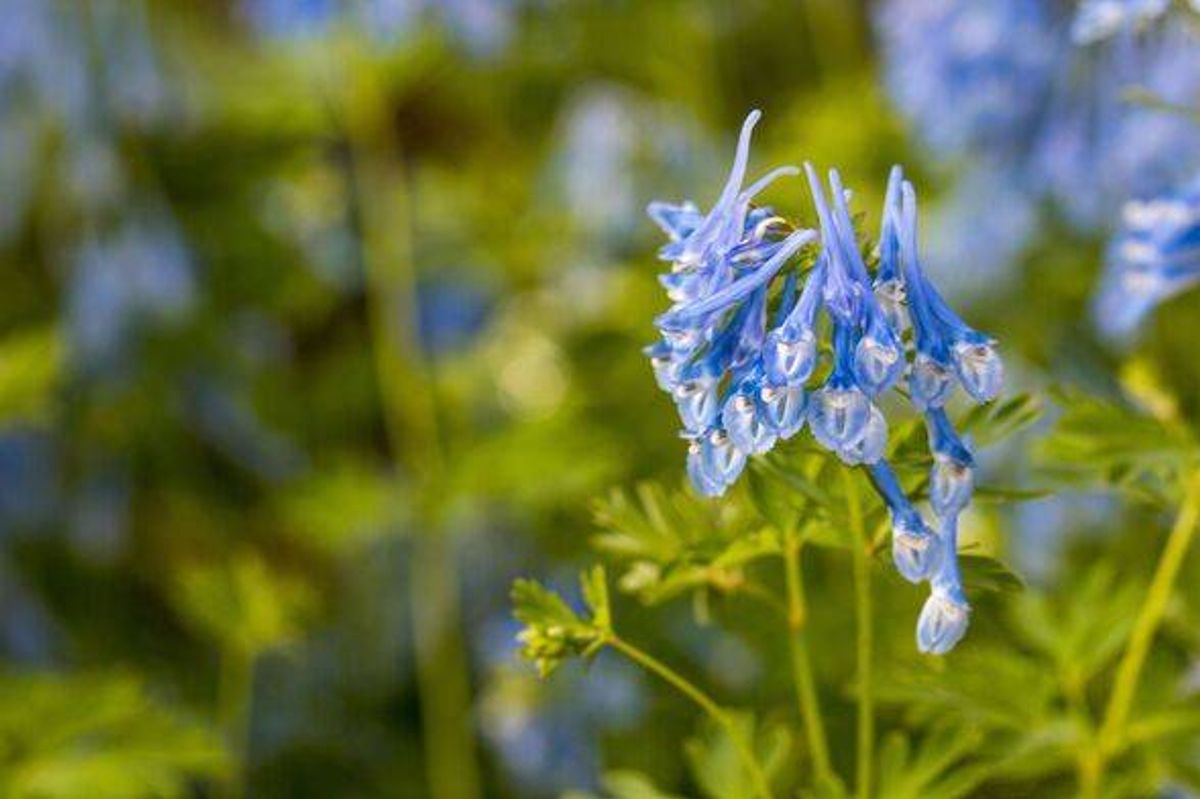
Gardeners’ World star Joe Swift has reccomended planting nine flowers(Image: (Image: Getty))
He reckons the term “ground cover” gets a bad rap, preferring instead to call these plants “spring-flowering gap-fillers”. Joe does caution, however, that it’s “too early” to splash out on your “tender plants”.
Instead, he argues now’s the moment to get hardy plants into your garden that’ll reappear year after year. Joe champions self-seeding varieties that’ll return annually and fill your beds.
Joe has now listed nine plants he’d pick as his “spring-flowering gap-fillers”. He suggests planting roughly three of the nine in clusters to blanket your garden beds.
The horticulturalist describes bugle – a striking deep-blue bloom with evergreen foliage – as an excellent “shady low ground cover choice”. He also champions Siberian bugloss as a “top foliage plant” capable of reaching approximately 45cm in height.
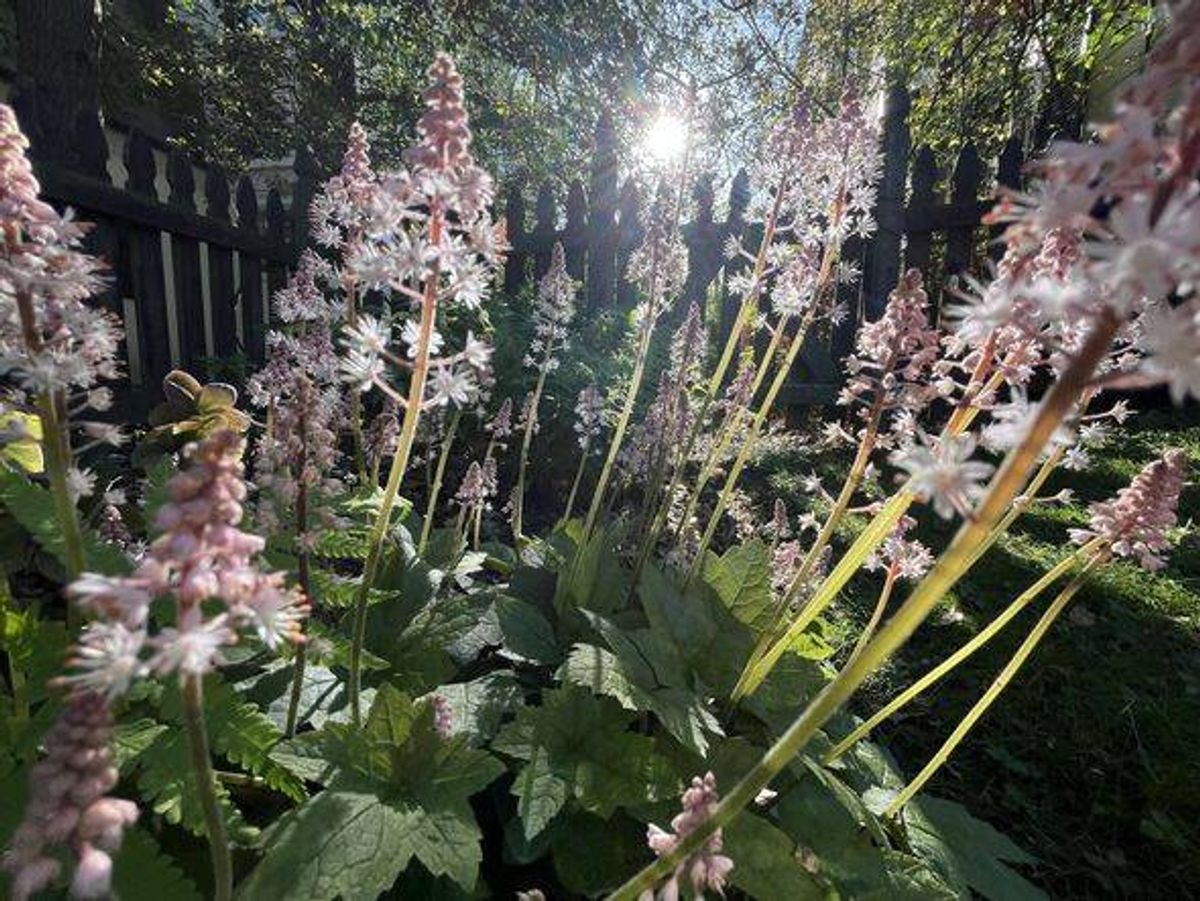
Joe described foam flower as “reliable”(Image: (Image: Getty))
This specimen produces white or blue blooms appearing between April and May, complemented by rich dark green foliage. Another favourite of Joe’s is the corydalis, commonly referred to as “blue panda”.
He appreciates how it “carpets the ground” and self-propagates whilst achieving heights of roughly 60cm. The blackberry wine cordydalis variety can similarly stretch to 60cm.
Joe recommends periwinkle as a “good choice” for filling bare patches throughout your outdoor space. This evergreen specimen displays violet and blue blooms, whilst the Vinca Minor variety features a “velvety-rich purple flower”.
Both barrenwort and sweet woodruff are white-blooming specimens that Joe deploys to fill empty spaces in his plot. He describes sweet woodruff as “excellent ground cover” capable of occupying those “tricky gaps” in your garden.
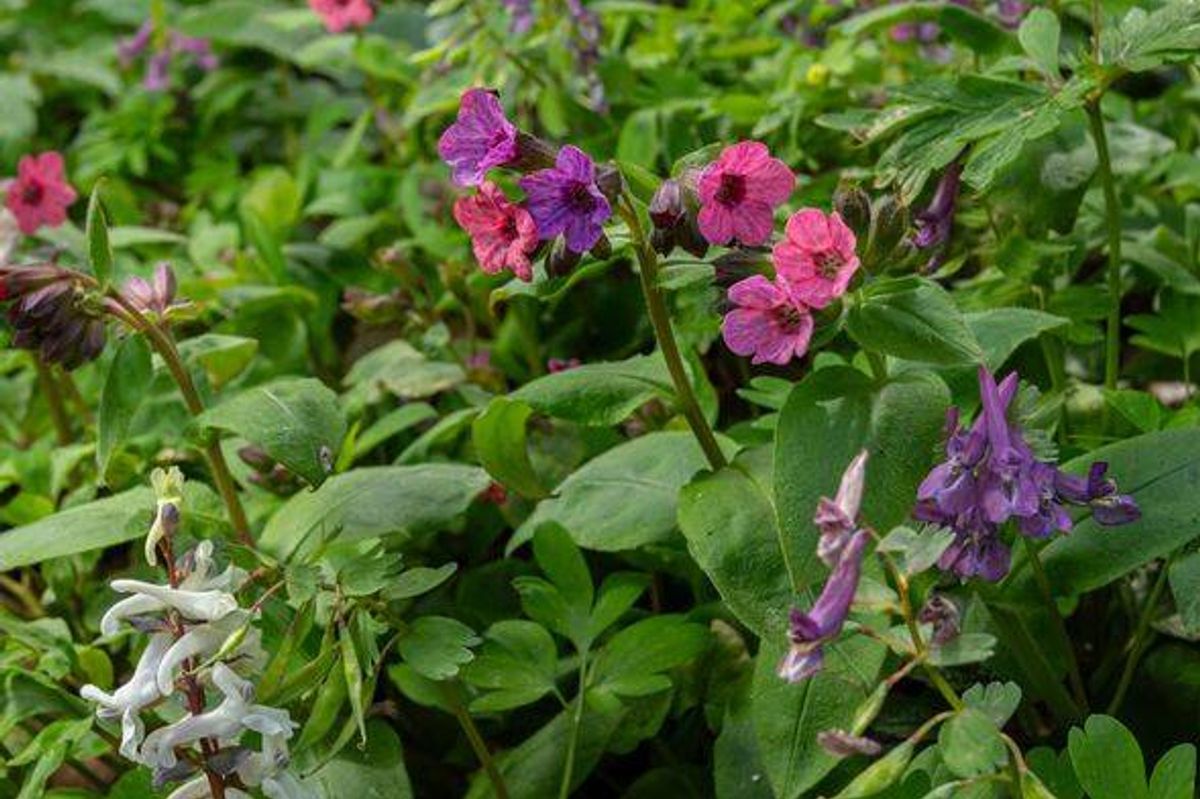
Joe uses pulmonaria to fill gaps in his borders(Image: (Image: Getty))
Joe selects lungwort as an early-season flowering option for his borders. Available in various shades of blue, white and silver, this plant typically flowers during March.
Certain varieties display mottled foliage whilst others remain plain, Joe notes. His more sheltered spots are frequently populated with fringe cups, or tellima grandiflora.
This plant features “limey green scalloped foliage” which yields “greenish-white flowers” from May through the summer months. Lastly, Joe favours foam flower, which he notes can grow to approximately 25cm.
He describes the plant as “reliable” and notes it “flowers for a long time”. He’s particularly fond of the heart-shaped leaves that boast fragrant blooms and a marbled look.
Comments are closed.