
Soil Might Be the Reason Your Garden Isn’t Thriving. Here’s How to Dial in Your Dirt – Sunset Magazine
Soil Might Be the Reason Your Garden Isn’t Thriving. Here’s How to Dial in Your Dirt – Sunset Magazine
Soil Might Be the Reason Your Garden Isn’t Thriving. Here’s How to Dial in Your Dirt
Her soil itself has been her greatest teacher. Once compacted clay, it was transformed through mulching and cover crops. “Cover crops can help provide armor for the soil while also increasing organic matter under the surface,” she explains. “Having a thick mulch layer of armor provides the balanced moisture and temperature required to foster a healthy soil ecosystem of microbes and fungi.”
Plant Purpose: Designing for Biodiversity & Beauty
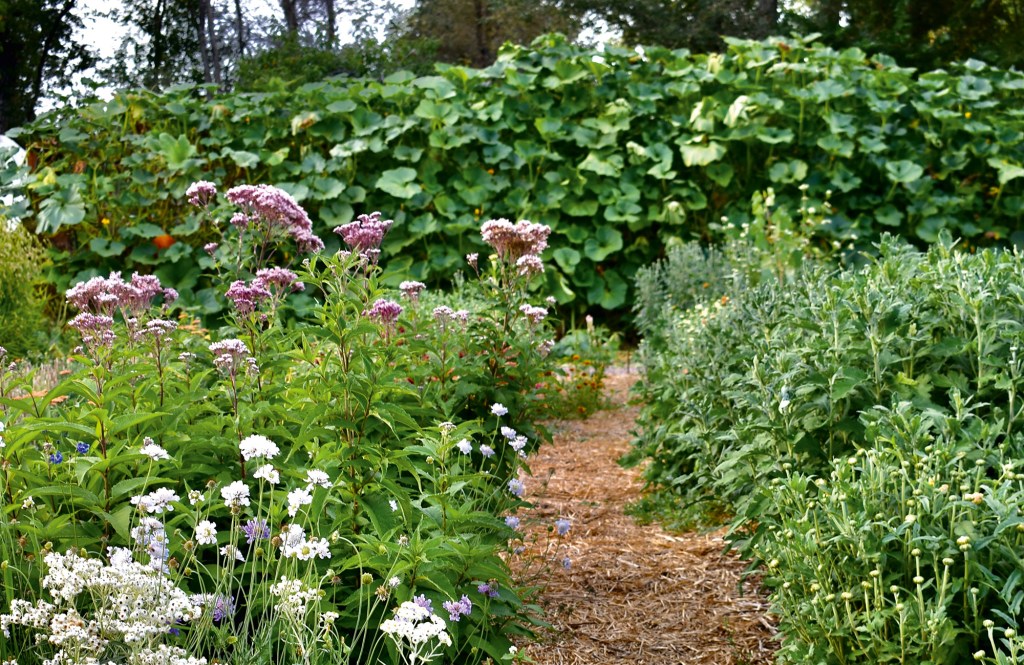
Photograph by Bonnie Sen from ‘The Regenerative Gardener’s Handbook’ by Briana Selstad Bosch. Copyright © 2026. Reprinted by permission of Storey Publishing, an imprint of Hachette Book Group.
Our lawns can be so much more than just grass. Bosch recommends grouping natives, such as goldenrod, yarrow, and echinacea along perimeters, with orderly vegetable beds inside. This blend balances beauty and biodiversity while reducing pests.
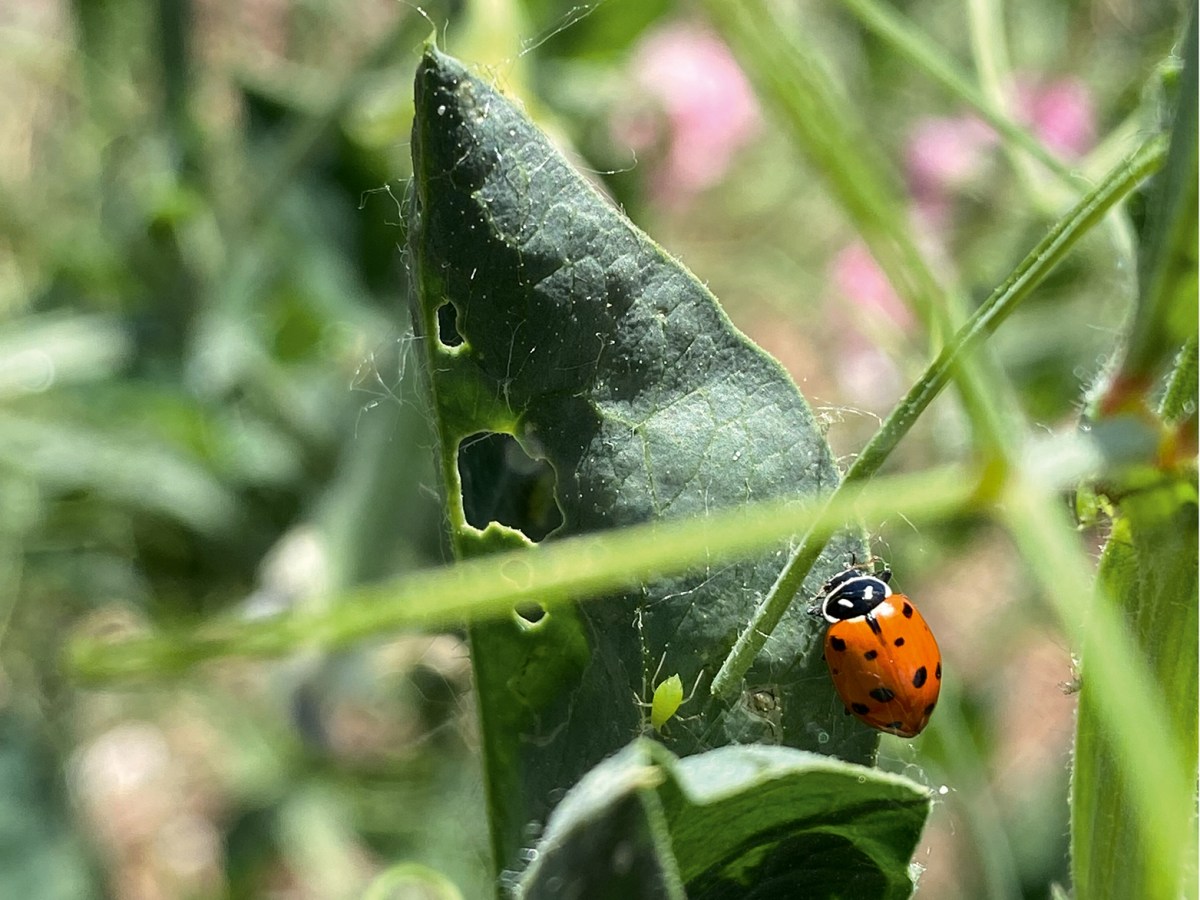
She also thinks in sequences to support pollinators: flax, currants, and plum blossoms in spring; goldenrod and rudbeckia in summer; asters and sedum into fall. Even experiments like sowing buckwheat under dahlias can deliver surprises—“Its flowers attracted ladybugs, which have helped manage aphids and thrips.”
Loop Love: Closing the Garden Circle
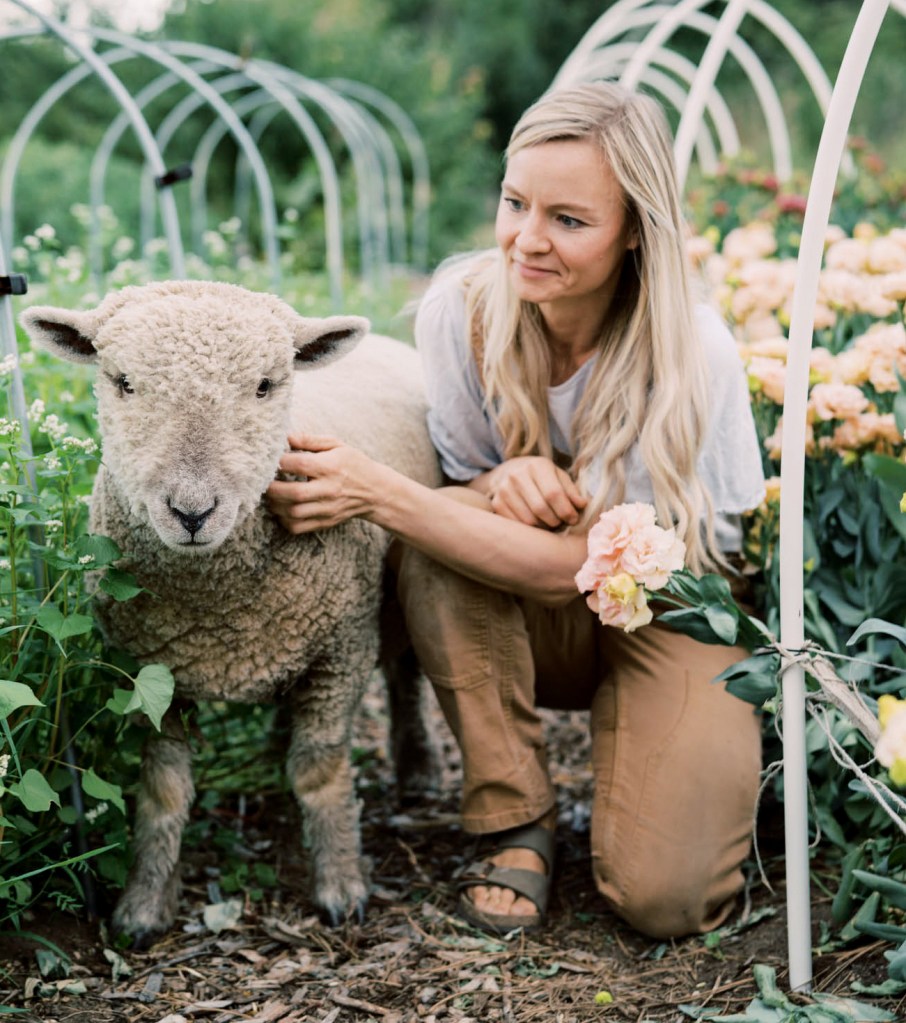
Photograph by Bonnie Sen from ‘The Regenerative Gardener’s Handbook’ by Briana Selstad Bosch. Copyright © 2026. Reprinted by permission of Storey Publishing, an imprint of Hachette Book Group.
Compost is Bosch’s favorite entry point into regenerative gardening. “Starting a small compost pile can be one of the most helpful ways to close the garden ‘loop’ at home,” she says. Even a modest pile stretches far—she adds just a scoop per planting hole, or a light sprinkle over direct-sown seeds. Beyond feeding the soil, compost cuts landfill waste and reduces reliance on store-bought inputs.
Cultivating Calm and Connection
Photograph by Bonnie Sen from ‘The Regenerative Gardener’s Handbook’ by Briana Selstad Bosch. Copyright © 2026. Reprinted by permission of Storey Publishing, an imprint of Hachette Book Group.
Above all, Bosch hopes regenerative practices inspire joy. “As home gardeners, we have an opportunity to directly help—even if it’s just a small garden or in a small way,” she says. Her advice for the overwhelmed? “Remember that laziness in spring can actually be beneficial for the ecosystem! Take the time to sit in the garden and simply observe.”
For her, gardening offers perspective. “Up close, a kale plant overrun with aphids can seem like a failure. But if you observe that plant as a piece of the ecosystem, it’s providing food for aphids that are food for beneficials like lacewings and ladybugs. As in life, it is the failures we can learn the most from.”
Your Regenerative Garden Game Plan
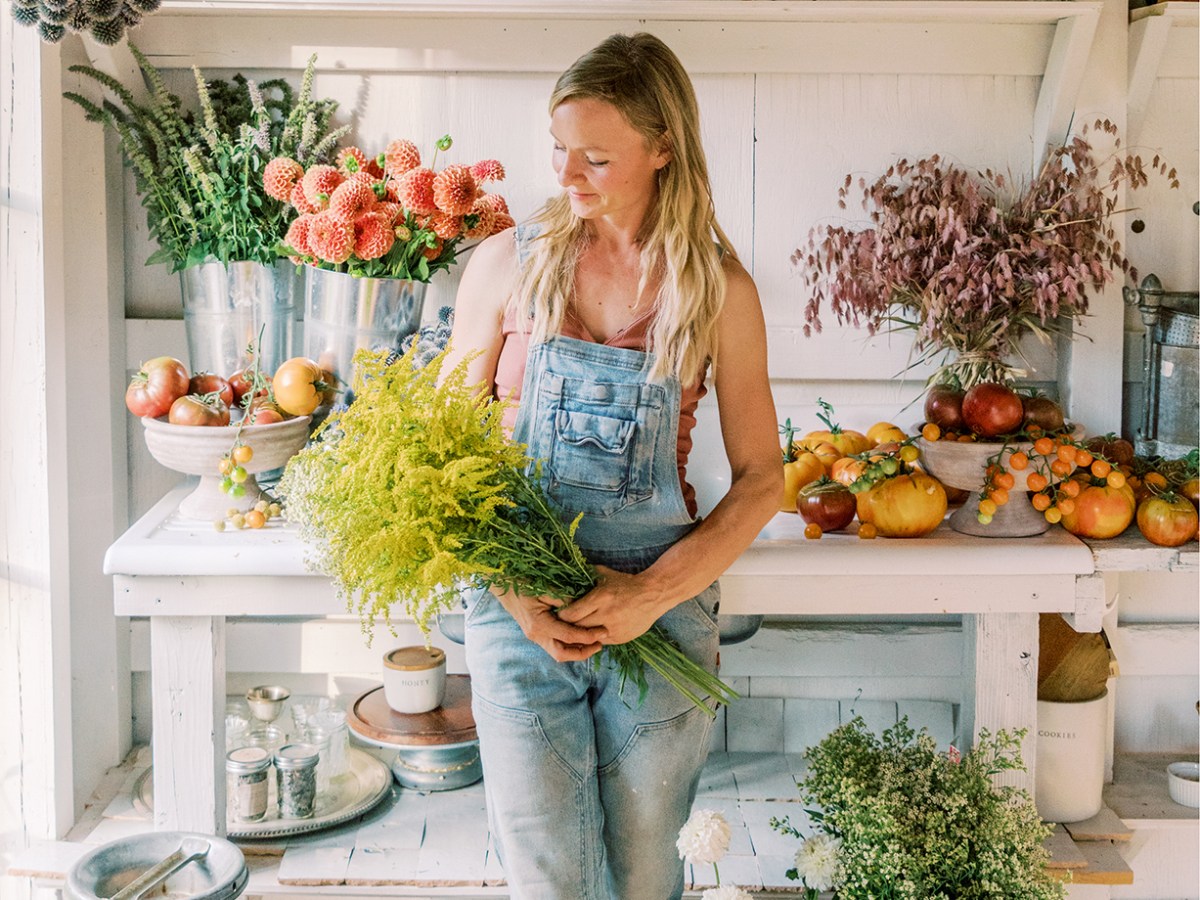 Briana Selstad Bosch at work.
Photograph by Bonnie Sen from ‘The Regenerative Gardener’s Handbook’ by Briana Selstad Bosch. Copyright © 2026. Reprinted by permission of Storey Publishing, an imprint of Hachette Book Group.
Use Bosch’s actionable tips to get your garden ready for spring while building soil, supporting pollinators, and reducing purchased inputs.
Observe Your Garden Ecosystem
Watch your birds! Once they start scratching around in the yard, it’s a sign the soil is warming—and that planting time is on its way.
Know Your Soil
Get a soil test, but don’t be intimidated. Think of it as a wellness check for your garden and a way to track how your soil management is paying off. Pay attention to organic matter—it’s a vital nutrient source for your soil microbes.
Build Your Soil Armor
Start planning your mulches! If you didn’t plant a cover crop in the fall, you can still sow one in very early spring, six to eight weeks before the last frost. Green Cover Seed is a great source for cover crop seeds.
Minimize Purchased Inputs
Forage locally. Wild rabbit droppings (gloves recommended!) make a nitrogen-rich boost for planting holes. Nature provides; we just have to notice.
Plant for Ecosystem Health
Select plants that support native birds and beneficial insects, and prep a welcoming site for them in your landscape. Every pollinator counts!
Create Living Soil and Closed Loops
Inoculate seeds with a mycorrhizal seed inoculant (Big Foot is a favorite). It delivers microbes right where seedlings need them, boosting soil life from the very start.
Follow Nature’s Cues
Resist the urge to clean up too soon! Leaving debris until just before planting protects overwintering insects and provides birds with needed food. Nature knows best—trust the rhythm.
Get the Book
Photograph by Bonnie Sen from ‘The Regenerative Gardener’s Handbook’ by Briana Selstad Bosch. Copyright © 2026. Reprinted by permission of Storey Publishing, an imprint of Hachette Book Group.
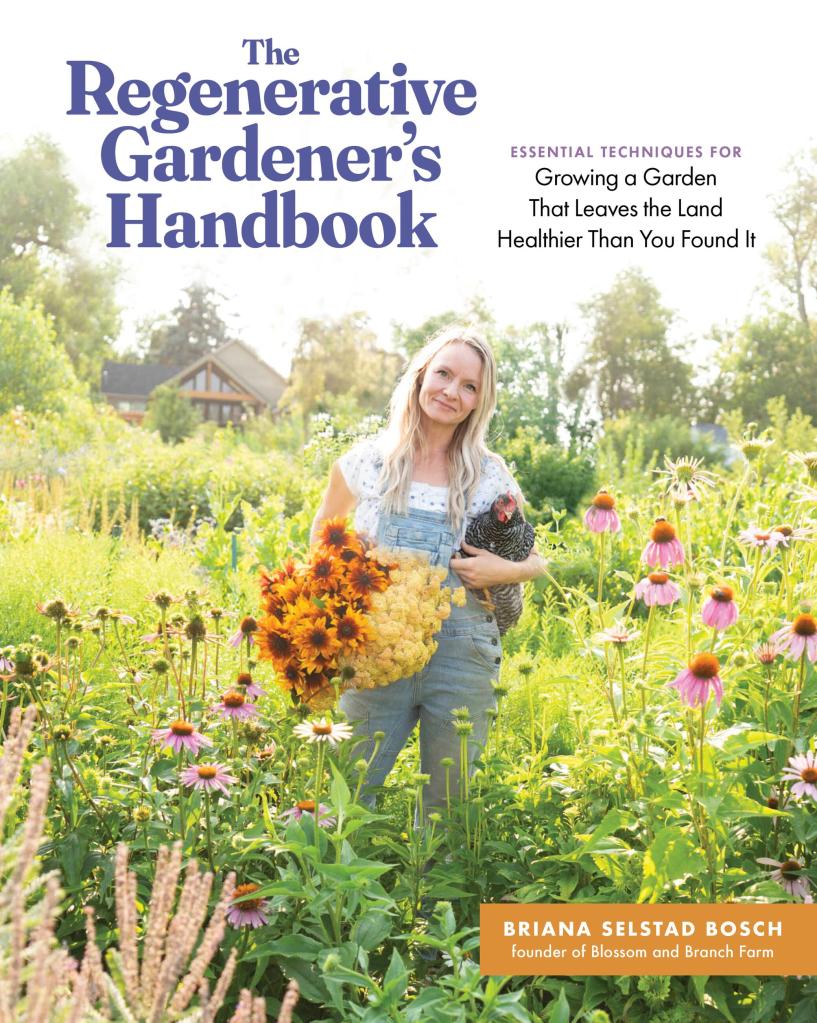
The Regenerative Gardener’s Handbook: Essential Techniques for Growing a Garden That Leaves the Land Healthier Than You Found It, by Briana Selstad Bosch (Storey Publishing).
The Regenerative Gardener’s Handbook, $23.29
We only recommend things we love. If you buy something through our site, we might earn a commission.
You May Also Like
Comments are closed.