
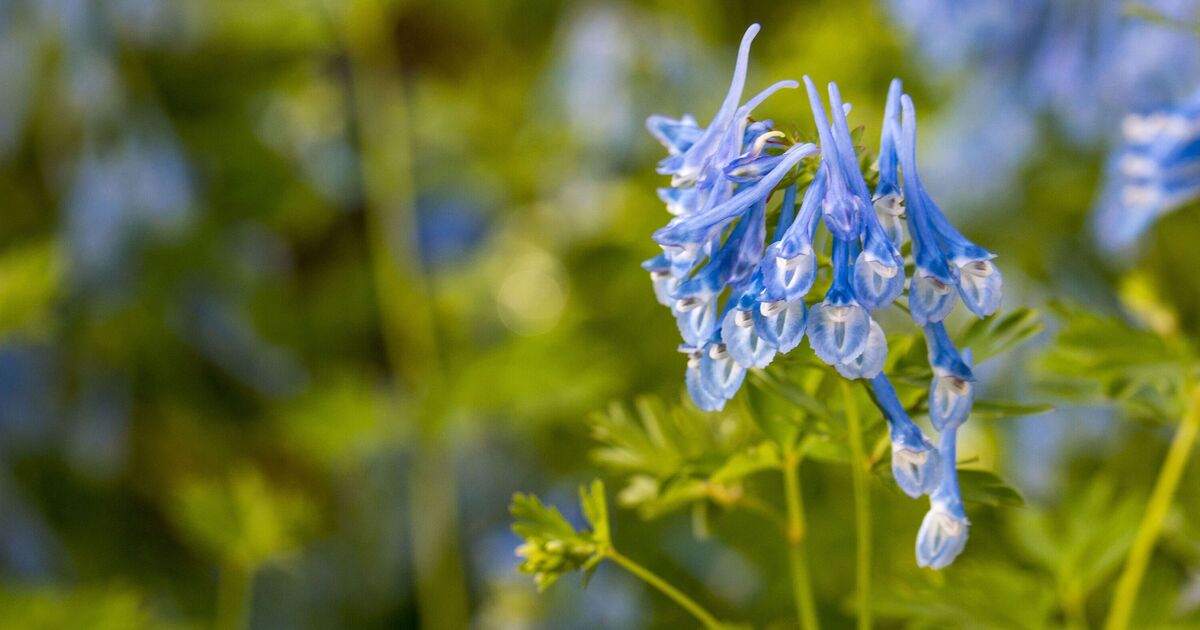
Gardeners’ World star Joe Swift has reccomended planting nine flowers (Image: Getty)
Gardeners’ World star Joe Swift has named nine plants he says gardeners should use to cover gaps in their plot. Joe, 60, has been involved in the hit BBC show since 1998, having worked with some of the biggest names in horticulture.
He says that now is an “exciting time” for gardeners. Bulbs are beginning to “nose through” and grasses are “waking up from their winter slumber,” he explains, meaning he finds himself looking around to see what is beginning to grow each morning. Joe though admits he isn’t a fan of seeing “bare soil” in his garden.
Read more: UK households urged to put specific item in their garden before spring
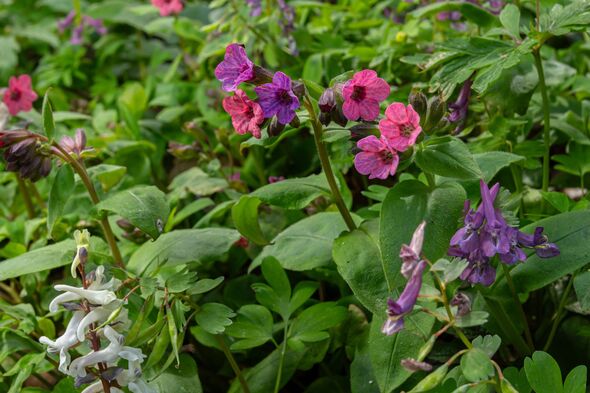
Joe uses pulmonaria to fill gaps in his borders (Image: Getty)
Writing in The Times, he said: “In winter, some bare soil is inevitable unless you grow only ever-greens. But from spring through to late autumn, I want to see green, not brown.”
Joe likes to plant around five plants every square metre – although he says it can be slightly more or less – with one needing to be a “low grower” to fill the space between the taller plants and shrubs.
He believes the phrase “ground cover” has a bad reputation, instead calling the plants “spring-flowering gap-fillers”. Joe however explains that it is “too early” to buy your “tender plants”.
Instead he says now is the time to put hardy plants in your garden that will come back year-after-year. Joe recommends self-seeding plants that will return each year and fill your plot.
Joe has now named nine plants he would use as his “spring-flowering gap-fillers”. He suggests using around three of the nine in groups to cover your garden beds.
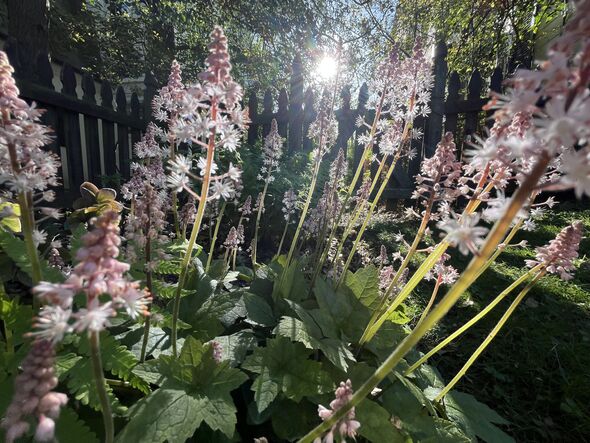
Joe described foam flower as “reliable” (Image: Getty)
The gardener says the bugle – a deep-blue flower with evergreen leaves – is a useful “shady low ground cover choice”. Meanwhile he says the Siberian bugloss is a “top foliage plant” which can grow up to around 45cm tall.
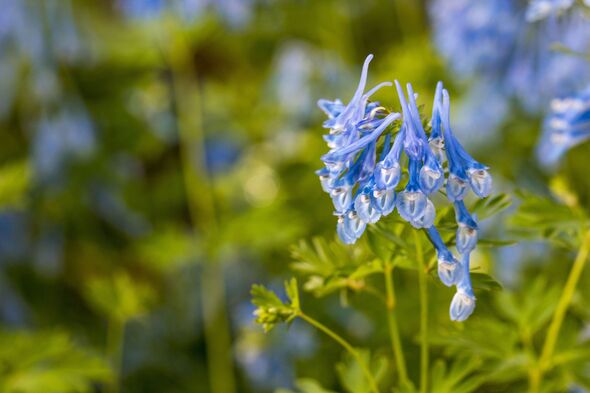
The plant has white or blue flowers, which come through in April or May while boasting dark green leaves. The corydalis, known as “blue panda” is another of Joe’s choices.
He likes that it “carpets the ground” and self seeds while also growing up to around 60cm. The blackberry wine cordydalis can reach up to 60cm.
Joe suggests the periwinkle as a “good choice” to fill gaps in your garden. The evergreen plant boasts violet and blue flowers while the Vinca Minor periwinkle has a “velvety-rich purple flower”.
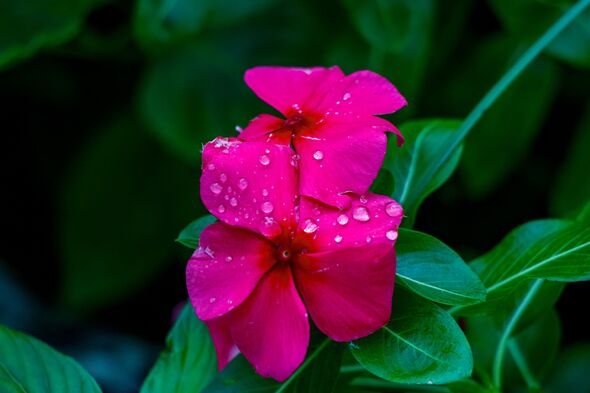
Joe uses periwinkles to fill garden gaps (Image: Getty)
Both barrenwort and sweet woodruff are white-flowering plants that Joe uses to plug gaps in his garden. He says sweet woodruff “excellent ground cover” and can fill those “tricky gaps” in your garden.
Joe picks lungwort as an early flowering option for his garden. The plant comes in a range of blue, white and silver colours and can be seen flowering in March.
Some have spotted leaves while others remain unspotted, Joe explains. His more shaded-areas in his garden are often filled with fringe cups, or tellima grandiflora.
The plant boasts “limey green scalloped foliage” that produces “greenish-white flowers” from May onwards. Finally, Joe opts for foam flower, which he explains can reach up to 25cm.
He describes the plant as “reliable” and says it “flowers for a long time”. He enjoys the heart-shaped foliage that has scented flowers and a marble appearance.
Comments are closed.