
Last Updated on 16th February 2026 by Sophie Nadeau
This post may contain affiliate links. Please check out my privacy policy and disclosure for more information.
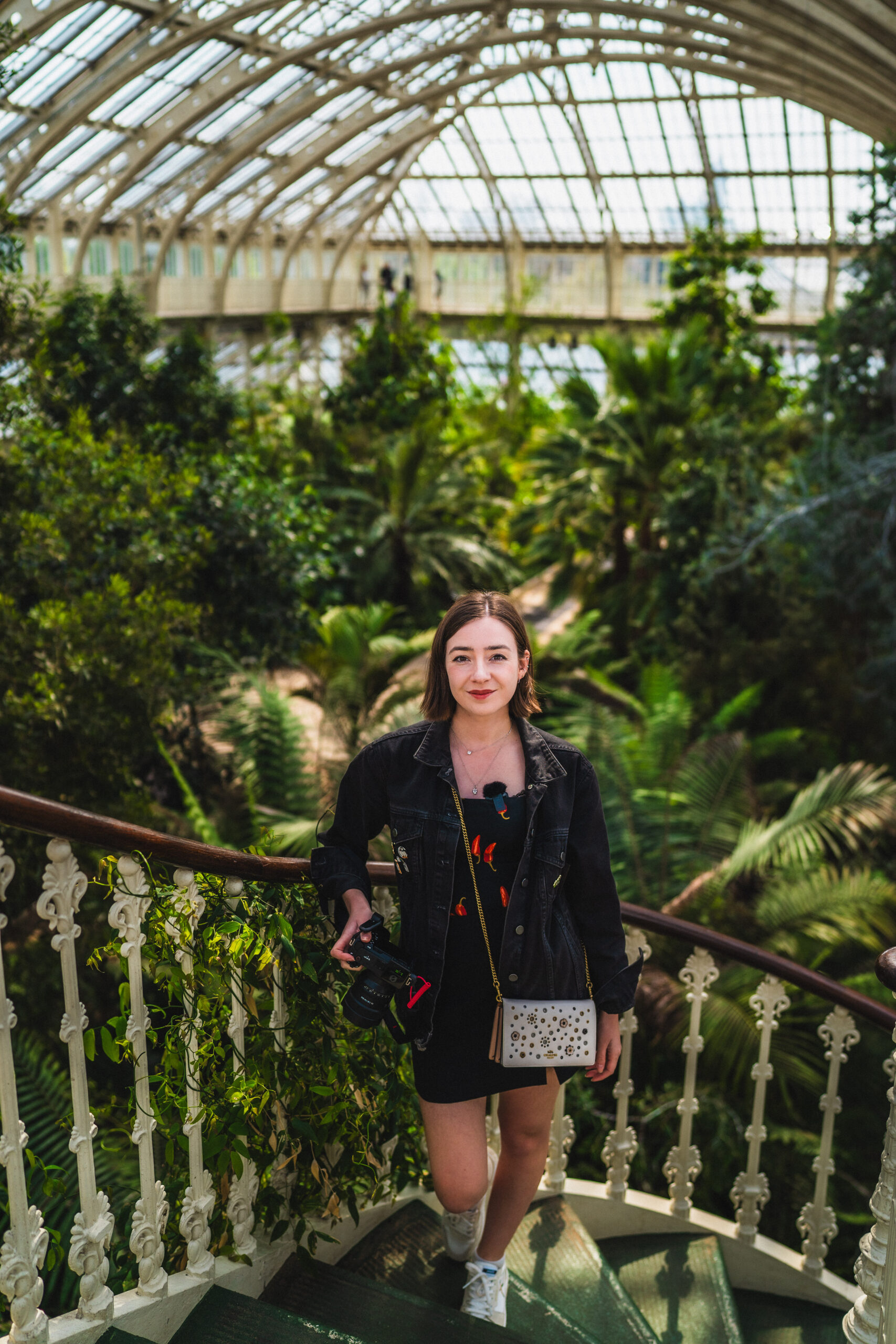
Tucked away in the charming London neighbourhood of Richmond, quiet, leafy, and far from the city centre’s bustle, lies one of the most biodiverse places on Earth: Kew Gardens. In this travel guide, I’ll take you through the best things to see and do at Kew Gardens, as well as share some practical tips to help you make the most of your visit. Here’s your guide to the highlights and hidden gems of Kew Gardens!
A brief introduction to Kew Gardens
The history of the gardens can be traced back to the early 18th century when Augusta, Princess of Wales, established a modest nine-acre botanical garden within the royal pleasure grounds at Kew.
Since then, the gardens have flourished into what is now recognised as the biggest botanical garden in the world. This UNESCO World Heritage site comprises a site of over 300 acres, and remarkably, some of the original plants that Augusta had planted still survive to this day.
Kew boasts some pretty nice gems like the oldest surviving Victorian glasshouse in the world, the smallest royal residence in the world, and a particularly unique pagoda which stretches 50 metres into the air.
Getting to Kew Gardens
The gardens are around a 10-minute walk away from Kew Gardens station (served by the District Line in zones 3+4). The area surrounding the tube stop is Richmond, a particularly pleasant neighbourhood where you’ll find all sorts of independent shops and cafés. It’s best visited during the spring as all of the cherry blossom poke out!
You’ll want to book your tickets to the gardens ahead of time, as the price is cheaper online than at the gate. Once at the entrance, someone will scan your tickets, and then you’re free to explore the grounds at your leisure.
Handy maps and signposts are located all over the grounds, but I definitely recommend picking up a little brochure at the entrance to help guide your visit. There are different length guided walks to follow on themes such as: ‘first date’ and ‘architecture’, which make for a fun way to explore the gardens.
Insider tip: Buy your Kew Gardens ticket in advance
If you want to save both time and money during your Kew Gardens visit, then it’s best to buy a ticket ahead of time. This way you can queue in the line for people who already have tickets and access the gardens faster…
Highlights of a visit to Kew Gardens
Temple of Bellona
The temple of Bonana dates back to the late 18th century, and rather interestingly, it’s actually made of wood despite its stone appearance. It’s dedicated to the Roman goddess of war and is also one of 20 such follies dotted around Kew.
The temple features a Doric façade, leading to an interior room adorned with plaques bearing the names of British and Hanoverian regiments that distinguished themselves during the Seven Years’ War (1756–1763).
Unfortunately, you can’t enter the temple itself; however, there is a rather lovely bench right at the front where you can shelter from bad weather or enjoy a picnic. In the Spring, there are several blossoming trees surrounding the structure.
Winter Gardens
While Winter itself might not be the best time to visit Kew Gardens, if you do visit during this time, you can check out the Winter Garden, which was restored in 2022 to cater to visitors of every season.
This forgotten corner of Kew showcases plants ‘hardy’ plants which can thrive in colder and harsher climates, this includes, Euonymus trees, hellebores, snowdrops and eranthis. It’s also a perfect spot overlooking views of the Temperate House and Pagoda and the surrounding gardens.
Marianne North Gallery
There are also plenty of indoor spaces to explore at Kew. The Marianne North Gallery comprises several rooms and is home to a permanent exhibition of 832 paintings by the Victorian artist and explorer Marianne North.
This vivid collection of 19th-century botanical art decorates the walls from floor to ceiling. North’s beautifully detailed works depict more than 900 plant species, showcasing a perfect harmony between science and art.
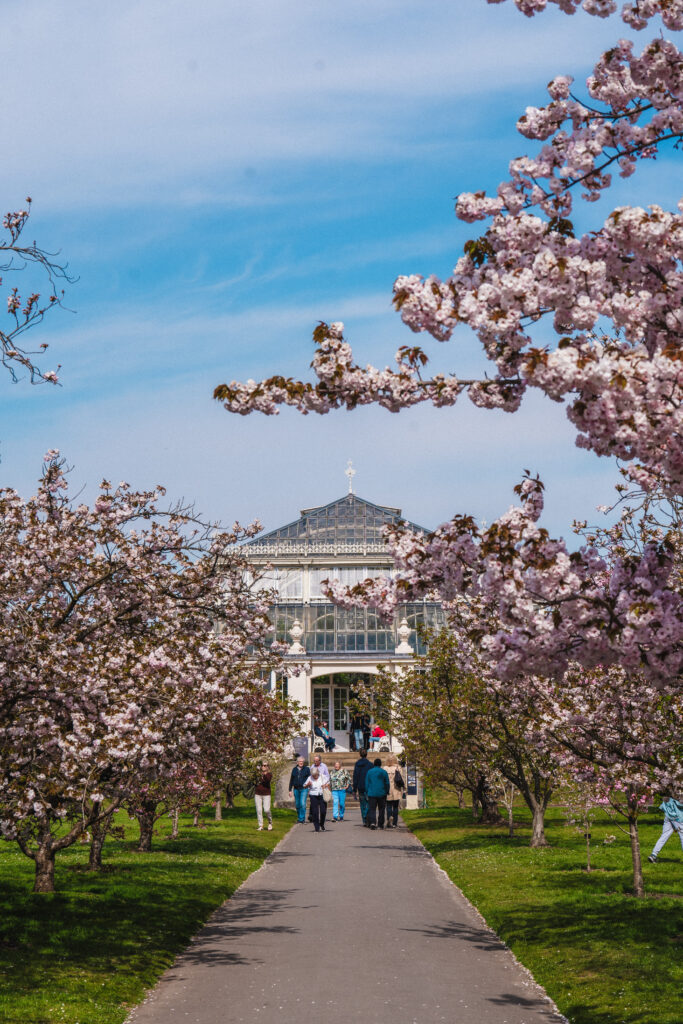
The Temperate Glass House
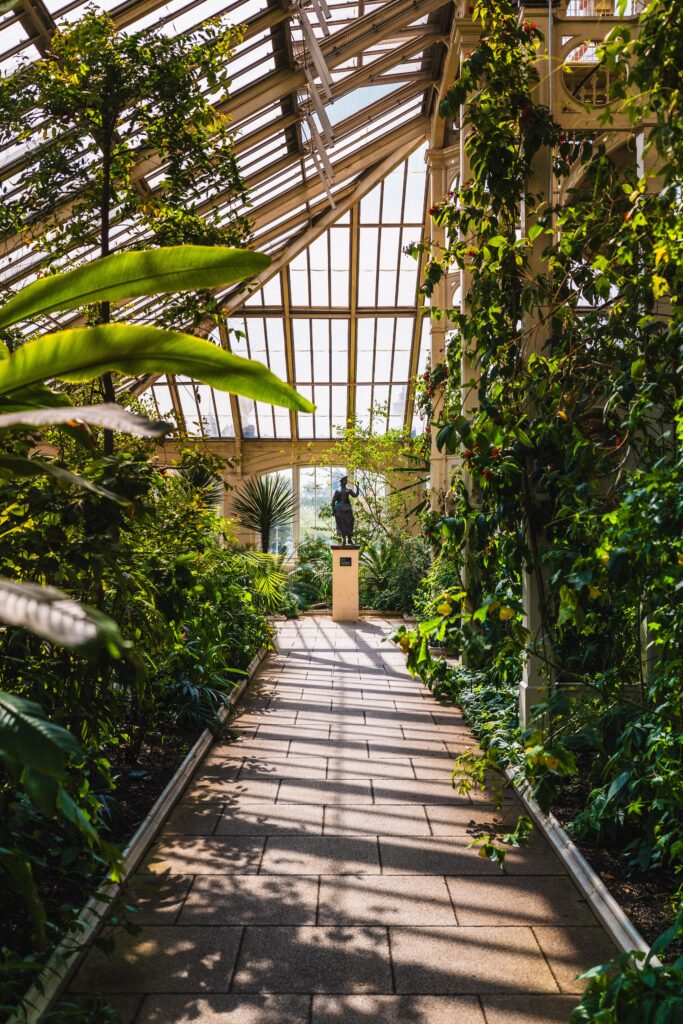
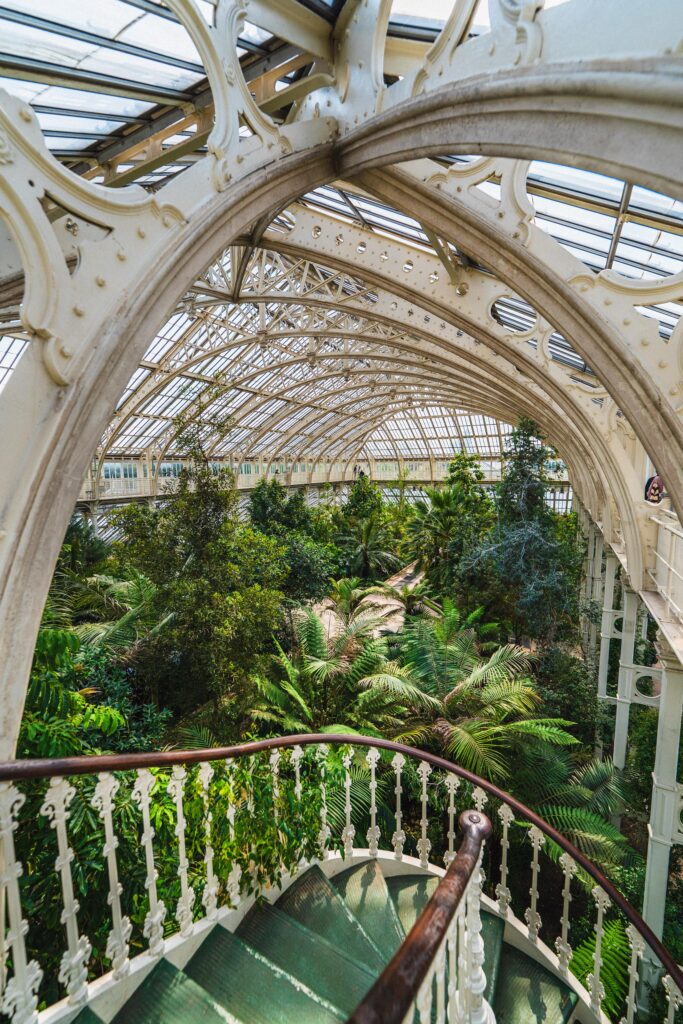
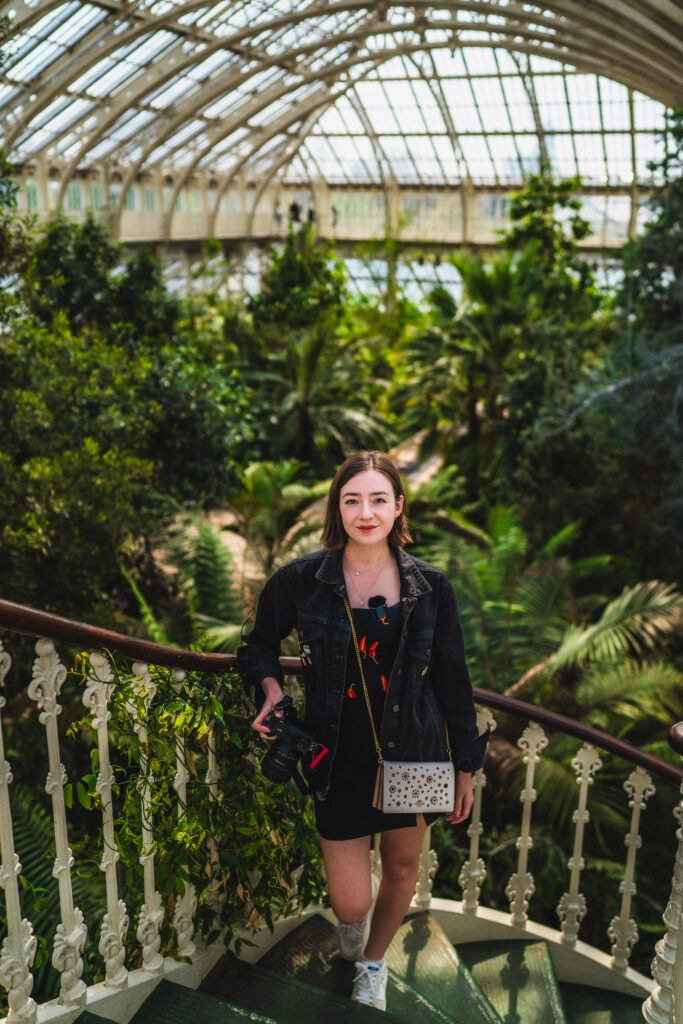
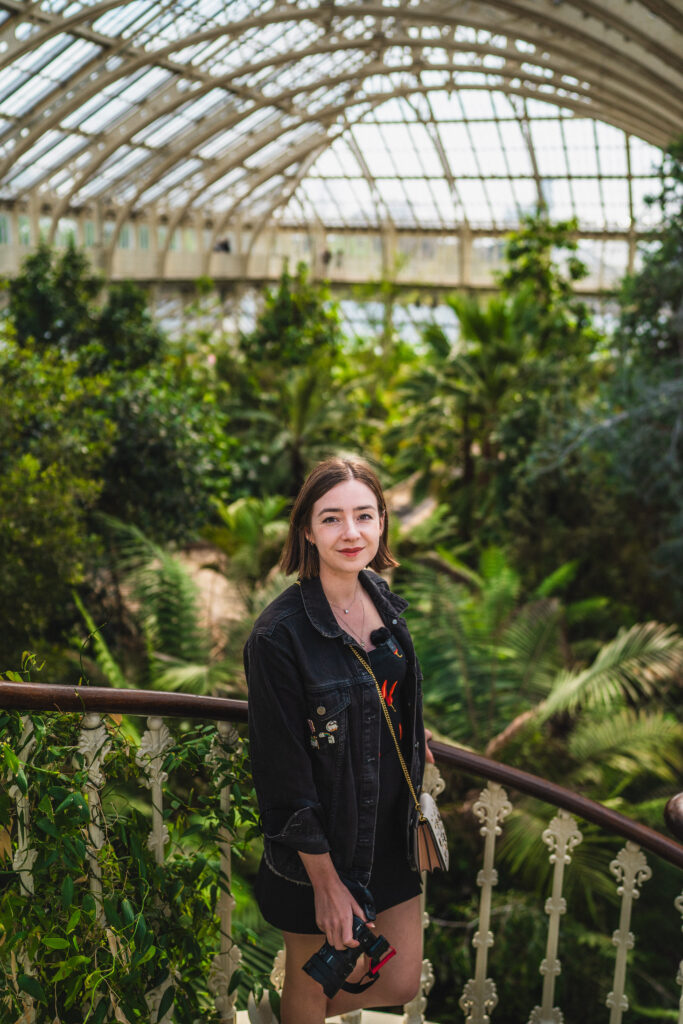
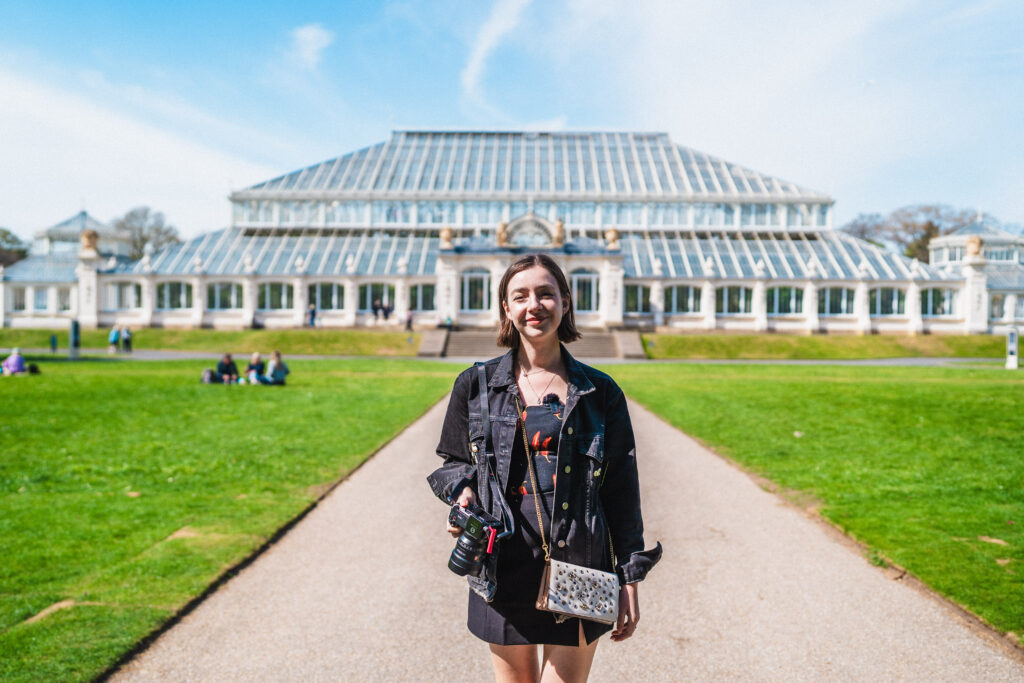
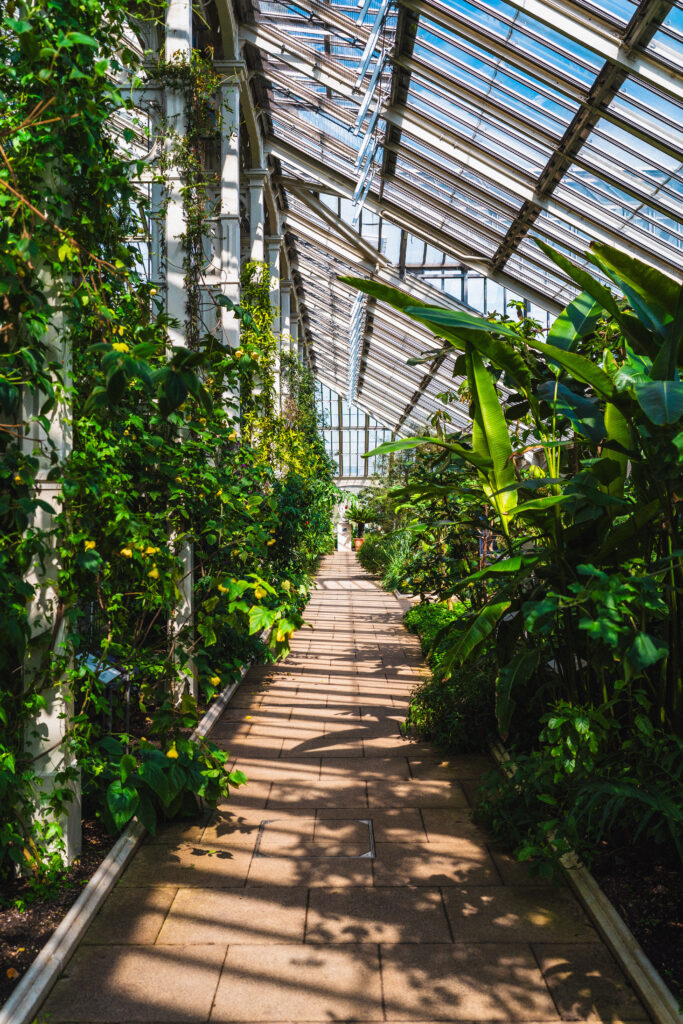
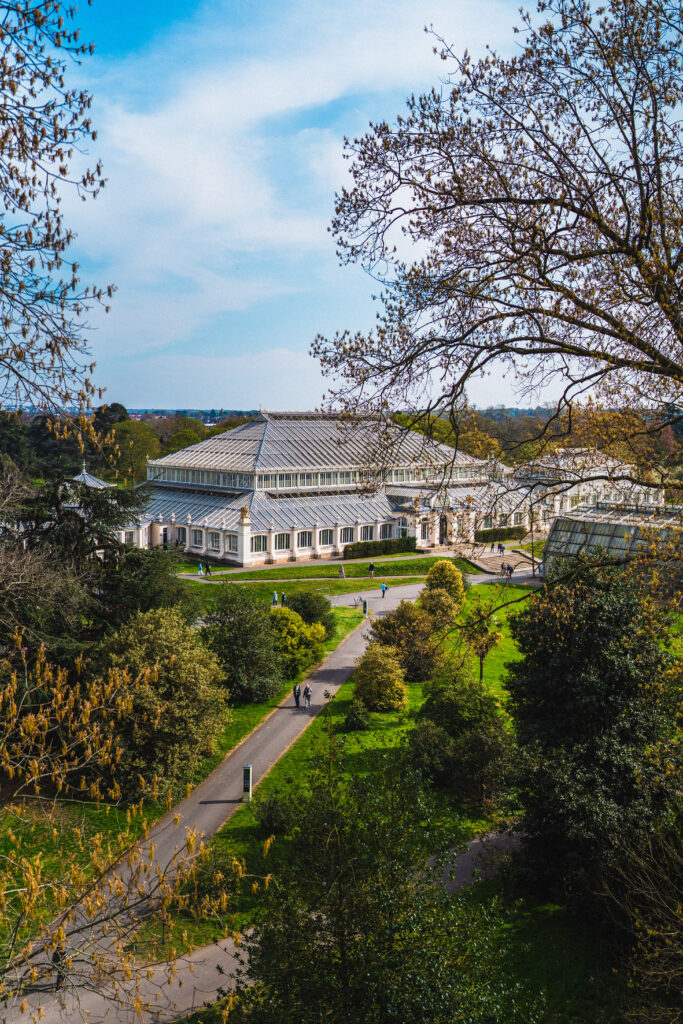
Described as a “cathedral of plants” The Temperate Glass House is the oldest surviving Victorian glass house in the world. It is home to over 10,000 plants, including 1500 individual specimens, many of which are endangered or extinct in the wild.
To give a rough idea of size, between 2013 and 2018, the glasshouse was renovated and over 10,000 panes of glass were individually replaced!
Upon stepping inside, you’ll instantly feel the warm and sticky air that provides the perfect climate for the plants inside. The tender species grown inside the Temperate House are unable to tolerate temperatures below freezing, so during the UK’s cold winters, the glasshouse remains above 10 degrees Celsius throughout.
Found within the New Zealand planting area, there’s a stunning water feature and reflection pool, which makes for great photo opportunities. But, for the best view, head upstairs to the balcony, where you can admire the flora in all its glory.
The biodiversity inside this glasshouse is truly astounding and stands testament to Kew’s mission to protect and preserve threatened and endangered plants. Most impressively, you can find plants from the earth’s most remote islands like Saint Helena and Pitcairn Island.
The Great Pagoda
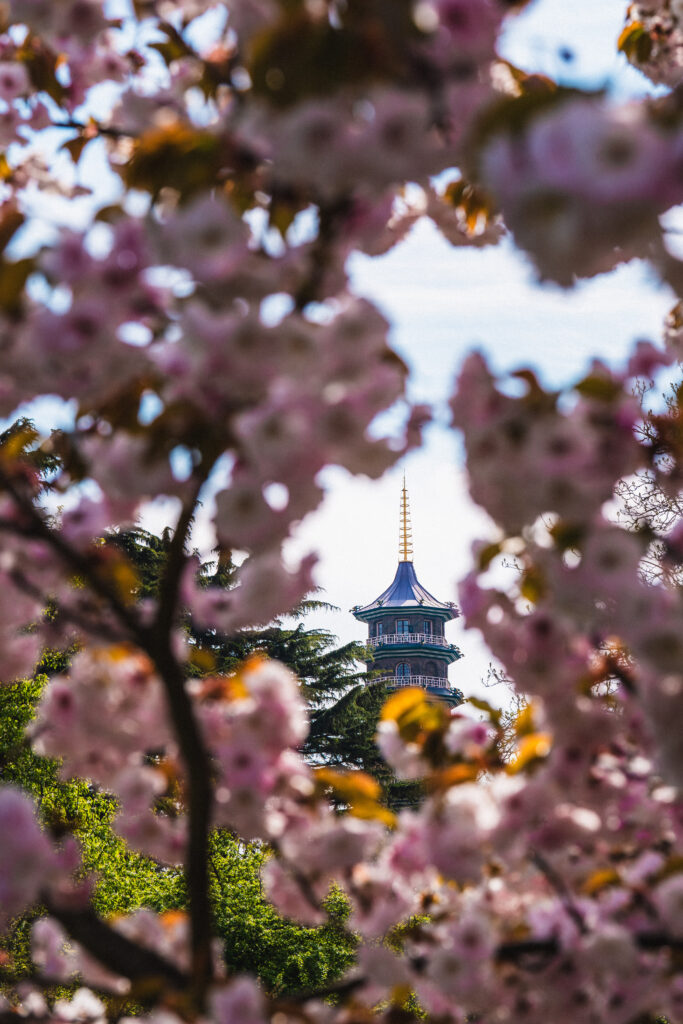
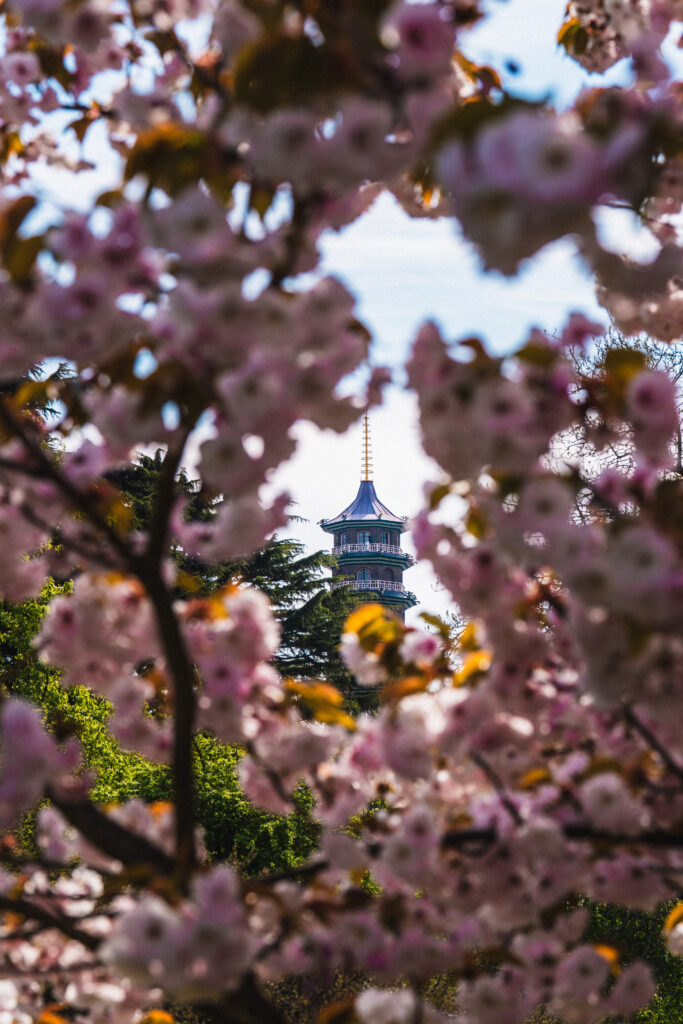
The Great Pagoda was designed and completed by William Chambers in 1762 and was gifted to the garden’s founder, Princess August. The pagoda is 10 stories high, and each octagonal rooftop is crowned with an ornate dragon. The structure looms 50 meters in height, and there are 253 steps to reach the top.
It is indeed possible to go up the pagoda, but you’ll have to pay an extra £4.50 per person on top of your admission ticket to do so. At the top, visitors can see sweeping views overlooking London’s skyline. But, I would only recommend paying the extra fee it it’s a clear day.
Located close by to the pagoda is the Japanese Landscape garden, which offers a mindful moment thanks to its design principles of simplicity that inspire contemplation. A hidden highlight within this garden is the Chokushi-Mon (Japanese gateway) which is a near replica of a gateway that resides in Kyoto, Japan’s ancient capital.
As is synonymous with Japanese culture, this part of the garden is certainly best visited during the cherry blossom (sakura) season, thanks to the cherry trees that grow beside the gateway.
Queen Charlotte’s Cottage
Tucked away in the south-west corner of the gardens is a quaint little rustic cottage that served as a summer countryside retreat for Queen Charlotte and her husband, George III in the 18th century. For those of you who have watched the Bridgerton spinoff, Queen Charlotte: A Bridgerton Story, you might be surprised to learn that it’s loosely based on a true story.
Queen Charlotte and George actually resided in the nearby Kew Palace with their family (read on for more information on Kew Palace). As the series goes, they did indeed share a keen interest in botany and a long and fruitful marriage. They were married for 57 years and have 15 children, but, sadly George III suffered from mental illness later in life.
This thatched cottage is where the couple would spend their days on woodland walks, picnics, and escaping into nature. Today, visitors can step inside the cottage and get an idea of how it was used as a royal pleasure ground.
Palm House
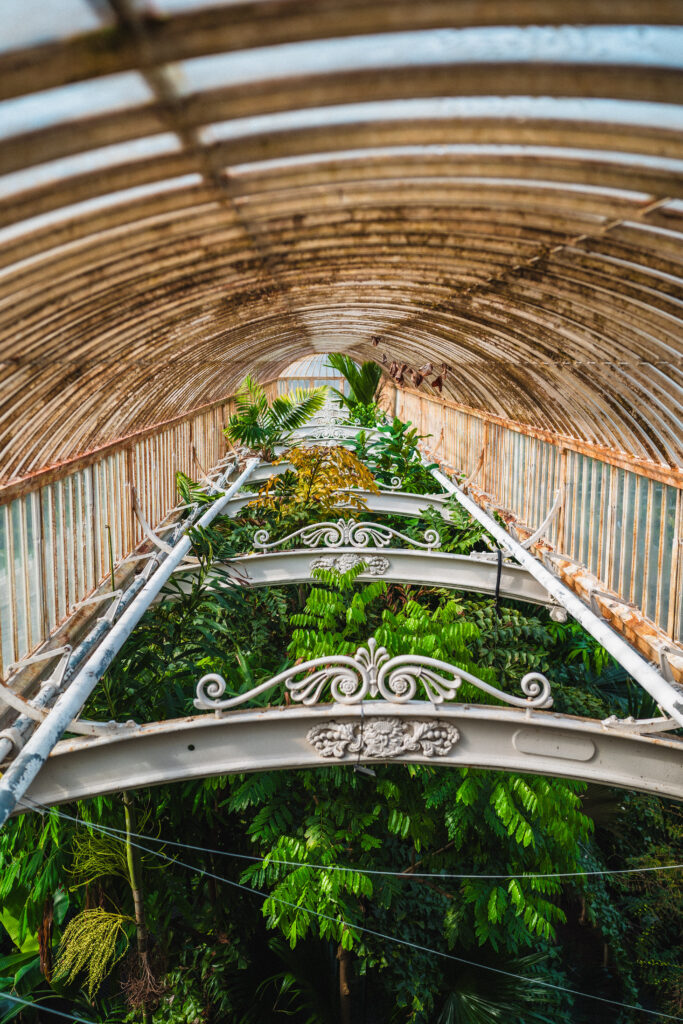
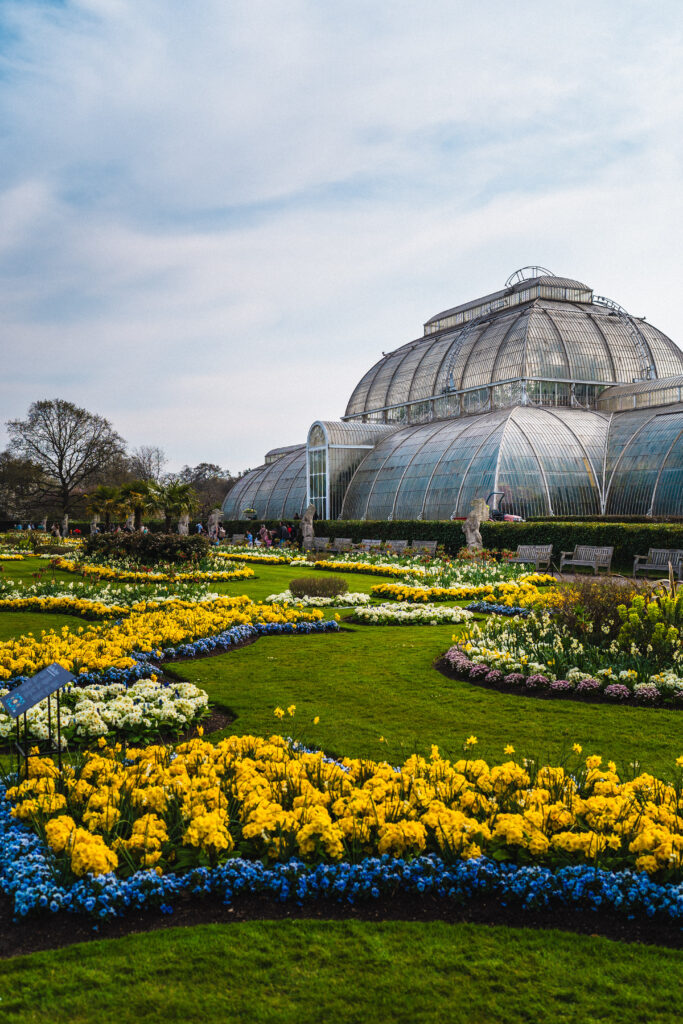
Probably one of the most iconic places at Kew Gardens is the Palm House, which dates back to 1848, and houses a tropical rainforest. Step inside and you’ll immediately feel the heavy and dense air that provides the perfect conditions for this vast living laboratory where luscious, tropical vegetation thrives.
This palm house contains species from threatened environments all over the world, and some of the plants found here are now extinct in the wild. Particular highlights that can be seen include: the oldest potted plant in the world, the disease-fighting Madagascar periwinkle , the African oil palm (Elaeis guineensis), and a cocoa tree (Theobroma cacao).
If you’re curious as to why it’s called a Palm House rather than a glasshouse, this is because Palm Houses are typically larger, specialised types of greenhouses, often heated to support the growth of palms and other tropical plants.
Water Lily House
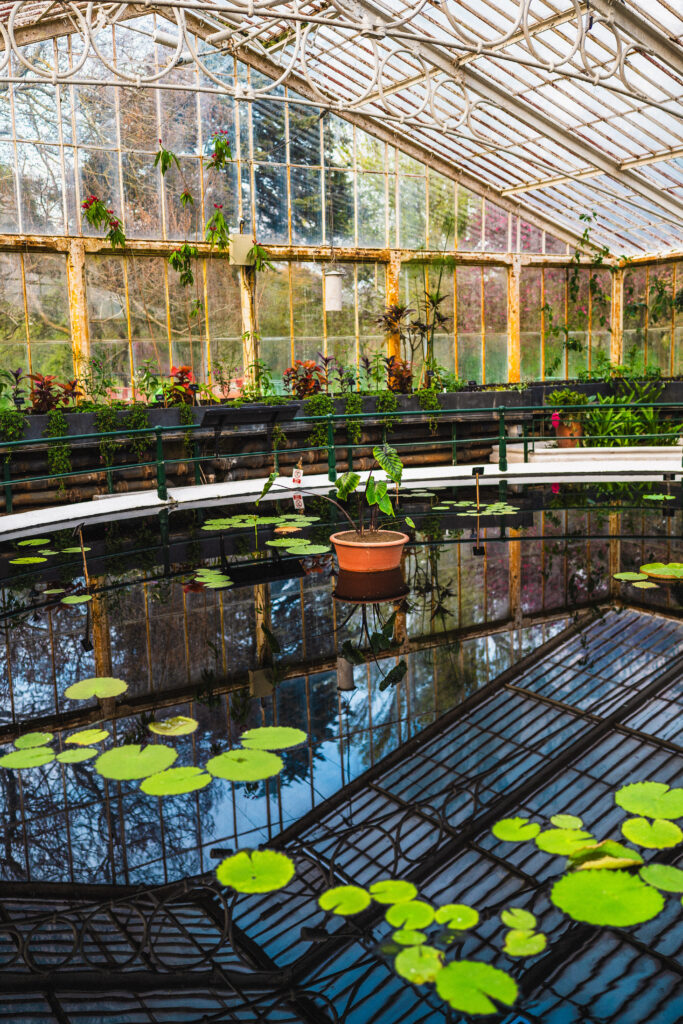
This compact, square glasshouse was purpose-built to display the giant Amazon waterlily (Victoria amazonica), which was a natural marvel of its time. The waterlily house was constructed in 1852, and today it stands as a listed building.
Inside is a large pond area where the water lilies grow, some of which can reach a span of up to three meters wide. One noteworthy lily is the record-breaking giant Victoria boliviana, which was named as a new species in 2022 by a team at Kew.
The best time to see the water lilies is from July through to October, visit during these times and you may see a lily in full bloom. However, the fragrant flowers only last for 48 hours.
Princess of Wales Conservatory
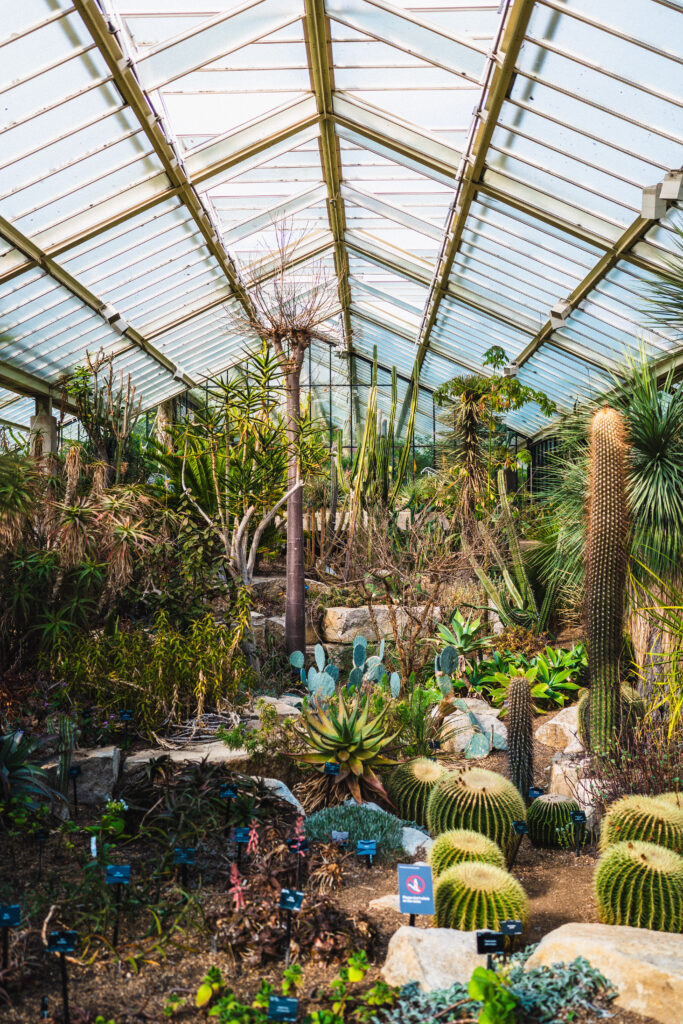
This glassy network of ten computer-controlled distinct zones was created in the 1980s and is mainly built underground in order to conserve energy. The Princess of Wales Conservatory houses plants from all over the world, including a zone dedicated to carnivorous plants, and even some plant species that are completely new to science and were discovered at Kew.
The ten zones range from conditions that allow for the carnivorous plants like the Venus flytraps (Dionaea muscipula) to swallow their prey in less than half a second, to dry heat, where you can see spiky cacti and succulents, to steamy, wet tropical air where vibrant flowers like Bird’s of Paradise (Strelitzia) bloom and thrive.
Kew Palace
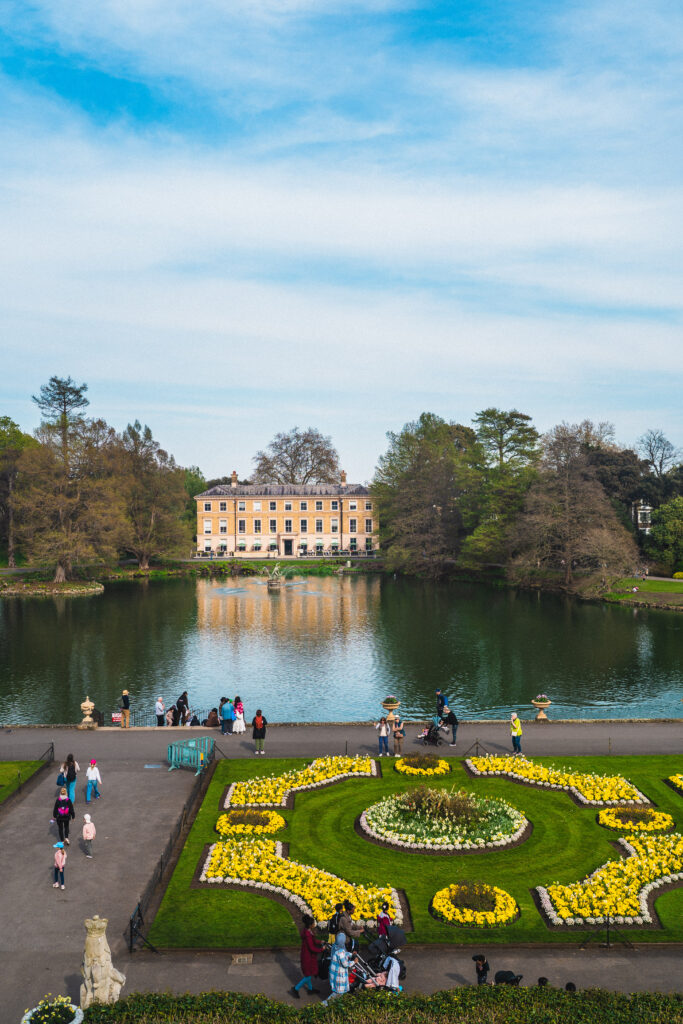
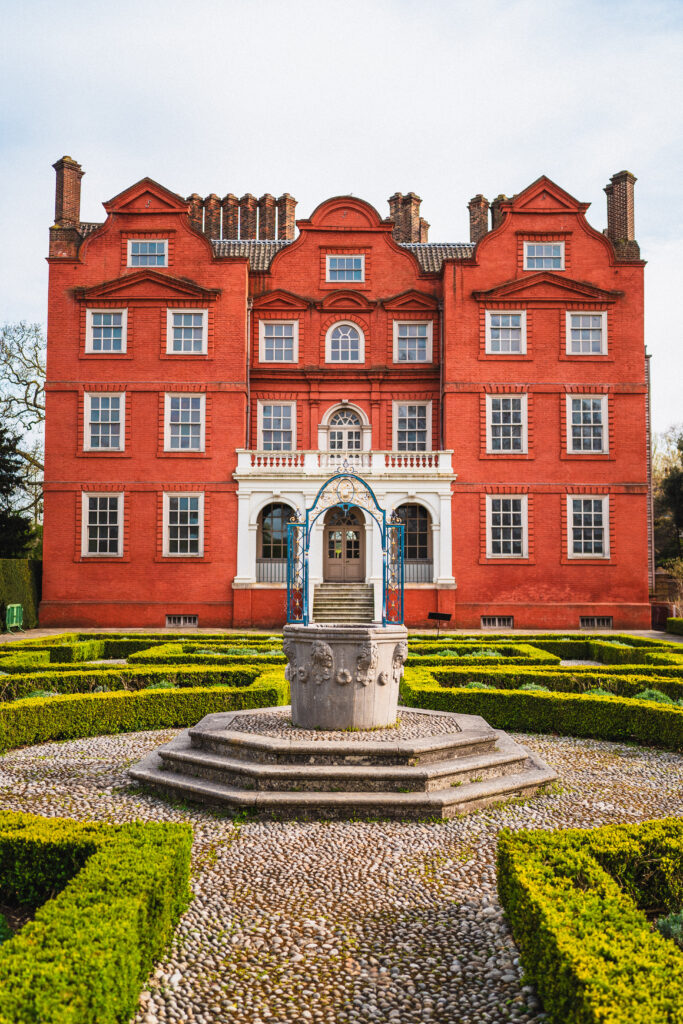
A royal treasure and the oldest building that resides within the gardens is Kew Palace. This striking Dutch-inspired design was constructed with Flemish bond brickwork and a gabled roof. The palace dates back to 1631 and was originally built as a fashionable mansion for Samuel Fortrey, a wealthy silk merchant from London. It also happens to be the smallest royal residence in the world!
The house was later acquired by the Crown and became a royal residence, eventually being used by George III and Queen Charlotte. Kew Palace was also where Queen Charlotte died in 1818.
Today, the palace houses an intimate museum which offers an insight into the personal lives of Queen Charlotte and George III, with a particular focus on George III’s struggles with mental health and the impact it had on the royal family.
What to know before visiting Kew Gardens
There are a few things to know before visiting the park…
Plan to spend at least half a day at Kew: You won’t want to come later in the day because things actually end up closing at 5 even though the gardens are open till 6, 7 or 8 depending on the time of the year that you go. To be honest you could easily spend a whole day discovering the gardens as there’s so much to see!
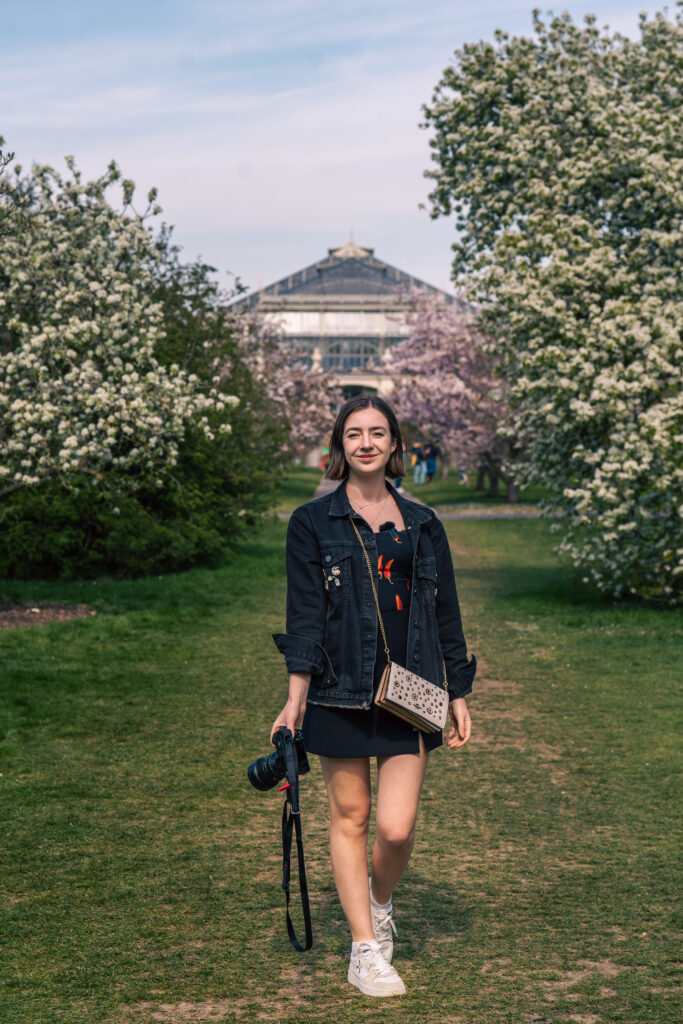
The best time to go: The best time to visit Kew is undoubtedly in the late spring when you get to see all of the cherry blossoms and everything is starting to come into flower, while the leaves are appearing on the trees. Obviously Autumn and Summer are also great options, but I would personally avoid the winter.
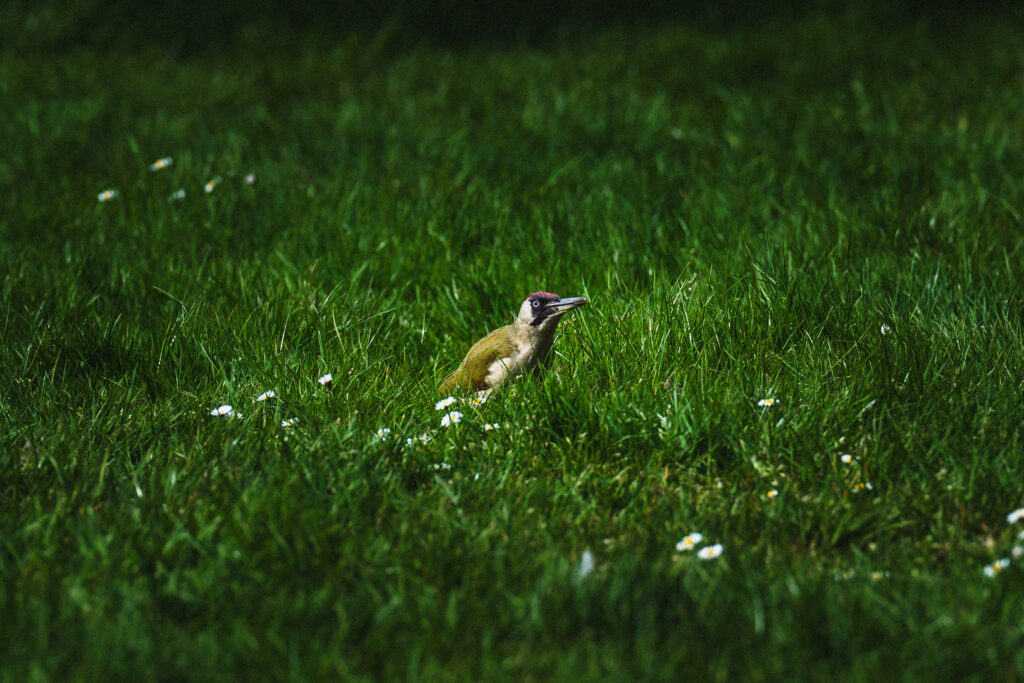
Bring snacks/ lunch: There are a lot of food options on site but these aren’t always great value for money. Therefore, if it’s a sunny day then I personally prefer to bring a picnic and there are benches where you can enjoy your food near each of the visitor centres. If you’re looking for a quieter spot, then you can head to the woodland area at the back of the garden.
There’s much more to see than you would expect: Just as we were leaving we actually discovered several areas of the garden which we hadn’t yet had time to explore, including an alpine garden and a greenhouses dedicated to Bonsai trees. Luckily, this means that I have a great excuse to return to Kew in the near future!
There can be closures at short notice: Unfortunately there can be closures across the grounds at short notice. A few galleries were closed during our visit for special events and the changing of exhibitions. However there’s always more to see and do so don’t worry too much about any closures when you go.
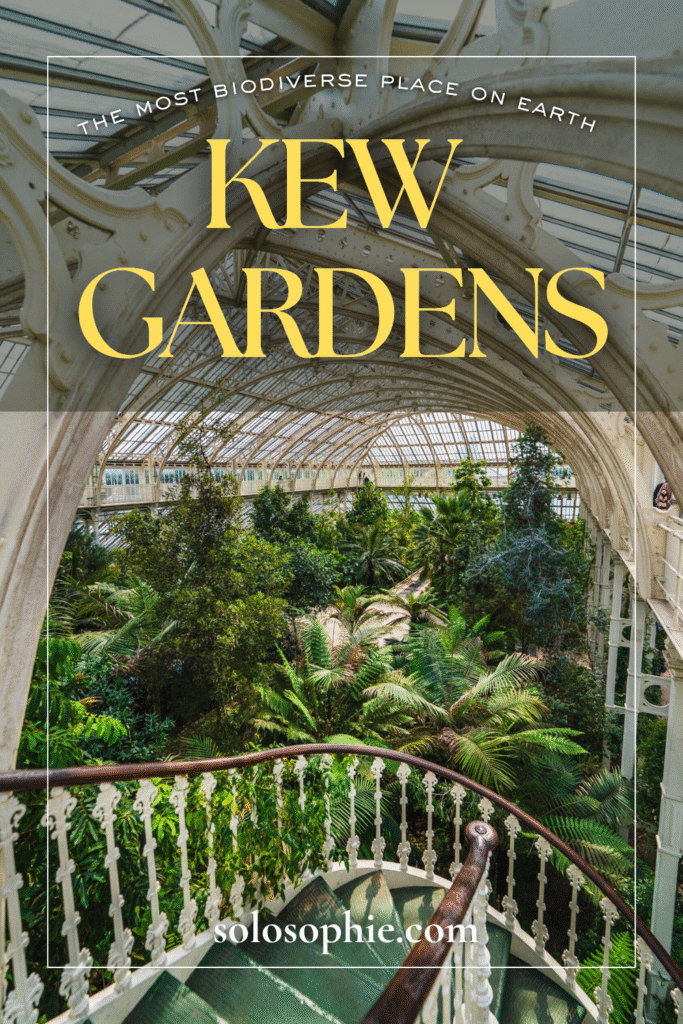
Enjoyed reading our guide to Kew Gardens’ hidden gems & highlights? Pin this post, and read it again later:
Comments are closed.