
Key Takeaways
Large lawns need constant irrigation and feeding, making them expensive to maintain.In-ground veggie gardens are less accessible compared to raised beds.While beautiful, water features require ongoing hands-on care.
They say beauty is pain, and sometimes that’s true when it comes to yards. An elegant lawn or floral centerpiece may end up requiring more upkeep than it’s worth in the long-run.
Once-popular yard features have thus lost their appeal over the years. If you’re updating your outdoor space and don’t want to deal with headaches down the road, you’re at the right place. We tapped gardeners and professional landscapers for the outdated yard features that they even they steer clear of—plus, what they suggest instead.
Meet the Expert
Kasey Eaves is the owner of Vivant Gardening Services.
Laura Janney is the CEO of The Inspired Garden Masterclass.
Daniel McCurry is an outdoor living specialist and co-founder of Father Nature Landscapes.
Large Lawns
The idealistic home once had a sprawling lawn and a picket white fence. But along with the image being outdated, lawns are not practical.
“It used to feel simple to mow your lawn each week, but now you are examining rain patterns, needing irrigation and constant feeding to keep up turf—only a fraction of which is actually used by your kiddos and pets,” says Kasey Eaves, owner of Vivant Gardening Services.
Instead, people are gravitating toward plantings that welcome pollinator friends like birds, bees, and butterflies.
Raised beds of cut flowers and vegetables are also a more affordable—and interactive—option.
“As one client said, ‘If I’m going to do the work, then I want it to feed me and fill my flower vase,'” Eaves says. “It’s a fair thought!”
Ground Covers
Credit:
constantgardener / Getty Images
Laura Janney, CEO of The Inspired Garden Masterclass, is never asked to plant ground covers—only to remove them.
“While they do offer some benefits, I find they make a garden look messy and dated,” Janney says. “Even more, they take away resources from the surrounding plants. Some even attract animals and rodents by providing them with shelter.”
So, Janney suggests a less-is-more approach.
“Not every inch needs to have a plant,” she says. “Mulch is a popular choice for its ability to retain moisture and suppress weeds. If you are wanting that dense look, you can place your perennials and shrubs close together.”
In-Ground Vegetable Gardens
Credit:
PaulMaguire / Getty Images
While veggie gardens are in, it’s not enough to stick one in the ground and call it a day. The benefits of raised beds include better drainage, fewer weeds and pests, and easier access—so you can say goodbye to kneeling and hunched backs. Another bonus? The aesthetic.
Vertical Gardens
Credit:
Rizky Ade Jonathan / Getty Images
Vertical gardens were considered trendy not too long ago, but don’t let their striking look fool you.
“Water tends to drain immediately after being applied, making it difficult to keep plants hydrated,” says Daniel McCurry, owner of Father Nature Landscapes. “Even with custom solutions to retain moisture, frequent watering—sometimes several times a day—is necessary, which makes upkeep challenging.”
Water Features
Credit:
LeeYiuTung / Getty Images
Similarly, fountains and ponds are easy on the eyes—but not difficult when it comes to upkeep.
“They require maintenance similar to a swimming pool,” McCurry says. “Many homeowners hope for automation, but in reality, most water features need regular hands-on care. While they are undeniably beautiful, the ongoing [work] can be daunting.”
Manicured Landscaping
Credit:
Marina Denisenko
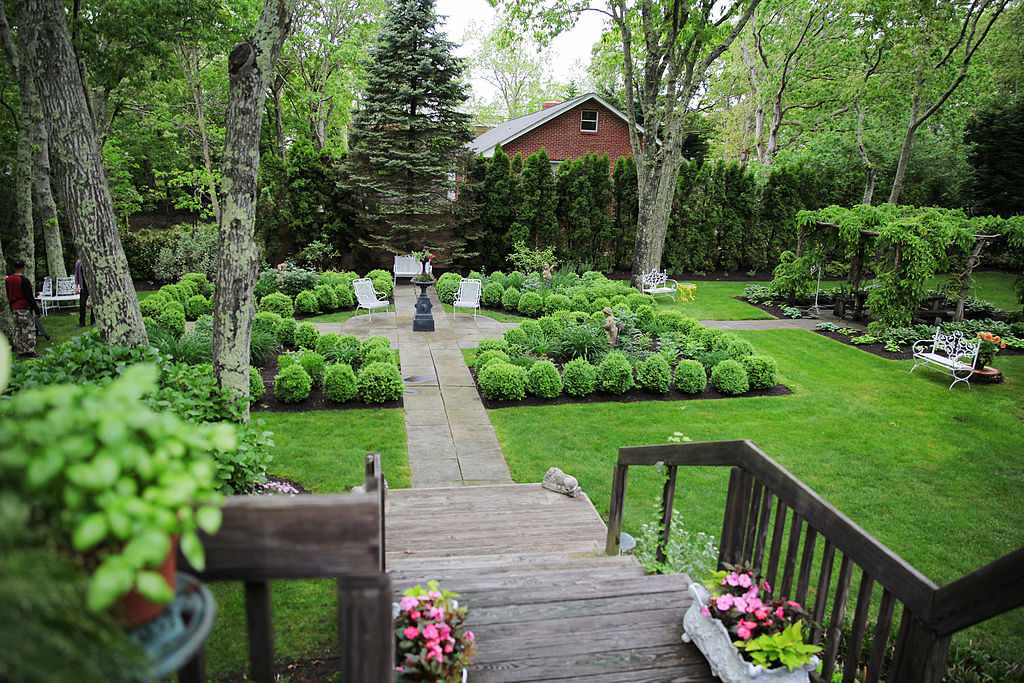
Those perfectly round boxwood shrubs and sculptural yards are beautiful on the set of Bridgerton—but the reality is a different story.
“They feel stiff, uptight, and unforgiving,” Janney says. “While these garden styles used to symbolize status and sophistication, they’re no longer reflective of modern homeowners’ values or lifestyles.”
For a more approachable take, Janney urges to embrace less structure.
“Layer softer shrubs and perennials with different bloom times, heights, and textures, and place them in a loose zigzag pattern rather than straight rows,” Janney says. “Choose plants that are known to do well in your zone and climate so the landscaping works with your lifestyle.”
Comments are closed.