
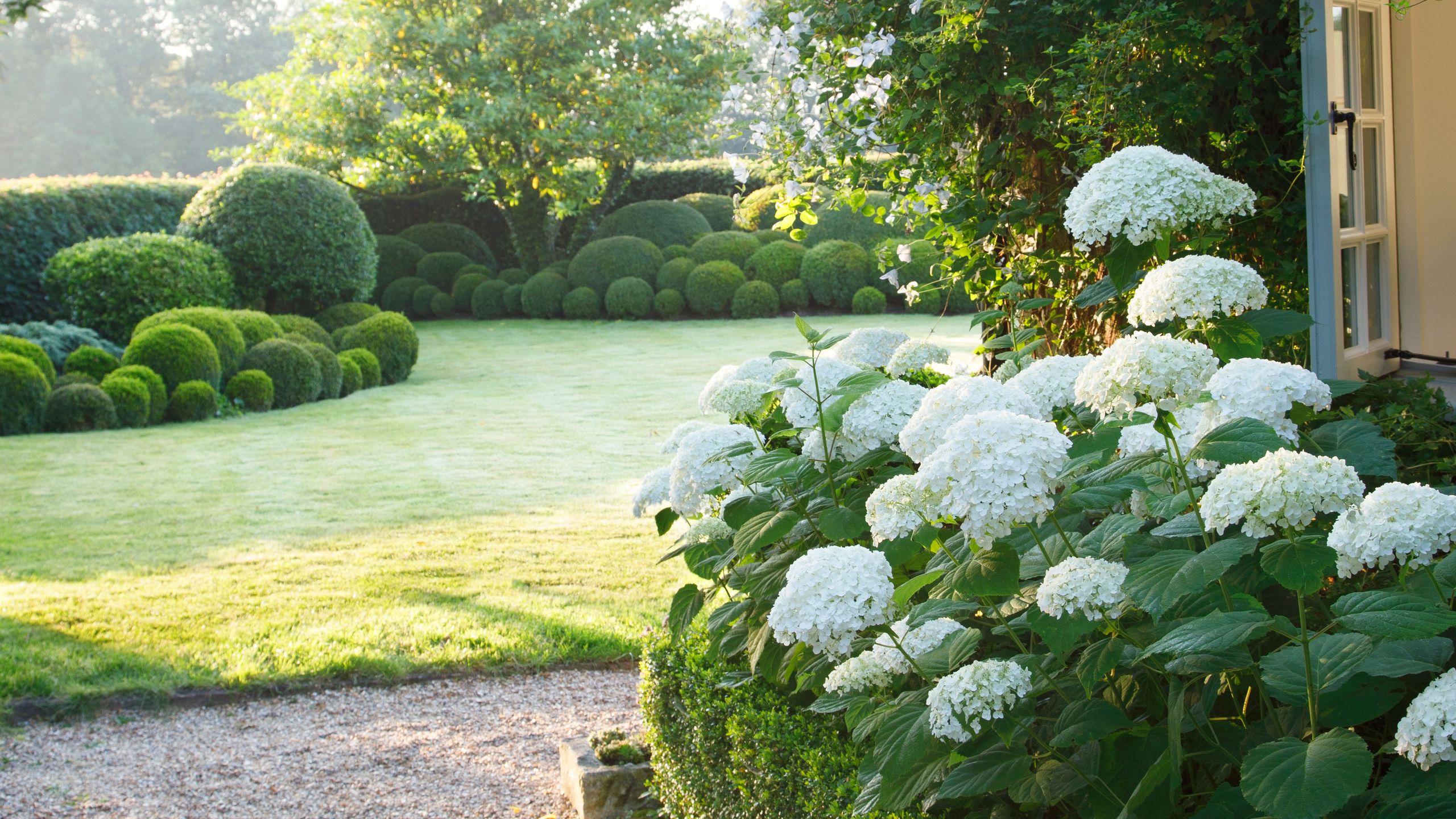
There’s something about certain plants that can transport you instantly. One deep inhale of a blooming lilac, or spotting a glossy rubber plant tucked into the corner of a living room, and suddenly you’re back in your childhood home – or wandering through your grandparents’ garden on a lazy summer afternoon.
Before minimalist trends and perfectly curated feeds, gardens and houseplants were personal, abundant, and a little sentimental. The 90s were full of reliable blooms, leafy statement plants, and hardy favorites that quietly defined whole eras of home life.
You may like
Indoor Plants Making a Comeback
Houseplants might not have been the big craze of the 90s like some garden trends, but they quietly found their way into city apartments and suburban homes, becoming a familiar part of everyday life. Many of those classic favorites are still thriving today – and a few have even made a stylish comeback.
Indoor plants have a way of making a home feel alive, and these five have earned their place at the very heart of modern interiors. They bring beauty, texture, and a hint of nostalgia to every corner – and the best part is they’re mostly low-maintenance houseplants, perfect for adding effortless greenery without any fuss.
1. Spider Plant
(Image credit: Kay Roxby / Alamy Stock Photo)
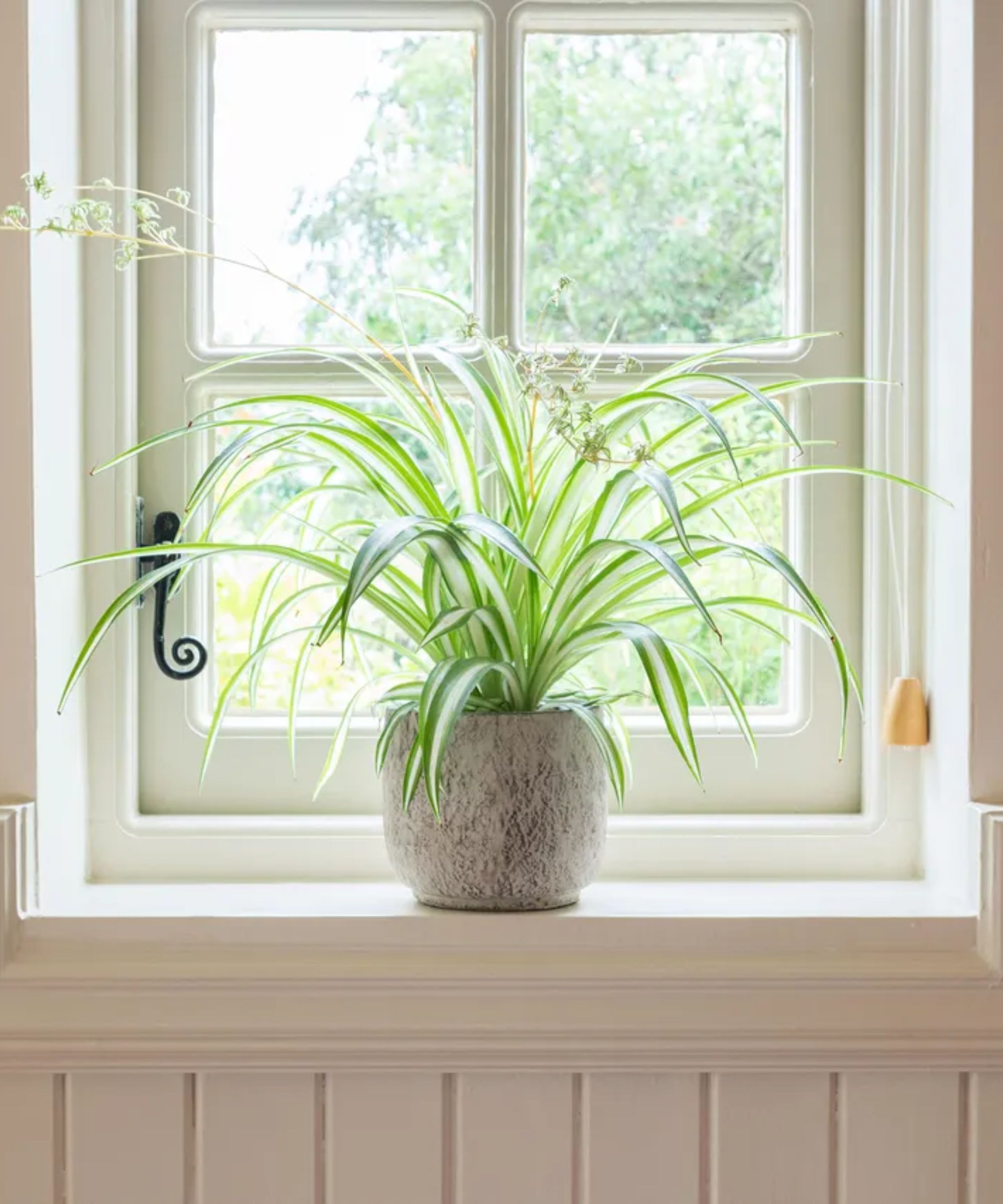
If there was one plant that truly defined a 90s home, it was the spider plant (Chlorophytum comosum). It was the first houseplant I ever really got to know – the one I remember noticing, touching, and eventually propagating a spider plant myself. I can still picture it hanging in the sunny window of my grandmother’s house.
Part of what made the spider plant stick in my memory was how unkillable it seemed. Miss a watering, move it across the room, deal with a week of shifting light – none of it phased the plant. It just quietly kept growing, easygoing and resilient, never demanding attention. I still remember snipping off one of those tiny ‘babies’ and watching it root in water. That small, everyday miracle is probably the moment I fell in love with growing indoor plants.
Today, it fits effortlessly into modern spaces. Its soft, cascading leaves balance clean lines, while the subtle striping adds gentle texture. Tucked into a simple ceramic pot or spilling over a shelf, it’s no longer just a retro throwback – it’s a timeless classic. Every time I bring one home, the room instantly feels softer, warmer, and somehow a little like coming full circle.
Grow your own indoor jungle with this top-rated Spider Plant Variety Pack from Amazon – perfect for adding fresh, low-maintenance greenery to any space. I’ll be styling mine in this chic Beaded Ceramic Planter from Target for a clean, modern look that lets the cascading leaves shine
2. Peace Lily
(Image credit: Anna Blazhuk/Moment/Getty Images)
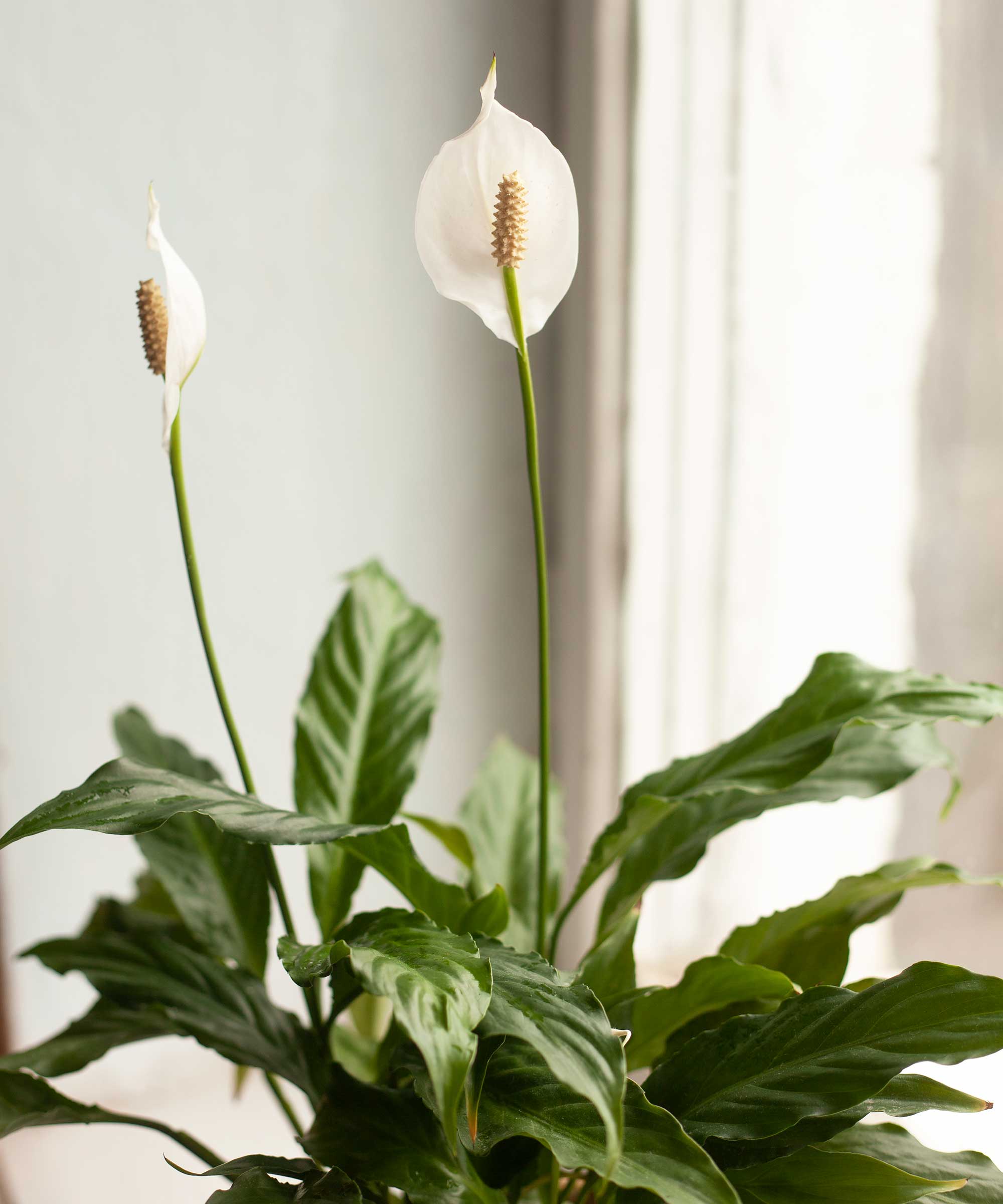
I always thought the Peace Lily (Spathiphyllum) was a little bit magical – elegant without being fussy, quietly commanding without demanding attention. In my childhood home, we had a cat, so it was always perched high on a corner table or shelf, safely out of reach. Even then, I was drawn to its glossy green leaves and crisp white blooms, which seemed to lift the whole room, brightening it in a way that felt effortless. It was one of those plants that looked like it belonged in a magazine spread, even amid the everyday chaos of a lived-in home.
You may like
What made it truly special was how forgiving it was. Miss a watering? Not enough light? No problem – it bounced back, leaves arching proudly as if nothing had happened. It quietly taught me that beauty doesn’t have to come with high-maintenance demands, and that a houseplant could feel both refined and easy to care for at the same time.
Now, I love bringing Peace Lilies into my own home. They thrive in indirect light, adapt to different corners, and look stunning whether tucked onto a shelf, displayed in a statement planter on the floor, or grouped with other greenery. There’s something comforting about their sculptural elegance, a quality that makes a space feel calmer, more considered, and effortlessly polished. Every time I see one, it reminds me of that subtle sophistication I admired as a child – and it still feels just as special today.
If you’re just starting your houseplant journey, I highly recommend the Costa Farms Live Indoor Plant Bundle in Decorative Pots from Amazon. It includes a peace lily and a snake plant – both low-maintenance favorites – making it easy to add structure, texture, and vibrant greenery to your home with minimal effort.
3. Boston Fern
(Image credit: Jade Zmith/Shutterstock)
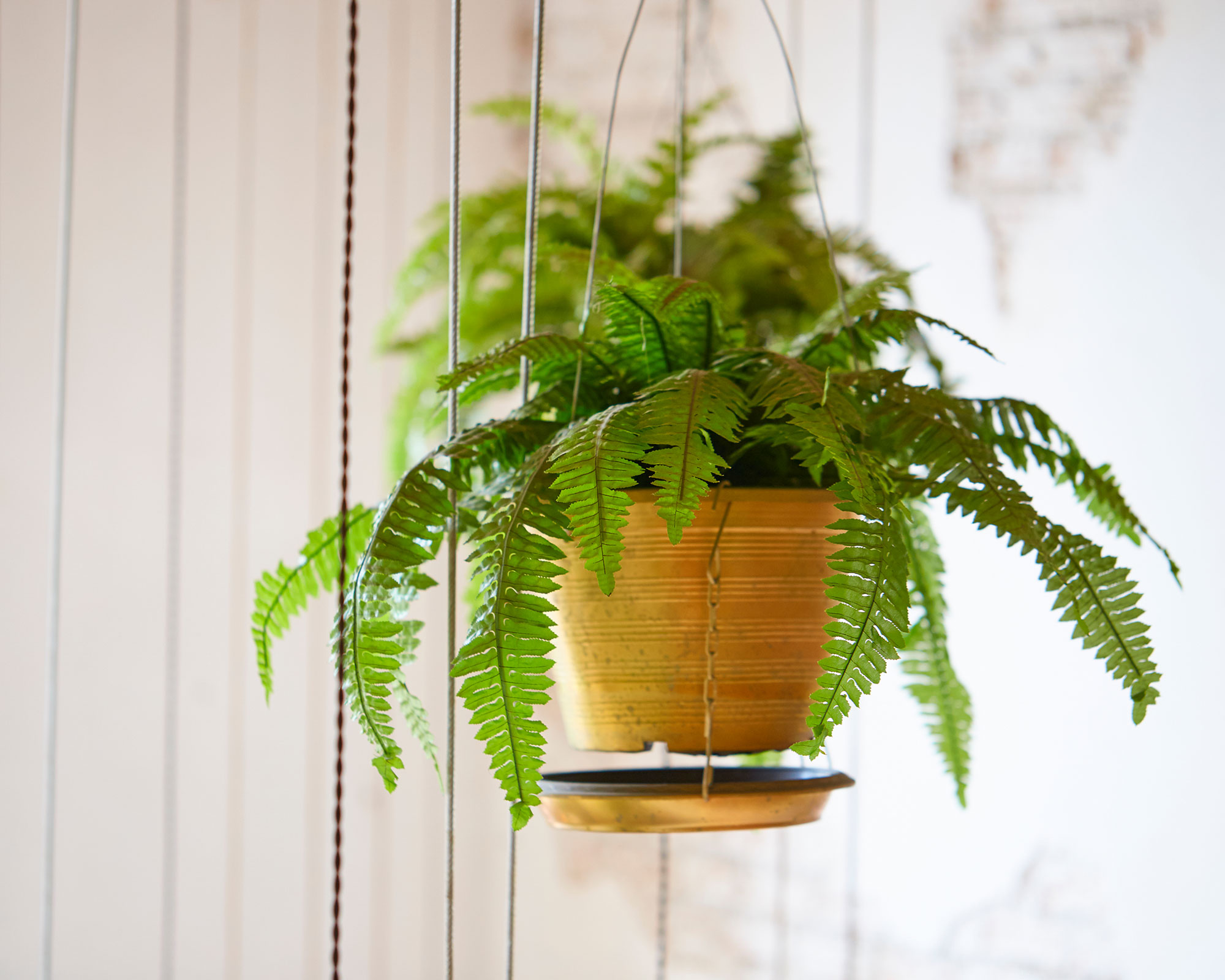
Boston Ferns (Nephrolepis exaltata) have a way of instantly taking you back. They were a staple in homes through the 70s, 80s, and 90s, often spilling gracefully from hanging baskets or tucked into sunrooms and kitchens. Their cascading fronds softened corners, added a sense of life to any room, and carried the unmistakable nostalgia of grandparents’ homes, sunlit mornings, and the first plants many of us ever grew or propagated. With their lush foliage and forgiving nature, they always felt approachable, comforting, and quietly timeless.
These days, Boston Ferns are making a real comeback as interiors embrace greenery, texture, and warmth. They purify the air, soften minimalist spaces, add gentle movement, and bring a sense of calm – all while carrying that little touch of nostalgia we all recognize. Practical yet visually striking, emotionally familiar yet effortlessly elegant, Boston Ferns are reclaiming their spot in modern homes, proving that some classics never really go out of style.
4. Rubber Plant
(Image credit: Elvira Kashapova / Moment / Getty Images)
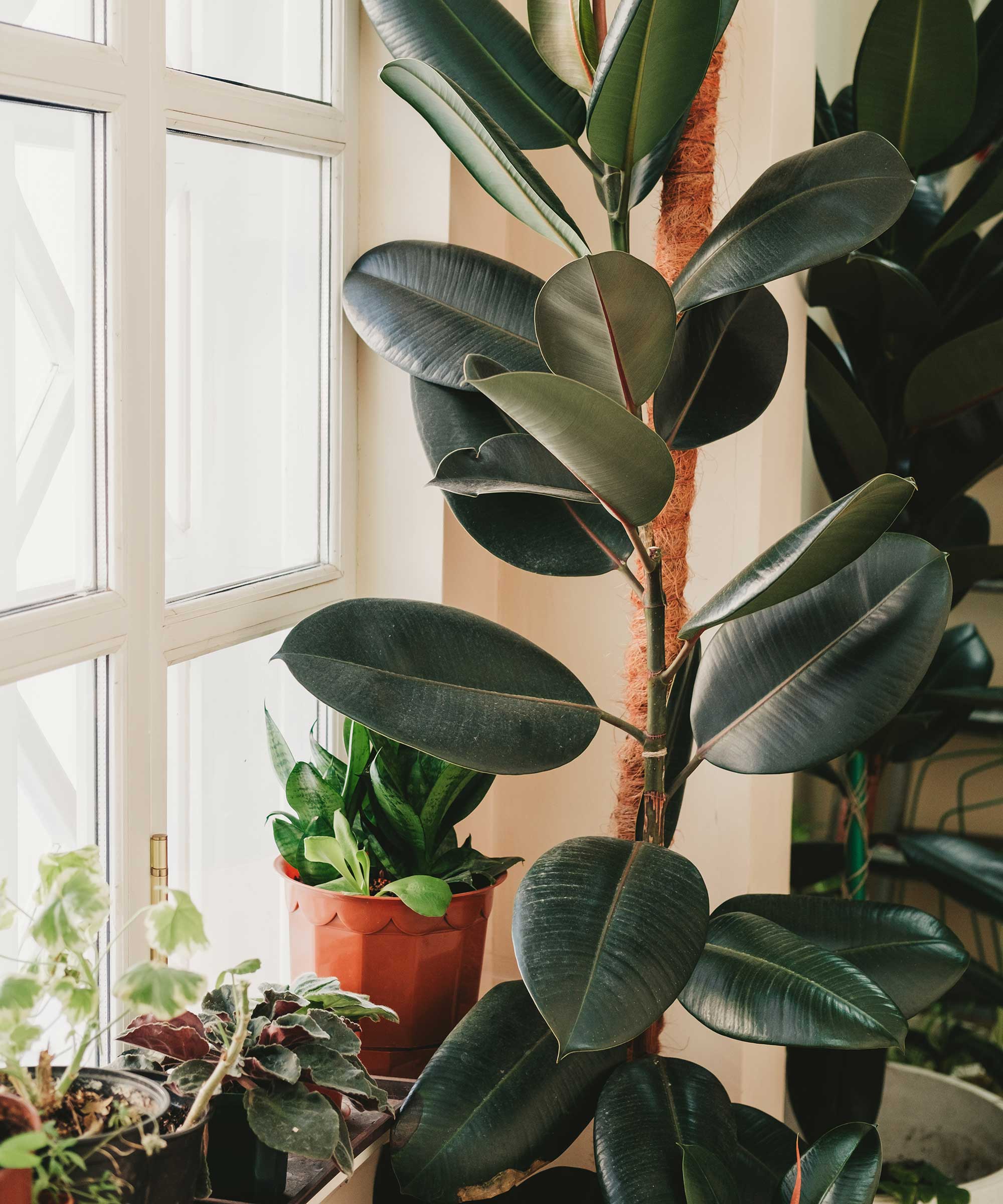
Rubber Plants (Ficus elastica) are instantly recognizable for their glossy, dark green leaves and strong, sculptural presence – a true hallmark of 90s interiors.
Back then, they were often tucked into corners or living rooms, catching the light and quietly elevating a space without ever feeling fussy. There’s something about them that feels reassuring: upright, steady, and resilient, which mirrors their easy-care nature. For many of us, they also carry memories of childhood homes and sunlit windows, making them a subtle yet powerful trigger for nostalgia.
Today, Rubber Plants are back in style, and it’s easy to see why. Their architectural shape and bold foliage fit perfectly with the modern love of greenery that doubles as design. They bring height, texture, and a sense of life to corners, shelves, or statement planters, complementing everything from minimalist to layered, eclectic interiors.
Stylish yet sentimental, Rubber Plants have earned their spot as a timeless classic – just as relevant now as they were in the 90s.
5. Jade Plant

(Image credit: malija via Getty Images)
The Jade Plant (Crassula ovata) was a quiet staple of 90s homes – the kind of plant you’d spot on a sunny windowsill or living room shelf, soaking up light without a fuss. Its thick, glossy leaves and sculptural shape gave it presence, and for many, it was the first plant that felt like a long-term responsibility rather than a seasonal fling.
Linked to prosperity and good fortune, Jade has made a stylish comeback. Its bold, architectural form works anywhere – a clean-lined shelf, a plant corner, or a single statement pot – and it’s incredibly low-maintenance, thriving on bright, indirect light, occasional watering, and a trim now and then.
What makes it timeless isn’t nostalgia alone. Those glossy, rounded leaves and sturdy stems give it quiet confidence, balancing sculptural beauty with ease. It’s familiar enough to spark memories of sunny windowsills, yet sleek enough to sit effortlessly in today’s pared-back, design-led interiors.
The Dwarf Jade Plant from Fast Growing Trees is an excellent choice if you’re looking for a low-light, drought-tolerant plant – and it’s currently on sale. I styled mine in the Checker Stoneware Planter from Target for a modern, on-trend look.
Outdoor Plants Making a Comeback
Not every garden trend fades with the decade – some plants quietly earned their place in our outdoor spaces and never let go. A few of the 90s’ most beloved favorites are still thriving, and some have even made a stylish return, bringing a fresh, effortless charm to modern gardens.
From flowers that fill borders with vibrant color to foliage that adds texture and movement, these five garden plants feel as timeless and comforting today as they did back then – beautiful in a way that never feels forced.
6. Lilacs
(Image credit: Christina Rollo / Alamy Stock Photo)
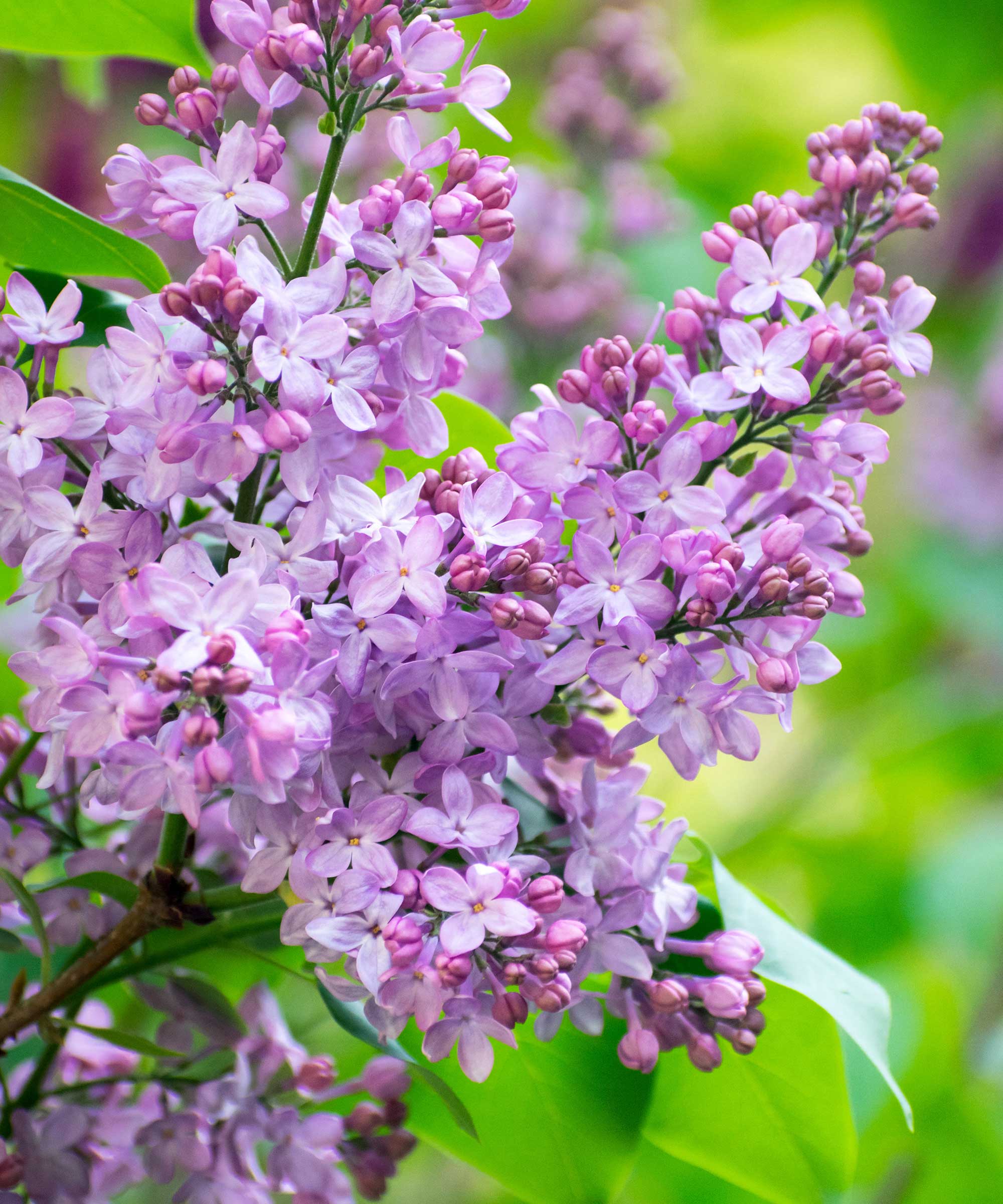
Lilacs were everywhere in 90s gardens, and for good reason. Those generous clusters of soft purple, lavender, and white blooms were impossible to miss, and the fragrance – drifting through open windows on a mild spring afternoon – felt like the official announcement that winter was finally over. It’s a scent that sticks with you. Few plants trigger memory quite as powerfully or as instantly. Traditionally, lilacs symbolize renewal and first love, and that sense of optimism still feels woven into every bloom.
It’s no surprise they’re finding their way back into modern gardens. People want more than a flash of color now – they want atmosphere, scent, and plants that mark the seasons in a meaningful way. Lilacs deliver all of that. Their upright, romantic shape anchors a border beautifully, softens a fence line, or makes an entrance feel considered and welcoming. Once established, they’re sturdy and dependable, returning each spring with impressive, almost celebratory blooms.
And beyond symbolism or nostalgia, they’re simply stunning – the kind of plant that makes you pause, breathe in deeply, and remember why you garden in the first place.
I love my lilac bush and keep it blooming beautifully year after year with this Lilac Fertilizer, available on Amazon. If you don’t already have a lilac bush, you might consider this highly rated Common Lilac Bush with stunning lavender-purple blooms – ideal for adding the timeless color and charm.
7. Hydrangeas
(Image credit: Getty Images)
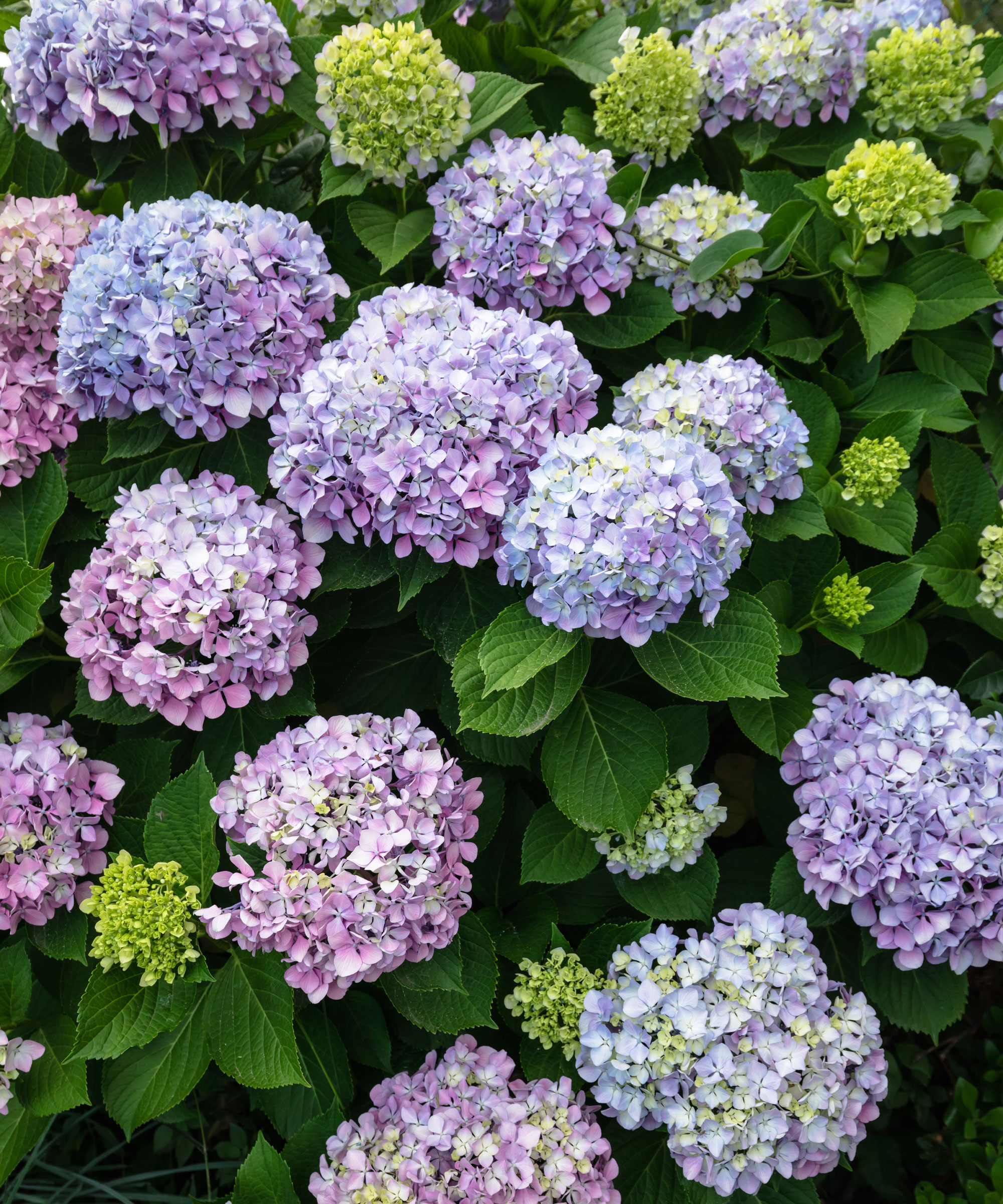
Hydrangeas are back in the spotlight, and honestly, it’s easy to see why. They were a defining feature of so many 90s gardens – those generous, cloud-like blooms spilling over paths and under windows, marking the peak of summer. For a while, they might have felt a little too familiar, but now that very abundance is exactly what’s drawing gardeners back.
Gardeners are looking for plants that feel expressive and full of life again, and landscaping with hydrangeas deliver like few others can. Their blooms are unapologetically generous, softening fences, anchoring borders, and giving structure without ever feeling rigid. They make a statement, but they do it effortlessly.
Part of their renewed popularity comes down to variety. Today’s hydrangeas bloom longer, offer richer colors, and come in more compact forms that work just as beautifully in containers as they do in larger gardens. They’re hardy, reliable, and generous – all qualities that feel increasingly valuable in modern planting schemes.
What’s truly striking is how well they bridge past and present. Hydrangeas carry that nostalgic charm, yet they don’t feel dated. In looser, more naturalistic borders or paired with ornamental grasses and muted perennials, they feel fresh, contemporary, and utterly charming. It’s that balance – familiar but modern – that’s brought them back into our gardens and firmly secured their place once more.
One of summer’s most romantic blooms, nothing elevates a garden bed or bouquet quite like a hydrangea. The Everlasting Revolution Hydrangea Plant from Burpee bursts into an explosion of long-lasting, perfectly formed blooms that are as stunning in the landscape as they are in a vase.
I’ll be styling my freshly cut hydrangea stems in the beautiful Eden Pitcher from Anthropologie – a charming vessel that turns simple blooms into a statement arrangement.
8. Hostas
(Image credit: Darrell Gulin / The Image Bank / Getty Images)
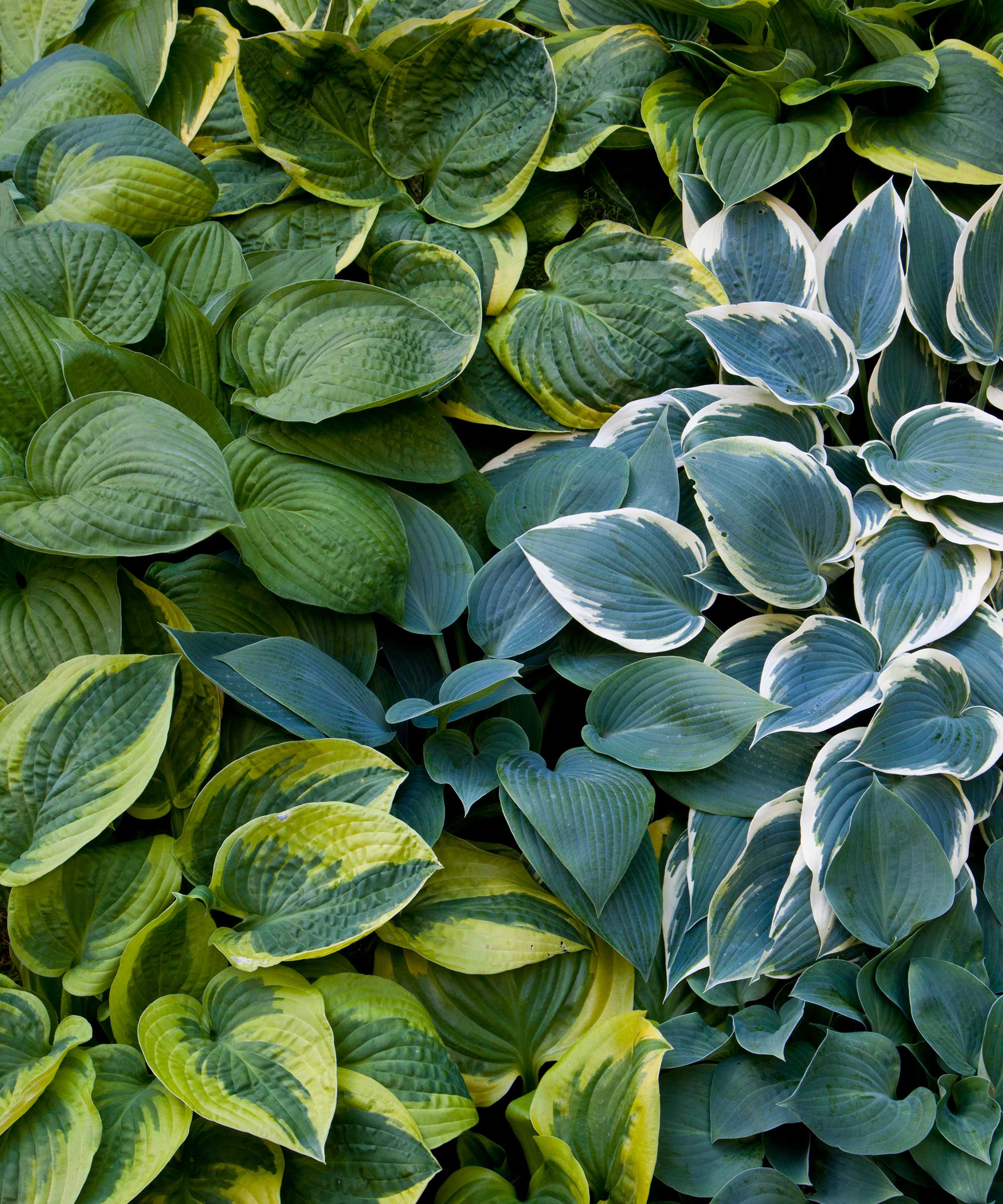
Hostas are quietly making a comeback, and it’s easy to see why. They were everywhere in 90s gardens, their textured leaves filling shady borders and adding effortless greenery where little else would grow. For a while, they were almost taken for granted, but now gardeners are rediscovering exactly what made them so special: reliable, versatile, and visually striking.
Perfect for shade gardens, hostas bring depth and layered texture to corners that often get overlooked. Their variety of leaf shapes, sizes, and colors – from soft chartreuse to deep blue-green – makes them adaptable to everything from serene garden retreats to bold, graphic borders. They pair beautifully with ferns, astilbe, and other shade-loving perennials, offering consistent foliage interest from spring through fall.
They don’t shout for attention, but their quiet elegance speaks volumes. Hostas give even the shadiest corners life and structure, making every spot feel considered and polished. It’s that understated charm that’s helping them reclaim their place in modern, north-facing gardens – proving that some classics never really go out of style.
My personal favorite, the Minuteman Hosta Bare Roots from Burpee, features broad, deep green leaves edged in bright white for a bold, classic look. This striking hosta not only adds beautiful contrast to shady garden beds but also attracts hummingbirds when in bloom.
9. Sweet Peas
(Image credit: Ken Leslie / Photographer’s Choice RF / Getty Images)
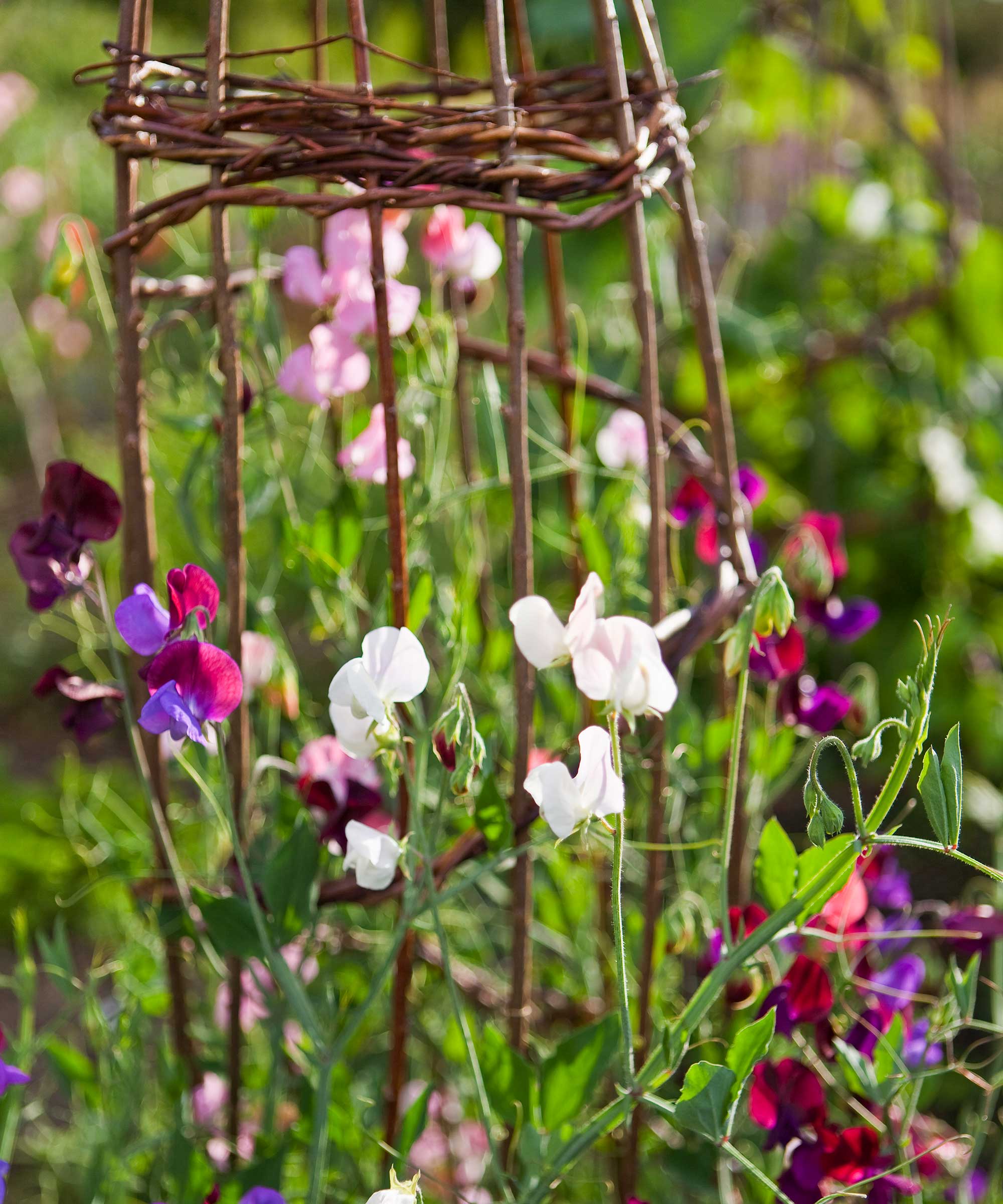
Sweet Peas were a true staple of 90s gardens – delicate, fragrant, and endlessly charming. As a child, I was always given seed packs as gifts, and there was something almost magical about planting them. Watching those tiny seeds climb, twist, and unfurl into cascades of pastel blooms never failed to feel like a little miracle. And the scent – that unmistakable, heady fragrance – could transform an ordinary summer afternoon into something unforgettable.
They’re back in style because gardeners are once again drawn to flowers that feel both effortless and intimate. Sweet Peas bring that classic cottage garden charm, climbing trellises, fences, or arbors, and add movement and fragrance even to the smallest corners. Today’s varieties bloom longer and come in a wider range of colors, making them perfect for the layered, sensory gardens people are craving now. Their return isn’t just about nostalgia – it’s about creating spaces that feel alive, personal, and joyful, just as they did in the 90s.
10. Hollyhocks
(Image credit: Jacky Parker Photography / Moment / Getty Images)
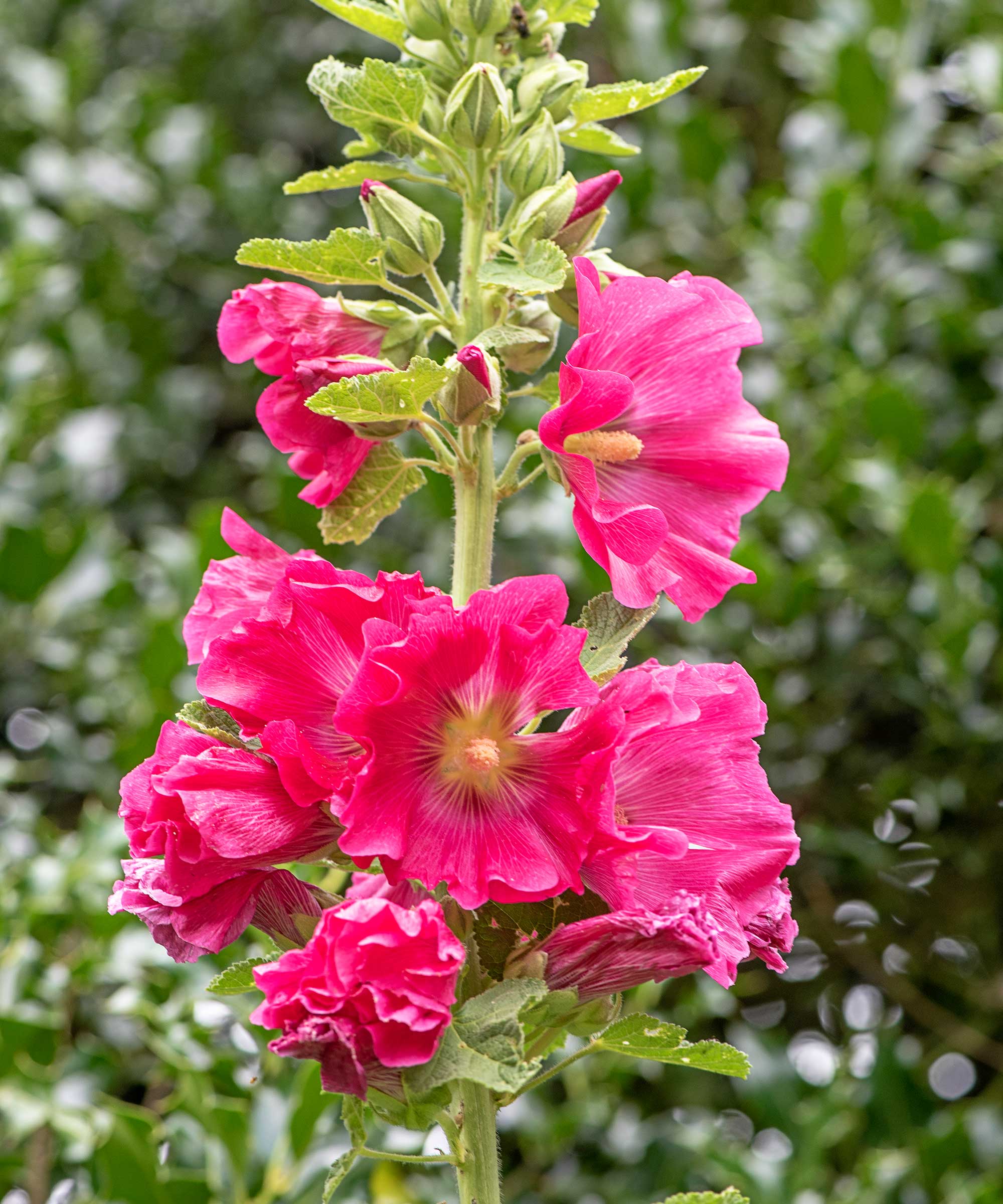
Hollyhocks were a hallmark of 90s gardens, lining fences, filling cottage borders, and shooting up in tall, colorful spikes that seemed to stretch straight toward the sky. There was something undeniably charming about their towering presence and ruffled blooms – even a small garden suddenly felt grand and alive. For many of us, they were a childhood favorite, the kind of plant that could turn a sunny patch of soil into a playful, almost storybook corner.
They’re back because gardeners are once again drawn to drama, height, and that sense of whimsical abundance. Modern planting favors texture, layering, and plants that make a statement without feeling fussy – and hollyhocks deliver all of it.
Their vertical growth draws the eye upward, while soft, frilly flowers add color and a touch of nostalgia to any maximalist border or flower bed. Hardy, low-maintenance, and endlessly striking, they work beautifully in cottage gardens, mixed borders, or even as a backdrop for climbing vines.
Hollyhocks aren’t just beautiful – they feel familiar, joyful, and full of personality. That mix of whimsy, reliability, and visual impact is exactly why this 90s favorite is reclaiming its place in contemporary gardens, bringing outdoor spaces that effortless, lived-in charm once again.
If you’re looking to bring a touch of vintage charm to your garden, the Country Romance Mix Hollyhock Plants from Burpee are a beautiful choice. This hard-to-find, old-fashioned perennial bursts with vibrant, cottage-style color – perfect for adding height, romance, and timeless appeal to your backyard beds and borders.
These plants aren’t just making a comeback because they’re trendy – they’re back because they bring something a trend never can. They carry memory, comfort, and that unmistakable sense of home, while effortlessly adding color, texture, and life to any space.
Whether spilling from a sunny windowsill or climbing a garden fence, these beloved favorites remind us why some plants never go out of style – they just feel right.
TOPICS
Houseplants
Plants
Comments are closed.