
Gardening experts warn that three very common plants can become invasive, taking over gardens and damaging native plants
Angela Patrone Senior Lifestyle Reporter and Ellen Jenne U35 Spare Time Writer
08:49, 15 Feb 2026
Gardening experts warn that three very common plants can become invasive, taking over gardens and damaging native plants(Image: WICHAI BOPATAY via Getty Images)
Gardening can be incredibly rewarding, but occasionally the plants we select can become persistent invaders, overwhelming our carefully maintained spaces. Some varieties appear charming and promise low maintenance, only to eventually dominate your garden, monopolising the soil and leaving you locked in an endless struggle to control them.
Particular plants can outcompete indigenous species, damage soil quality and disrupt the local ecosystems within your garden. By grasping the reasons behind their detrimental impact, gardeners can make better-informed choices and avoid repeating the same mistakes.
Three gardening specialists have revealed which plants “you’ll wish you never planted” in your garden, and just what damage they can cause.
1. English ivy
Ivy can look appealing on walls or as ground cover, but it’s quite another matter when it infiltrates roof spaces, cracks in brickwork or mature trees, reports the Express. The plant spreads through trailing vines that establish roots wherever possible and scale any nearby surface.
Gardening expert Ashley Hanson from Backyard Boss cautioned that once the plant gains height, it blocks sunlight and adds weight that puts stress on trees and shrubs.
She explained: “Thick mats form at ground level and prevent native plants from emerging. If left alone, the ground cover plants shift entire planting areas into monoculture.”
2. Morning glory
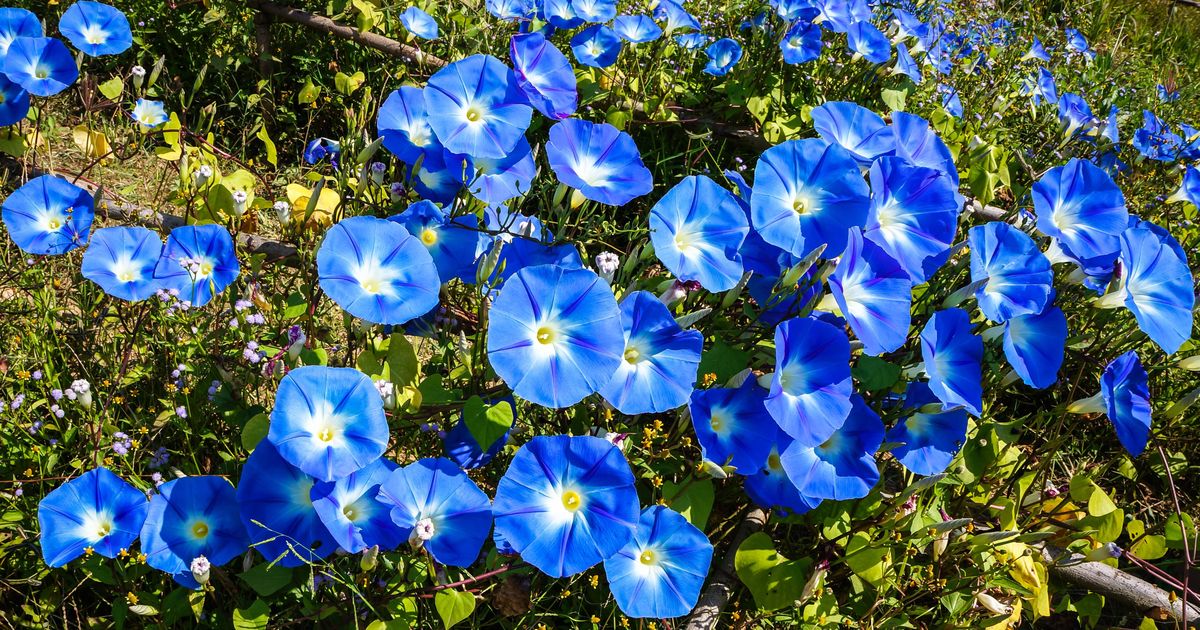
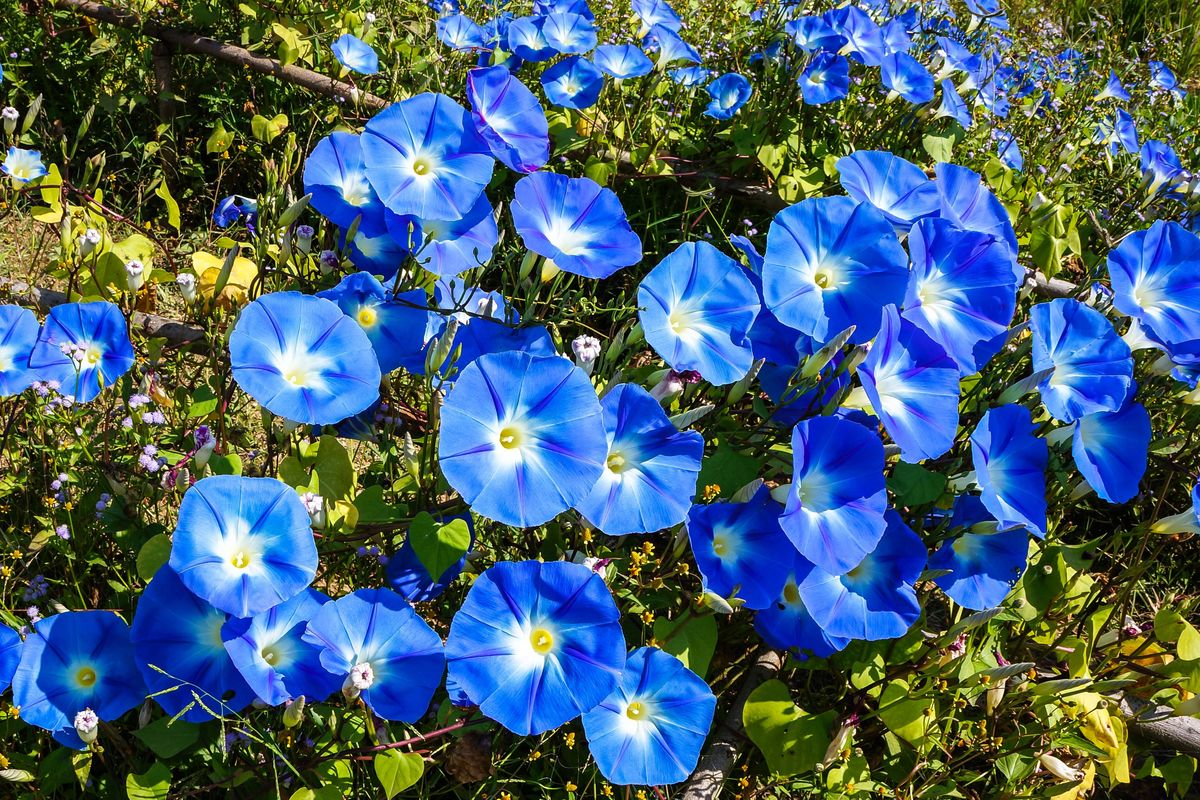
With beautiful heart-shaped leaves and vibrant trumpet flowers, it’s hard not to love morning glories. They are enchanting and cheerful.
Understandably, you would want to feature them in your garden. Once you embark on this journey, you’ll likely find yourself wrestling with dense, entangled greenery that will encroach and smother everything in its path, leading to a situation where “you’ll wish you never planted them”, warned gardening guru Tracey Besemer from Rural Sprout.
She elaborated that the plant will take root wherever there’s a node along the stem, sending additional runners into the soil.
Tracey cautioned: “Eradicating morning glory once it gets hold takes considerable energy and time, sometimes spanning years. The seeds can lie dormant in the ground for decades.”
3. Rhododendron ponticum
Plant aficionado Sarah Whitmore at The Nature Network pointed out that this particular rhododendron species is “highly invasive in the UK”, spreading through woodlands and suffocating native plants.
Its removal can prove difficult due to its robust roots and its capacity to regrow from cut stumps.
If you’re partial to rhododendrons, choose non-invasive varieties. This way, you can savour the blossoms without contributing to a significant environmental problem.
If you want ideas and inspiration to plan your next UK adventure plus selected offers and competitions, sign up for our 2Chill weekly newsletter here
Comments are closed.