
Question: After the recent freeze, there are lots of open areas in my flower garden. When can I start seeds of zinnias and marigolds to grow transplants for these areas?
Answer: Start the warm season bedding plant seeds now to have transplants in about six to eight weeks. Seeds can be sown in small pots or cell packs. Normally, zinnias and marigolds give good germination so one or two seeds can be sown in each small container or cell filled with potting soil or a germination mix. If more than one seed germinates then you can remove one to transplant or discard. Keep the seeded containers moist and in a warm location until shoots are noted. Then provide a full sun location. Caring for the seedlings may mean moving the plants outside during warm days and back inside when nights are below 40 degrees Fahrenheit.
Q. I have several containers of caladiums that died back before the freeze but were left out in the cold. Will the plants grow back from the bulbs in spring?
A. Hopefully the containers of soil insulated the caladium bulbs, which are actually tubers, from the freeze. The very cold temperatures could have affected the tubers making them slow to regrow for spring. As temperatures warm, dig down in the containers of soil to check the caladiums. Chances are the tubers are still firm and ready for spring growth.
Q. During the freeze I saw a number of yards that were watered and there was ice on the shrubs and lawns. Does this help protect the plants from the cold?
Plant Doctor: Don’t get too attached to pots with blooming hyacinth bulbs
A. Actually, the ice probably did more harm than good. During a freeze you may hear or see reports of growers using water to form ice over their plantings. When water freezes it provides a layer of insulation and heat that can protect plants and crops. Growers are prepared to put water to this use. Regretfully the use of water for protection is a bit tricky. There has to be a constant and uniform application of water at a certain rate. If wind blows the water away from the plants it is not effective and may allow the plants to freeze. Also, the water has to be applied until the freeze is over and ice melts from the plants. Few home irrigation systems are set up for use as cold protection. Also. residents usually do not run them until the ice melts and the weather warms above freezing. The result is usually super cooled plants below freezing that suffer major damage. The damage is more then if irrigation was not used and the plants covered with tarps, blankets or sheets.
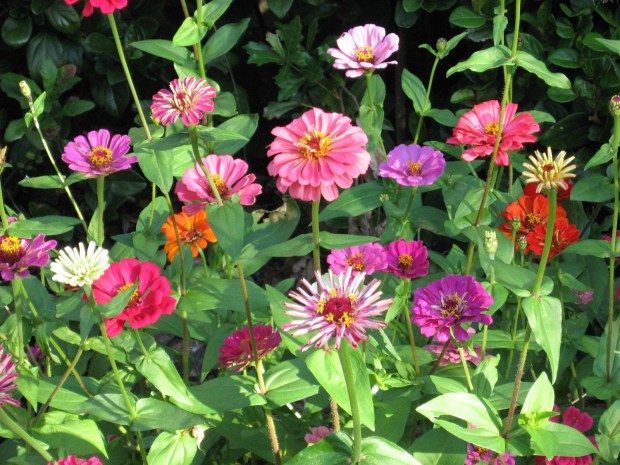 Start seeds for zinnia and other warm season bedding plants now to have transplants in about six to eight weeks. (Courtesy of Tom MacCubbin)
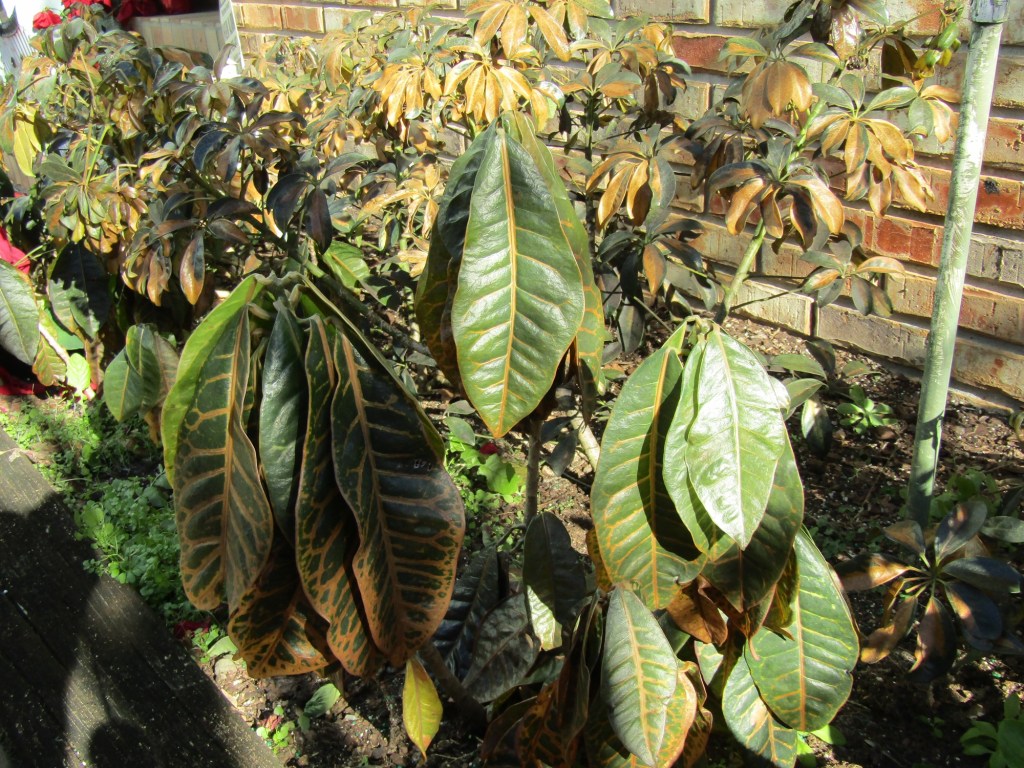
Q. A number of plants like crotons in my yard were damaged by the freeze. Will they recover and what should I be doing?
A. Most tropical type plants, like crotons, don’t like freezes. Some others that would be affected include dwarf schefflera, dracaenas, begonias, ficus, philodendrons, aglaonemas and peace lilies. If left exposed to freezing temperatures for even a short period of time, leaves are going to be lost. During longer exposures stems are going to be killed. Even if covered during extended freezes, as is the case with the recent one, these plants could have suffered severe damage. After about a week or two of warm weather check your plants and note the extent of decline. If the stems are green they should recover with new growth. Dead or declining stems and leaves can be pruned back into healthy portions. In some cases this may be to the ground. Plants that have declined to the ground may still recover, but it could take months to see new growth from buds at or below ground line.
Q. Our landscape maintenance company cuts back ornamental grasses at this time of the year and removes the trimmings. Could they be left as a mulch much like pine straw?
A. If you don’t mind the mess, these narrow-leaved plant portions could be left as a mulch. Keep the trimmings to a few inches thick when compacted to form a mulch layer that allows good air and water movement into the soil.
Q. Several palms were added to my landscape during fall but they are not growing. How do I care for the palms to promote growth?
February in the Garden for Central Florida
A. Palms are not cool weather fans so don’t expect much growth until the warm spring days. Newly planted palms also start reestablishing their root systems before making the top growth you desire. Your landscape additions should be ready to start new fronds shortly. Help palms become established by keeping the soil moist and providing the first feeding with an 8-2-12-4 mg or similar fertilizer in March. This analysis was developed by the University of Florida and is available at some garden centers and landscape suppliers. It is applied every three to four months to all palms as permitted during the warm weather. You can also remove dead fronds but leave all with any green to help encourage growth.
Q. Can I transplant established azaleas and what is the best way?
A. Now is the time to move all established trees and shrubs while they aren’t making growth or are dormant. With azaleas, form a root ball by digging down and under the plants, start about six to eight inches from the base. Make sure the plants to be moved have been thoroughly watered the day before the move. Try to keep as much soil as possible intact with the root system during the move. When in the new site keep the plant moist and treat like a new transplant for the first few months to a year. Azaleas need more time to become reestablished than other shrubs.
Tom MacCubbin is an urban horticulturist emeritus with the University of Florida Cooperative Extension Service. Write him: Orlando Sentinel, P.O. Box 2833, Orlando, FL. 32802. Email: TomMac1996@aol.com.
Comments are closed.