

Lots of us probably have old wine corks lying around, and you need to stop throwing them away. Instead, people have been urged to place them in the garden in February instead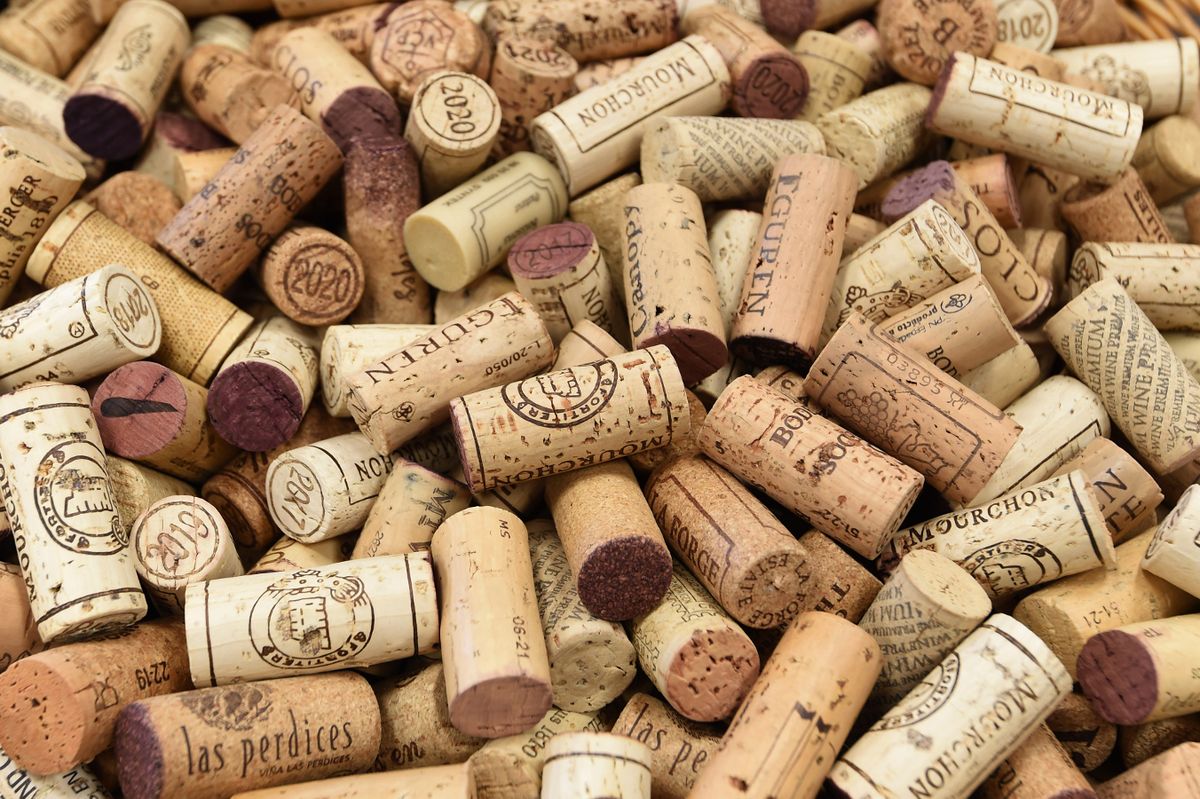
Wine corks should be placed in the garden (stock image)(Image: Andrew Teebay Liverpool Echo)
From time to time, people are encouraged to repurpose unexpected household items outdoors, and the latest tip doing the rounds is certainly raising eyebrows. Wine lovers, take note, as those corks you’ve been chucking in the bin could actually prove invaluable in your garden.
A specialist has revealed that wine corks serve a surprisingly effective purpose outside, meaning you’ll want to start saving them immediately. Whilst it might sound far-fetched, this expert guidance is well worth heeding, as you could be discarding a brilliant natural pest repellent.
Gardening guru Allan Jeffrey from Ultra Decking explains that natural cork, when crumbled and strategically positioned in trouble spots throughout your garden, can help keep unwanted insects and pests at bay, particularly around decking where these creatures typically congregate.
Allan explained: “Decking can be the ideal environment for unwanted insects and other crawling garden pests. It provides shelter, trapped moisture and lots of tiny gaps that stay dark and damp, making it ideal for ants, slugs, snails and woodlice.”
However, cork offers a humane solution that doesn’t eliminate pests but simply makes the environment less appealing to them. Simply break it into pieces and distribute around tight spaces and troublesome zones in February.
Its quick-drying properties help soak up surplus moisture whilst creating an uneven texture that insects find off-putting. Allan suggests sprinkling fragmented cork along raised bed perimeters and in shadowy corners where bugs tend to congregate, noting: “You can also place it along fence bases, as leaf build-up and poor airflow may make it attractive for insects,”
Alternatively, you can shred or grate the cork and scatter it across troublesome spots, though it’s worth managing expectations about what it can achieve.
Allan stresses it won’t substitute proper garden care, but it does offer a straightforward, chemical-free method to make your outdoor space less inviting to unwanted visitors. What’s more, it needn’t break the bank, as the chances are you’ve got a few old wine corks knocking about already.
It’s also completely safe around other animals and household pets. Because natural cork degrades slowly, it’ll keep working for months before needing replenishment.
For optimal results, though, Allan suggests pairing cork with routine maintenance, explaining: “Clear away debris, keep decking dry and remove any standing water. Cork works better as a wider approach to pest control, not on its own.”
What are the advantages?
You might be surprised to learn that natural wine corks serve as an effective, environmentally-friendly pest repellent for fruit flies and garden nuisances. Placing clean, dry natural corks in fruit bowls helps absorb moisture whilst releasing a scent that keeps fruit flies at bay.
In outdoor settings, chopped or intact natural corks form a rough barrier that puts off snails and slugs. The crucial factor is ensuring you’re using genuine natural cork.
They can be chopped and positioned outdoors to function as a lightweight, moisture-retaining mulch that simultaneously prevents weed growth. Additionally, shredded cork makes an excellent addition to potted plants, enhancing both aeration and drainage.
If you’re planning to give it a go, just remember that lighter cork pieces might get washed away in heavy downpours, meaning you may need to replace them.
For those battling a more serious pest problem, additional measures might be necessary to tackle the issue. Don’t hesitate to seek further expert advice if required.
Comments are closed.