
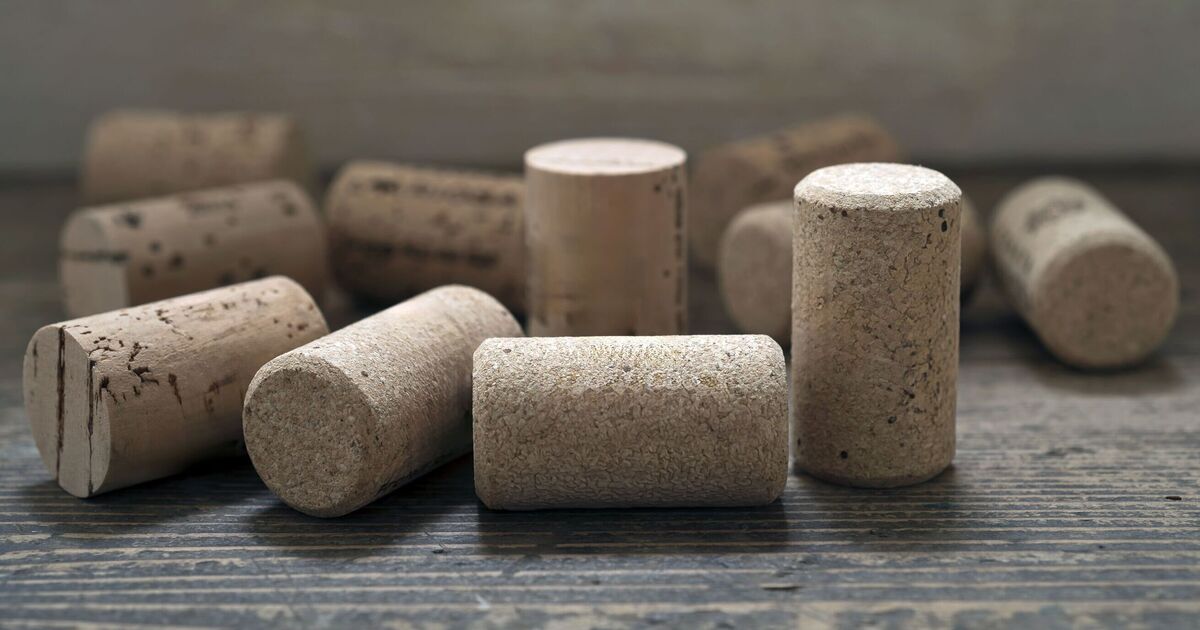
Wine corks can be placed in the garden (stock image) (Image: Getty)
Every now and then people are told to put unusual things in their gardens, and another piece of such advice has recently been shared. If you’re someone who enjoys indulging in a glass of wine, you may want to stop binning your corks, as they can come in handy for a vital purpose.
According to an expert, they acutally have a super important use in your garden, so you should stop binning them straight away. While it may seem a bit out there, it’s expert advice worth listening to, as you could be throwing away a useful pest deterrent.
According to gardening expert Allan Jeffrey at Ultra Decking, natural cork can discourage insects and pests when broken up and used in problem areas of the garden, especially around decking where pests love to hide.
Allan explained: “Decking can be the ideal environment for unwanted insects and other crawling garden pests. It provides shelter, trapped moisture and lots of tiny gaps that stay dark and damp, making it ideal for ants, slugs, snails and woodlice.”
But cork, which works by not killing pests but making the area less inviting, can be broken up into chunks and placed around small gaps and problem areas. It dries quickly and absorbs excess moisture while creating uneven surfaces, which insects don’t like.
Read more: Hedgehogs will return to garden if common item is placed outside in February
Allan recommends scattering broken cork along the edges of raised beds and in corners where insects hide. “You can also place it along fence bases, as leaf build-up and poor airflow may make it attractive for insects,” he added.
Another way to use it is to shred or grate the cork and apply to visible problem areas. This isn’t a miracle cure, however.
Allan says it won’t replace good garden maintenance, but it is a simple and chemical-free way to make your garden less attractive to pests. Even better, it doesn’t have to cost that much and you likely have a few old wine corks hanging around.
It’s safe for other animals and pets too. Natural cork is slow to break down, which means it’ll last for months before you need to top it up.
But, for the best results, Allan recommends combining cork with basic upkeep. He added: “Clear away debris, keep decking dry and remove any standing water. Cork works better as a wider approach to pest control, not on its own.”
Why is this beneficial?
Little you may know, natural wine corks act as an effective, eco-friendly pest deterrent for fruit flies and garden pests. Putting clean, dry natural corks in fruit bowls absorbs moisture and releases a scent that repels fruit flies.
Meanwhile, in gardens, chopped or whole natural corks create an abrasive barrier that deters snails and slugs. The key is to ensure you use natural cork.
You can chop them up and place them outside to use them as a lightweight, water-retaining mulch that also suppresses weeds. As well as this, shredded cork can be added to potted plants to improve aeration and drainage.
If you’re going to try it out, you just need to bear in mind that light cork pieces may wash away during heavy rain. This means they may need to be replaced.
For those with a severe pest problem, it may also take further measures to remedy the issue. Seek further expert advice if needed.
Comments are closed.