
As daylight slowly increases each day, your gardening fever may be slowly building, even if there’s still snow on the ground or you can’t leave the house without a thick coat. It may still be cold outside in many regions, but store shelves are stocked with outdoor furniture, grilling essentials, seeds, and dreams of warmer days and beautiful gardens. February is actually a great time to browse the seed section and plan for the warm-weather planting spring will bring. Many seeds can be started indoors rather than waiting for direct sowing when warm weather arrives. The extra time means your seedlings will be ready to plant as soon as the soil warms, and you won’t have to wait for the seeds to grow. Plan to start seeds about eight weeks before the last frost in your area. From leafy greens to herbs, check out this list of seeds to start in February so you can get a jump on spring harvests.
Determine Your Last Frost Date
To determine the best time to start your seeds, contact the local extension office in your area for the last frost date. In the South, the date can range from late February in the Deep South to mid- to late March in the Lower South and in April in colder regions. Starting seeds indoors can begin from six to 12 weeks before the last frost date, depending on the plant, so use the recommended number of weeks on the seed package to count backward from the frost date to learn the best time for planting.
Snapdragons
Credit: Fitria Ramli/EyeEm/Getty Images
Starting flowers like snapdragons early can ensure you’ll have earlier blooms. They like the cool temperatures in spring and fall, but they take time to germinate. An early start gives them more time to flourish before temperatures become too hot and cause them to bolt. Seedlings will have strong stems that aren’t too leggy to survive transplanting and light frosts. Start snapdragon seeds indoors eight to 10 weeks before the last frost date. Make sure not to cover the seeds with soil when planting. You only need to lightly press them into the soil so they’ll get direct light, about 16 hours each day is good. Use a heat mat to keep the temperature at 65ºF.
Petunias
Credit:
Getty Images
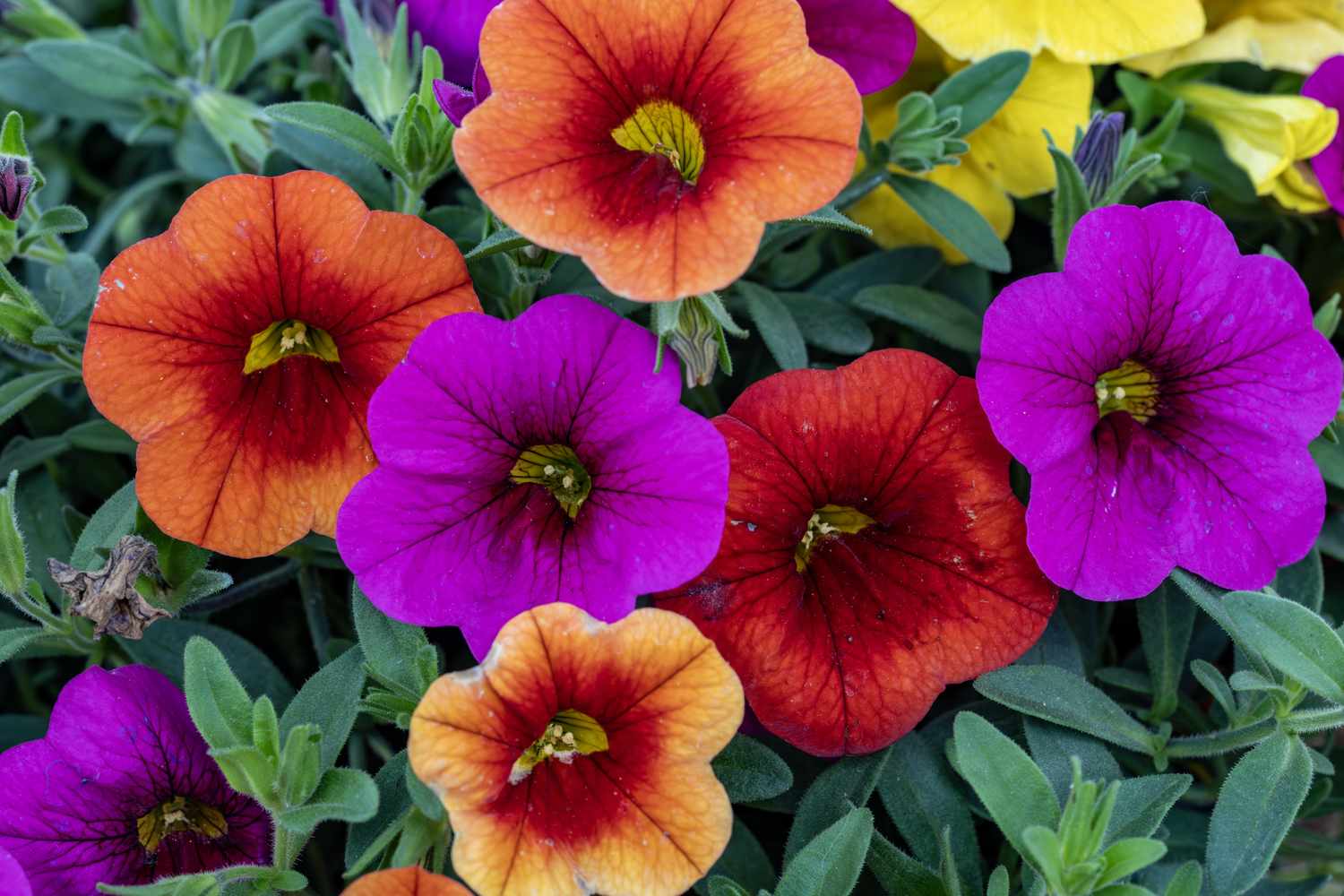
Petunias are well-suited for growing in hanging baskets, as ground covers, or in container gardens. The slow-growing flowers can benefit from being started indoors so they’re ready for spring blooms. They take about 10 weeks to mature, so start them in February in colder regions. Press the seeds lightly into the soil’s surface so they’ll get enough light to germinate, and keep the temperature between 70 and 85ºF. Don’t transfer the seedlings to your garden until the threat of frost has passed. Harden off young petunia plants by gradually increasing their time outdoors each day before you leave them outdoors for the season.
Herbs
Credit:
Zhuqin Chen/Getty Images
Get your herb garden ready. Dill, chives, cilantro, rosemary, sage, parsley, oregano, and thyme benefit from a head-start so they can develop strong roots, and you’ll have earlier harvests. Use grow lights and heat mats to counter shorter, cooler days. In addition to natural light, grow lights can help you provide 12 to 14 hours of light a day during the critical early phase of herbs’ growth, while heat mats will encourage germination. Mist the soil instead of overhead watering, which can disturb the seeds. Once seedlings emerge, water the pots from the bottom.
Peppers
Credit:
GomezDavid/Getty Images
Some pepper varieties, particularly hot ones, can take up to six weeks to germinate. Starting slow-growing varieties indoors in February can ensure they stay warm and moist, and that they’ll be ready to plant in warmer weather to take full advantage of the growing season. Start them eight to 10 weeks before your area’s last frost date, using a heat mat and grow lights to encourage germination. Look for hot varieties like jalapeño and habanero, sweet types such as California Wonder and Lunchbox, and others like pepperoncini and poblanos that can take a long time to mature.
Brassicas
Credit:
Luka Pollak/Getty Images
Cruciferous vegetables like broccoli, cauliflower, kale, Brussels sprouts, and cabbage are part of the Brassicaceae family. Starting these cool-weather vegetables early can mean earlier harvests and more time to enjoy them. Because of their long growing season, starting their seeds indoors in February means they will have more time to establish and will mature before the heat of summer kicks in—and you’ll have better success. Provide plenty of light and warmth to keep them from being too leggy.
Hollyhocks
Credit:
Ralph Lee Anderson
Hollyhocks love the sun. Their nearly 8-foot-tall stalks are strong enough to support numerous saucer-shaped blooms that bring cottage charm to any garden. Starting hollyhock seeds indoors allows you to enjoy their dramatic blooms even longer. The early start gives the plants time to develop the strong roots that are ideal for transplanting. Start the seeds in biodegradable pots to minimize any disturbance to their fragile taproot and avoid transplant shock.
Comments are closed.