
Berry plants are perfect for container gardening, allowing you to enjoy fresh fruit at home while using space efficiently. Container gardening also makes it easy to reposition plants to ensure they get optimal sunlight or to protect them during colder months.
By selecting compact, self-pollinating varieties, growing berries is straightforward and fun. Berries thrive best in full sun, requiring about six to eight hours of direct sunlight daily. Some of the top choices for container gardening include strawberries, blueberries, raspberries, and blackberries, as these varieties are well-suited for pots due to their shallow root systems. When selecting a container for your berries to thrive in, choose one that is 16 to 20 inches deep and wide with adequate drainage holes.
Here’s a look at the best berry options for container gardening, along with expert care tips to guarantee a plentiful harvest.
Day-Neutral Strawberries
Strawberries Growing in a Hanging Basket.
Credit: Oksana Struk/E+/Getty Images
Strawberries have shallow root systems, allowing them to grow well in containers, says Marvin Pritts, professor of horticulture in the School of Integrative Plant Science at Cornell University. Cultivate container strawberries in a soilless mix rather than garden soil to prevent compaction. An ideal blend consists of 60 percent coco coir or peat moss, 20 percent perlite, and 20 percent fine compost. “While soilless media are excellent for root growth, they do dry out faster than regular soil, so it’s important to monitor the container and water it almost every day,” says Pritts.
A bonus of growing day-neutral strawberries is that they will produce fruit in the same year they are planted, as they do not require a winter chilling period to initiate flowering.
Dwarf Blueberries
Credit:
Getty Images
Dwarf blueberries are perfect for container gardens due to their small size. In addition to their tasty fruit, blueberries provide ornamental interest year-round. “The foliage is very attractive with many varieties having pink or red-tinged new growth in the spring, glossy green leaves in the summer, and then vibrant fall color,” says Lisa Rayburn, area extension agent at the North Carolina Cooperative Extension Service.
However, these berries need a chilling period to break dormancy and cannot be brought inside a warm house during the winter. “While some exposure to cold is necessary for plants, excessive cold can be harmful, especially for those in pots left outdoors during winter,” Pritts says. He suggests moving the plants into an unheated garage after the leaves drop in autumn and bringing them back outside when spring arrives. It’s essential to keep the berries well-watered while indoors, even if they are not actively growing. Also, blueberries require a low-pH soil mix to thrive.
Dwarf Raspberries
Credit:
nitrub / Getty Images
Raspberries can be very productive when grown in containers and will produce fruit the season after being planted, says Rayburn. The delicious berry is self-fertile, meaning the plants can produce berries without needing another variety to cross-pollinate. When planting, choose a high-quality potting mix that is slightly acidic, and add a 1- to 2-inch layer of bark on top to help keep the soil moist.
Raspberries need a period of cold weather to break dormancy and produce fruit. To help the plants survive the winter, insulate the roots by wrapping burlap or cloth around the pot after they have broken dormancy. Place the pot in a sheltered location, such as a porch, garage, or shed. If you live in a warm climate, consider choosing a low-chill raspberry variety.
Dwarf Blackberries
Credit:
Iuliia Bondar / Getty Images
Blackberries are an excellent choice for container gardening and can produce fruit in the same year, says Rayburn. However, they do require a lot of space to grow, so it’s advisable to select a variety like Baby Cakes, which grows in a mound rather than with long, spreading canes. Rayburn notes that blackberries are self-fertile and do not need another plant to produce fruit.
For optimum growth and fruit production, provide high-quality potting soil amended with compost. It’s essential to keep the plant moist but not waterlogged, as containers can dry out quickly. Prune blackberries in early spring by removing dead canes and applying a slow-release, balanced fertilizer every few weeks during the growing season.
Currants
Credit: Anfisa Kameneva / EyeEm / Getty Images
When it comes to container gardening, currants are generally an excellent choice, Pritts says. They have a compact growth habit and can thrive in containers as long as they receive adequate sunlight and proper care. While they are not true dwarfs, red and white currants can be easily maintained at a manageable height of 3 to 5 feet when grown in pots. Varieties such as Rovada, Red Lake, White Imperial, and Pink Champagne are particularly well-suited for container gardening.
To start, select a container 10 to 12 inches in diameter for young plants, and transition to a larger 15- to 20-gallon pot as they mature. Use high-quality, soil-based compost to provide essential nutrients and stability for your growing currant plant.
Gooseberries
Credit:
Avalon_Studio / Getty Images
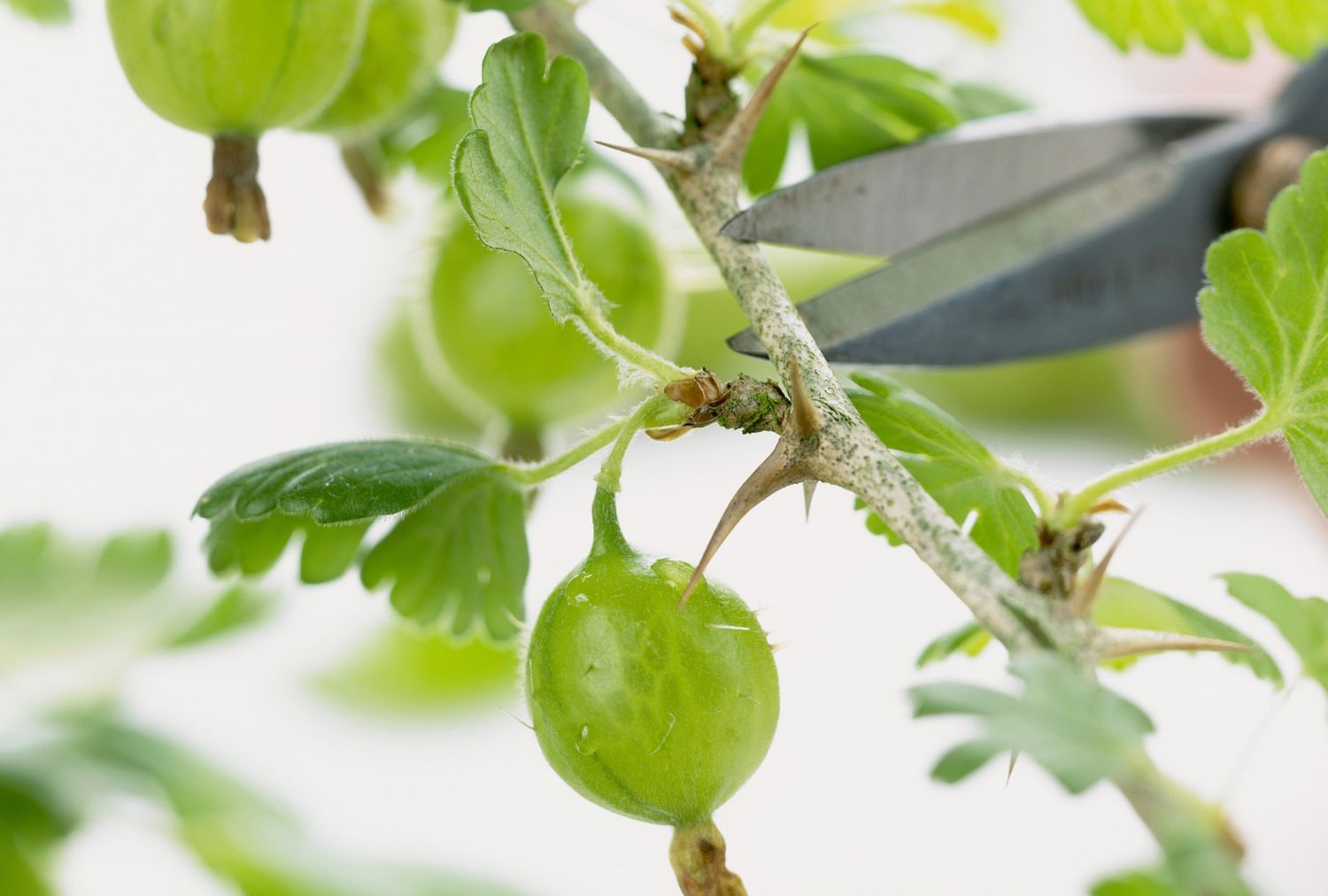
Gooseberries are naturally compact, shallow-rooted, and highly productive plants. Pritts recommends the prolific plant for container growing as it is self-fertile, hardy, and easy to maintain in pots. When ripe, the berries offer a sweet-tart flavor profile with a unique, sharp, and tangy taste reminiscent of sour grapes or rhubarb.
Gooseberries are small, typically the size of small grapes or peas, and are usually round in shape. They can be cultivated as bushes or trained into compact cordons, which requires little space. For optimal results, choose a pot at least 10 to 15 gallons big with adequate drainage holes. Ensure the soil stays moist but not waterlogged, and consider selecting a compact variety, such as Pixwell or Hinnomaki Red.
Comments are closed.