
Key Points
Use winter to review last year’s garden and plan a better layout for the coming season.Stock up on seeds, tools, and supplies now so you’re ready to plant on time.Start seeds indoors to save money and get a head start with minimal space.
A little planning goes a long way in the vegetable garden, and time is available now to prepare. Here are tasks you can accomplish before planting begins to improve this year’s harvest.
Review Last Year’s Garden
A review of last year’s garden directs efforts for the upcoming season. Consider performance and harvests along with ways to improve conditions for plants that struggled or produced less than satisfactory yields. Here are five factors to evaluate.
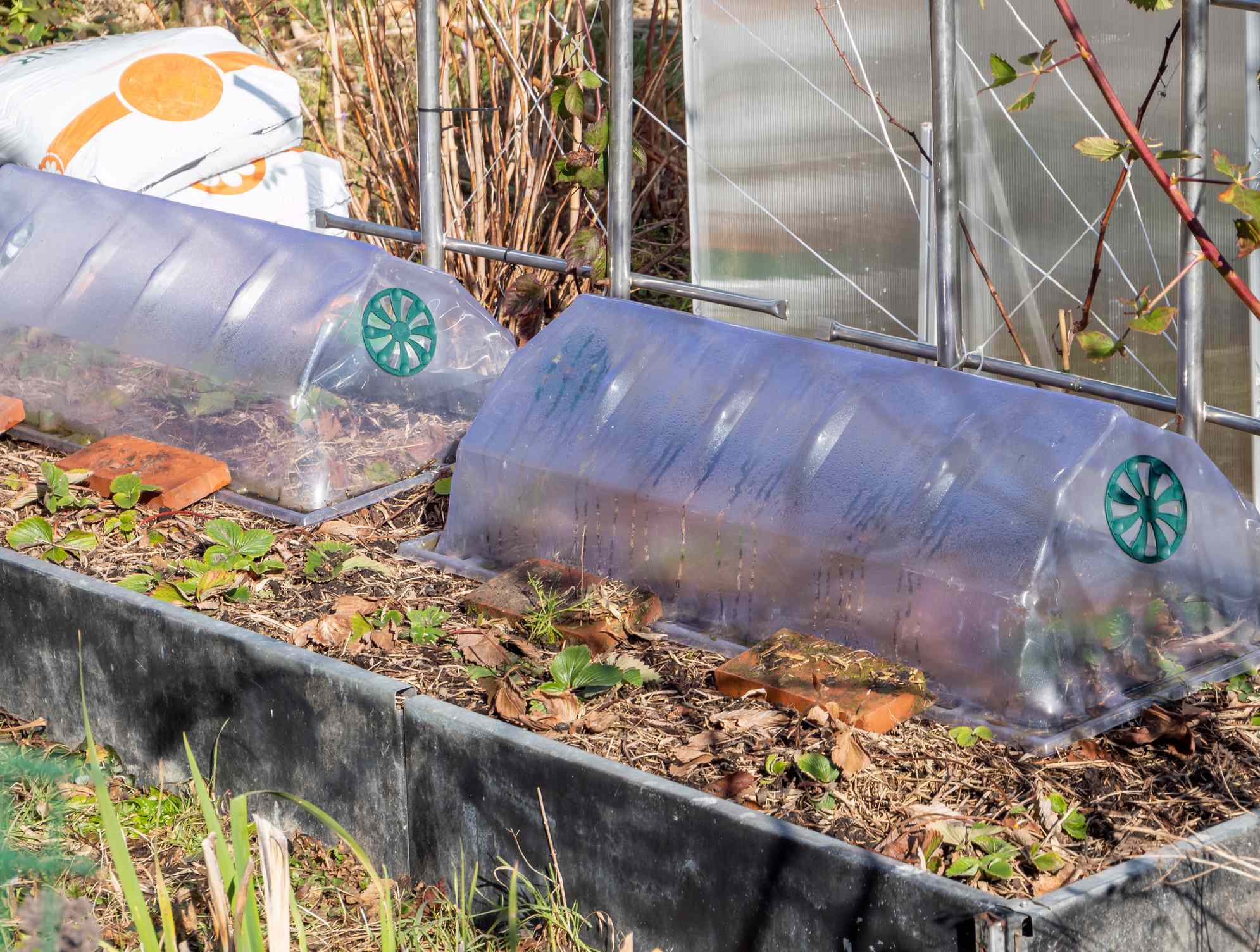
Frost dates-A late frost can result in complete loss of a crop. While final frost dates can be difficult to pinpoint, it helps to keep track every year and be prepared with crop covers or frost blankets.
Sun exposure-Did your layout provide the right exposure for all plants? Can adjustments be made to protect cool-weather crops from hot afternoon sun? Is there a better location for crops that need bright sun all day?
Air circulation-Fungal and bacterial diseases and pest infestations develop when plants are densely packed together. Could spacing be improved this year?
Crop rotation-Mark areas where nightshade crops grew to avoid planting in the same spot. A good rotation plan eliminates lots of problems.
Pollinators-Did you include plants to attract beneficial insects? Pollinators are essential for many vegetables, and beneficials like ladybugs reduce pest populations. Consider designating garden areas for herbs and flowers.
Take Inventory
Make a list of seeds saved from last year. Many vegetable seeds are good for more than one year, with some remaining viable much longer. Normally, plump or smooth seeds that appear flat or wrinkled are less likely to germinate. Other types, like peas, which are naturally wrinkled, may appear pale or discolored.
Check supplies of potting and garden soils, compost, fertilizers, and soil amendments. Now is the time to replace row covers and weed mats. To grow transplants, you’ll need seed starting mix, trays with plastic domes, lights, and a good watering can or hose nozzle. You may want to invest in heat mats.
Inspect gardening tools and equipment. Clean and sharpen tools and take care of spring maintenance for power equipment like rototillers. Make necessary repairs or replace garden structures, including raised beds, trellises, stakes, and fencing.
Test seeds for viability
A quick test to check whether your stored seeds are still good is to place them in a container of water. Discard floaters.
Select and Purchase Seeds
Have seeds on hand. Once your seed inventory is complete, make a list of those you need to purchase. Perusing catalogs can be perilous, so try to limit yourself to what works in your climate.
Select a different variety of tomato or try a new vegetable or two, but keep in mind space limitations. Pumpkins are fun to grow, but vines can reach 10- to 20- feet long on full-size varieties.
Garden centers and big box stores often set out seeds in February in plenty of time to start vegetable transplants. Many libraries and other organizations offer free seeds of limited varieties.
Create a Planting Plan
Providing adequate space is critical. Freshly tilled or turned over soil looks like a lot of bare ground, which makes overcrowding a common mistake. Vining crops like tomatoes, cucumbers, and squashes are particularly vulnerable to pest infestations and disease when planted too closely together.
Draw potential layouts to scale to ensure adequate space for each crop. Compare the plan to last year’s layout to accommodate crop rotation. A plan is also useful for raised bed gardens to determine what fits best in each bed. Mark planting beds with chalk or stakes and twine, if desired.
Recommended spacing is included on seed packets with specific measurements between seeds and rows. If you’re starting with transplants, you can find spacing information at cooperative extension offices, on the internet, or at your local library. Note requirements for each crop on your layout to save time when you’re ready to sow seeds or transplant seedlings.
Consider adding structure like trellising or fencing for vining crops like peas, beans, tomatoes, and cucumbers. Training plants to grow up instead of spreading out increases available space exponentially.
Interplanting is another successful approach for increasing garden output while making the best use of space. The technique pairs companion plants based on size, light requirements, nutritional needs, and days to harvest.
Growing your own seedlings is rewarding and cost-effective. Along with grocery store produce, garden center prices have risen significantly. With a grow stand and lights, you can start seeds almost anywhere indoors, including basements. Or you can start seeds in a sunny window.
Vegetables and fruits, including tomatoes, peppers, cole crops, and certain herbs, all perform better when started early indoors. Check seed packets for ‘days to harvest’ to determine how early to start seeds indoors. This can fall between two and ten weeks before the final frost, depending on vegetable type.
Comments are closed.