
Jee1999 / Shutterstock
Save
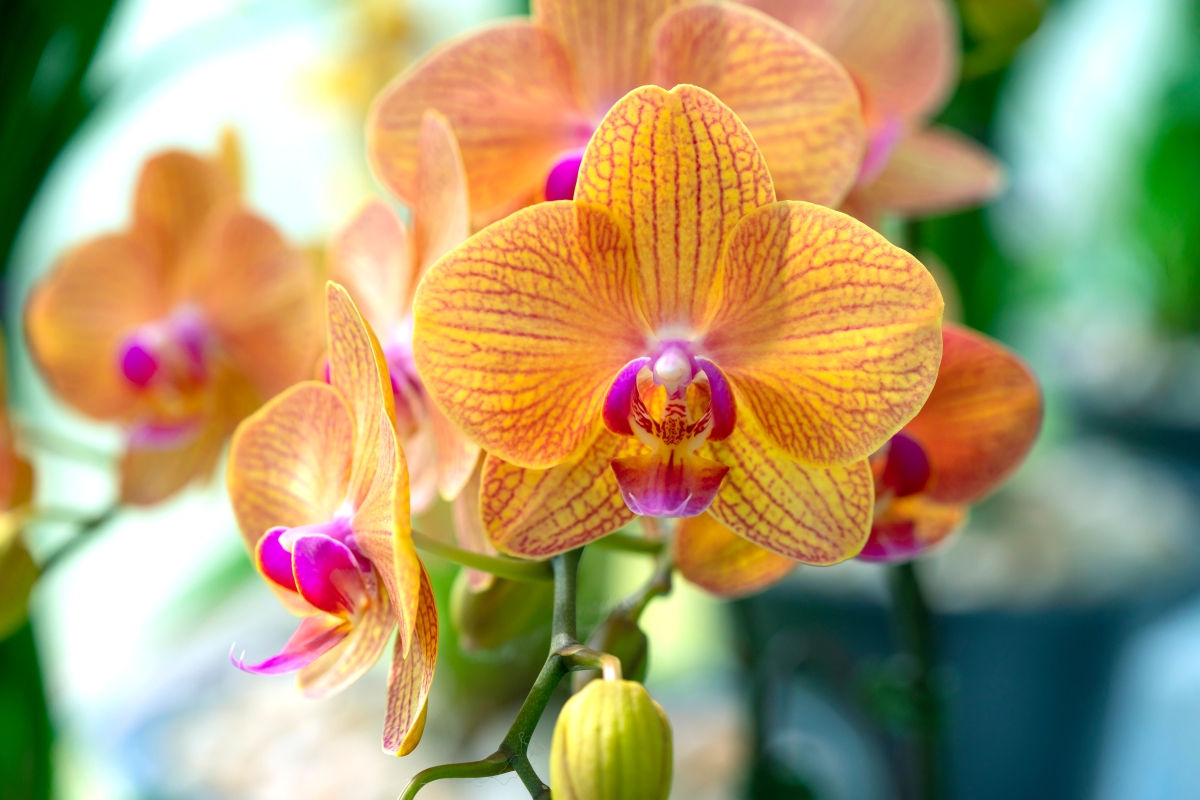
The U.S. Botanic Garden (USBG) and Smithsonian Gardens’ annual joint orchid exhibit has long been one of our favorites; each year has a unique theme and is displayed at one of the Smithsonian’s many spaces around the District.
We’re not only excited because the orchids are a clear sign that spring is on its way, but it also gives Washingtonians a much-needed excuse to stop and smell the flowers.
Where is this year’s U.S. Botanic Garden & Smithsonian Garden orchid exhibit?
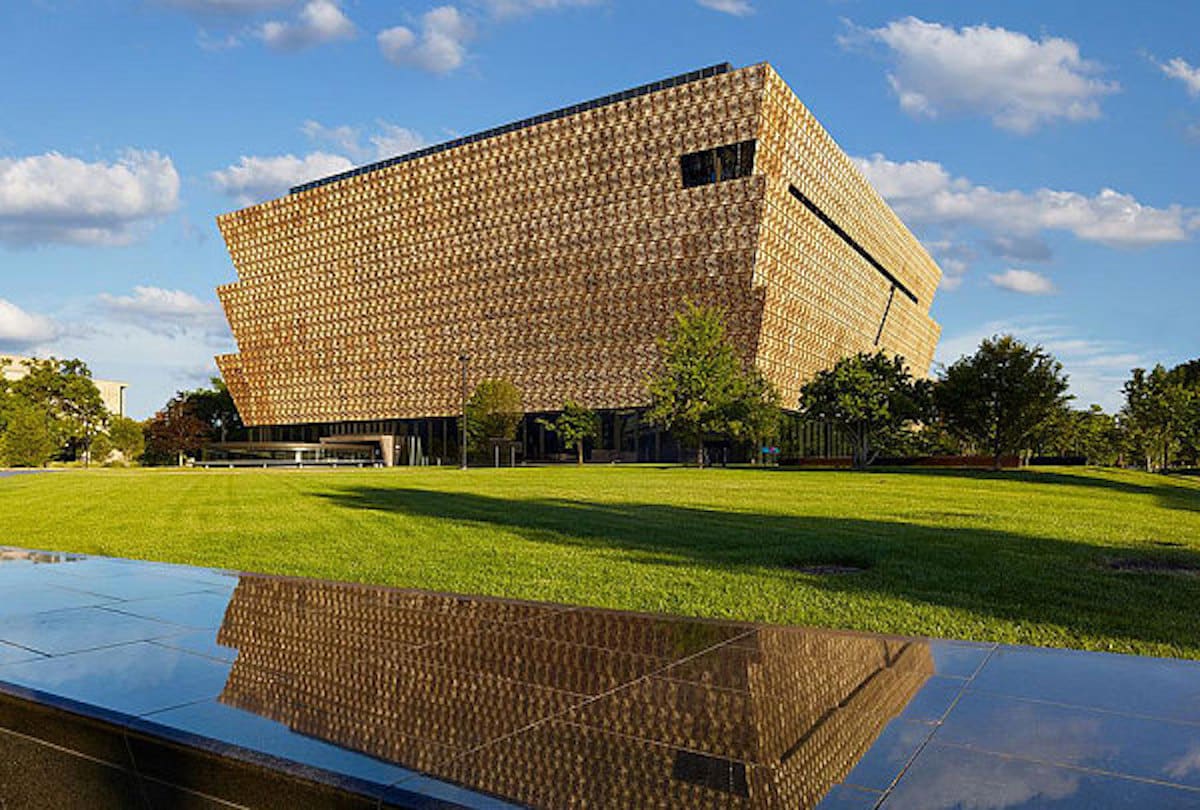
The 30th annual joint orchid exhibit will be on display at the National Museum of African American History & Culture on the museum’s second level!
The exhibit first opened on January 30th of this year and will remain on display until April 26th, 2026.
 Credit: National Museum of African American History and Culture What is the orchid exhibit’s theme this year?
This year’s exhibit is called ‘More than a Flower: the Connective Power of Orchids‘, which focuses on exploring the ways orchids manage to connect communities, individuals, and nature.
The display will feature around 150 carefully curated live orchid blooms alongside touching stories of connection, scholarship, and art, all of which tie back into the power of orchids and the impact they’ve had on others.
In addition to the live orchids, there are also going to be:
Video demonstrations of orchid care. A daily interactive ‘orchid discovery station’. 3D models of several of the Smithsonian Gardens’ 8,000 specimen orchid collection. 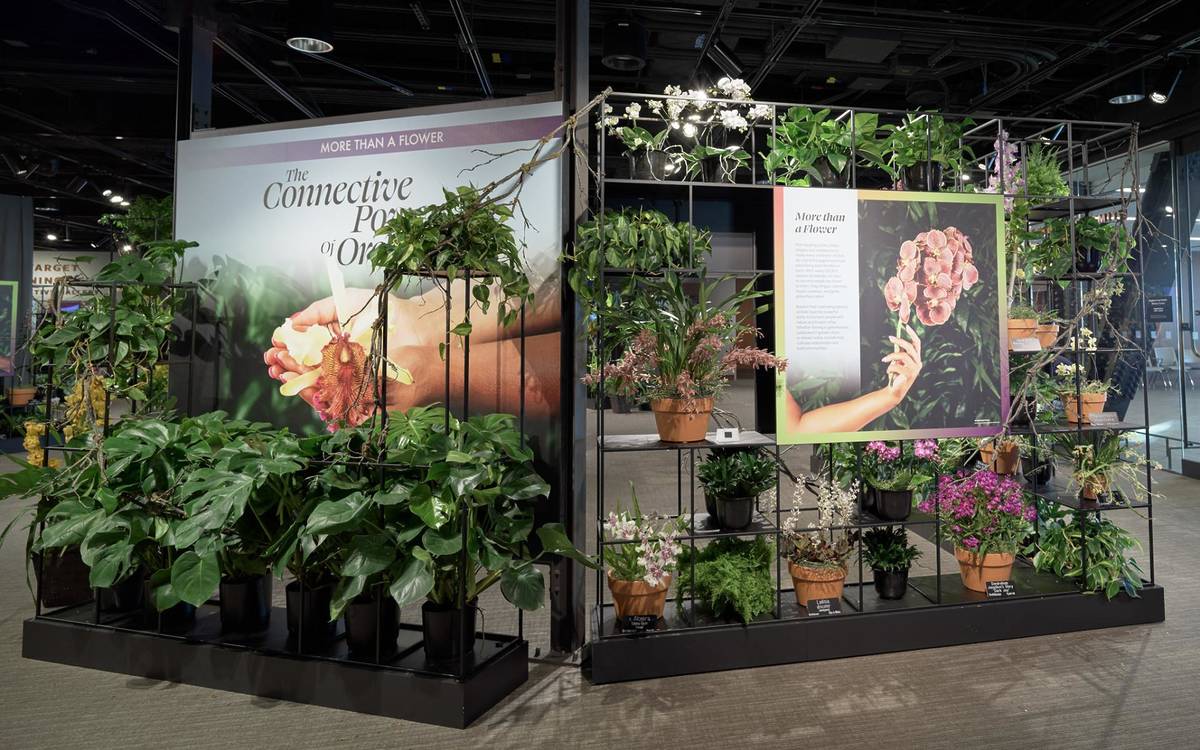 USBG + Smithsonian Gardens How to reserve passes to visit the exhibit
While it is free to enter the National Museum of African American History & Culture and visit the orchid exhibit, there is an online reservation process you’ll need to complete before your visit.
To avoid overcrowding and help ensure a consistent, high-quality experience for all visitors, guests are asked to reserve a timed-entry pass on the museum’s website.
Comments are closed.