
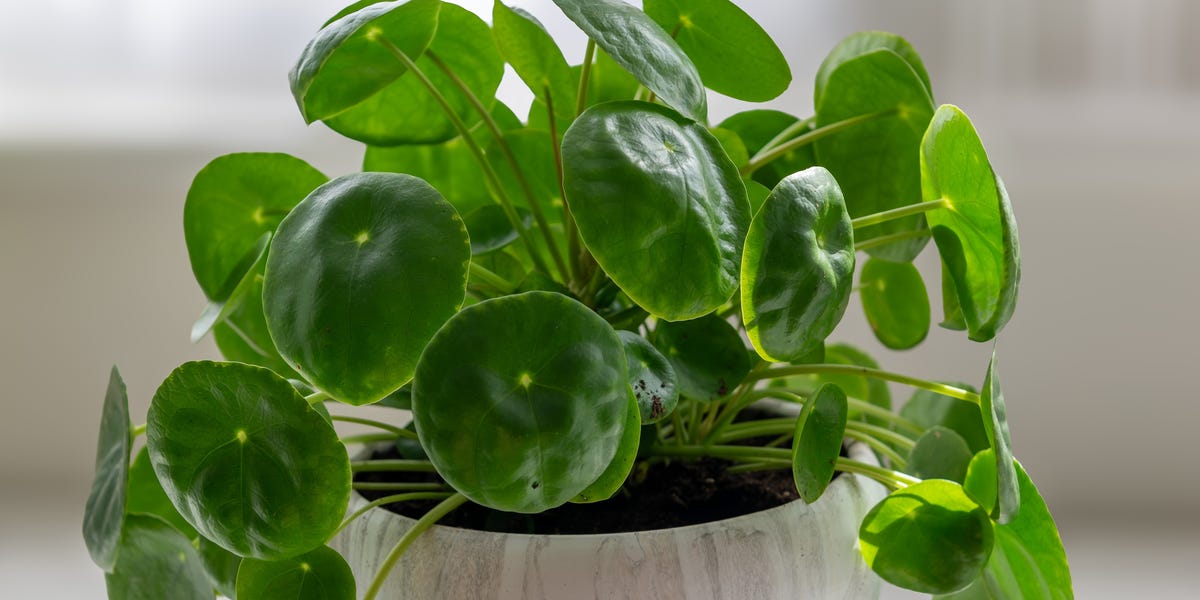
Winter can be a challenging time even for plant parents with the greenest of thumbs. Low light, dry air, cold draughts and dormant roots sitting in wet compost can quickly lead to root rot – and, ultimately, plant death.
That’s why thoughtful plant care is especially important at this time of year. ‘With the heat drying out plants, you should keep an eye on your watering schedules,’ says Jo Lambell, founder of Beards & Daisies.
‘Most plants are less thirsty in winter, but as we ease into warmer months, make sure to give plants an extra drink. Keep an eye out for any changes in your plants, like dropped leaves or brown tips, which can be signs of unintentional neglect.’

mtreasure//Getty Images
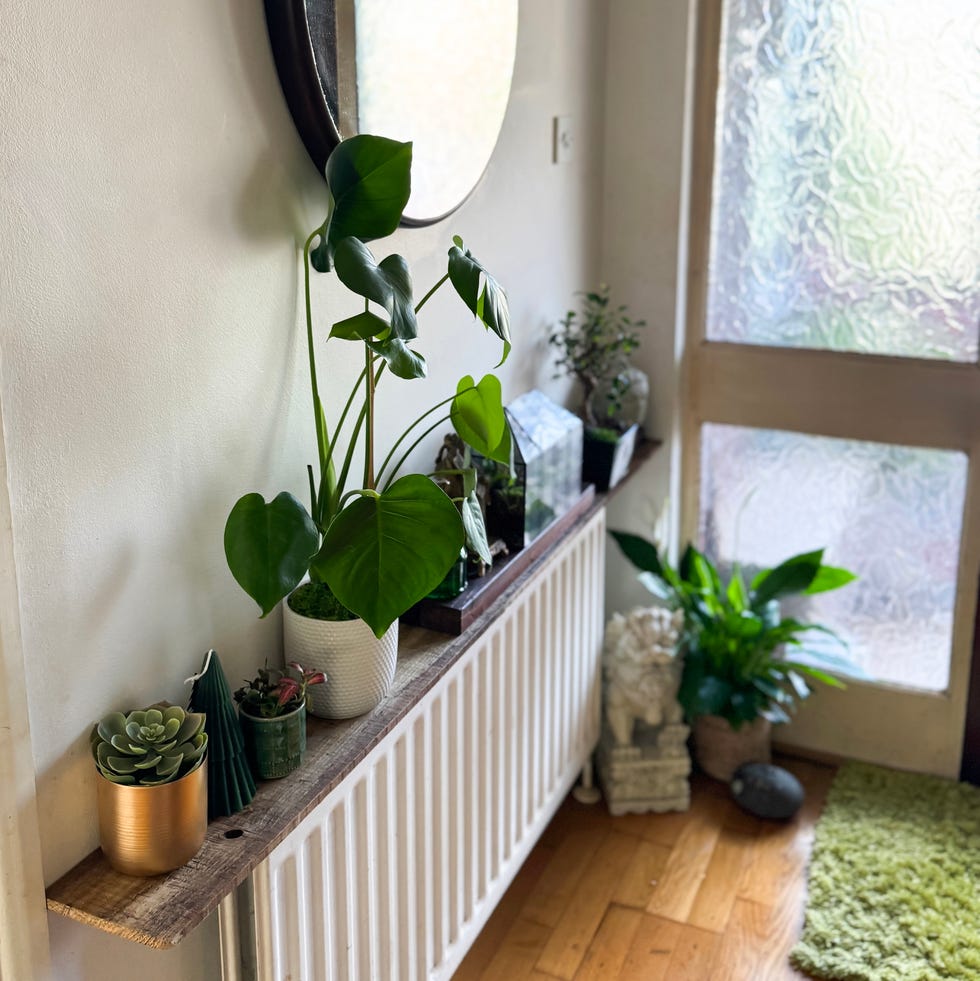
And, as Jess Steele, heating design expert at BestHeating, adds, ‘it’s a good idea to check the positioning of your beloved plants. Make sure they aren’t too close to the radiator; one metre away should be fine.’
While many houseplants struggle in warm, dry rooms, a few are far more resilient — and some even cope surprisingly well with centrally heated homes. So if you’d rather not constantly tweak your watering routine or move pots away from radiators, choosing naturally adaptable varieties can make winter greenery far easier to maintain.
Below, Jo and Jess share three houseplants that easily survive – and even thrive – in the dry air created by winter heating.
1. Money plant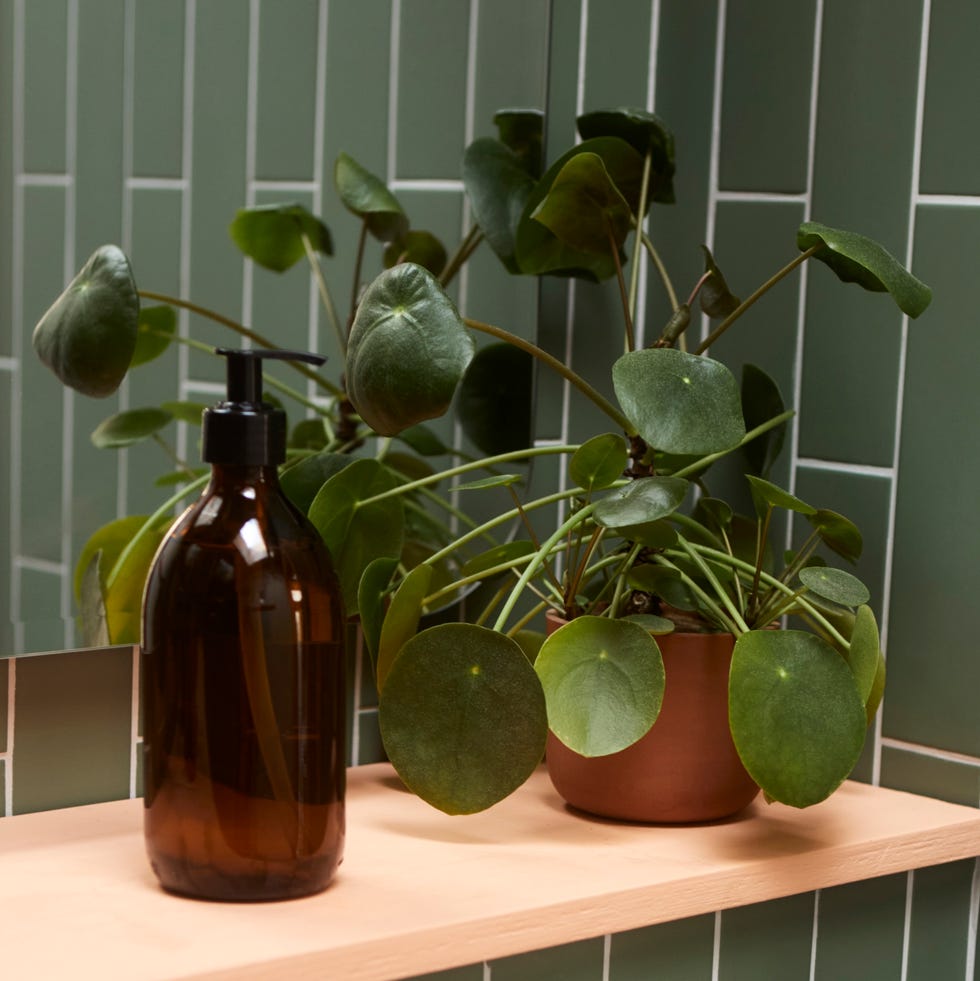
Johanna Nyholm//Getty Images
Money plants are highly adaptable to a wide range of temperatures, making them an ideal choice for centrally heated homes in winter.
‘The dry heat from radiators can stunt the growth and even brown the tips of some plant leaves, so it is important to find ones that are brave enough to handle the warmth of a nearby radiator,’ says Jo. ‘The Money plant can be a great choice if you tend to have a warmer home, but it’s still advisable to be careful not to leave houseplants too close to heat sources.’
2. Snake plant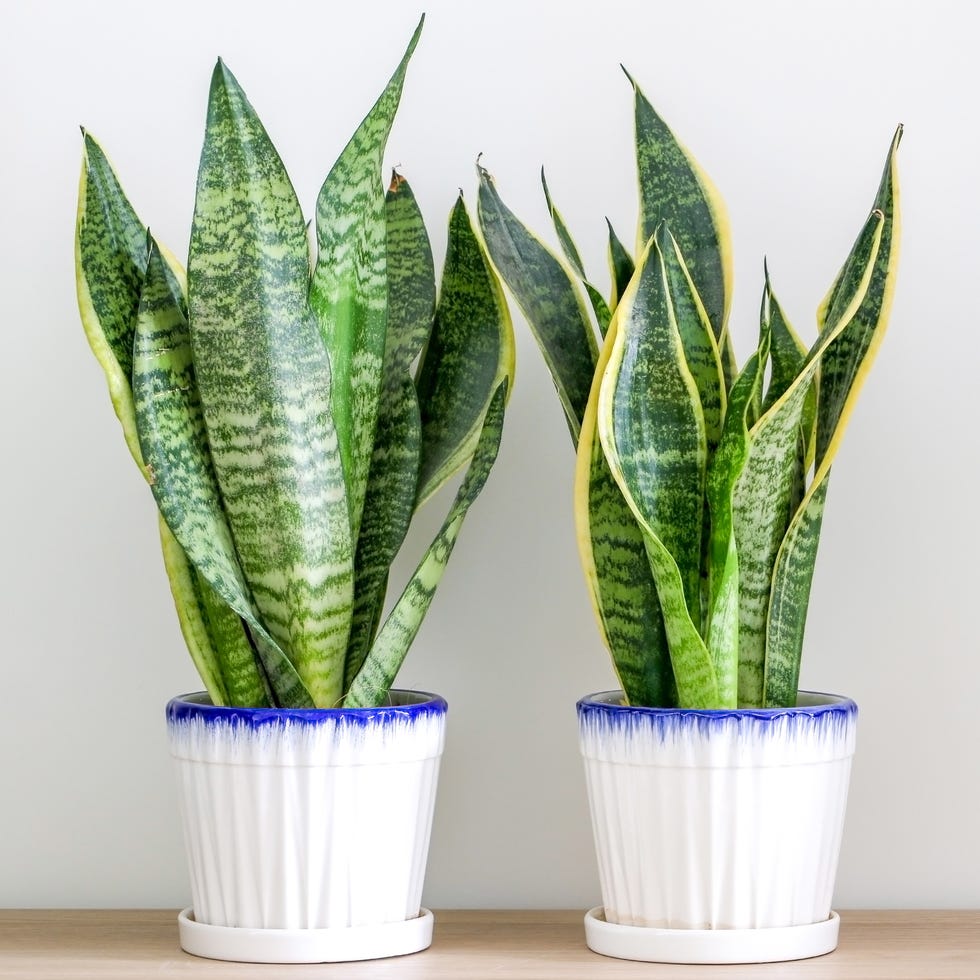
Adam Yee//Getty Images
A classic houseplant, the snake plant is often praised for its air-purifying qualities and ability to boost indoor air quality. It’s also highly adaptable to warmer conditions, thriving at typical room temperatures between 15 and 24°C, according to the RHS.
‘While this plant cares for us, it is important to make sure it is getting the right amount of water,’ Jo adds. ‘A good trick is to feel the top two inches of soil; if it feels dry, this is a sign your plant is gasping for a drink.’
3. Peperomia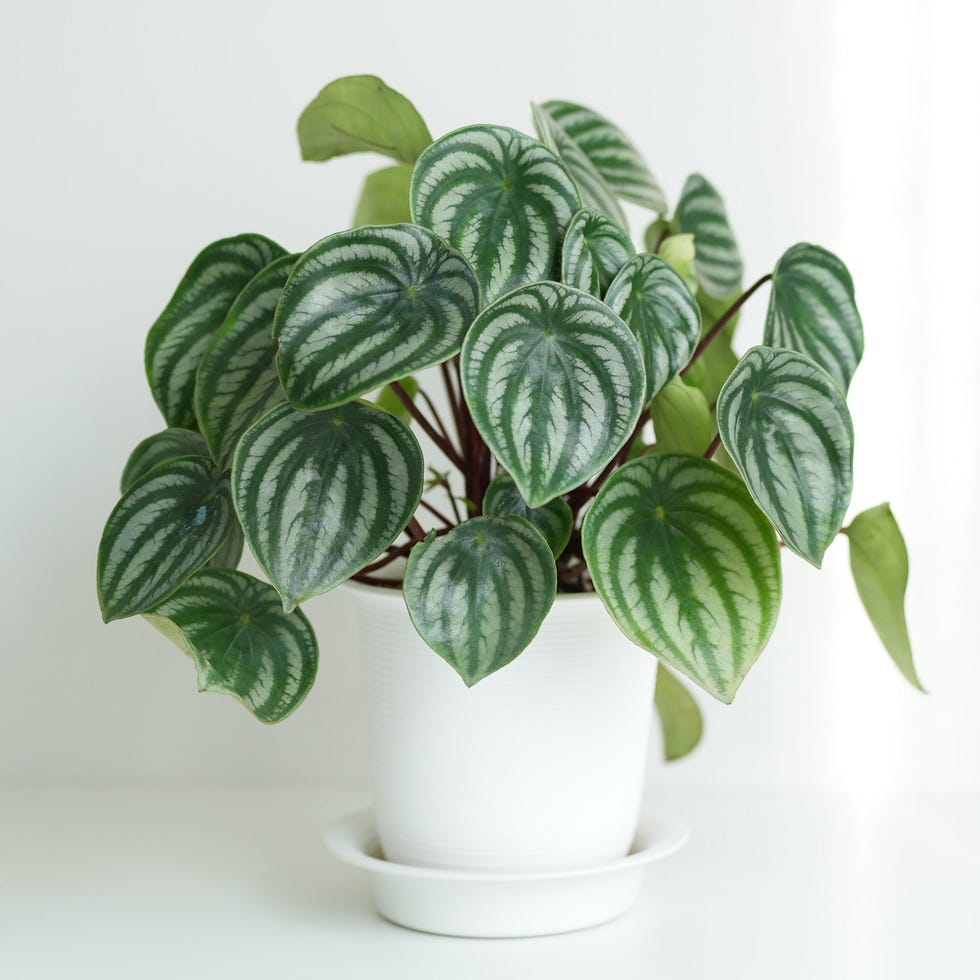
paladin13//Getty Images
Peperomia is a diverse genus of more than 1,000 species, making it a brilliant option for homes that stay warm throughout winter. According to the RHS plant care guide, these compact houseplants are happy in temperatures of up to 30°C.
‘This species of plant includes the peperomia raindrop and the peperomia Argyreia, and is the ideal low-maintenance houseplant to brighten up your home,’ says Jo. ‘I would recommend placing them in a warm, bright spot.’ Near a radiator is ideal for the peperomia species.
Follow House Beautiful on Instagram, TikTok and Pinterest
The houseplant edit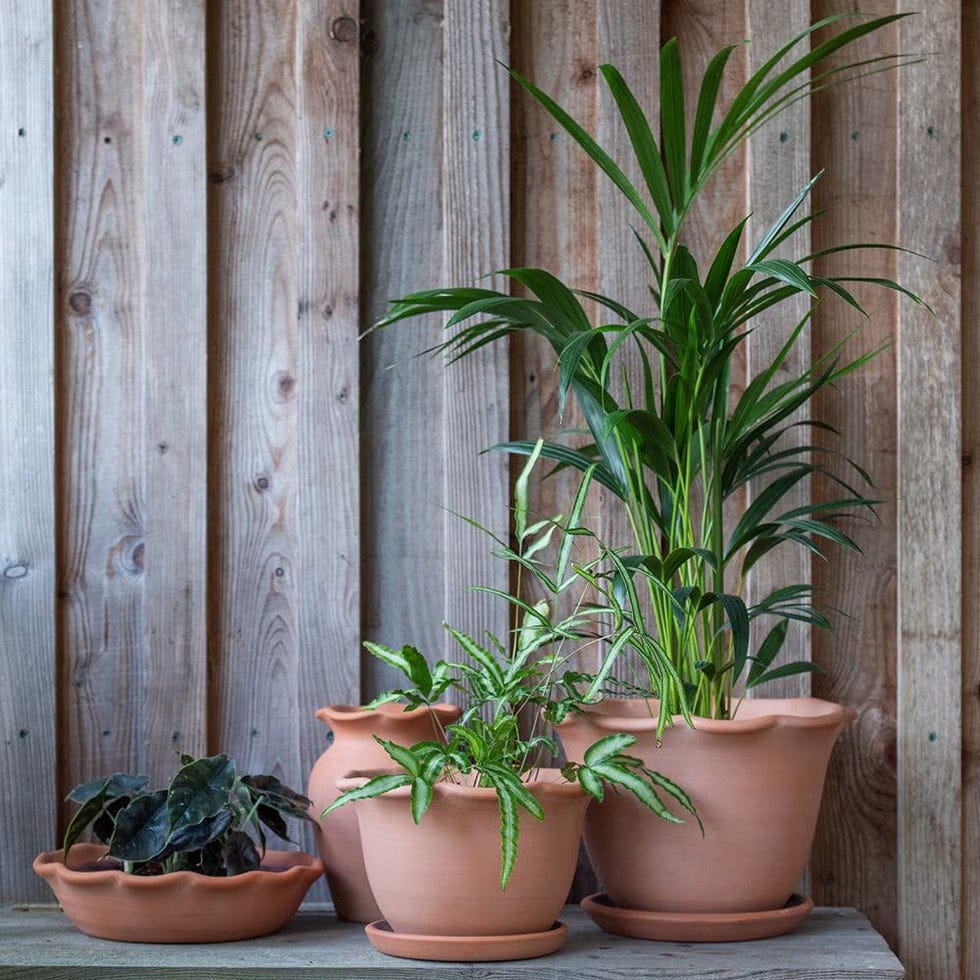 Terracotta ruffle pot with glazed saucer
Now 15% Off
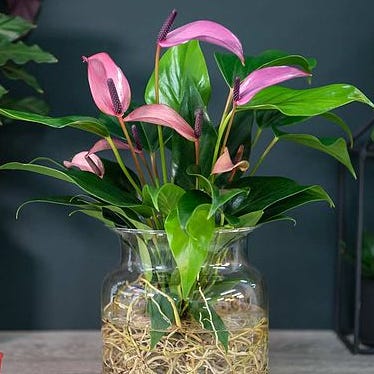 Anthurium Aqua in SierglassTail Flower, Flamingo FlowerCredit: Thompson & Morgan
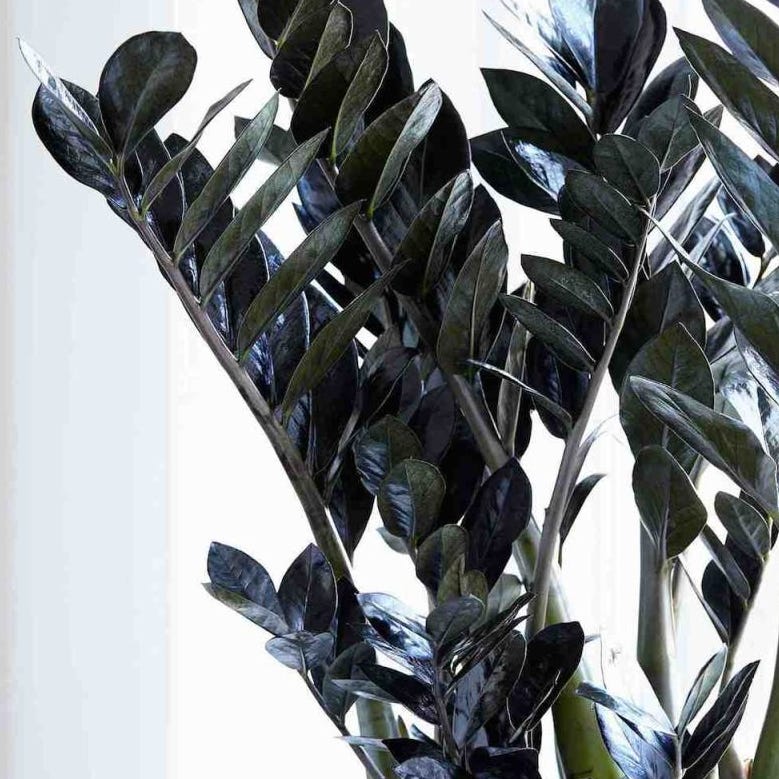 Zamioculcas Raven – Black Fern ArumCredit: Gardening Express
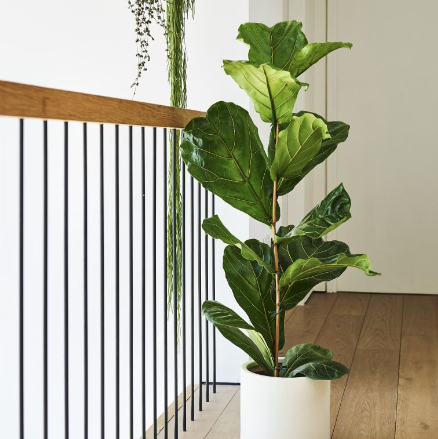 Beards & Daisies Fiddle Leaf FigCredit: H&M
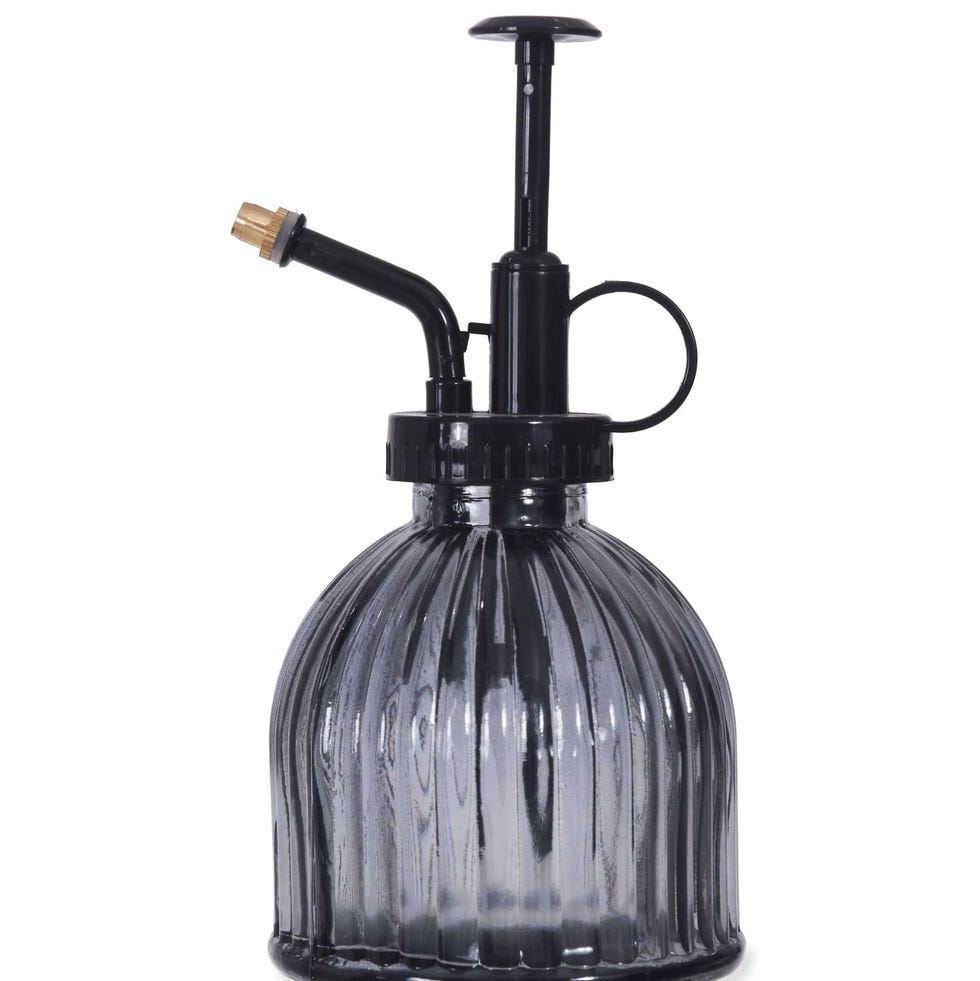 Classic Mister Smoke
Now 67% Off

Wanda Sachs is the Daily Writer for House Beautiful and Country Living, exploring the latest in interior design, home trends, property news, wellbeing and sustainable living. With a keen eye for style and a passion for storytelling, she previously served as an Associate Editor at The Berliner in Berlin, where she launched and led the magazine’s monthly style vertical, covering emerging fashion trends. Wanda holds a combined BA in English and German from Goethe University Frankfurt.
Comments are closed.