
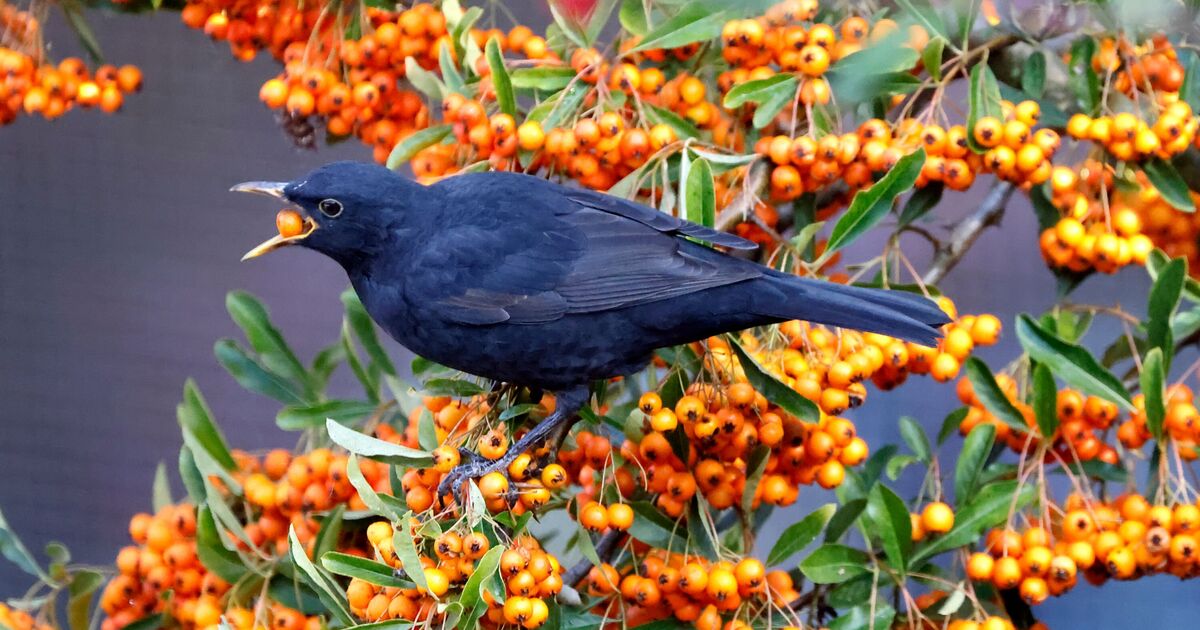

Shrubs are the ‘quiet workers’ of the garden, according to David Domoney (Image: Getty)
February is the gateway to spring, and it’s an ideal time to plant shrubs. Whilst borders may still look a little weary, shrubs bring immediate structure and early interest, while quietly supporting wildlife as the season begins to stir. Get planting now, and you’ll quickly see tired spaces transformed, with shrubs providing the backbone for the months ahead.
Why shrubs earn their place
Shrubs are the quiet workers of the garden. Whether evergreen or deciduous, they give shape, volume and continuity to borders and hedges, often doing far more than we give them credit for. Some deliver early flowers, others berries, scent or colourful stems, whilst many offer shelter for birds and insects year-round. Used well, shrubs tie planting schemes together and soften the transition between trees, lawns, and borders. Find out more about adding striking evergreens to your garden on my YouTube channel, @daviddomoney.
Choosing the right spot
Positioning is key. Most shrubs appreciate a sheltered site with free-draining soil and enough room to grow without competition. February planting allows roots to establish while the soil still holds winter moisture, giving plants a strong start before spring growth begins. If space is limited, containers offer a useful alternative. Camellias are an excellent choice for pots, providing glossy evergreen foliage and elegant flowers from late winter into early spring, without overwhelming the space.
Shrubs to strengthen borders and hedges
Shrubs are invaluable for filling gaps and giving borders presence. Choisya ternata remains a firm favourite for evergreen structure, while Spiraea japonica brings a lighter texture and seasonal interest. Skimmia japonica is another excellent choice, particularly in part shade, with flowers and berries extending its appeal. Thin or leggy hedges can be reinforced with bay laurel or box, whilst larger gardens benefit from standout specimens on lawns. Viburnum opulus ‘Roseum’ offers spring impact, and star magnolia provides elegant flowers before leaves emerge.
Read more: You only need this 1 thing to ensure a steady supply of healthy herbs in spring
Read more: I’m a gardening expert – now’s the time to get your plot set for the spring
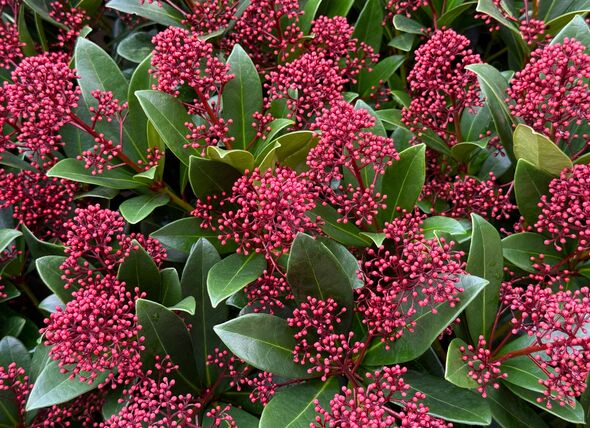
Skimmia japonica is a great choice for a shady spot (Image: Getty)Spring stars worth planting
Forsythia is hard to beat for early impact, lighting up the garden with golden flowers when little else is in bloom. It works equally well as an informal hedge or a bold focal point. For evergreen colour, Photinia ‘Red Robin’ remains a reliable choice, with glossy foliage and vivid red new growth. Its spring flowers are popular with pollinators. Pyracantha varieties are equally valuable, providing nectar early in the year and berries for birds later on.
Planting for success
When buying shrubs, always check that plants are healthy and happy. Avoid pot-bound specimens and make sure compost is moist. Soak plants thoroughly before planting.
Choose a frost-free day, dig a generous hole, and plant at the same depth as in the pot. Firm in well, water thoroughly, and mulch to retain moisture, keeping material clear of stems. Taller shrubs may need staking to prevent windrock. A little attention now will reward you with strong, reliable shrubs that carry your garden confidently into spring and beyond.
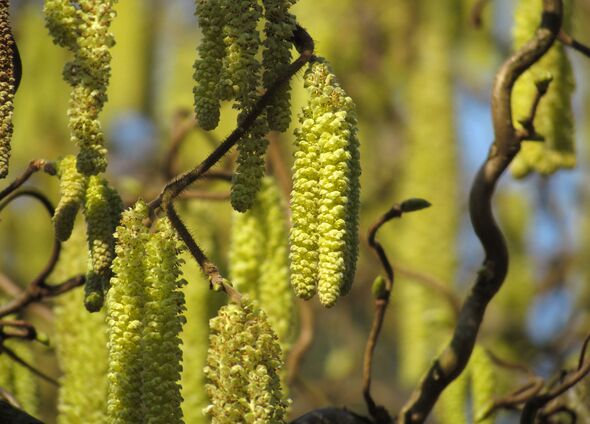
Hazel is a February highlight, bringing any garden to life with its soft blossom (Image: Getty)Focus Plant – Corylus avellana (Hazel)
Hazel is a real February highlight, because it brings life to the garden when so much else is still holding on until spring. At this time of year, you’ll notice its soft yellow catkins hanging from bare stems, moving gently in the breeze. On milder days, these catkins release pollen, making hazel one of the earliest hints that spring is on its way. As a native shrub, it also slips naturally into informal planting, hedgerows, and wildlife-friendly gardens.
To grow Corylus avellana well, think woodland edge rather than formal bed. It’s happiest in full sun or light shade, in soil holding some moisture but drains freely. If you’re planting now, wait for a frost-free spell and improve the soil with garden compost or leaf mould. Give it room to develop a broad, multi-stemmed shape, especially if it’s being used for screening.
If you want a hazel with a particular purpose, there are some brilliant choices. ‘Contorta’ is a superb feature shrub for borders, with twisted stems that look striking all winter, especially with snowdrops beneath. ‘Red Majestic’ offers the same sculptural shape with darker, richer growth. For brighter foliage in a mixed border, ‘Aurea’ provides golden leaves that lift a lightly shaded corner. And if you’re planting for nuts, ‘Kentish Cob’ and ‘Cosford’ are reliable varieties, best in a sunny, sheltered spot.
February care is simple. Whilst the plant is dormant, thin out congested stems to improve airflow and encourage fresh shoots. Mulch around the base to conserve moisture, but keep it clear of the stems.
Fun fact: Hazel can be coppiced for years, and each cut encourages a fresh flush of strong new stems from the base of the plant.
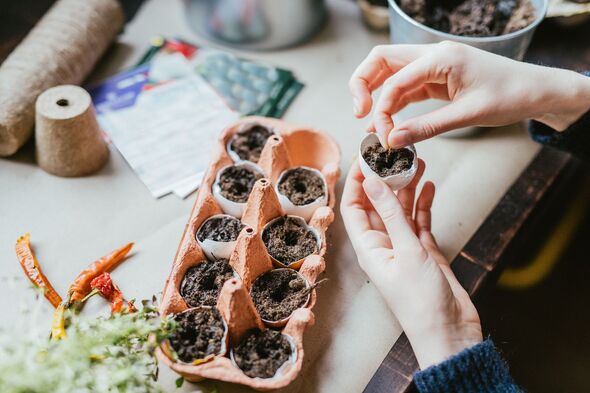
Plan your sowing dates now so you’re head of the game when the temperature rises (Image: Getty)Five gardening jobs
1. Check stored seed potatoes and remove any that are soft, shrivelled, or showing mould, so problems don’t spread to healthy tubers. If they’re starting to sprout, keep them cool and bright, and turn occasionally to stop weak, leggy shoots from forming.
2. Plan your sowing dates for the weeks ahead, splitting jobs into what can be started indoors, what can go under cover in a greenhouse or cold frame, and what must wait for warmer soil outside. A simple notebook list now saves a lot of backtracking later.
3. Top dress winter containers with fresh compost and a little grit, improving drainage and giving tired pots a lift. Remove any weeds and dead leaves as you go, and check the pot has clear drainage holes before growth really gets going.
4. Clean and restring hanging basket chains, then check hooks, brackets, and fixings are secure. February is a good moment to do this indoors on a wet day, so you’re not scrambling when the first spring bedding appears at the garden centre.
5. Sow chilli seeds indoors in a propagator or on a warm windowsill, as they need a long growing season. Use fine seed compost, keep it just moist, and give seedlings strong light once they appear to prevent them from stretching. See more about this in episode eight of Step-by-Step Gardening on my YouTube channel, @daviddomoney.
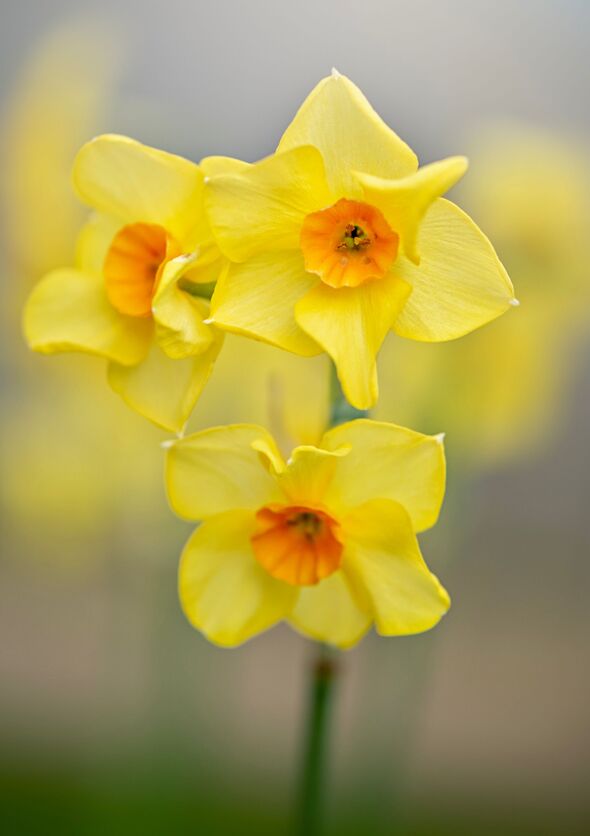
At Chinese New Year, daffodils are traditionally linked with good fortune (Image: Getty)Did you know?
Winter jasmine (Jasminum nudiflorum) is known in Chinese as ‘Yingchun’, meaning “welcome spring”. It’s a fitting name, because those bright yellow star-shaped blooms can open from mid-winter, often well before spring really arrives.
In Shakespeare’s ‘Hamlet’, Ophelia hands out symbolic plants, including rosemary “for remembrance” and pansies “for thoughts”. She also gives fennel, columbine and rue, using flowers as a subtle way to speak her mind.
At Chinese New Year, daffodils are traditionally linked with good fortune. If a daffodil blooms during the festival period, it’s said to bring great luck, hence why they’re so prized at that time.
Violets have long carried romantic symbolism. In the Victorian language of flowers, they’re widely associated with love and faithfulness, helping to explain why they’ve been used as small, meaningful tokens over time.
Facebook – https://www.facebook.com/DavidDomoneyTV
Instagram – https://www.instagram.com/daviddomoney/
Pinterest – https://www.pinterest.co.uk/daviddomoney/overview/
TikTok – https://www.tiktok.com/@daviddomoney
Comments are closed.