
I liked to think I’d exhausted the wet weather theme a fortnight ago, writing about rain gardens, water butts and other ways of utilising or harvesting the current abundance of water. In writing that column I’d perversely hoped that in some way it might help banish this persistent spell of wet weather.
But on and on it has continued, with February now potentially eclipsing January in terms of the quantity of precipitation. Everywhere you go, it not only rains, but everyone wants to talk about the rain and how much they haven’t allowed it to dampen their spirits – I obviously made up that last bit.
Venture off-road and where the ground isn’t flooded, it’s sodden, vulnerable to damage and compaction. Don’t always assume that because water is every plant’s lifeblood that they can tolerate any amount of it, as even members of the same plant species have different preferences. Ornamental grasses such as Stipa and perennials like Heleniums find it hard to tolerate too much moisture in the soil and will benefit from some stones or grit in their planting hole.
While the wet weather makes us reluctant to venture outside, it’s actually a good time to assess your garden’s drainage and to think about ways you can counter puddles and the build up of moisture in certain areas of on your lawn.


It may just be a dip in which water gathers, rectified in early spring by levelling, or a problem that can be addressed by aerating with a fork or by hollow-tining, then adding sand to improve the soil’s structure, and capacity to drain.
But there may be that area where the water stubbornly sits, a spot where no combination of the above remedies will see it drain completely.
Don’t be disheartened, dear reader, because this is probably the area preordained to be a bog garden. Somewhere to acknowledge nature’s preferences and embrace your wilder side – a place where ‘waterlogged ground’ means healthy, happy plants rather than those rotting because their roots are regularly submerged.
Acting like a sponge, a bog garden will not only help your drainage and flood resistance, but will boost biodiversity, while also looking great. It’ll work either directly beside a pond, integrated with a dry bed, or as a standalone feature. And don’t worry if you’ve nowhere in the garden that floods, as a piece of black pond liner or even black polythene will help create a synthetic wetland.
Dig out an area to depth of around 12″-18″ then line it, ensuring you add some drainage holes. Refill with earth, well rotted manure and some other organic matter and plant up with a mix of colourful native plants to architectural exotics.
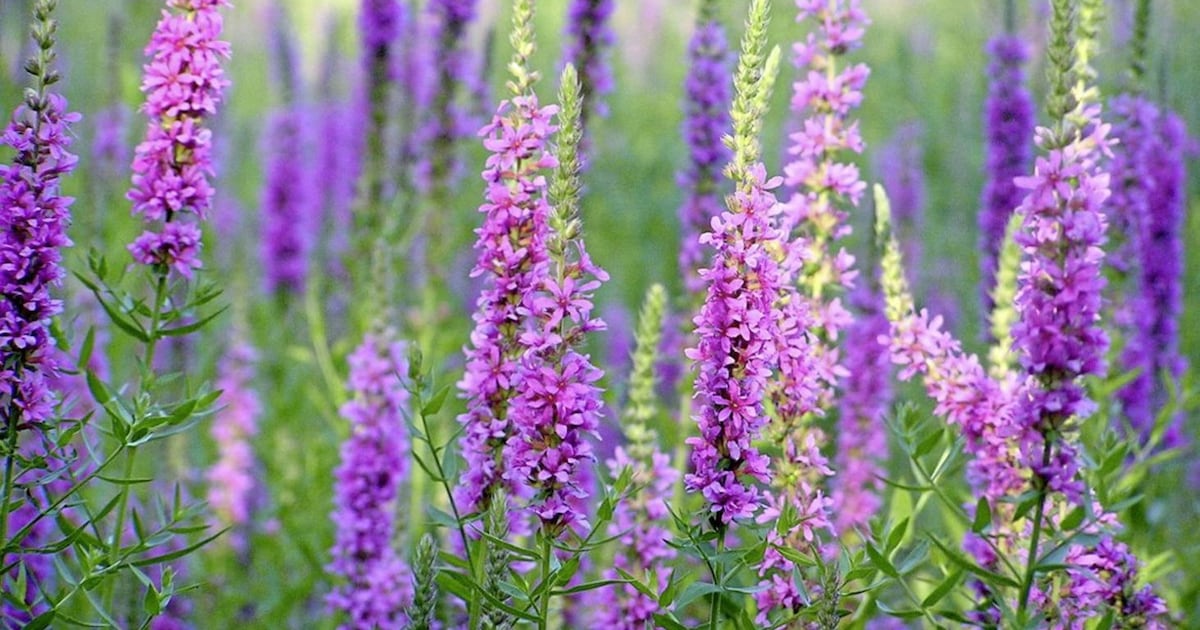
If you’re going native consider the likes of purple loosestrife (Lythrum salicaria), yellow iris (Iris pseudacorus), marsh marigolds (Caltha palustris) and cowslip (Primula veris). Non-natives, such as Ligularia, Zantedeschia aethiopica and Rodgersia pinnata will retain the wild atmosphere.
Giant rhubarb (Gunnera manicata) and grasses like Acorus Ogon will be less amenable to wildlife and are generally frowned upon these days, but they do provide great impact. Around the edges plant the likes of ferns, astilbes and hostas.
Comments are closed.