
Chris McKeown
| Special to The Enquirer

Tips for saving plants after freezing temperature
Expert tips on how to care for your garden and landscape following a major freeze to ensure plant recovery.
During the down time of the winter, many of you are making plans for the upcoming growing season. While making these plans, you could be considering options of how to do certain things better. For many of you, the thought of doing something better would be to reduce the use of chemicals.
I can tell you from the point of view of our business that the use of chemicals has been reduced significantly over the last few years. This is indicated by a significant reduction in sales. This has been happening intentionally and unintentionally at the same time. This is because a lot of people are looking for safer alternatives. Others are buying safer products because most of the harmful ones have gone away from the market.
When I started in this business over 40 years ago, I would estimate that the products we sold were 90% chemical and 10% organic. The organic products were for the “tree-hugging hippies.” Today, those numbers have flipped. Now the 10% is for stubborn old fogies who refuse to change their ways and try something new.
I guess one might say that the movement away from the use of chemicals has happened “organically.” When a societal change is described as starting “organically,” it means the movement is driven by ordinary citizens. It is a form of change characterized by shared, genuine passion for a cause that emerges naturally within a community.
The responsible use of these products is a major part of sustainable gardening practices. The goal of sustainability is maintaining our gardens with methods that will maximize the environmental benefits while minimizing that harm. Nobody should have a problem with this.
There are people who desire to drastically improve the health of our ecosystems who unknowingly struggle with unreasonable expectations. To achieve these expectations, they will use extreme descriptions of the outcome of using chemicals.
An example would be an article I read in the paper last week: “Fertilizers: the good, the bad and the ugly.” It primarily focused on the bad and the ugly. The first half of the article described the worst outcome of using chemical fertilizers. In my opinion, this was very misleading because there was no mention of what levels of fertilizer used would cause these outcomes.
I will be the first to say that too much of anything, including fertilizer, is never a good thing. However, the use of chemical fertilizers within the product guidelines will be considered safe use. I will also agree that organic methods are better for the environment.
I do not think people are going to change the way they garden by convincing them that they are harming their garden when they are proud of the results they are achieving with the methods they are using.
Our plants would be healthier and grow better if they were growing in the best soil possible. It is easy and recommended when installing new plants to improve the soil. Notice I said “improve” the soil, not replace the soil. You should incorporate more organic matter into your existing soil.
It is very difficult and takes a long time to improve soil around established plants. If a plant is struggling, fertilizer is usually the best way to improve its health. Then it is your decision to choose either an organic or chemical fertilizer based on what you think is best.
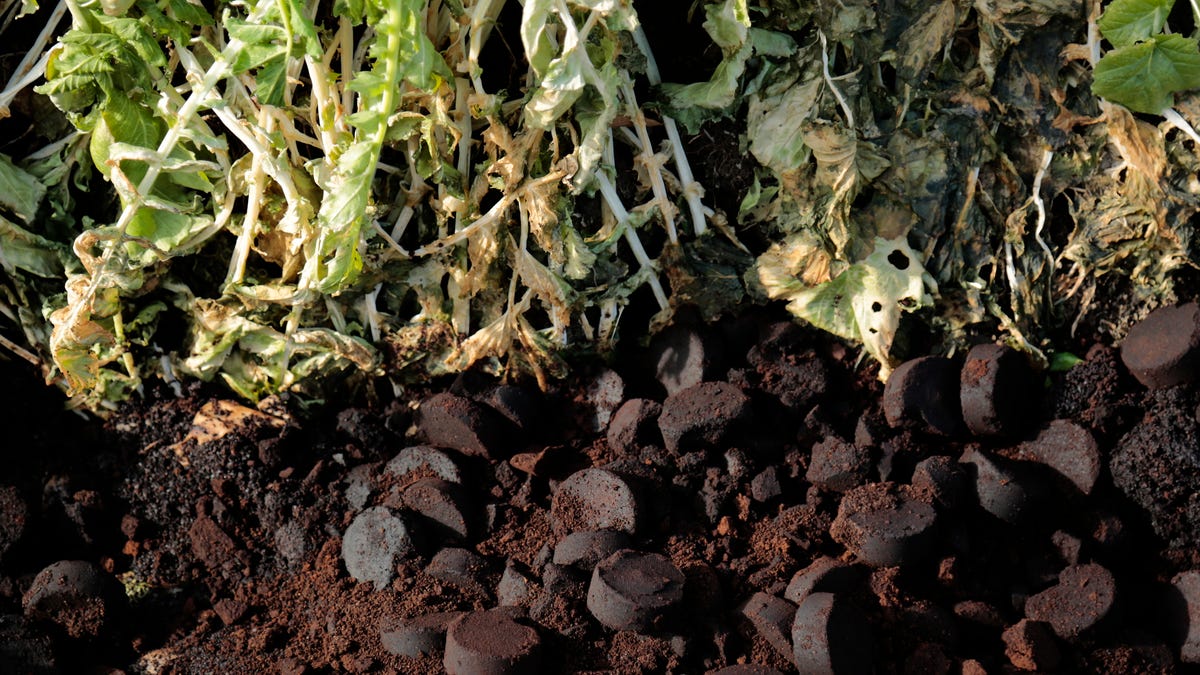
There are things we do unintentionally that also work to improve soil. Mulching our plants with natural products will improve the soil as the mulch decomposes. Debris such as leaves, flower petals, stems and other parts of plants that fall off decompose into the soil. Mulching grass clipping and leaves through your mower will return organic matter to your lawn.
That is the first and last mention of the lawn in this article. Fertilizers as related to lawns is a different subject for a different day.
Comments are closed.