
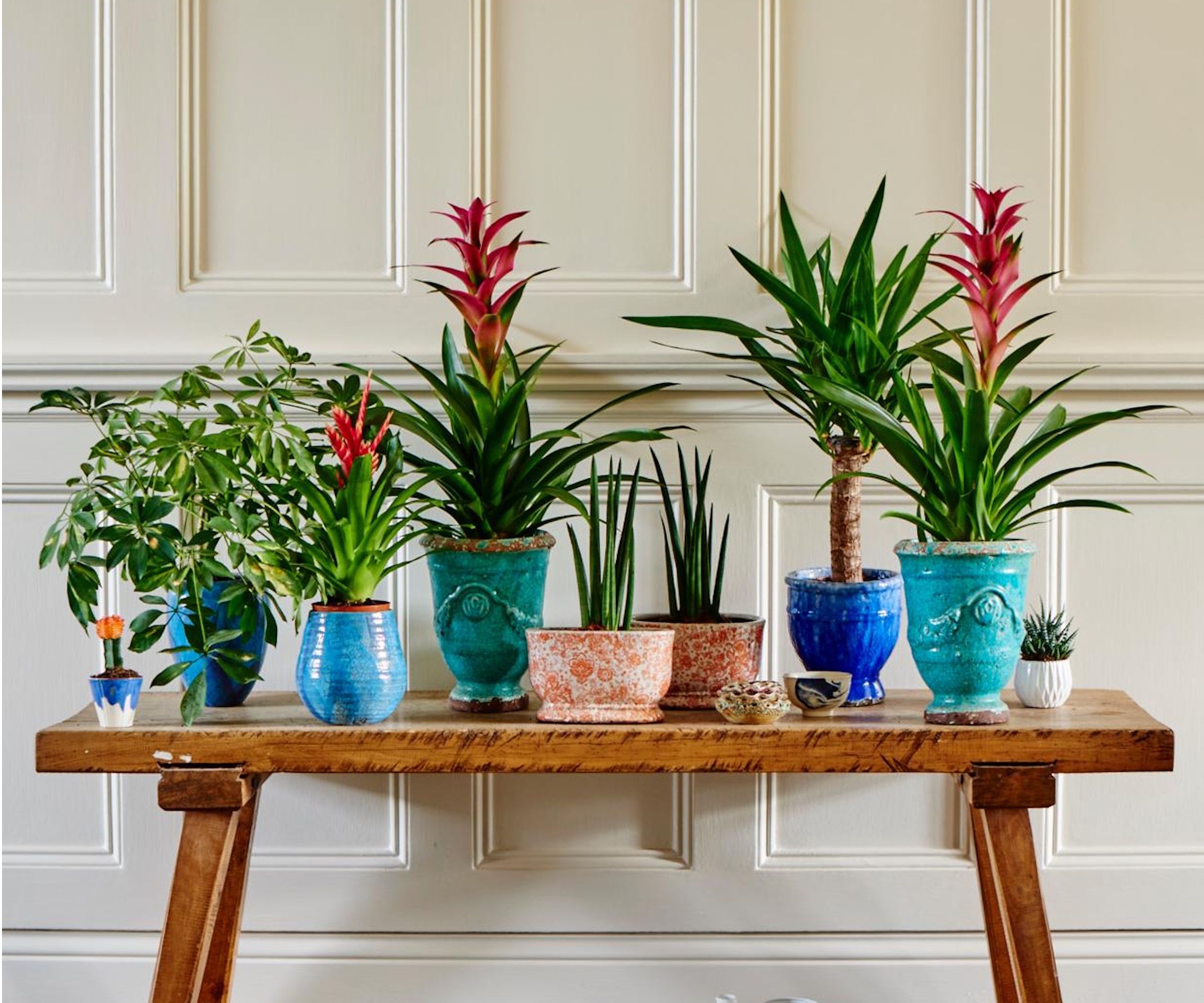
Pests are just part and parcel of being a houseplant owner, especially when you have a large collection where they can easily spread. But, in the last few years of expanding my indoor garden, I’ve learnt prevention is far easier than cure when it comes to these destructive critters. It’s easier than you think, too – my secret weapon lives in my kitchen cupboard: cinnamon.
If you’ve been tirelessly scrolling for solutions to prevent common indoor plant pests online, there’s no doubt you’ll come across a whole range of (sometimes questionable) hacks. It can be hard to judge which ones are a hoax, but I promise the cinnamon trick actually works, and all you need is the ground cinnamon you buy from the store (like this ground cinnamon from Walmart). It’s a natural repellent for a range of indoor pests due to its strong scent and antibacterial properties that keep houseplant soil in pristine condition, discouraging pest presence.
You may like
Why Does Cinnamon Stop Houseplant Pests?
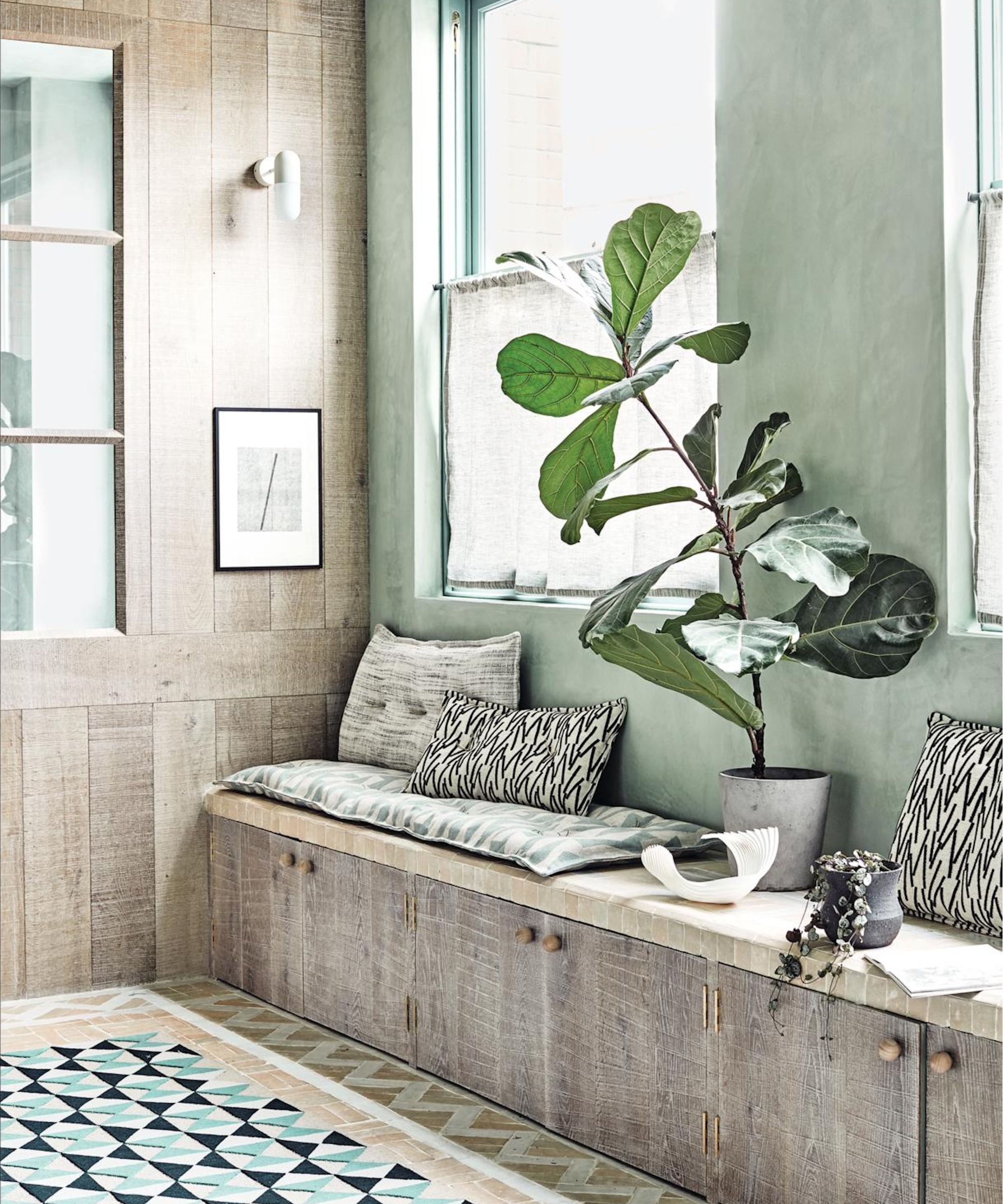
Cinnamon isn’t harmful to plants inherently, but overapplying can hinder essential plant processes and their growth
(Image credit: Future)
The simple answer is that cinnamon is one of the spices to deter common garden pests, and it can be used indoors, too.
Its strong aroma is off-putting to a wide range of insects, including fungus gnats, thrips, aphids, and even mealybugs.
When used on plants, it also creates a physical barrier that stops pests from laying eggs in the soil and sucking sap from foliage.
Beyond this, you can also use cinnamon to stop houseplant pests by using cinnamon to remove mold from soil.
This common household spice contains compounds like cinnamaldehyde and eugenol, which are antifungal.
Using it on houseplant soil as a natural fungicide keeps mold and fungal bacteria away, making it an unappealing environment to pests that seek these adverse conditions. Plus, it keeps your plants healthy, once again deterring pests who are attracted to weaker, rotting plants.
How to Use Cinnamon to Stop Houseplant Pests
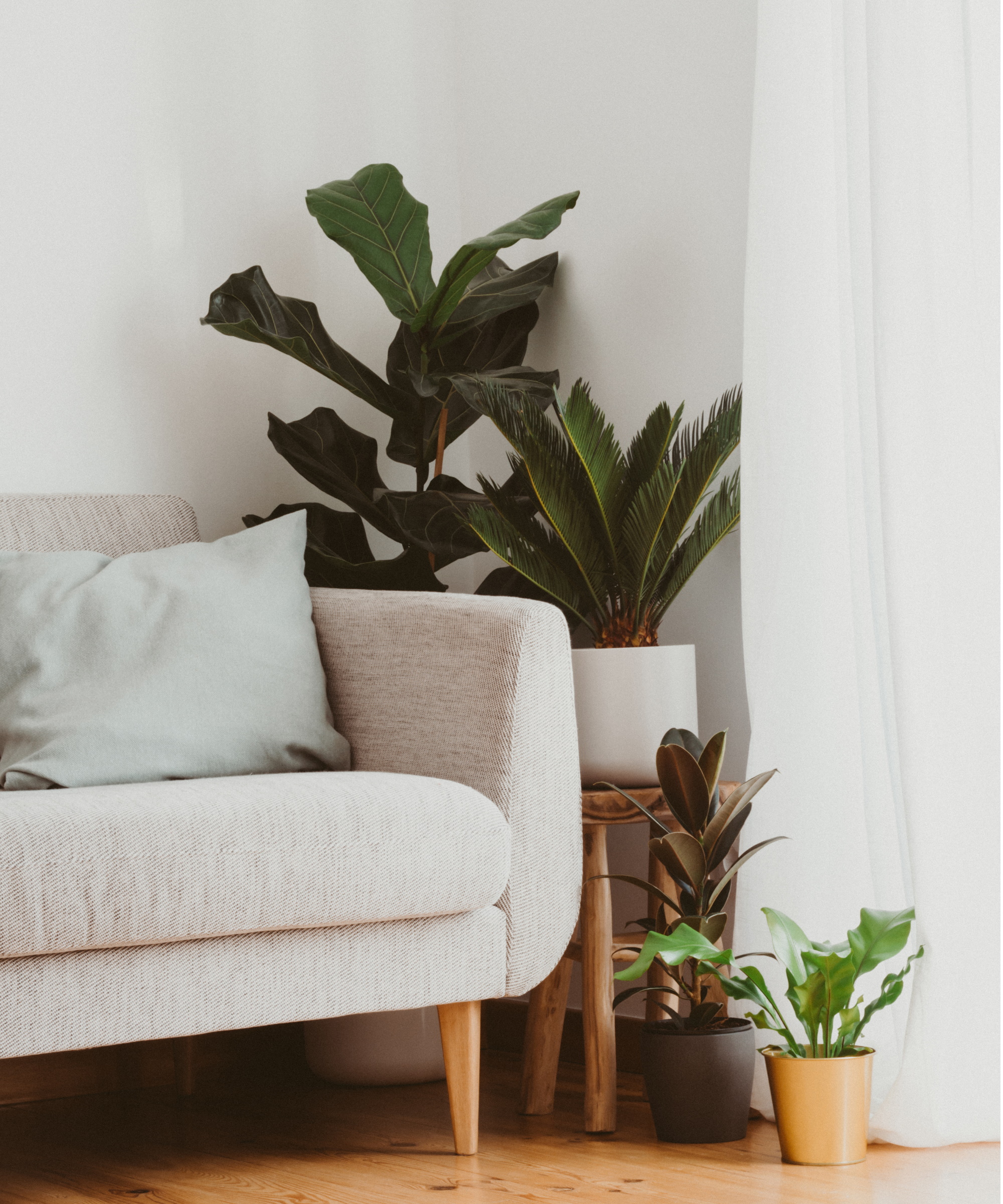
The best approach for pest prevention is using a range of methods, including keeping on top of houseplant care to encourage good health
(Image credit: Getty Images / Olga Peshkova)
All you have to do to use cinnamon to stop houseplant pests is sprinkle it on the surface of your houseplant soil.
You may like
Optionally, you can work it into the soil, as the antifungal properties of cinnamon can help prevent soil-borne diseases, protect plant roots, and help prevent issues like houseplant root rot.
But, for the purpose of repelling pests, sprinkling on the surface is enough.
Take care not to overdo it, however, as there is a chance a thick layer of cinnamon can grow mold when dampened, despite its antifungal properties. A light sprinkling is sufficient to create an anti-pest barrier.
For deterring sap-sucking pests, like thrips, you can apply cinnamon on plant leaves.
You can do this either by directly sprinkling it or by making a foliar spray. The latter consists of steeping one teaspoon of cinnamon in four cups of warm water, straining it, and spraying leaves lightly. A plant mister (like this one from Amazon) is the best vessel for this.
This method can also help get rid of powdery mildew on plant leaves, once again thanks to its antifungal properties.
You should likewise take care to only do this lightly. A heavy layer of cinnamon will block plant pores (stomata) and hinder your plant’s ability to perform essential processes like photosynthesis, stunting plant growth and leading to its gradual decline.
FAQsDoes Cinnamon Kill Houseplant Pests?
Cinnamon doesn’t kill houseplant pests, but is rather an organic repellent and fungicide. Removing fungus makes houseplant soil less inhabitable and appealing for pests like fungus gnats, naturally deterring them.
Can You Use Cinnamon Oil on Houseplants?
While it is possible to use cinnamon oil (like this from Amazon) on houseplants to prevent pests and act as a natural fungicide, it isn’t always the best method. This is because it’s much stronger than cinnamon powder and may actually burn roots and leaves if not diluted. If you do choose to use it, the best thing to do is dilute it in water and use it as a spray, or use it very sparingly on soil to control fungus gnats.
Using cinnamon alone to prevent pests isn’t the most efficient method. You should also keep on top of plant care, providing good airflow, cleaning houseplant leaves, and watering correctly, for the strongest preventative approach.
If you do struggle with getting rid of pests, our guide to getting rid of bugs from houseplant soil has a range of effective methods to try.
Shop Houseplant Essentials
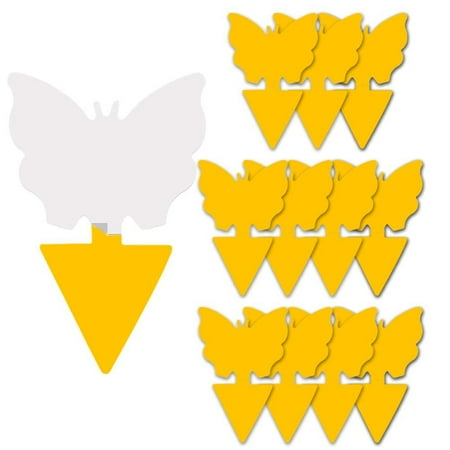
These yellow sticky traps are perfect for capturing adult fungus gnats, stopping them from laying eggs in houseplant soil. Simply insert into your houseplant’s potting mix.
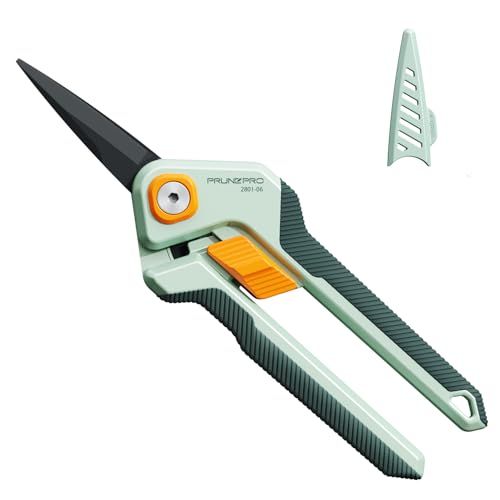
Use these houseplant snips to prune plants and remove damaged foliage. The stainless steel blade makes clean cuts.
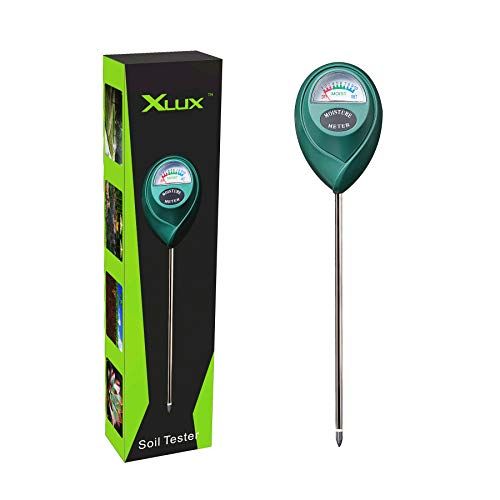
Use this soil moisture meter to monitor moisture levels in the soil. It helps you avoid over- or underwatering houseplants.
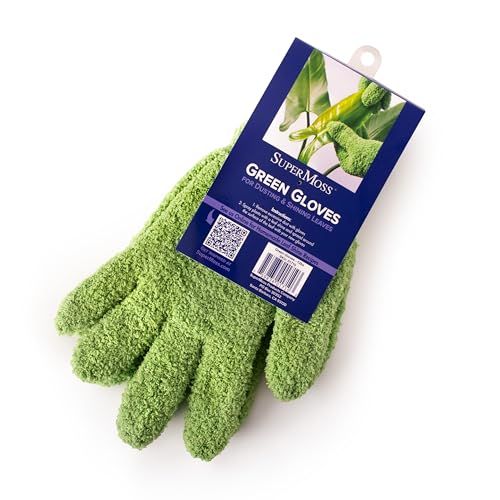
Houseplant Dusting Gloves
These microfiber houseplant dusting gloves effectively swipe up dust on houseplant leaves, keeping them clean and deterring pests.
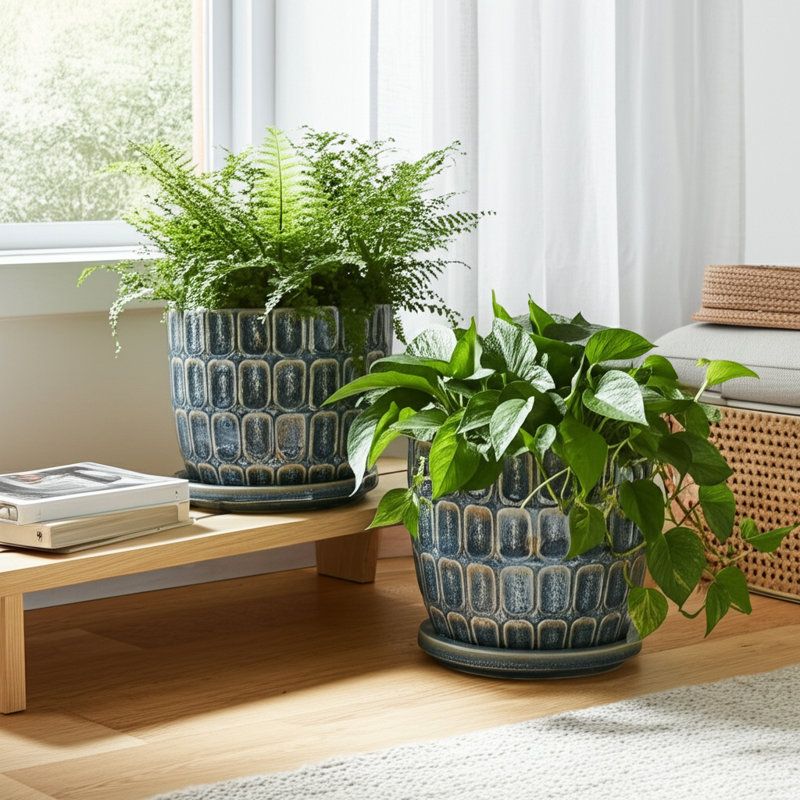
These stylish ceramic planters will uplift your indoor garden, while aiding moisture management with their drainage holes and saucers.
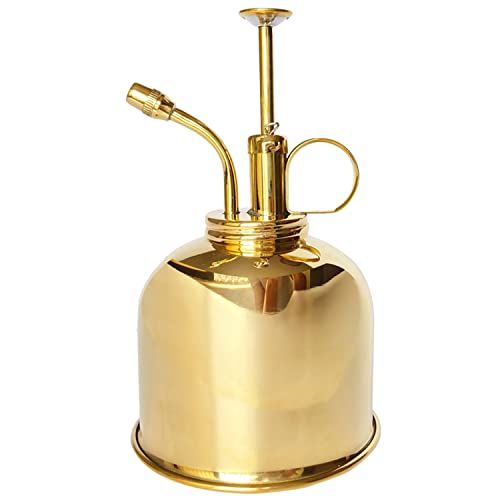
This brass plant mister has a golden finish for decorative purposes. Use it to spritz houseplants and boost humidity.
Comments are closed.