
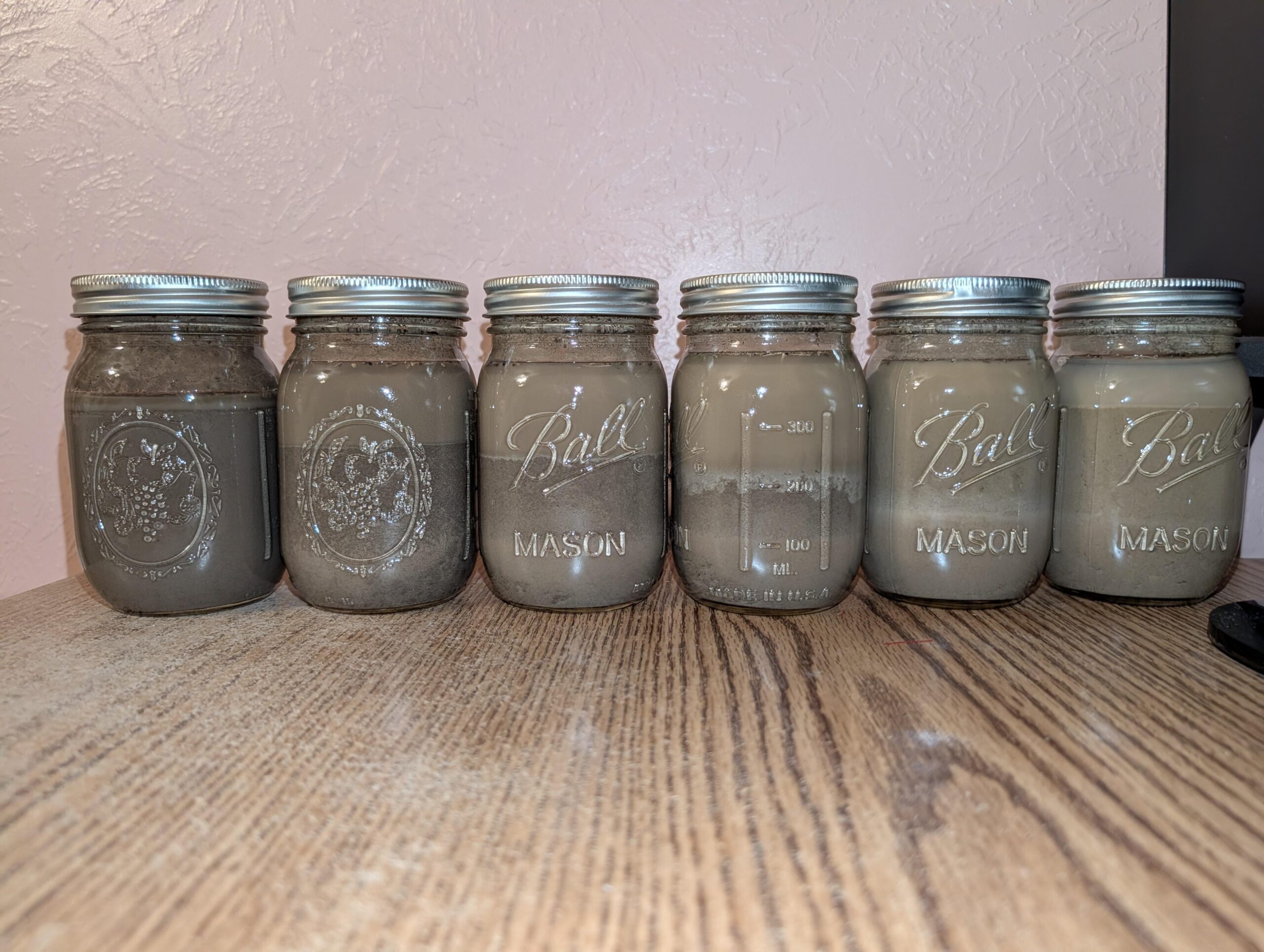
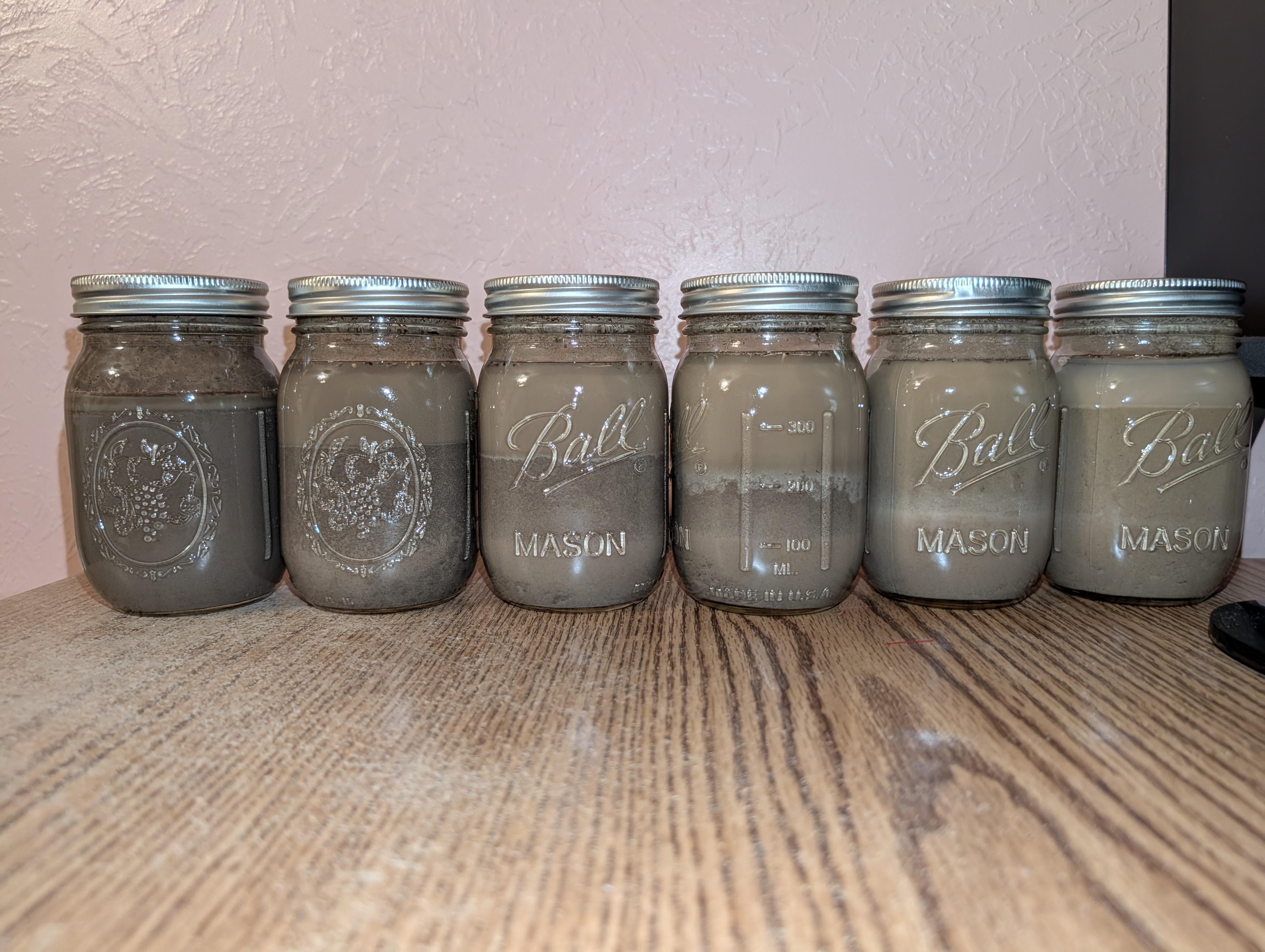
So I went through the steps of trying to find out the soil composition at different depths in my yard (pic) only to find out the usda soil series sample was taken like a mile from my house so I actually have access to great info lol
https://soilseries.sc.egov.usda.gov/OSD_Docs/V/VIDOR.html
So long story short parts or my yard literally do not drain and have zero structure. 2+ weeks after a rain and the soil will flex like actual palydough when you walk on it to verifying degrees. I am trying to find a cost efficient method to make that part of the yard actually walkable, and additional I'm going to pop a small greenhouse in a very similar spot (only decent spot for light)
My current "idea" is to basically till in wood chips in the top 7" or so with a rototiller to hopefully fix some of the issues. #1 I don't know if this is stupid I'm reading mixed things on it.
2 I'm concerned that tilling in a decent amount of wood into the soil would make it a termite hotspot and I'm worried about that being close to my house (house is treated but I'm paranoid)
Does anyone have experience or suggestions on what path forward I can take for this? I do have a quote to fill and level a lot of the spots but it's way outside of any budget I'm going to have for a long time and even if it's only a bandaid, or something that will only partially help I'm looking for something I can do nowish.
Thank you.
by ThreeEasyPaymentsof
2 Comments
what are you hoping to accomplish? There aren’t a lot of legitimate reasons to amend soil, and even fewer reasons to rototill (which Increases compaction, exacerbates erosion, and kills most of the beneficial things in soil). And why wood chips?
Generally the best way to amend soil is by incorporating organic matter in some form. If you have termites in your area, then you might want to avoid woodchips, but I’m not experienced with that pest. You could top dress your lawn with compost and over time the worms and microbes in the soil will pull it deeper into the soil, increasing drainage. You could also mulch leaves into small pieces in the autumn and allow them to be worked into the soil by the same mechanism.
Tilling can work, especially if you don’t want to wait for results. However, you then have to manage weeds while you’re trying to get grass to grow, and you won’t be able to go on your lawn for a few months, maybe until the following year while the grass establishes. Tilling does compact the soil over time by creating a hardpan, but this only really matters if you’re tilling every year.