
 Centennial Ruby Hydrangia (Monrovia)
One of the benefits of writing this column is previews of items being introduced each spring. Sometimes I even get living samples so I can try introductions myself. I know we have a while, but here are some plants to look for.
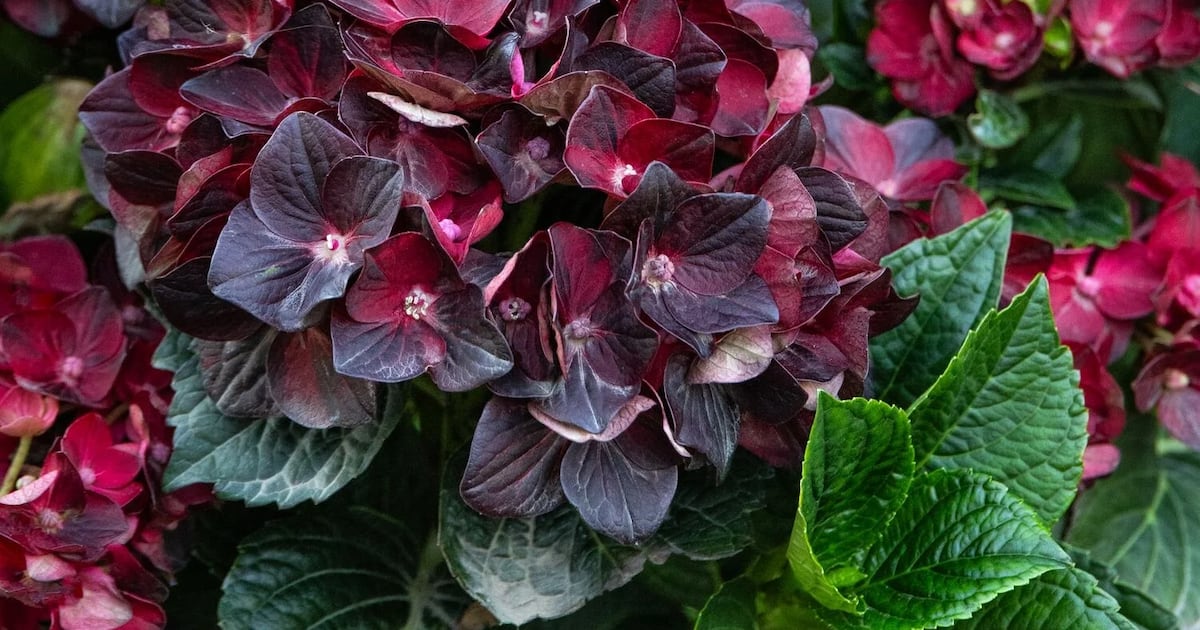
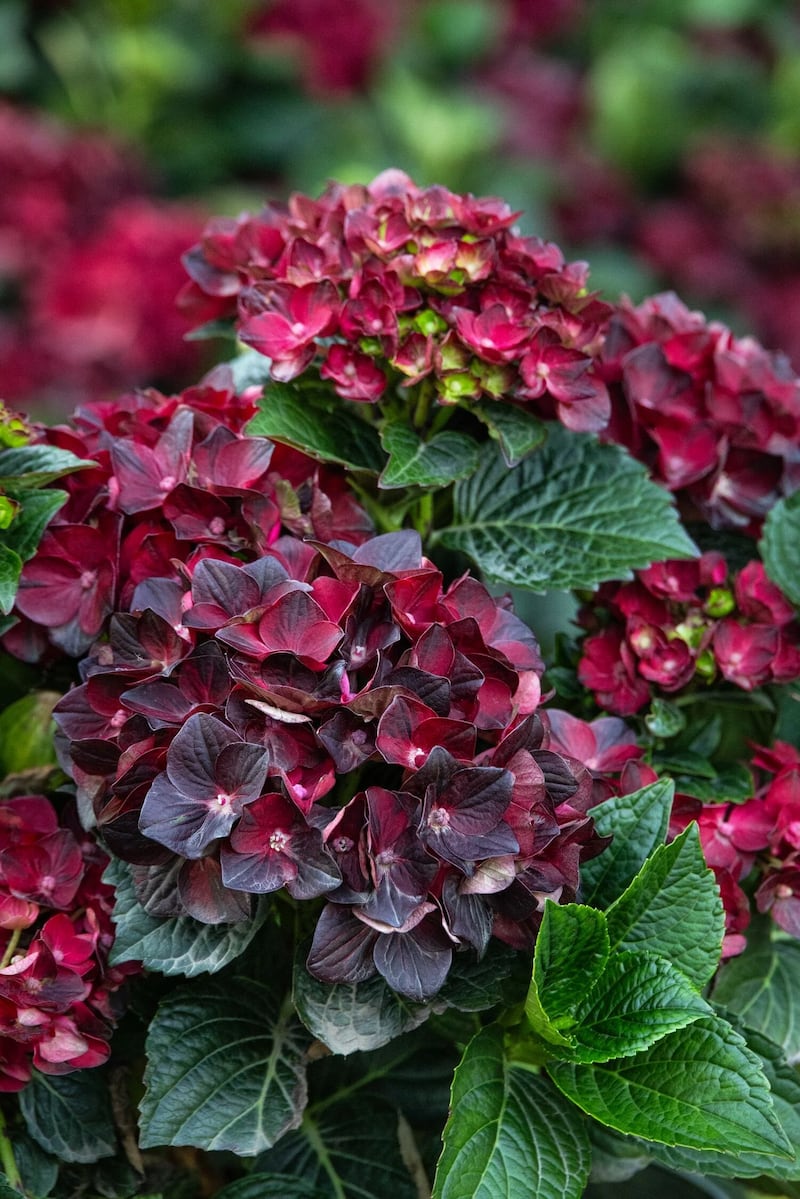
Let’s start with the Centennial Ruby Hydrangea marketed by Monrovia, which means it should be sold here and we will be able to enjoy it. Get this: The plant is so special, Monrovia choose it to commemorate their 100th anniversary.
As you might expect from the name, its red color is unique and its main selling point. The plant branches well (all the better to hold flowers), forming a shrub that is 3 feet by 3 feet. The flowers are waxy and will last a long time (all season?) as they go through opening and display phases. It is rated zone 5 in the USDA Plant Hardiness Zone Map. But just to ensure success here, a nice layer of mulch in the fall is merited.
Another offering from Monrovia is Seaside Serenade, which has dark, ruby leaves. What makes this so unique are the flowers, which come in multiple shades of pink. It grows into a 4 foot by 4 foot shrub, which will do fine here.
Nitty Gritty White Rose has semi-double flowers with a bright yellow stamen. This is a very fragrant rose, hardy to zone 4. It forms a really beautiful shrub, 4 feet tall and 3 to 4 feet wide.
Next, there is a new tomato in town. This one is called BadaBing! It produces large cherry tomatoes starting 65 days after transplanting, and does so continually on an indeterminate plant that stays 40 inches tall. It has won all manner of 2026 awards, so expect good things. It will do best up here in a greenhouse, but you could grow it on the porch with some sort of nightly cover. Remember, it takes a minimum of 55 degrees for tomatoes to set and hold fruit.
There is a new pole bean call Majesty, which has a distinctive purple color. These are said to be extremely productive and very decorative at the same time. The vines quickly grow to 5 or 6 feet.
And there is a new, compact, purple and very frilly kale called Rubybor. While kale is not my taste (for eating or viewing), this is a really unusual looking thing that might fit as an edible border plant. It forms mounds, 36 inches high and 24 inches wide. Moreover, it won AAS’s gold medal for edible and ornamental categories, a first to win in both categories.
Then there is a nice, new, compact seed dahlia called Venti PinkBurst. Blooms are 3 to 6 inches wide and the colors are wonderfully pink — two tones.
On the perennial side, a new dianthus called Supra Cherry Picotee. It is a fringed flower, white and pink, surrounding a deeper pink center. I want this one.
Mock orange Pearls of Perfume is a great addition to the garden scent palette. It is unusual because it reblooms from spring to fall, which gives a longer season. Plants are 5 to 6 feet tall. There is really nothing that compares to the smell.
Finally, if you have time (and it being winter, what gardener doesn’t), look up the Proven Winners Direct catalog.
Jeff’s Alaska Garden Calendar
Alaska Botanical Garden: Once again, too much to list here. And I am asking you personally, please join.
Seeds to start: Sweet peas. Pinch them back once they develop two or so sets of leaves.
Stored plants: Fuchsia, begonias, rhodochiton, pelargoniums. Time to get them out of storage and up and running.
Water plants: My greenhouse fan now goes on when the sun is out. This is a sure sign that indoor plants are up and running and you need to water them a bit more often. Check them daily until you can establish a routine that has adjusted to having light again.
Comments are closed.