
Tomatoes, potatoes and tamarillos can also come under attack from psyllids, caterpillars and whitefly at this time of year.
Products such as Yates Mavrik or Yates Success provide effective protection when used as directed.
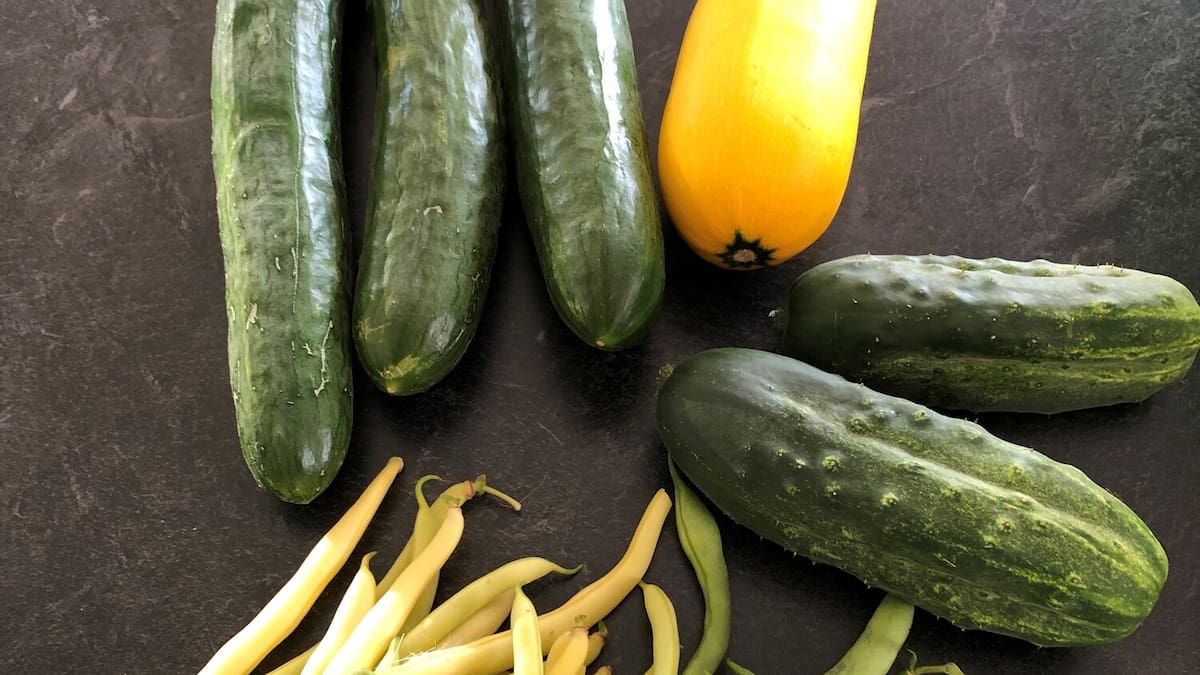
Zucchini and beans remain strong producers and should be harvested every couple of days.
Regular picking prevents fruit from becoming oversized, tough or stringy.
Cucumbers, rock melons and watermelons are also cropping well now. Potatoes planted in October and November will be ready for lifting as the foliage dies down.
For storage, lift them on a dry day and store in a paper bag in a cool, dark place.
Planting time
With March approaching, autumn and the change of season are firmly in sight.
This is one of the most important planting periods of the year, ideal for establishing trees, shrubs and lawns, as well as planting spring bulbs.
It is also time to begin regular plantings of winter vegetable seedlings.
Brassicas are excellent winter crops but require time to mature. Broccoli typically takes 8-10 weeks, while cauliflower and cabbages need 12–15 weeks.
Faster-growing options include kale, silverbeet and pak choi.
Root crops such as carrots and parsnips should be sown directly into the garden and take 16-20 weeks to harvest, while swedes mature slightly quicker at 12-16 weeks.
Leafy winter vegetables are vulnerable to insect damage when young, particularly from white butterfly caterpillars.
Protect seedlings with bug netting or spray with Yates Success or Mavrik.
As the weather cools, insect pressure reduces, making crops easier to manage.
Delaying planting too long means slower growth and crops not maturing until spring, so it is essential to get winter vegetables established before temperatures drop.
Even in small gardens, winter vegetables are well worth growing. Homegrown produce is fresher, you know exactly how it has been treated, and it can save money when winter vegetable prices rise sharply.
There is also great satisfaction in harvesting and serving food grown in your own garden.
Leeks
Leeks are hardy, reliable and largely trouble-free.
They grow best in free-draining, organically rich soil with added lime to create a slightly alkaline environment.
Larger leeks tend to have stronger flavour. They are best thinned out with one plant per hole.
Leeks will be smaller if planted in multiples per hole.
Keep beds weed-free, as leeks dislike competition, and harvest as needed – they can safely remain in the ground for months.
Brussels sprouts
Brussels sprouts need to be planted early to develop tall stems before growth slows in cooler weather, as sprout numbers depend on stem length.
Like all brassicas, they thrive in fertile soil with plenty of nutrients and benefit from lime before planting.
The main pest is white cabbage butterfly. Control caterpillars with Yates Mavrik or Success, or exclude butterflies entirely using fine bug netting.
Companion plants such as oregano, mint, thyme, rosemary, sage, dill and chamomile are said to help deter pests and improve plant growth and flavour.
Carrots and beetroot
Now is an excellent time to sow carrots and beetroot for autumn and winter harvests.
The Ican Chefs Best Seed range offers high-performing varieties bred for superior taste, disease resistance, vigour and yield, many of which are compact and ideal for raised beds and containers.
Beetroot “Red Lightning” is sweet, tender and fast-maturing, producing uniform deep-red globes.
Carrot variety “Europa” offers strong germination, rapid growth and excellent disease resistance with long, straight roots.
Prepare soil well, sow seed finely, thin seedlings for best results, keep beds moist and weed-free, and protect young plants from slugs.
Beetroot generally suffers from very few pest or disease issues.
Broccoli, cauliflower and cabbage
When growing brassicas, crop rotation is essential to reduce clubroot and other soil-borne diseases.
These crops are heavy feeders, requiring good levels of nitrogen and potash, with consistent watering to encourage steady growth.
White butterfly caterpillars are the main challenge in late summer and autumn.
Bug netting is the most effective preventive method, while bee-friendly Yates Mavrik offers excellent control if spraying is required.
Soil care
Continue planting winter greens including broccoli, cabbage, cauliflower and Brussels sprouts.
Make successive sowings of lettuce and plant celery, spinach, silverbeet, rainbow beet, beetroot, carrots, swedes, turnips, radishes and peas.
Healthy soil underpins success in the vegetable garden.
Incorporate well-rotted animal manures, compost or soil conditioners such as Yates Dynamic Lifter or Tui Sheep Pellets to improve structure and fertility.
Side-dress crops with iCan Real Blood & Bone or iCan Organic Vegetable Food.
If growth slows, boost plants with a weekly liquid feed using iCan Fast Food.
Gareth Carter is the general manager of Springvale Garden Centre in Whanganui.
Comments are closed.