
Each February, the Great Backyard Bird Count invites us outside to pause and notice who shares our outdoor space.
What seems like simple birdwatching quickly becomes something more revealing. For gardeners, it’s a snapshot of ecosystem health unfolding in real time.
Why the Great Backyard Bird Count Matters for Gardeners
The Great Backyard Bird Count is a global citizen-science event where participants “identify, count, and submit” birds to help scientists better understand populations worldwide. Even brief observations contribute to research tracking where birds overwinter and how they’re faring across regions.
This data matters. Researchers have documented a loss of billions of birds in North America, largely due to habitat loss. As the National Audubon Society notes, “Birds are telling us, in their behavior, in their dwindling numbers…that we must take action now”.
Your yard is part of that story.
What Your Bird List Reveals About Your Yard’s Health
A short list of birds that you’ve observed in your yard can reveal surprising truths. High diversity in birds often signals a layered habitat made up of healthy trees, shrubs, seedheads, and insect life.
A yard dominated by just a few feeder species may suggest limited natural food sources.
Bird behavior offers clues, too. Birds that are foraging in leaf litter indicate insect abundance. Woodpeckers clinging to trunks suggest standing deadwood. Nectar feeders hint at flowering plants.
The Difference Between Attracting Birds and Supporting Them
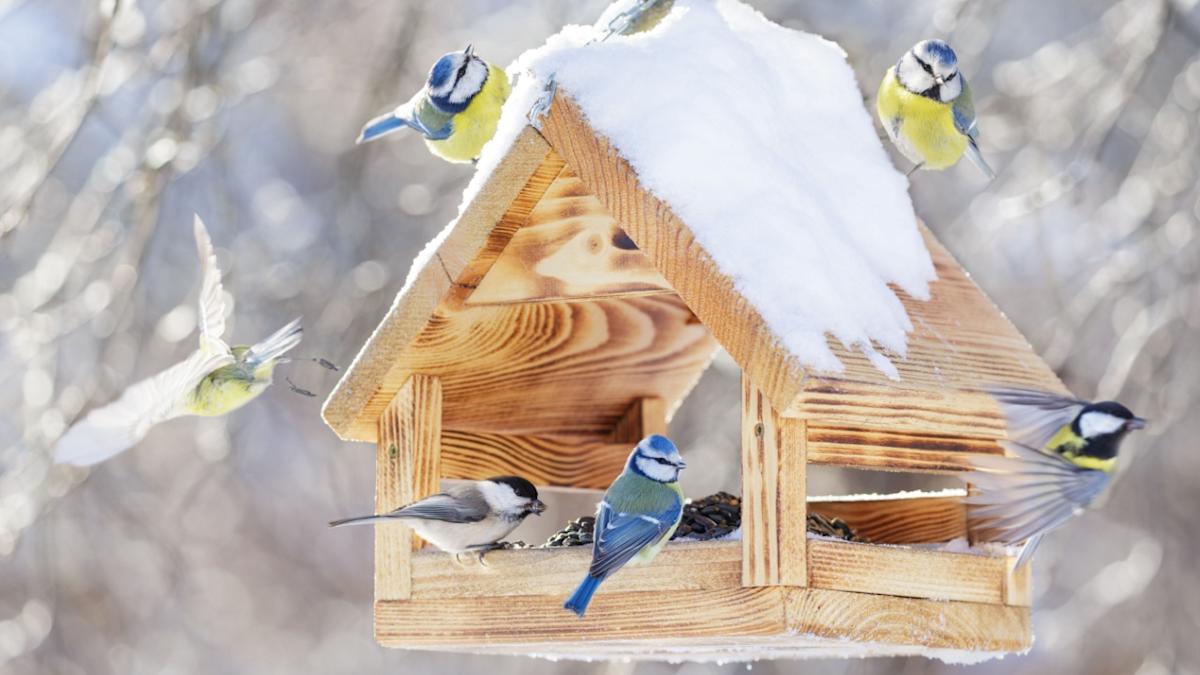
Feeders can supplement food, and different types of feeders can attract different species.
However, thriving ecosystems go beyond pure attraction. Gardens should provide food, water, and shelter throughout a bird’s life cycle.
Native plants are especially powerful. They support insects, which in turn feed nestlings. Skipping excessive fall cleanup protects overwintering insect larvae, which are critical fuel for spring bird migrants. Clean water sources matter too; bird baths must be maintained to prevent disease.
The shift in mindset here is subtle but important: we have to go from asking “How do I bring birds here?” to “What do birds need to survive here?”
Small Landscape Changes That Strengthen Bird Populations
After participating in the Great Backyard Bird Count, take inventory of your yard. Do you have layered plantings? Native shrubs for shelter? Seedheads left standing? Berries?
Even adding a shallow water source or reducing window hazards can make a measurable difference, from attracting birds to your yard to providing a year-round bird-friendly habitat.
What to Do Next
Keep observing the birds that appear in your yard beyond February. Notice seasonal shifts, and compare mornings to afternoons. Watch not only who appears, but what they’re doing.
The Great Backyard Bird Count teaches us that our yards aren’t isolated plots. They’re living systems, connected to migration routes and continental trends. Small changes, repeated across neighborhoods, ripple outward.
When you count birds, you aren’t just recording names. You’re reading your ecosystem and learning how to care for it better.
Comments are closed.