
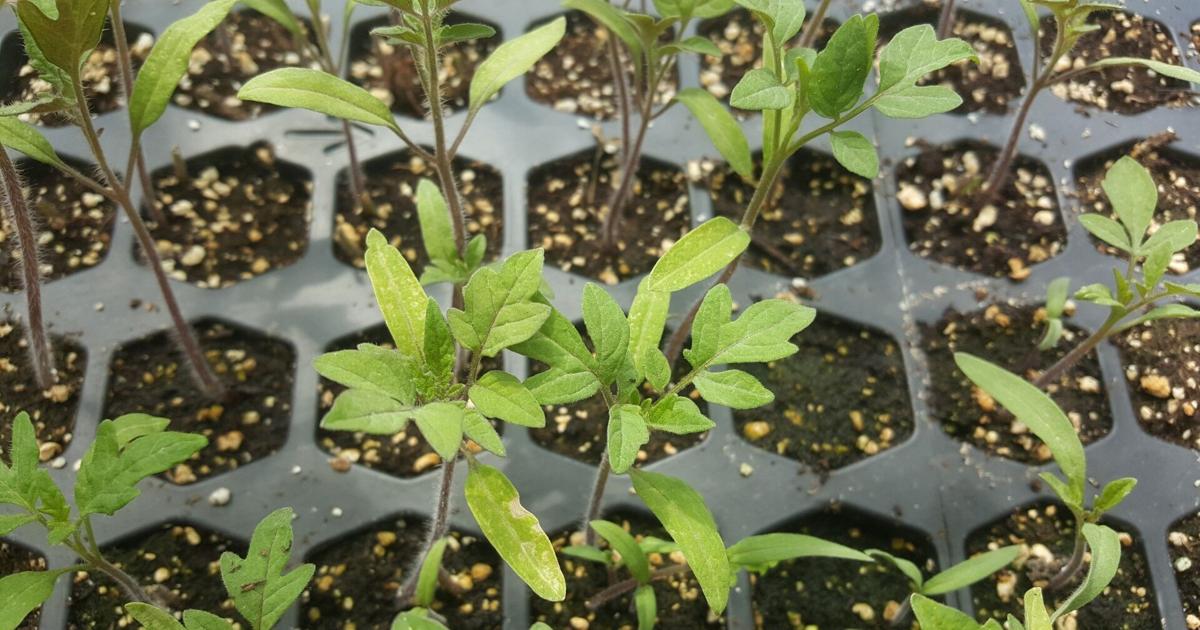
In late winter and early spring, we gardeners cannot wait to get our vegetable seeds and transplants in the ground. And when there’s a spell of unusually warm weather, it’s especially tempting to plant. But planting too early can result in a gardening disaster if freezing temperatures zap your delicate seedlings.
I’ve tried and tweaked different spring planting schedules for more than 20 years in the Pee Dee region. My failures and successes have helped me learn about the ideal times to plant my gardens and to exercise patience.
I made the following table based on books, seed packets, websites (especially the online Clemson Home & Garden Information center https://hgic.clemson.edu/) and word-of-mouth interactions with other gardeners.
But remember, no planting schedule is perfect. For example, although the average “last frost date” in the Pee Dee is in late-March, we still experience freezing temperatures in April on occasion. Because that is the AVERAGE last frost date, the last freeze can be earlier or later than that date. Also, open areas in the country may experience a freeze when nearby urban and suburban areas do not.
The table shows general planting dates for the earliest time to plant different vegetables. But within each category of vegetables — for instance, beans — some varieties can be planted earlier than other varieties. For each variety, check online or read the seed packet for specific planting dates.
If you plant according to this schedule and a late cold snap is forecasted, you should cover your seedlings with some type of a frost barrier. Don’t use plastic tarps because they trap moisture underneath, which then freezes in direct contact with the plants. There are frost cloths/frost blankets available on gardening websites. They are lightweight and breathable, allowing air and water to pass through, but trapping heat.
As an alternative, I bought a couple dozen used bed sheets from a local thrift store. They are less expensive and more durable than frost barrier fabric and don’t get blown away by the wind as easily as frost barrier fabric. I still need to weigh down the edges of the sheets with a few kicks of dirt, if it’s breezy.
If you want to grow your own transplants from seeds, now is the time to start those. Seedlings need to grow indoors (under grow lights) or in a greenhouse for around 6 weeks before their garden planting dates. You can plant those seedlings in the ground at the time I recommend planting seeds, and they will have a good head start.
As always, if you have any questions, feel free to contact me. Happy homesteading!
Spring planting schedule for the Pee Dee
Vegetable
What to Plant
Planting Dates in the Pee Dee
Cabbage
Transplants
January through March
Snow peas
Seeds
Late January-February
Beets
Seeds
February
Lettuce
Seeds
February
Spinach
Seeds
February
Turnips
Seeds
February through mid-March
Carrots
Seeds
Mid-February
Broccoli
Transplants
Mid-February through March
Collards
Transplants
Mid-February through March
Irish potatoes
Tubers
Mid-February through March
Sweet corn
Seeds
Mid-March through April
Watermelon
Seeds
April
Beans
Seeds
April
Cantaloupe
Seeds
April
Cucumbers
Seeds
April
Squashes
Seeds
April
Peppers
Transplants
Mid-April
Tomatoes
Transplants
Mid-April
Eggplant
Transplants
Mid-April
Okra
Seeds
Mid-April
Sweet Potatoes
Slips, transplants or whole
May through mid-June
Comments are closed.