

Image Credit: Shutterstock.
February can feel deceptively warm in USDA Plant Hardiness Zones 7–10, but experienced gardeners know it’s a month that rewards patience. This is the time of year when enthusiasm often outpaces the weather, and when small missteps can quietly undo weeks of progress.
In these warmer plant hardiness zones, February is the bridge between winter and spring. A few mild afternoons can trigger “false spring panic,” tempting gardeners to plant early or prune aggressively. But late freezes, cold soil, and strong winds are still very much in play. The payoff for slowing down now is a garden that transitions smoothly once spring truly arrives.
Focus on Cleanup, Soil, and Structure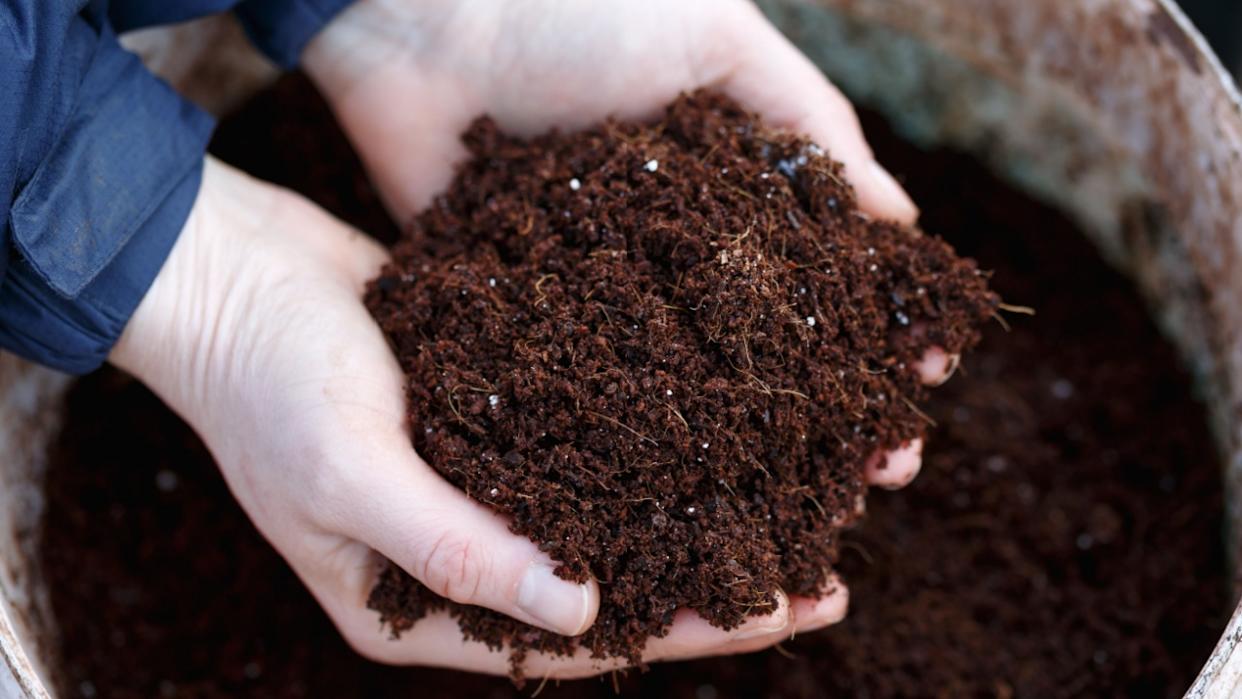
Image Credit: Shutterstock.
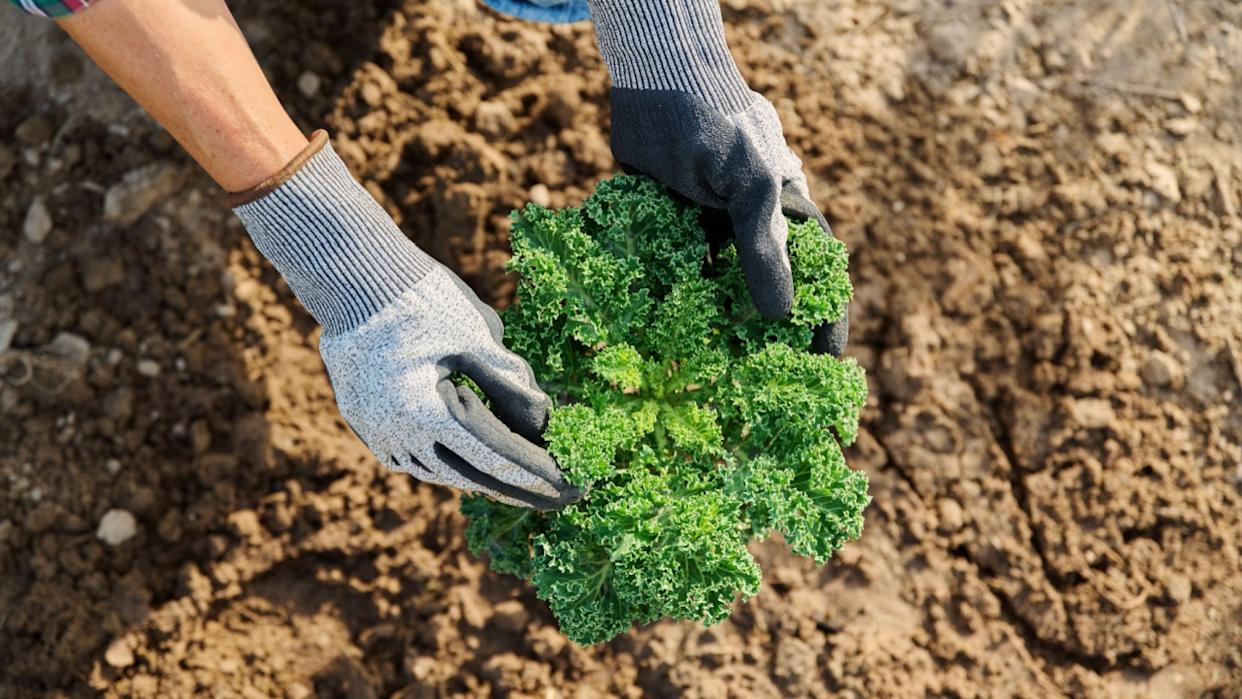
February is ideal for focusing on preparation. Garden beds benefit from clearing debris that has accumulated over winter, which reduces overwintering pests and disease.
Soil testing, loosening compacted areas, and adding compost now improve structure before heavy planting begins.
Prune Carefully and Selectively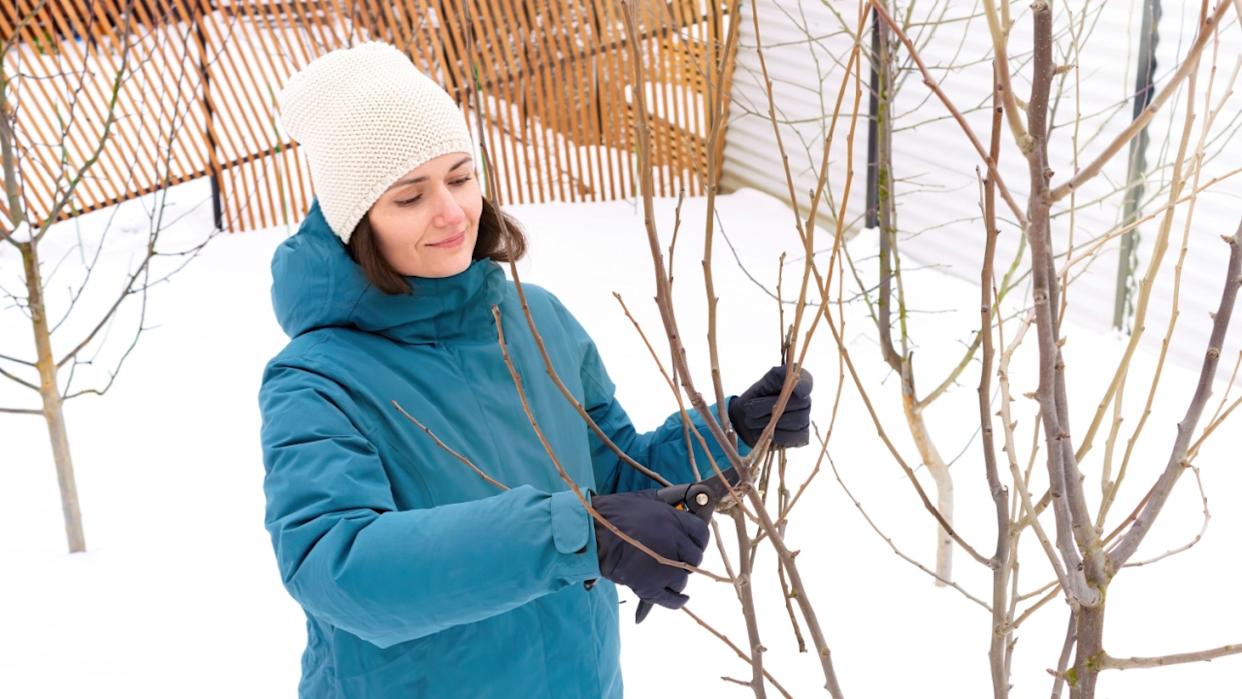
Image Credit: Shutterstock.
February is the time to prune dormant trees, roses, and non-spring-flowering shrubs to improve airflow and shape before active growth begins.
However, spring bloomers like forsythia, azaleas, camellias, and lilacs should be left alone. Pruning them now removes flower buds that have already formed.
If you pruned too early, don’t panic because most plants recover. The bigger mistake is continuing to cut once growth starts.
Plant with Protection in Mind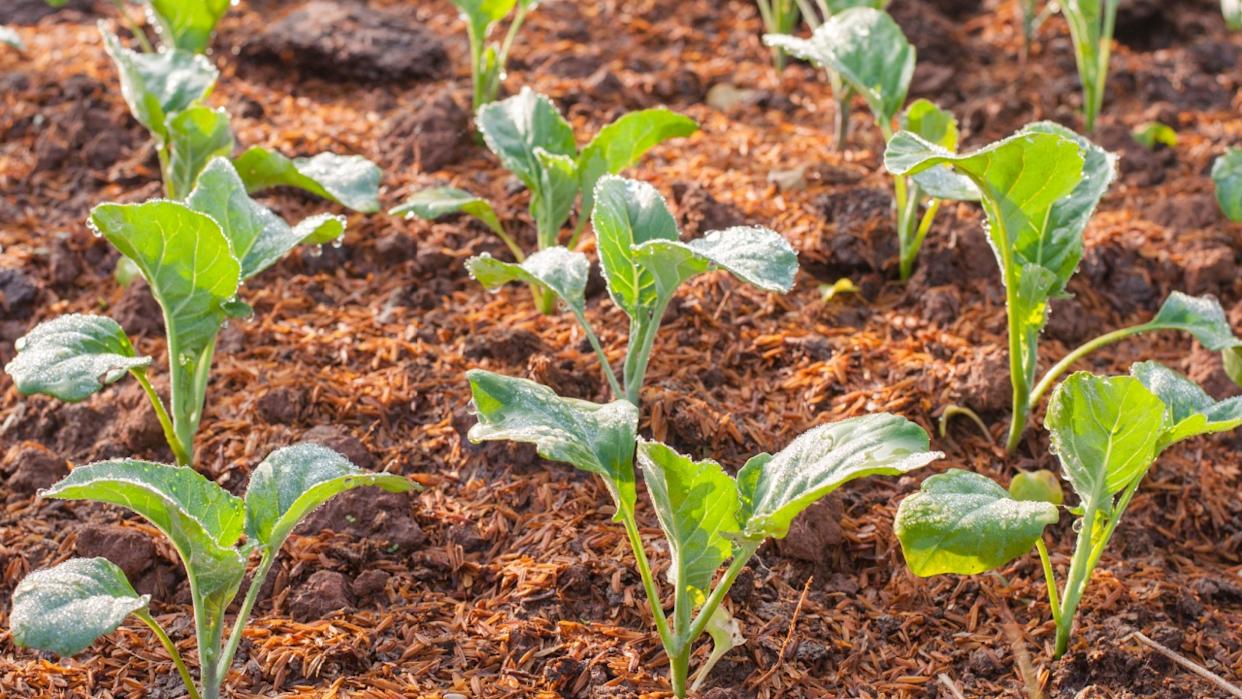
Image Credit: Shutterstock.
Cool-season vegetables such as lettuce, spinach, kale, peas, carrots, and radishes can be planted safely in February, especially if you have row covers nearby.
Warm-season crops like tomatoes and peppers are best started indoors while temperatures are still fluctuating. Soil temperature matters more than air temperature. Even warm days won’t heat cold ground quickly, which explains why soil can stay chilly despite sunshine. You’ll want to wait to transplant out tomatoes, peppers, and other warm-season crops until the soil warms.
Lawns, Mulch, and Watering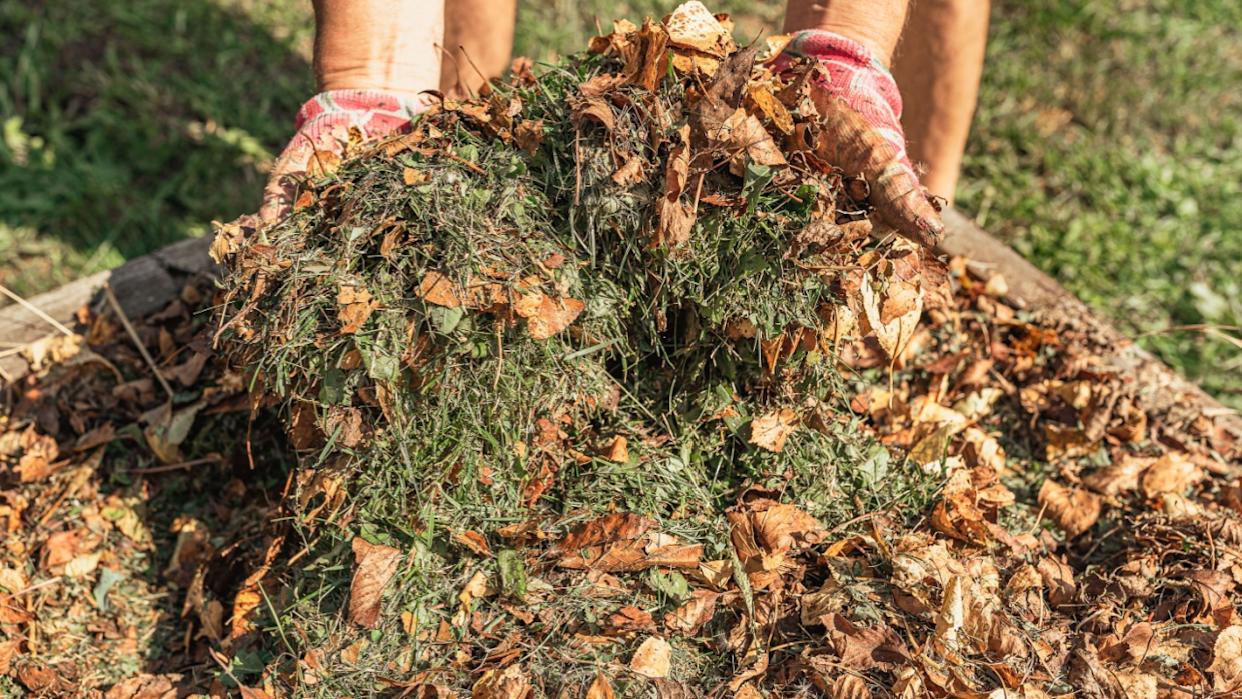
Image credit: Shutterstock.com.
Lawns benefit from gentle attention this time of year. Chores include raking debris, checking irrigation systems, and delaying fertilizer until nighttime temperatures stabilize.
You’ll want to time the application of any pre-emergent herbicides with the temperature. Many gardeners regret applying pre-emergent too early, especially when weeds are misidentified.
Mulch protects soil and suppresses weeds, but wait to apply a new layer until the soil warms slightly to avoid trapping cold moisture.
What to Do Instead When the Weather Swings Weekly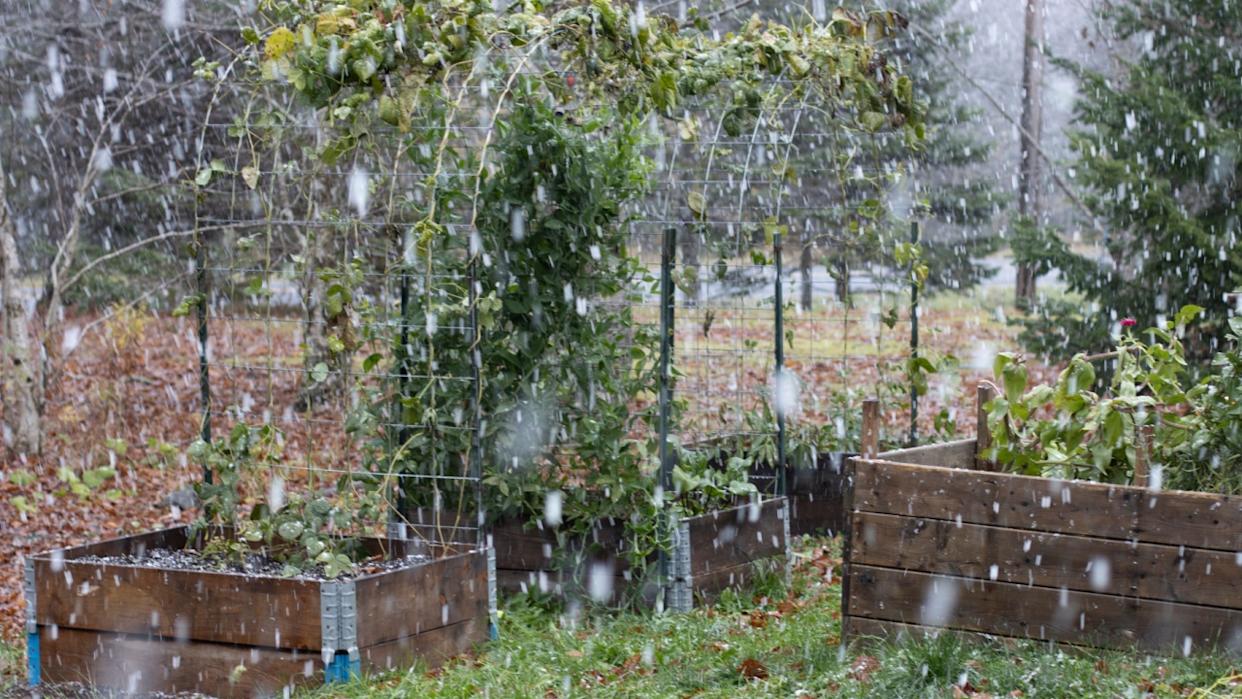
Image Credit: Shutterstock.
Trust your zone and your forecast, but lean on observation. Microclimates such as south-facing walls, patios, and sheltered beds will warm sooner. Watching neighboring gardens often reveals more than charts alone and “how-to” guides. Keep frost cloths or inexpensive row covers handy, because wind can be more damaging than cold this month.
Comments are closed.