
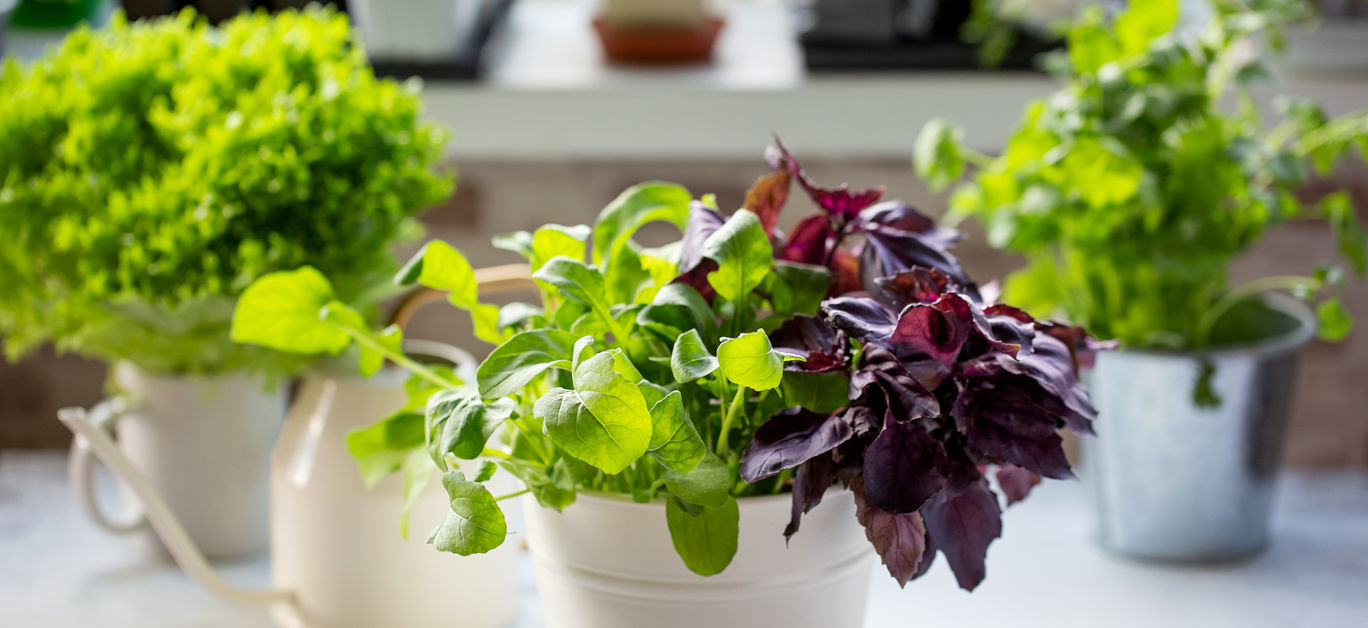
There is something deeply satisfying about snipping fresh basil for a pasta sauce or mint for a morning tea without having to leave your kitchen. In a world of plastic-wrapped supermarket produce that often travels hundreds of miles before reaching your plate, growing your own herbs is a simple, rebellious act of bringing life and flavour back into your home. It’s an invitation to slow down, engage your senses, and reclaim a bit of self-sufficiency.
Whether you have a massive backyard, a tiny balcony, or just a sunny windowsill, you can grow a thriving herb garden. And the best part? You don’t have to wait for the traditional growing season. Most herb seeds do perfectly well indoors, even in the middle of winter, provided they have a little light and a bit of love.
Why it’s better to grow your own
We’ve all been there: buying a plastic-clamshell bunch of parsley from the shop, using two sprigs for a garnish, and watching the rest turn to a sad, yellow mush in the back of the fridge. It’s a waste of money and resources. When you grow your own, you only take what you need, right when you need it. This “living pantry” approach eliminates food waste entirely.
Beyond convenience, there is the matter of potency. The moment an herb is cut, its volatile oils, the compounds responsible for flavour and aroma, begin to dissipate. By harvesting seconds before use, the flavour is punchier and the scent is incredible. Furthermore, you gain total control over the growing process. You know exactly what’s gone into the soil, ensuring your garnishes are free from hidden pesticides or commercial chemical fertilisers.
Beyond the kitchen, herbs are little powerhouses for your health. Consider the “functional” side of your garden:
Mint: A lifesaver for a heavy stomach or digestive discomfort.
Parsley: Packed with Vitamin C and acts as a natural breath freshener.
Rosemary: Full of antioxidants and compounds that may improve memory and concentration.
Sage: Traditionally used to soothe sore throats and reduce inflammation.
It’s basically like having a tiny, natural pharmacy sitting right on your counter.
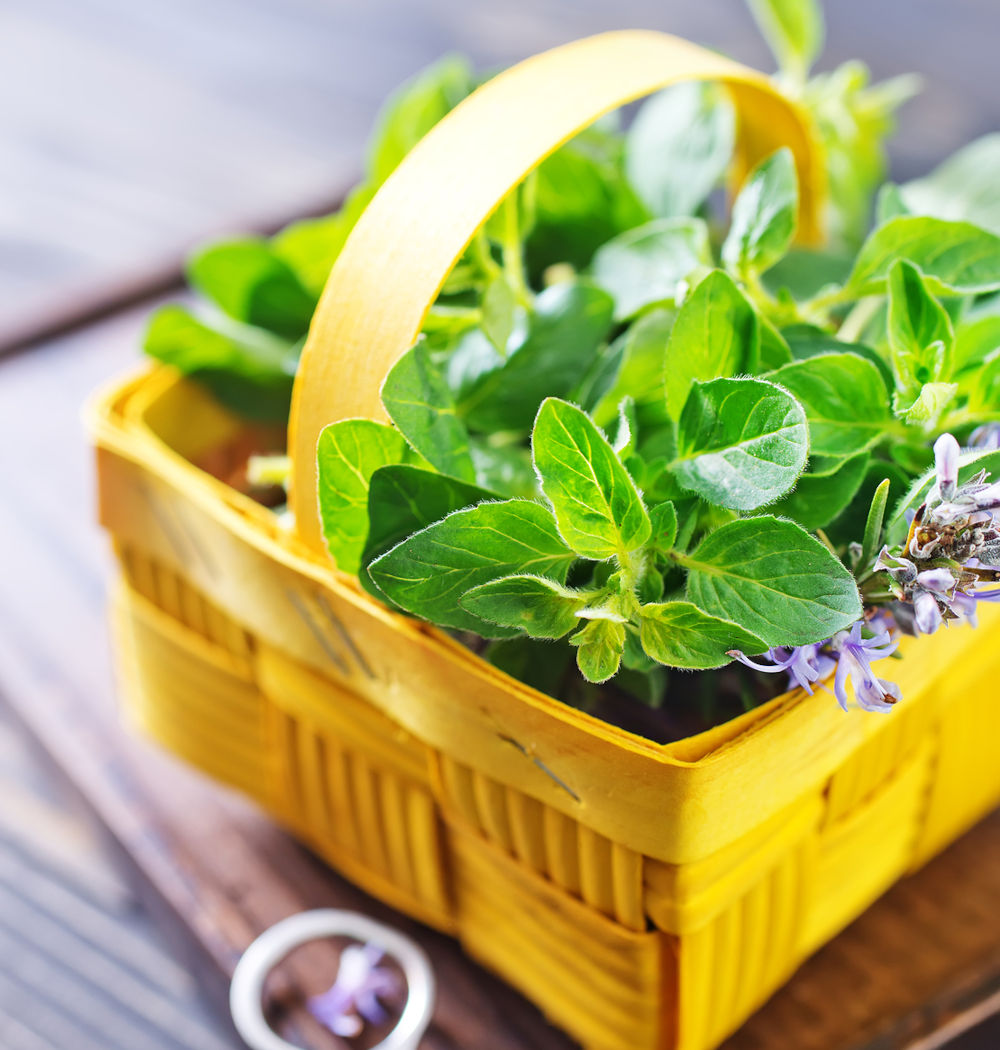 Many herbs are surprisingly resilient and thrive in the microclimate of a home
Winter windowsill gardens: Defying the seasons
Don’t let the cold weather or a lack of outdoor space stop you. Many herbs are surprisingly resilient and thrive in the microclimate of a home. A few pots on a south-facing ledge can provide fresh flavours all year round.
If your kitchen is a bit dark or your windows are shaded by neighbouring buildings, don’t despair. Modern technology has made “indoor farming” accessible to everyone. A simple LED grow light, many of which are now designed to look like sleek kitchen decor, works wonders. These lights provide the specific blue and red wavelengths plants need to photosynthesise, keeping your garden happy during those gloomy January days.
The golden rules of indoor herbs
Drainage is non-negotiable: Herbs hate “wet feet”. If their roots sit in stagnant water, they will rot. Ensure your pots have drainage holes, and use a saucer underneath to catch the excess.
The touch test: Give them a drink only when the top inch of soil feels dry to the touch. Overwatering is the number one killer of indoor plants.
The rotation: Turn your pots 90 degrees every few days. This prevents the plants from leaning awkwardly toward the glass and ensures balanced growth.
The pruning paradox: Interestingly, the more you use them, the better they grow. Pinching off the top leaves encourages the plant to branch out, becoming bushier and stronger rather than tall and spindly.
How to get started (The easy way)
You don’t need a degree in horticulture or a “green thumb” to make this work. Gardening is a learnt skill, not a genetic trait. Here’s the low-stress way to begin:
Pick what you actually eat: This sounds obvious, but many beginners buy “starter kits” full of herbs they never use. Don’t plant cilantro if you are one of the people who think it tastes like soap. If you love Italian food, start with basil, oregano, and flat-leaf parsley. If you’re a tea drinker, focus on Moroccan mint, lemon balm, or chamomile.
Keep the pots simple: you don’t need fancy equipment. Anything that holds soil and drains water will work. Upcycle old terracotta, ceramic bowls (if you can drill a hole), or even large tin cans. If you use metal, just ensure you line it or check for rust over time.
Invest in quality soil: This is where you shouldn’t skimp. Avoid grabbing “dirt” from the backyard; it’s often too heavy, may contain pests, and can become compacted in a pot. Use a high-quality potting mix or a specific “seed starting” mix. These are designed to be light and airy, allowing delicate roots to breathe and expand.
Harvesting etiquette: Never harvest more than a third of the plant at once. This ensures the herb has enough foliage left to continue producing energy for new growth.
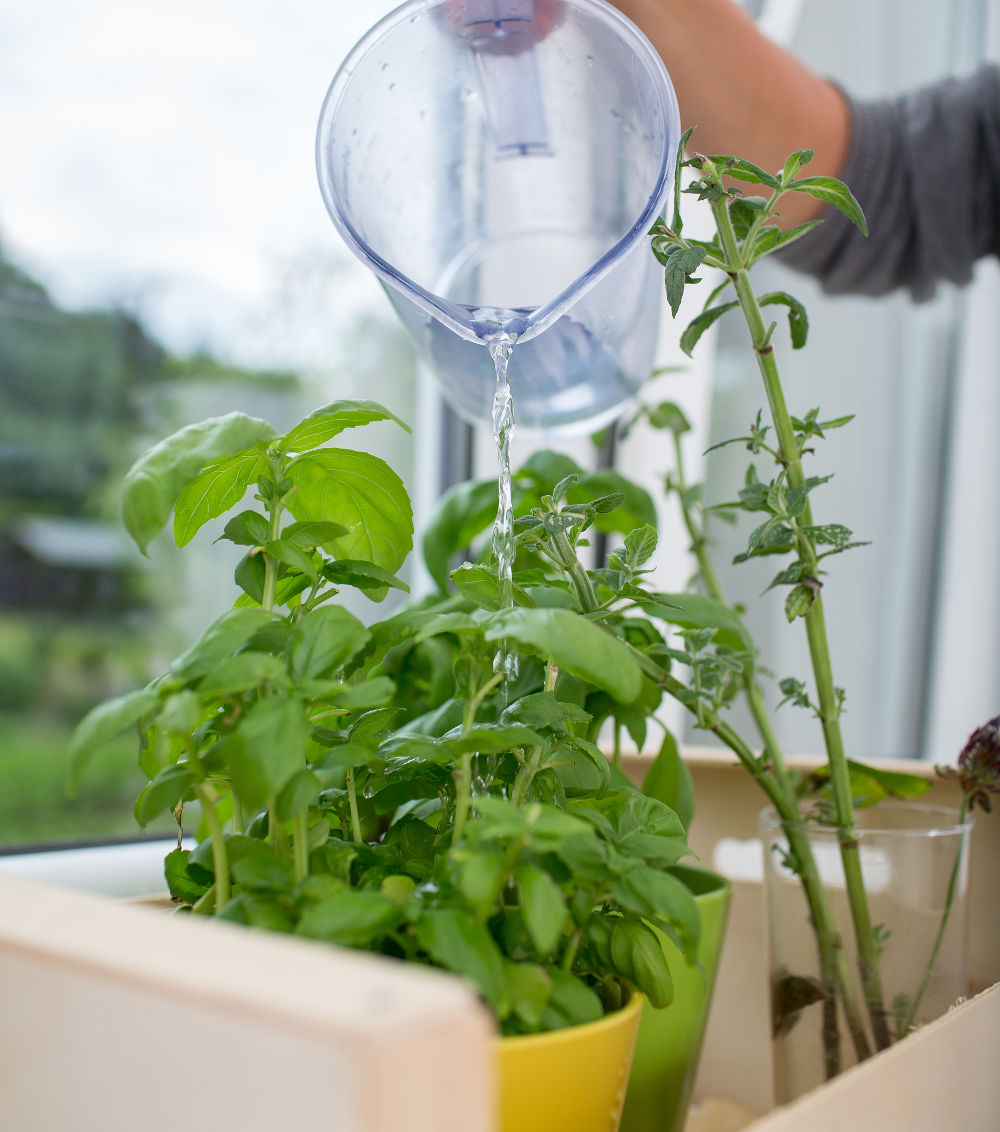 You’ll be surprised at how quickly this small act of cultivation becomes a favourite part of your daily routine
Making the most of small spaces
For those with a balcony or a small patio, your options expand significantly. Vertical gardening is a game-changer for urban dwellers. Wall-mounted planters, or “living walls”, can turn a sunny brick surface into a lush tapestry of thyme, chives, and rosemary.
If you live in a climate with harsh winters, portability is your best friend. Keep your herbs in pots so they can enjoy the summer sun outdoors but be moved inside when the first frost is predicted. A simple window box can hold an entire “pizza garden”, providing all the oregano and thyme you could ever need for a homemade crust.
A little bit of zen
In our hyper-digital world, there’s a profound mental health boost that comes with tending to living things. Spending five minutes a morning watering your plants or running your hands through a rosemary bush to release its oils is a grounding ritual. It’s a sensory experience that forces you to disconnect from your phone and clear your head.
Furthermore, a kitchen garden is a social catalyst. There’s a unique pride in hosting a dinner party and letting a guest pick their own fresh mint for a mojito or garnish their own soup with chives they just clipped. It turns a meal into an experience and connects your guests to the origin of their food.
The bottom line
Growing herbs isn’t an “all or nothing” hobby. You don’t need a greenhouse or a massive vegetable patch to be a gardener. You can start this afternoon with a single pot of something you love, perhaps a hardy rosemary or a fragrant mint.
You’ll be surprised at how quickly this small act of cultivation becomes a favourite part of your daily routine. Even in the dead of winter, having that little splash of green in your kitchen makes the whole house feel brighter, smell better, and taste more alive.
Comments are closed.