

UBC’s Nitobe Garden was built as a symbol of Canadian-Japanese relations, and it continues to attract visitors during the winter season.

Gabriel Ruy / February 12, 2026
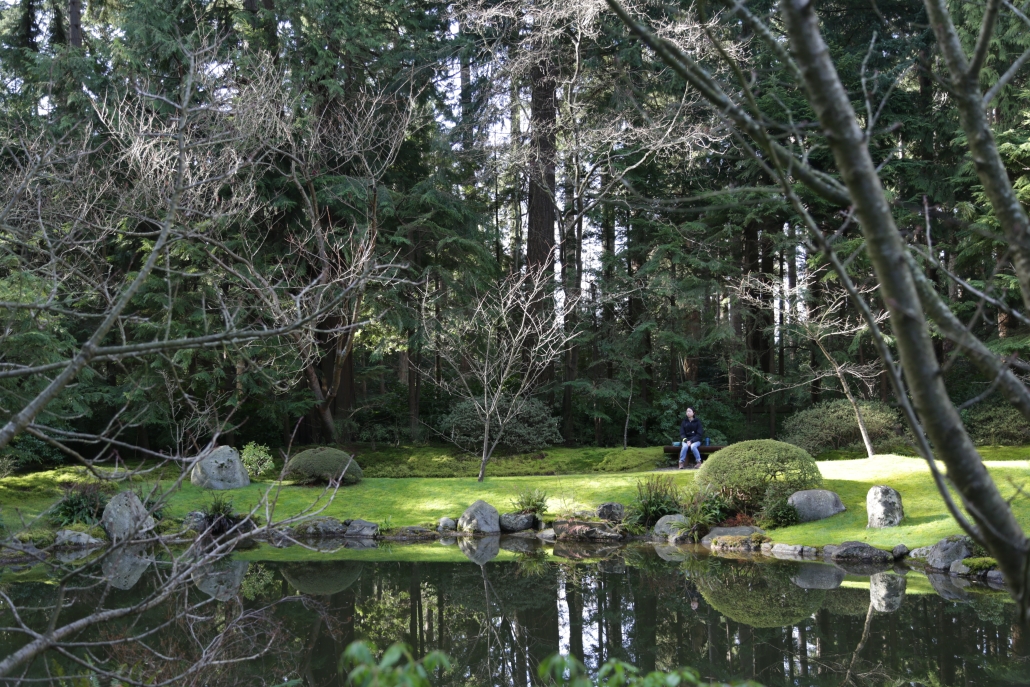
A visitor is seen from across the pond, looking at her surroundings. (Gabriel Ruy / BCIT News)
Even though cooler winter months don’t allow many flowers to bloom, that doesn’t stop UBC’s Nitobe Garden from receiving visitors. For Ryo Sugiyama, who is the garden’s curator, flowers aren’t always the main focus in Japanese culture. In fact, similar value is placed on balance and empty space.
“Caring for those empty spaces is our sense of beauty,” said Sugiyama.
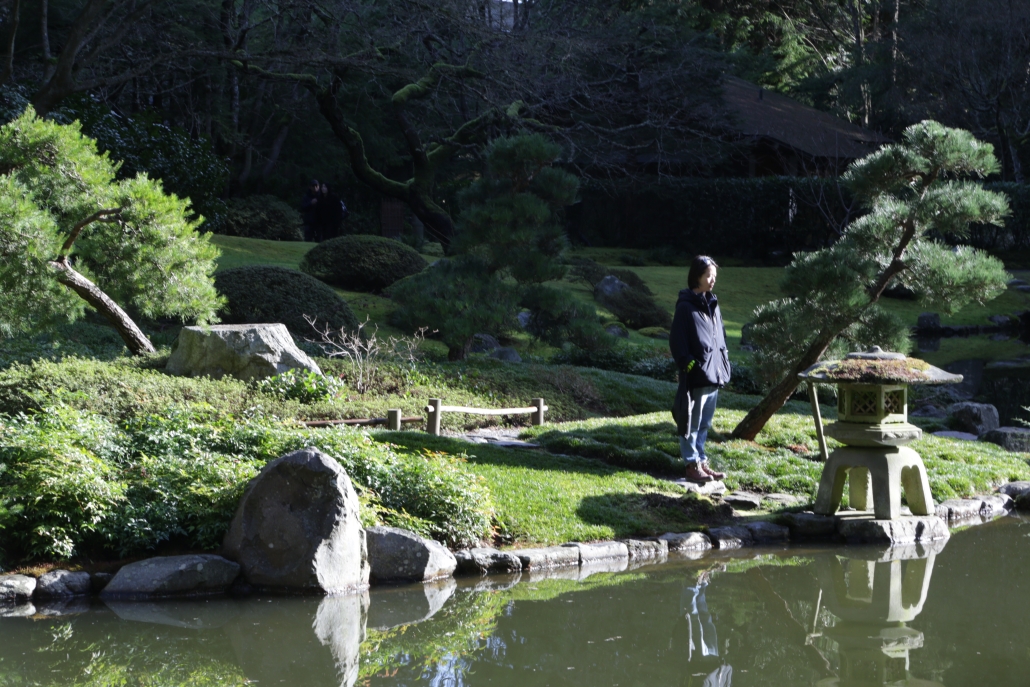
Under the sunlight, another visitor stands admiring a stone lantern (tōrō). (Gabriel Ruy / BCIT News)
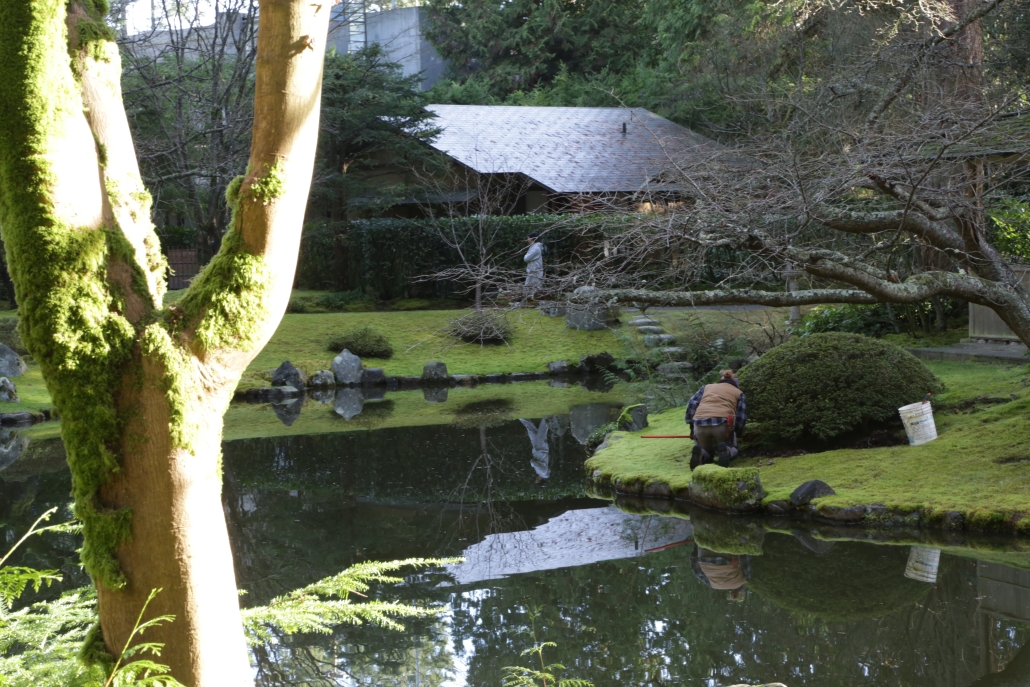
Kneeling underneath a cherry tree, a gardener tends to one of the bushes. (Gabriel Ruy / BCIT News)
Landscaping and overall structure also plays a factor in visitors’ returns, according to Sugiyama. During winter months, when there aren’t many flowers blooming, the garden relies on its abundance of ponds and greenery. Natural elements are arranged to fit Japanese landscaping styles.
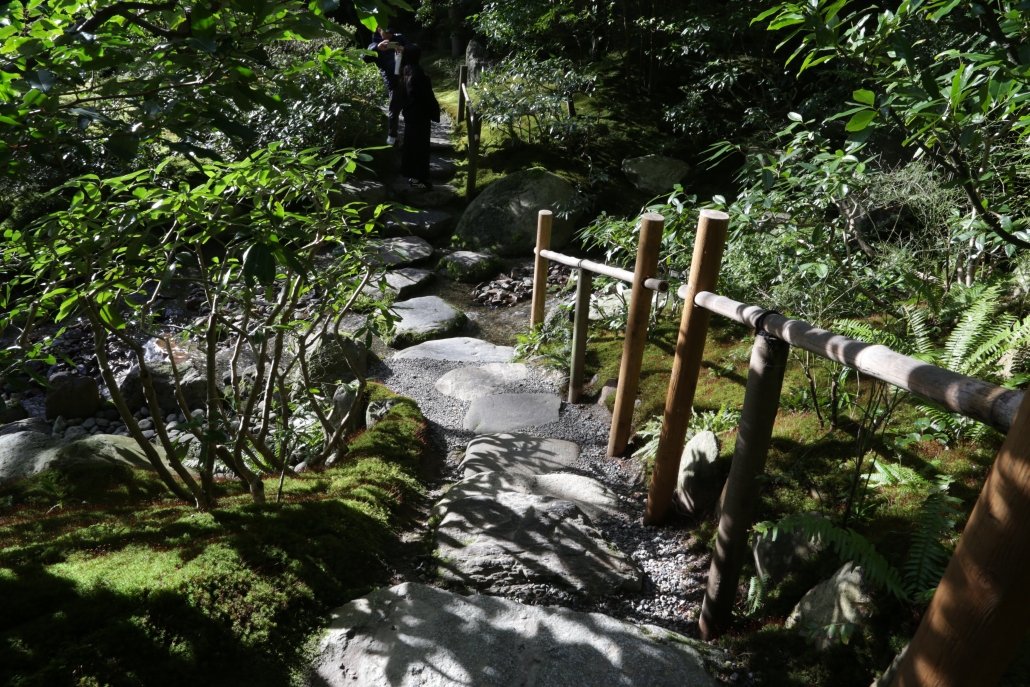
Bamboo railings and stone steps lead to a flowing stream just ahead. (Gabriel Ruy / BCIT News)
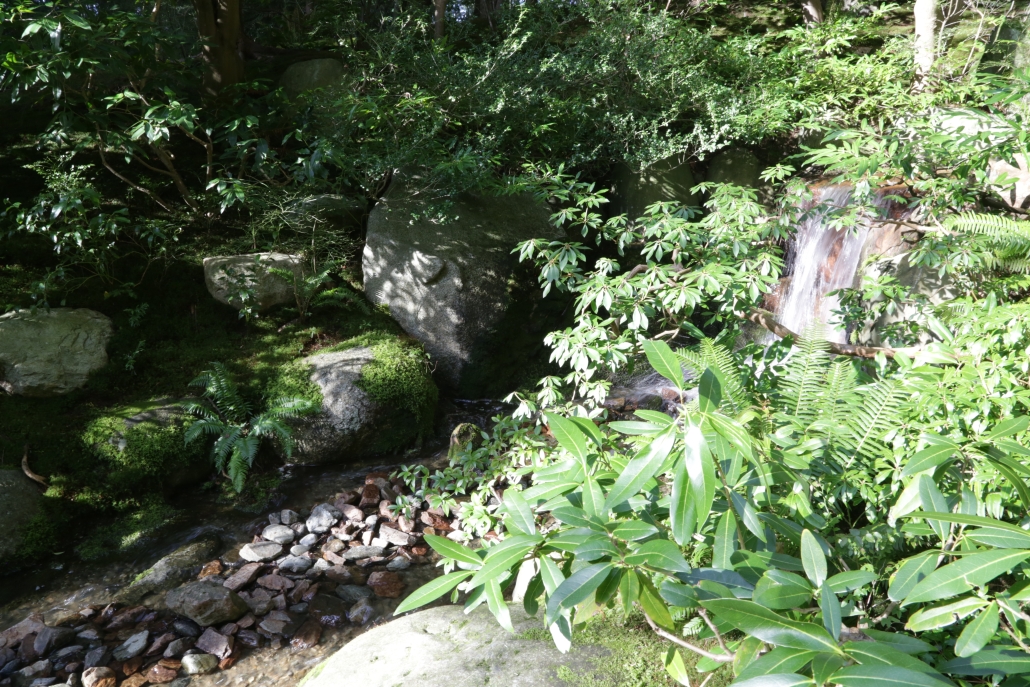
A small fountain tucked away in the corner of the garden. (Gabriel Ruy / BCIT News)
Kannosuke Mori, a landscape artist from Japan, started the garden in 1959 to honour Inazo Nitobe’s memory. Nitobe was a Japanese diplomat who wanted to bridge Japanese and Western relations in the early 20th century.
“The garden is divided into two distinct lands,” explained Sugiyama. “The pond represents the Pacific Ocean. One side of the garden represents Canada, and it has Canadian maple trees, while the other side represents Japan, and it has Japanese maple. The bridges you see symbolize bringing the two countries together.”
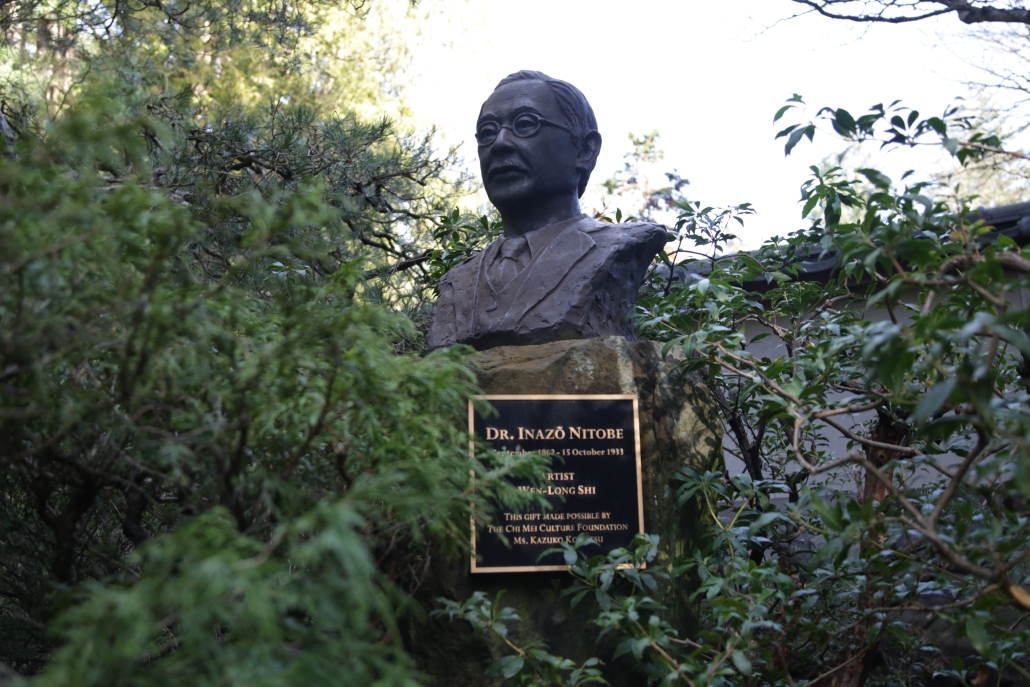
A detailed bust of Inazo Nitobe overlooking the pond. (Gabriel Ruy / BCIT News)
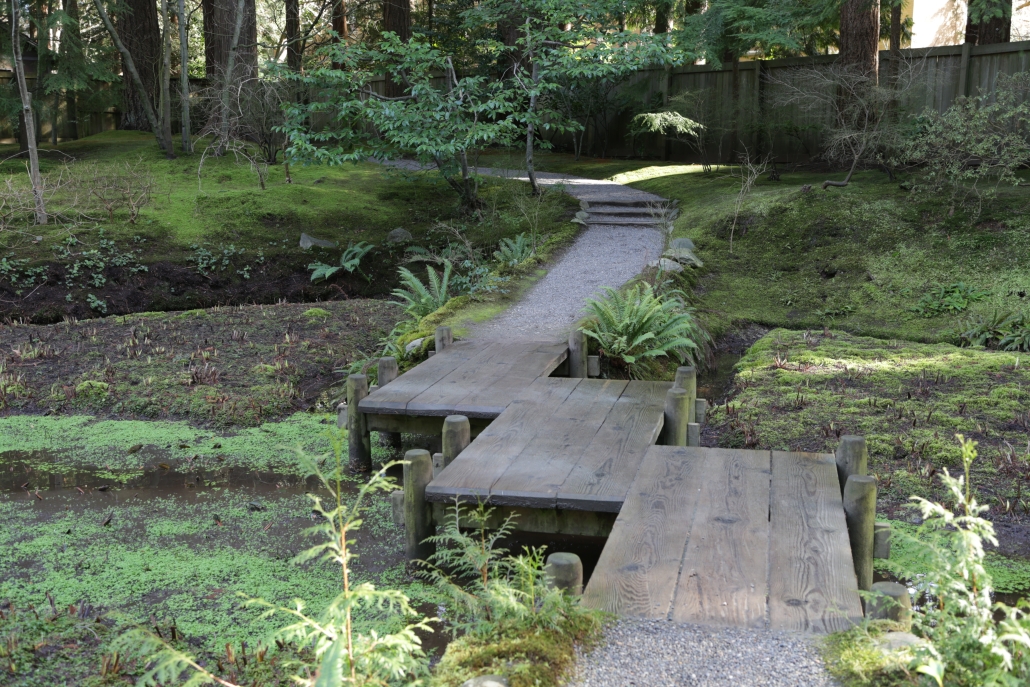
One of the bridges in the garden’s west side. (Gabriel Ruy / BCIT News)
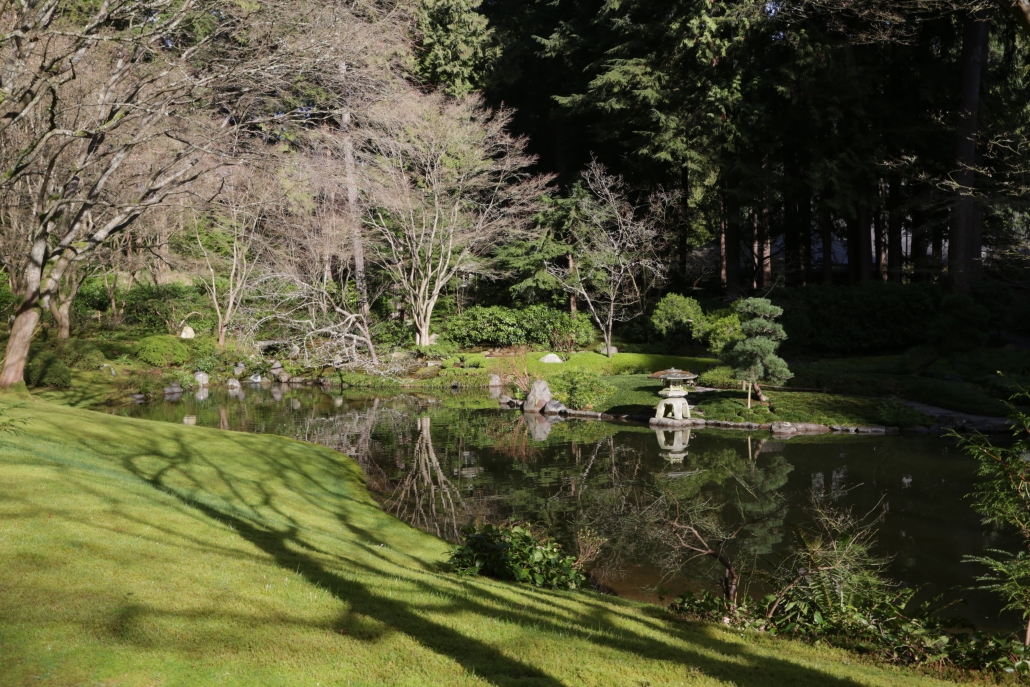
Under light and shade, the pond shows clear reflections of the plants above. (Gabriel Ruy / BCIT News)
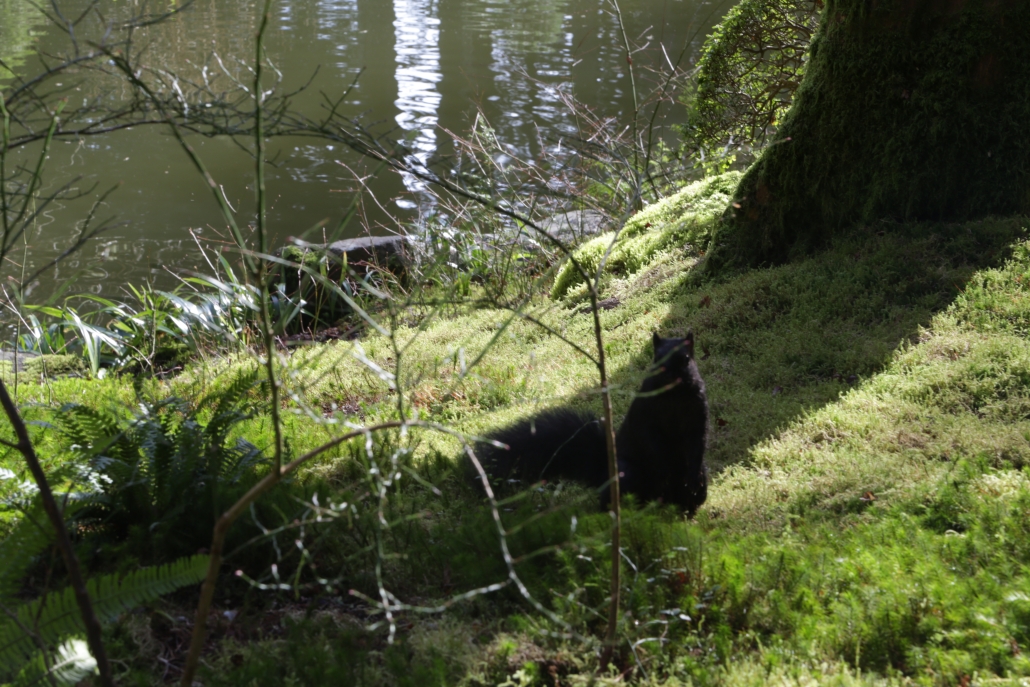
Sitting on a bed of Japanese ferns, an Eastern grey squirrel stares into the camera. (Gabriel Ruy / BCIT News)
When asked about their thoughts on the garden, visitors expressed an appreciation of the peace and cultural experience it provides.
“When I walk around, I feel like I’m in Japan,” said Tobby Zhou.
“It’s just a good place for me to sit down and re-orient myself,” said Christine Lam. “You can’t find other places like this in Vancouver.”
Crews are currently re-constructing one of the garden’s bridges ahead of cherry blossom season, which begins in early March.
Comments are closed.