
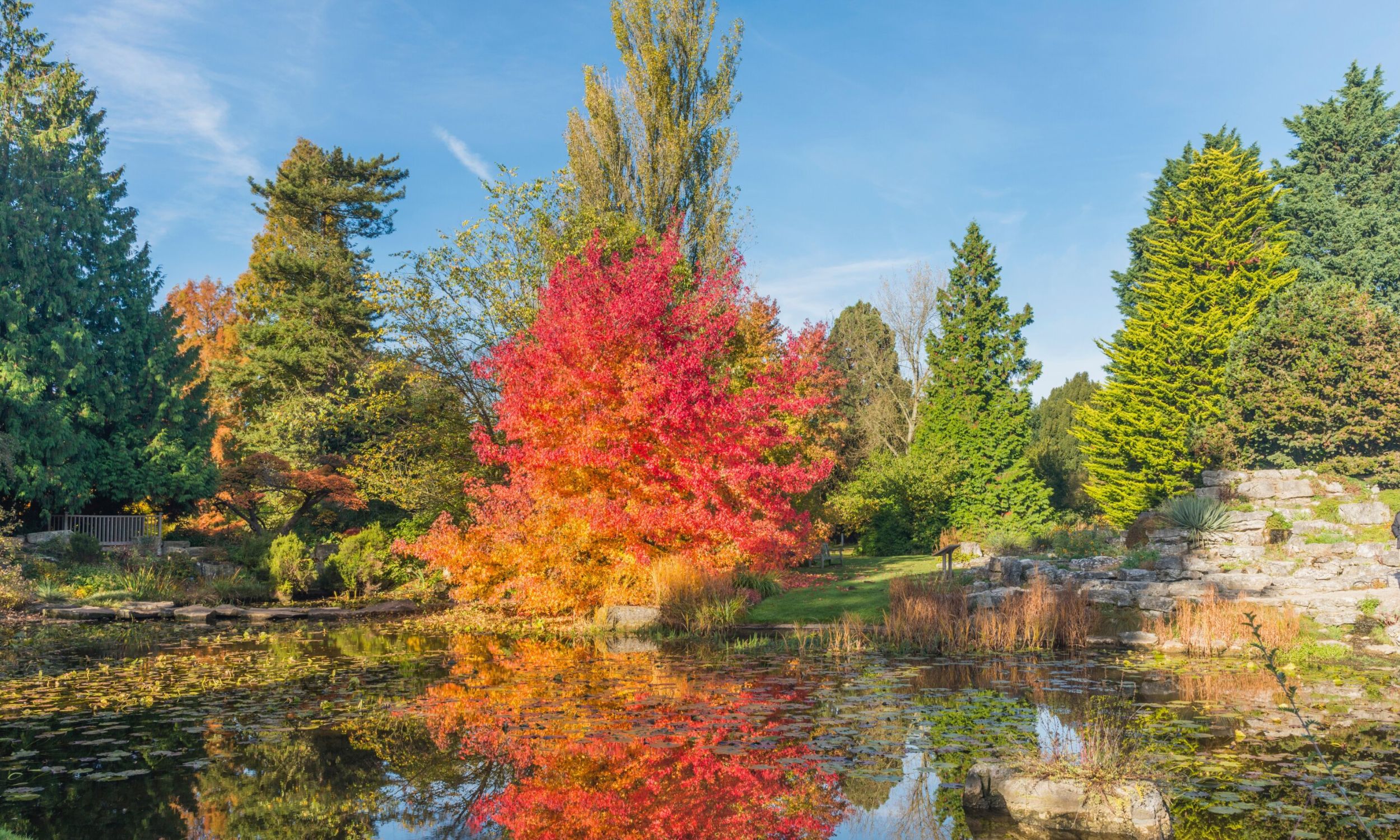
Botanic gardens have amassed one of the world’s largest living reserves of plant diversity.
A new study demonstrates that fragmented data systems have kept that global collection from functioning as a single, coordinated safeguard against extinction.
At a moment when plant loss is accelerating, the information needed to act often remains locked inside incompatible databases, limiting the very safety net designed to prevent disappearance.
Where records break
Within thousands of botanic gardens worldwide, living collections hold more than 105,000 plant species that could serve as a unified defense against biodiversity loss.
Examining how those records are stored and shared, Professor Samuel Brockington at Cambridge University Botanic Garden documented that incompatible and sometimes absent systems prevent collections from operating as a connected whole.
Instead of functioning as a coordinated metacollection, vital details about threatened species, legal status, and provenance often remain siloed inside individual institutions.
Until those digital barriers are removed, the global network cannot fully mobilize the plants it already safeguards, setting the stage for the deeper structural challenges that follow.
What gardens safeguard
Across the world, more than 3,500 botanic gardens keep at least 105,634 species, about 30 percent of land plant diversity.
Curators call these living collections, plants grown and tracked for science and conservation work today.
A Kew report estimated that up to 40 percent of plants face extinction risk, raising pressure on gardens.
When databases stay isolated, staff cannot match this rising risk with quick action for the species that need help most.
What data must carry
Beyond keeping plants alive, gardens must track where material came from and which rules govern its use.
Each record should link a specimen to permits, collection dates, and location in the garden, so staff can find it.
Without that paperwork, a researcher may receive a plant cutting but lose the context needed to interpret results.
Errors spread across collections when one garden updates a record and another keeps an older version in storage.
When names go wrong
One wrong plant name can waste years of work, especially when a restoration team searches for a rare species.
Names change as botanists compare specimens, and a database that never updates can freeze an old label in place.
A misidentification can also hide a threatened plant inside a collection, because staff think they already grow something else.
Shared naming tools would cut those mistakes, but only if gardens agree on the same update schedule and standards.
Barriers to data exchange
In many institutions, staff still rely on spreadsheets or custom software that cannot export data in a common format.
Commercial systems often cost too much for smaller gardens, and competition between vendors discourages long-term stability.
Language barriers add another layer, since many platforms support only a few interfaces and training materials.
Every local workaround makes collaboration slower, so a request for a plant can turn into weeks of emails.
Equity is the point
Much of the world’s plant diversity sits in tropical countries, yet many of those gardens lack the staff and tools to digitize.
Paywalls and proprietary formats can lock out institutions that already face tight budgets, leaving their collections invisible in global searches.
Thaís Hidalgo de Almeida, Curator of Living Collections at Jardim Botânico do Rio de Janeiro, emphasized the urgency of equitable access.
“Having an integrated and equitable global data ecosystem would greatly help us address urgent conservation needs in biodiversity-rich countries like Brazil, making our work faster, more collaborative, and more effective,” she said.
Designing a shared system around equity would make every garden a full partner, not just a data donor.
Building one system
Instead of manual emails and uploads, a global platform could let gardens update records once and share them everywhere.
Botanic Gardens Conservation International already maintains PlantSearch, which connects species lists from over 1,100 collections into one place.
“The digital infrastructure needed to manage, share, and safeguard living plant diversity wasn’t designed to operate at a global scale,” said Professor Brockington.
Even the best platform fails if gardens cannot keep records current, so funding must cover staff time and training.
Connected databases could show which threatened species sit in only one or two gardens, making them priorities for extra plantings.
By linking records to climate and pest alerts, managers could move plants before heat waves or diseases wipe out stocks.
Researchers also need verified material for sequencing and chemical studies, and shared records would speed requests and reduce mix-ups.
Quality control becomes the bottleneck, since every automated alert depends on staff updating labels, locations, and legal notes.
Who pays and owns
Long-term funding matters, because a shared data system needs updates, security, and skilled staff long after the first launch.
Under the global biodiversity framework, countries committed to recovery work inside and outside the wild, which needs trusted data.
Sharing details can still feel risky, since rare plants attract thieves and some gardens fear public scrutiny of mistakes.
Clear rules on privacy, credit, and long-term hosting would decide whether gardens trust a shared system enough to join.
Next steps for gardens
A single garden cannot save plant diversity alone, but a connected network could finally use its full knowledge to act.
Making that network real will require shared standards, open access, and steady funding, or these safeguards will keep failing.
The study is published in Nature Plants.
Photo credit: University of Cambridge.
—–
Like what you read? Subscribe to our newsletter for engaging articles, exclusive content, and the latest updates.
Check us out on EarthSnap, a free app brought to you by Eric Ralls and Earth.com.
—–
Comments are closed.