
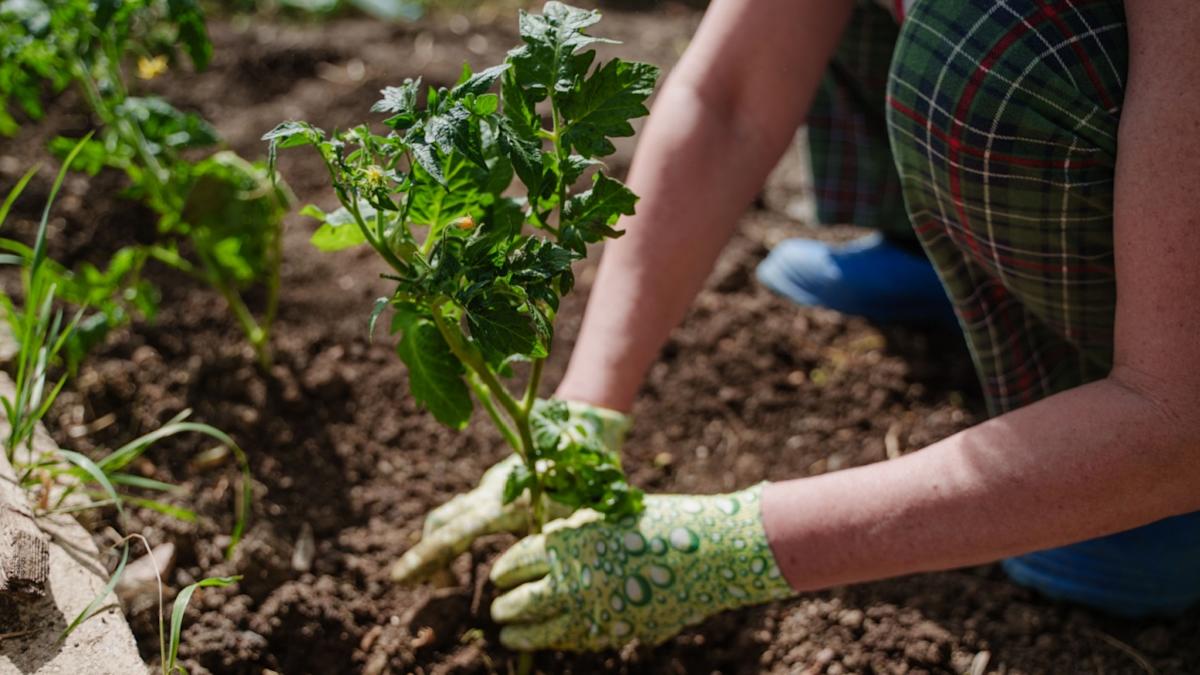
February can be a strangely confusing month for warm-climate gardeners. Everything is growing, nothing looks urgent, and yet there’s a quiet sense that now matters more than it seems.
In USDA Plant Hardiness Zones 11–13, which includes those folks lucky enough to be in Hawaii, Puerto Rico, select parts of Southern California, or the very southern tip of Florida, February is all about maintaining a balance between planning and productivity.
February is a Working Month, Not a Planning One
Image Credit: Shutterstock.
Unlike colder regions, where February is all about planning and patience, this month is an active growing window in the warmest USDA plant hardiness zones. February in Zones 11–13 is considered peak season for planting and upkeep.
As Kellogg Organic Gardening notes, February is when “planting and maintenance overlap, requiring gardeners to balance new growth with ongoing care.” That balance is the difference between a garden that hums along and one that feels chaotic.
Warm-season vegetables like tomatoes, peppers, eggplant, beans, squash, and cucumbers can usually be planted outdoors. At the same time, cool-season crops such as leafy greens, brassicas, carrots, radishes, beets, and onions are still productive and worth sowing (if you haven’t already), especially as quick or succession crops before heat ramps up.
Start With Maintenance, Then Add Plants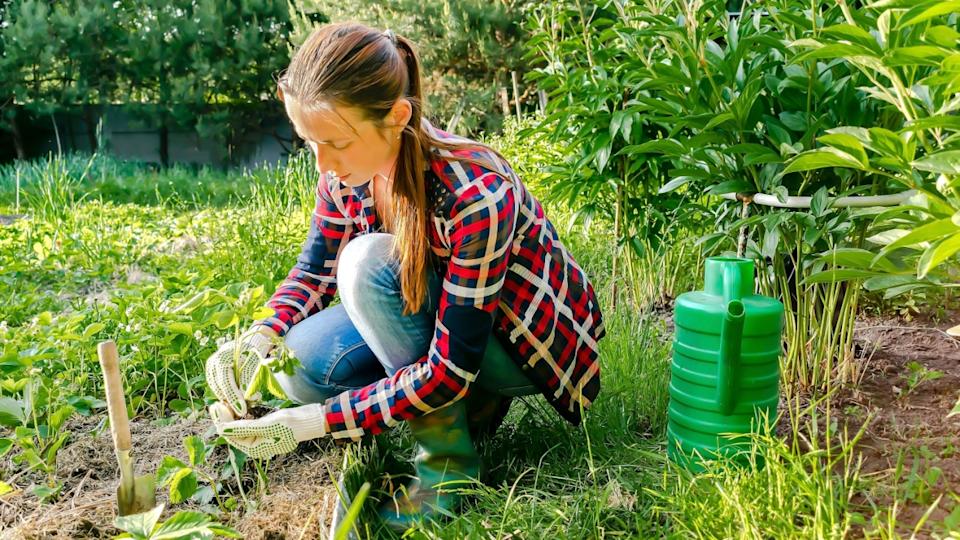
Image Credit: Shutterstock.
One reason February feels overwhelming in Zones 11-13 is that many gardeners add more plants before stabilizing what’s already there. In warm zones, soil preparation is important as you begin to plant out the garden for full production. Compost, organic amendments, and fresh mulch support constant biological activity and set crops up for steady growth. If you haven’t tested your soil, it’s not too late to order a kit for a quick test to ensure that you are supporting your garden as best you can.
Mulching in February is designed to control the weeds that are to come. Weed pressure starts early in warm climates, and addressing it now through regular hand-pulling and mulch can prevent a spring explosion that’s much harder to manage later.
Prune, Feed, and Watch Closely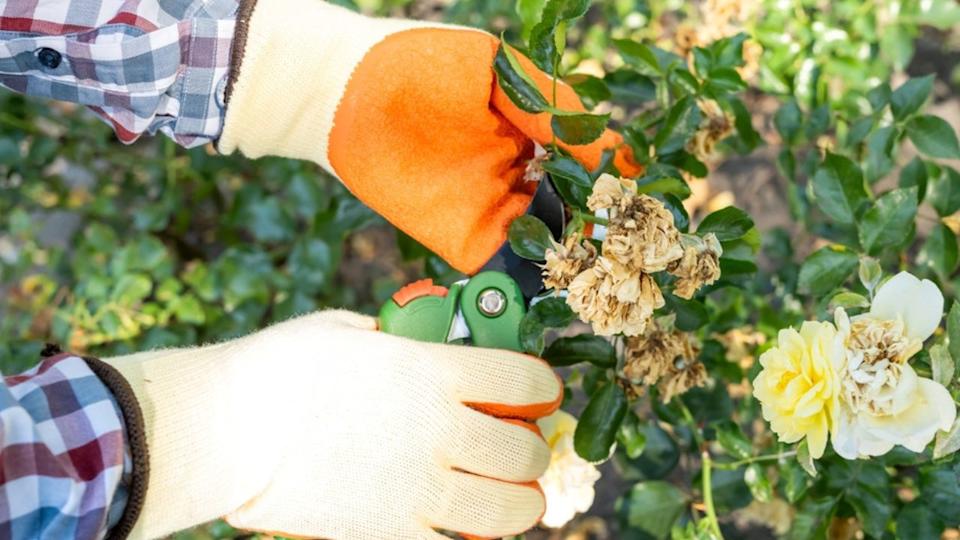
Image Credit: Shutterstock.
Selective pruning is encouraged this month. Dormant or woody perennials and ornamental grasses can be cut back, but any spring-flowering shrubs should be left alone to avoid removing buds already set.
Citrus care in these zones is another February staple: fertilize, monitor for fungal issues like scab, and prune only damaged or crossing branches.
Pest monitoring also begins early. Mild winter temperatures allow aphids, whiteflies, mites, and fungal diseases to rebound quickly. Catching them now keeps small problems from becoming season-long battles.
Comments are closed.