
February doesn’t exactly scream “gardening season,” but it’s actually one of the best months to give your spring flowers a head start. And after a winter like this one, with snow and freezing temperatures for months in the East and barely a dusting in much of the West, it’s nice to do something productive outside again.
Think of February as prep time. A little effort now makes spring feel easier and a whole lot prettier.
1. Test and Amend Your Soil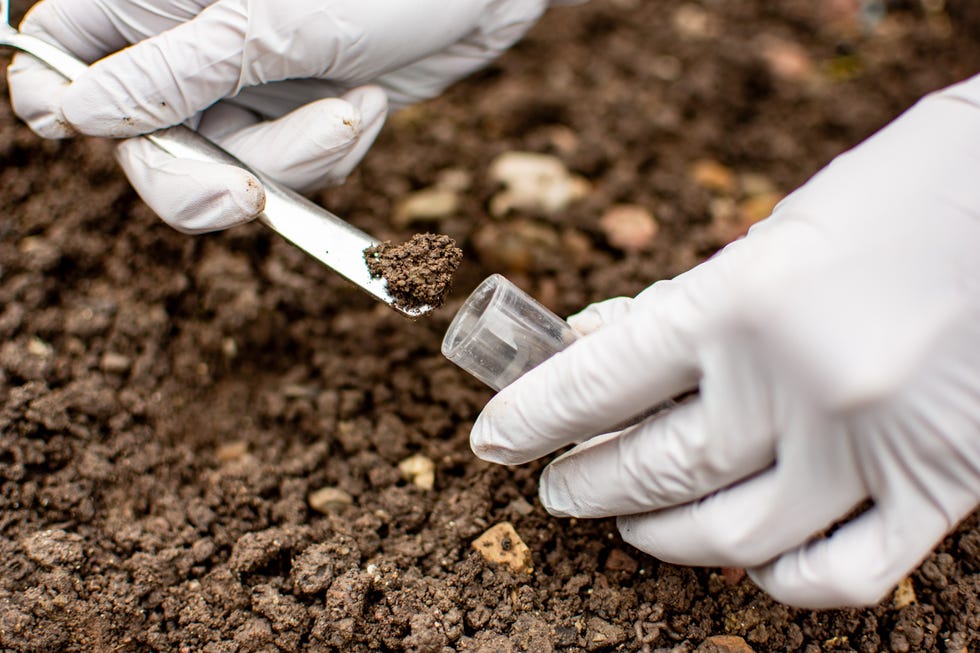 CasarsaGuru//Getty Images
A soil test can tell you a lot.
Great gardens start from the ground up. February is a perfect time to test your soil, either with an at-home kit or by sending a sample to your local cooperative extension (find yours here). The results tell you exactly what your soil needs and what it doesn’t, which helps you avoid wasting money on unnecessary fertilizers.
If conditions allow, meaning the soil isn’t frozen or soggy, start improving your flower beds by working in compost. This boosts nutrients, improves drainage, and helps soil warm up faster in spring.
2. Clear Out Debris
If you’re like me and opted to leave plants unpruned and leaves in place, the garden is in quite a state, and February is a great time for a light cleanup. Remove dead or weak stems, some of the fallen leaves, and any plant material that looks damaged or mushy. Clearing debris helps prevent pests and disease from lingering and gives new growth a clean slate.
That said, don’t go overboard. Many beneficial insects are still tucked into leaf litter, so focus on obvious debris and wait to do a full cleanup until spring is truly underway.
3. Prune Late-Blooming Perennials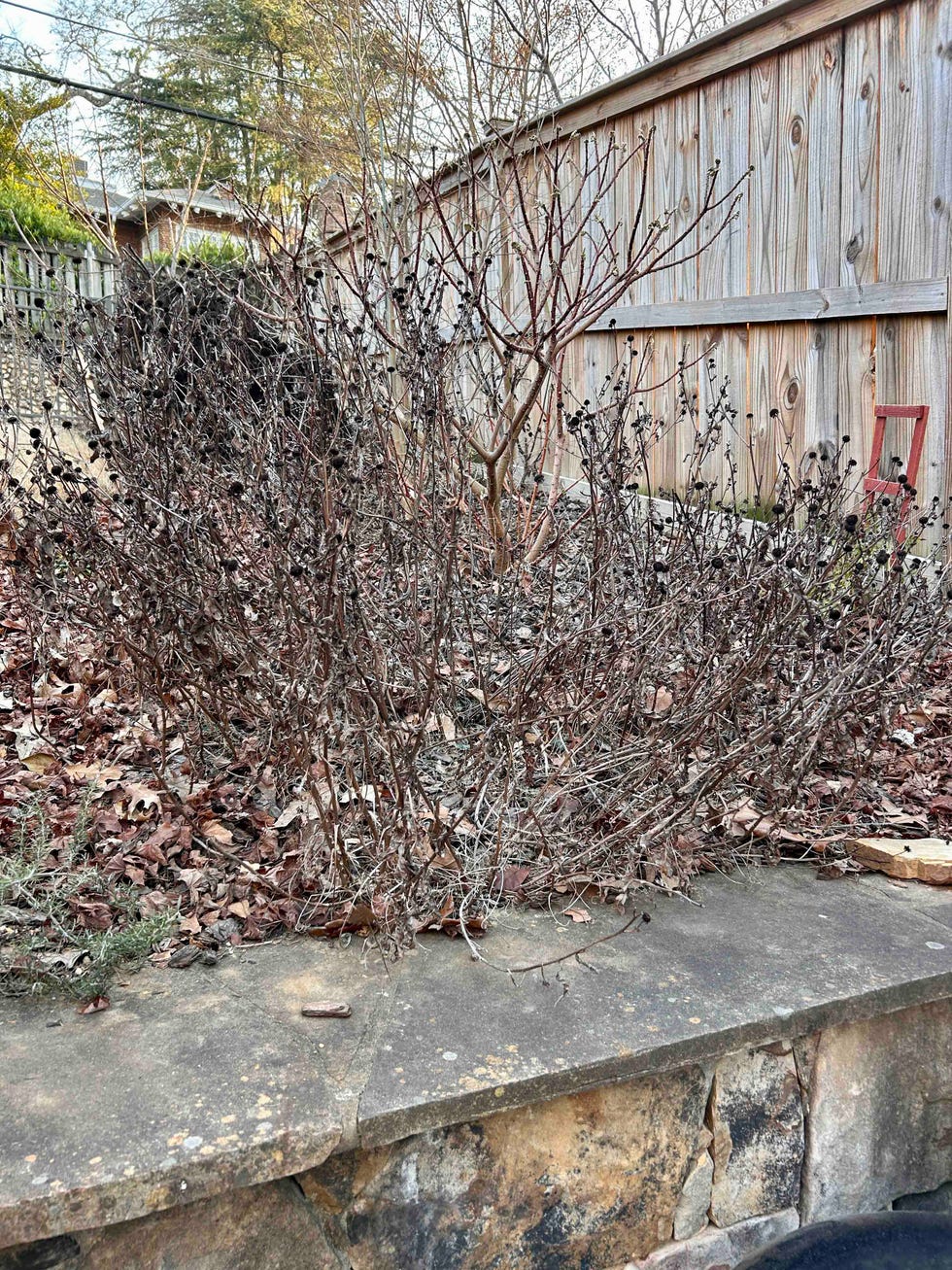 Charlyne Mattox for Country Living
This is my black-eyed Susan plant that will get cut back this month.
Late-blooming perennials such as coneflower, black-eyed Susan, sedum, and ornamental grasses love a February haircut. These plants bloom on new growth, so pruning them back now gives them room to grow, creating bushier plants, without the risk of cutting off blooms.
February gardening may not be glamorous, but it’s incredibly satisfying. A few small tasks now can mean healthier plants, fewer problems, and a garden that explodes with color when spring finally arrives.
Comments are closed.