
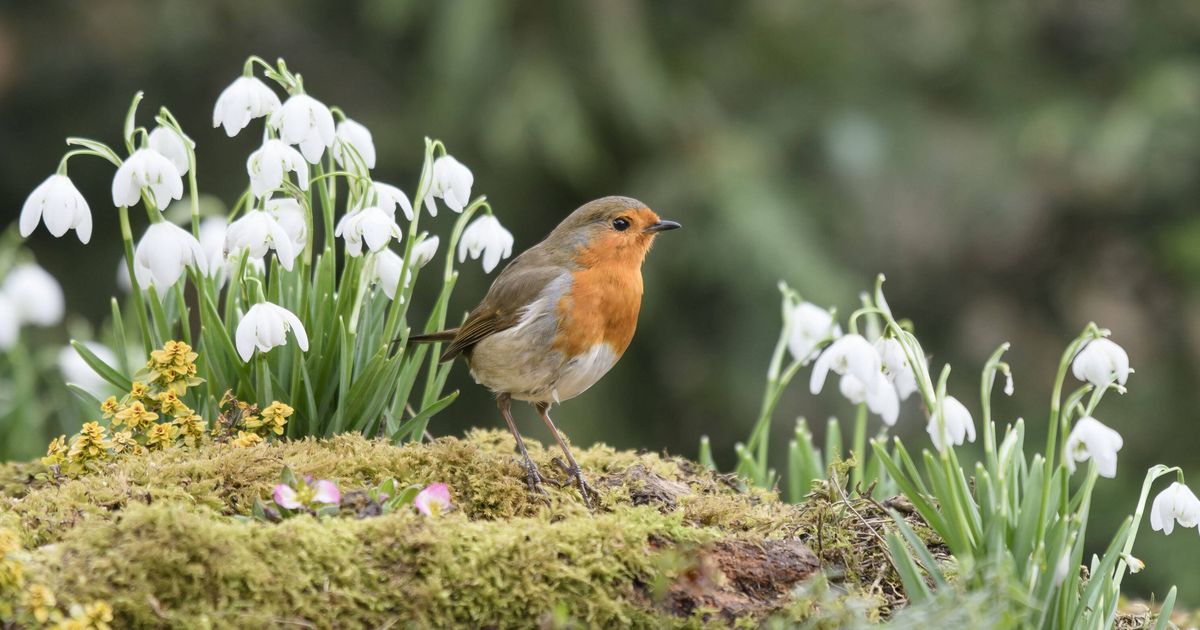
Expert gardener reveals five time-sensitive tasks to tackle in February, from pruning fruit trees to dividing snowdrops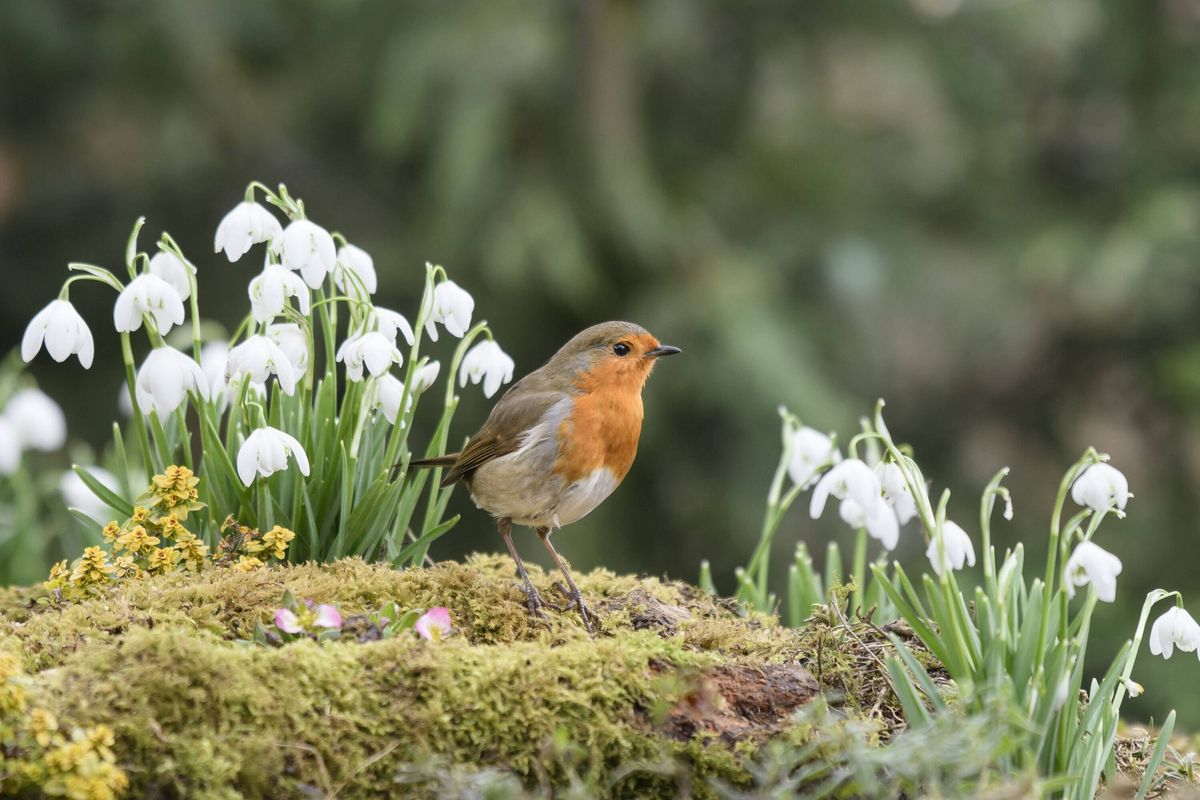
February is an important month of the year for gardeners(Image: Getty)
With the bleak slog of January now firmly in the rear-view mirror, the gardening calendar kicks off properly, and renowned horticulture expert Simon, of Walking Talking Gardeners, has compiled a list of essential jobs that simply cannot be postponed beyond the coming weeks.
“If you don’t do them in this month,” he warns, “it’s going to be too late to do them later on. This means it’s going to affect your next season’s displays, and you won’t have the opportunity to do it again until this time next year.”
Trimming Early Spring-Blooming Plants
To begin with, Simon details in his most recent video, it’s imperative to cut back any early spring-blooming species, such as mahonia or honeysuckle: “These will flower on the old growth,” he notes, “so by cutting now, you’re going to produce the growth during the next season, and they will flower on it next year.”
Resist the temptation to get carried away with the shears, he stresses – simply create adequate space for new stems to develop. The critical element is addressing it immediately: “If you cut these plants later on, then you’re going to be removing the flowering wood for next season,” reports the Mirror.
There’s no requirement to be excessively fussy regarding your trimming approach, Simon suggests: “Cut out anything that’s straggly. Don’t always cut to a fault. Take out an entire branch. Don’t start snipping it around trying to make a nice tidy haircut. Just don’t do it.
“Be very careful with witch hazels, because you don’t want to ruin the ornamental branch work. Preferably, leave them alone. But if you’ve got branches sticking out and in the way, you can take these back.”
Lifting and Dividing Snowdrops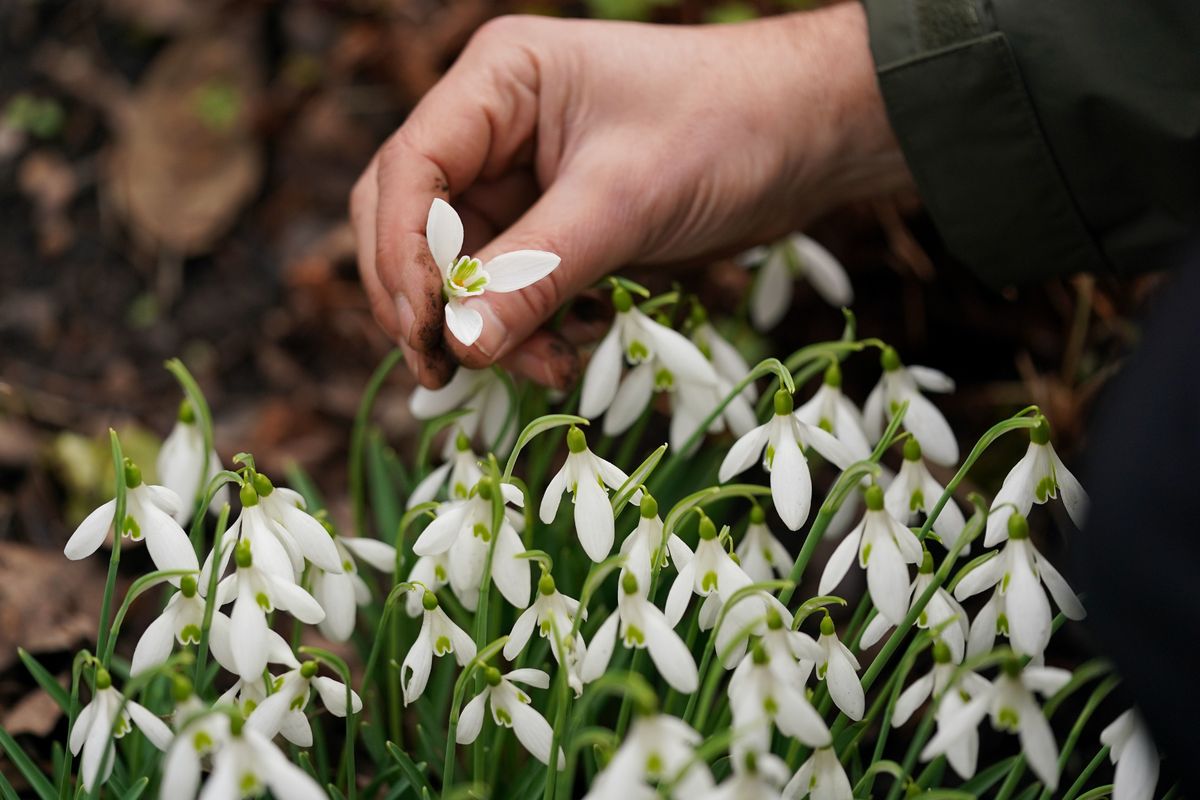
Late February is your best bet for lifting and dividing these delicate bulbs to create a more spectacular display next year(Image: PA)
When it comes to snowdrops, Simon recommends late February as the optimal window for lifting and dividing these fragile bulbs to achieve a more impressive showing come next year: “If they haven’t finished flowering where you are, they will do soon. And that is the ideal time to lift, divide, and replant them around the garden.
“If they’ve still got the leaves on, no flower heads, it’s the best time of the year to propagate your snowdrops by division. It’s another time-sensitive job – as soon as they finish flowering, that’s the time to do it.”
Trimming Wisteria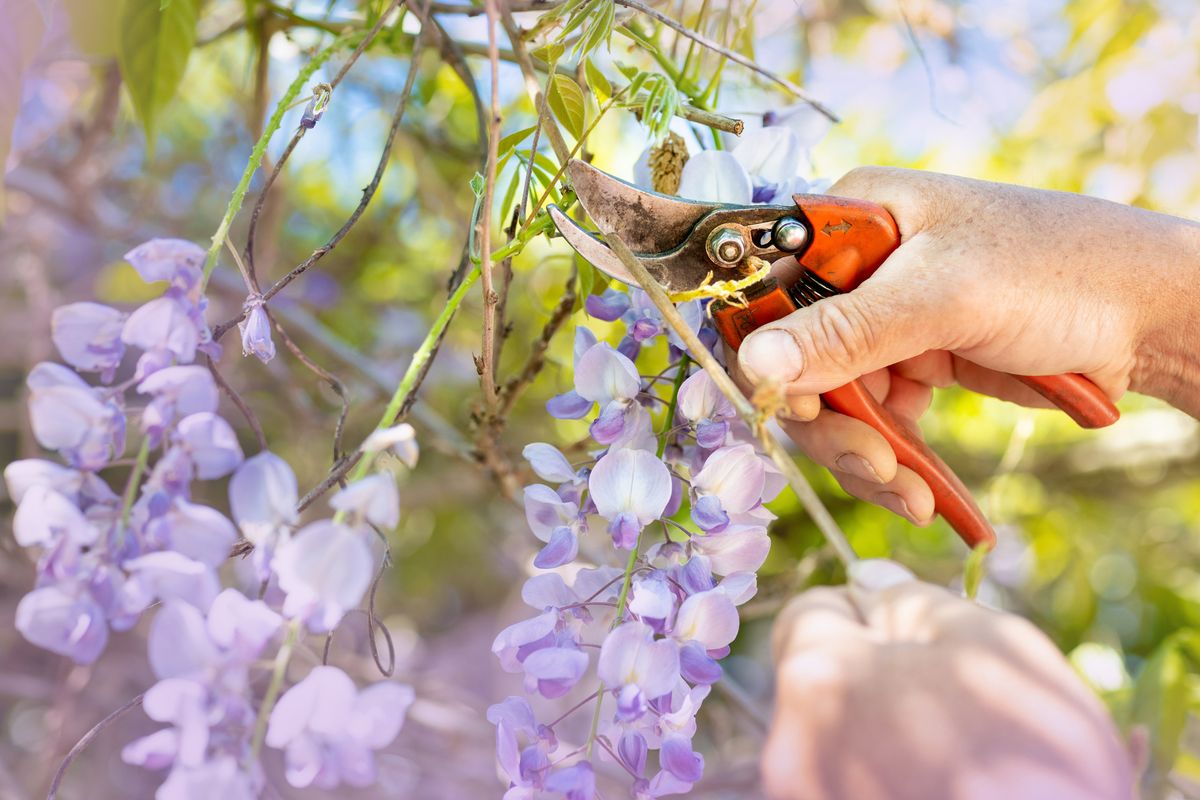
Maintain your garden and cut your wisteria in the spring(Image: Getty Images/iStockphoto)
Following on Simon’s agenda is ensuring any wisteria within your garden receives a thorough prune. “You would have done a summer cut,” he clarifies, “and now it’s time to do your winter cut, and February is going to be your last opportunity.”
The key lies in reducing those extended, flexible shoots, retaining merely two or three buds from the primary stem. Simon observes: “As with all these prunings, always remove dead, diseased, dying, or crossing branches.”
An additional essential pointer involves meticulously cleaning your secateurs or saws following work on each individual plant. Neglect this stage, and you risk transmitting disease or pests amongst your prized specimens.
Pruning Fruit Trees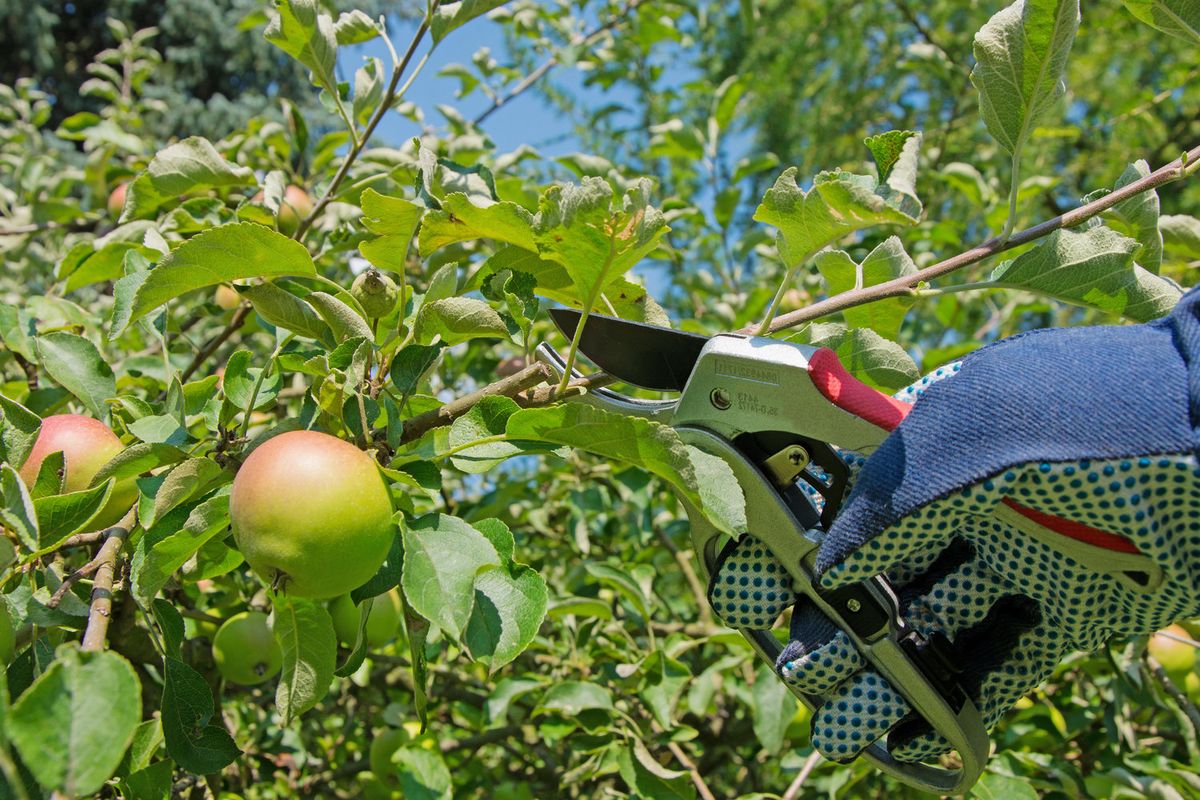
February marks your final chance to tackle remedial pruning on certain fruit trees(Image: Alamy/PA)
February represents the last opportunity for carrying out remedial pruning on specific fruit trees, Simon highlights. Apple, pear and medlar trees can all benefit from a tidy-up throughout this window.
Whilst medlars may not command the same spotlight as apples or pears, they yield a crop of diminutive brown fruits come autumn which can be savoured fresh or transformed into jelly. Seldom found on supermarket shelves, the only genuine means of tasting a medlar these days is to grow one yourself in your own plot.
The fruit trees you must absolutely avoid pruning at present are the stone fruits – cherries, peaches, plums and comparable types. Cutting them back during the colder spell could inflict significant harm.
Applying Winter Tar Wash
Another essential job for those tending fruit trees is the application of a winter tar wash. Widely obtainable from most leading garden centres, winter tar wash is an oil-based solution that assists in controlling common garden nuisances such as aphids and red spider mites.
When sprayed onto fruit tree bark, it smothers overwintering insect eggs, thwarting infestations once the mercury climbs.
Comments are closed.