
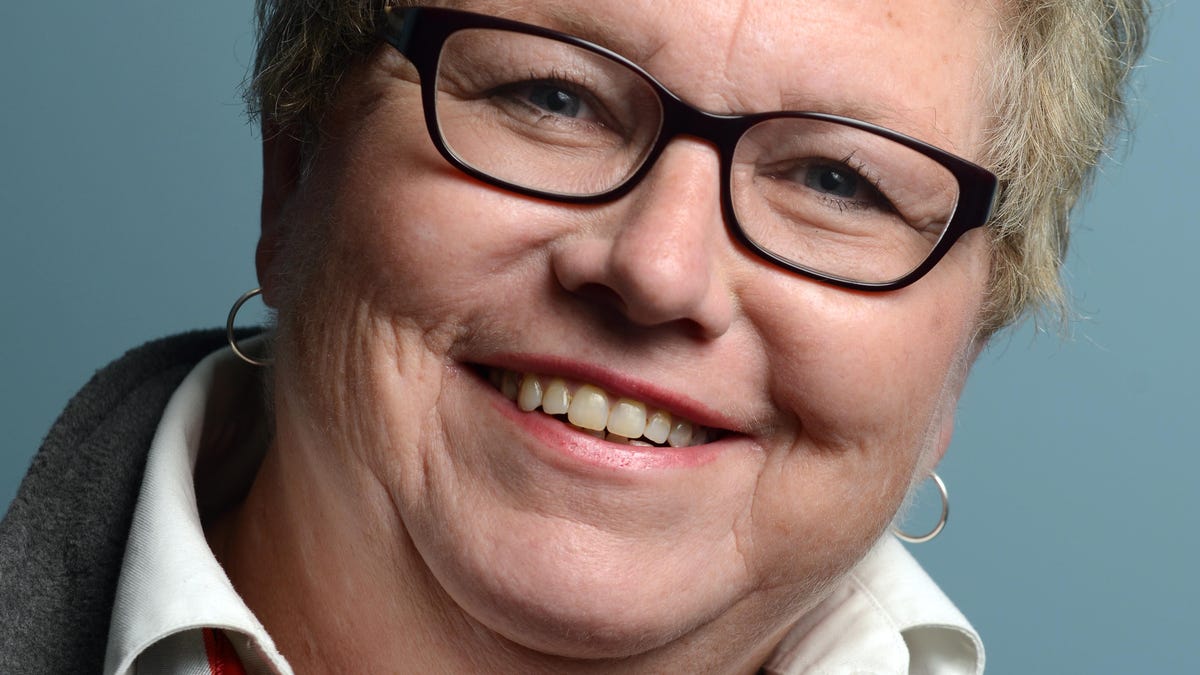
Connie Smith, Special to the Eagle-Gazette


Patty and David Leeth for the 2018 Northwest Louisiana Master Gardeners’ Le Tour des Jardins .
Walk into the garden of Patty and David Leeth for the 2018 Northwest Louisiana Master Gardeners’ Le Tour des Jardins .
We are taking applications for the 2026 Master Gardener Training. The 2026 Fairfield County Master Gardener Class will consist of a few-person classes, plus the hybrid Master Gardener online training modules and some hands-on tours.
The Master Gardener training is slated to begin in the last week of March 2026.
The cost of the program is $175 for the online module plus the 16 Chapter Manual that will be used as a reference manual. If you would like to learn more about the Fairfield County Master Gardener program, make plans to attend the Master Gardener informational open house slated for 10:30 a.m. Feb. 26, at the Fairfield County Agriculture Center located at 831 College Avenue, Lancaster. For more details, contact OSU Extension at 740-653-5419.
Gardening Trends for 2026
Now that the snow is finally melting, many gardeners look ahead to 2026. One thing is clear: sustainability isn’t just a buzzword; it’s becoming the backbone of modern gardening. From no-till methods to composting and creating wildlife-friendly landscapes, these trends are reshaping how we care for our yards and the environment.
Healthier soil, less work with no-till gardening or maybe consider 2026 as the year to invest in growing in raised beds. Raised beds allow gardeners to create better soil conditions and reduce labor.
The no-till approach is gaining traction for good reason. Instead of tilling, gardeners layer compost and organic matter on top of existing soil. This preserves soil structure, boosts microbial life, and reduces erosion. It’s a win-win: healthier plants and less back-breaking labor. When heavy clay soils can be challenging, no-till beds are proving especially effective for vegetables and perennials.
Sometimes there is even the bonus of fewer weeds and better moisture retention can result less time spent watering and weeding.
Composting remains a cornerstone of sustainable gardening. Kitchen scraps, yard waste, and shredded leaves can be transformed into nutrient-rich soil amendments. The payoff? Reduced landfill waste, healthier soil, and gardens that thrive without synthetic fertilizers.
Pollinator decline remains a concern, and you can see Ohio gardeners are stepping up. Native plants like wild bergamot, prairie blazing star, and swamp milkweed are becoming staples in home landscapes. These species not only attract bees and butterflies but also provide food and shelter for birds and beneficial insects.
Adding features like water sources, brush piles, and layered plantings turns your yard into a vibrant ecosystem. Even small changes, like swapping a patch of turf for native flowers, can make a big difference.
These trends matter because climate variability and environmental pressures demand smarter gardening practices. By embracing no-till methods, composting, and wildlife-friendly planting, gardeners can reduce their footprint while creating resilient, thriving landscapes.
These trends aren’t just good for the planet; they make gardening easier, more rewarding, and full of life. Winter is the perfect time to plan. Sketch out no-till beds, set up a compost system, and choose native plants for spring.
May your 2026 garden be rich with color, buzzing with pollinators, and filled with joy. Here’s to healthy soil, thriving plants, and the simple pleasures of growing something beautiful. Happy Gardening!
Source: Robin Trott, Extension Educator, University of Minnesota
Wednesday Wellness Series
Join our OSU Extension Live Healthy Live Well Team in March of 2026 for a series of four Wellness Webinars that will focus on the Power of Connections in our work and personal lives. The webinars will be offered on March 4, 11, 18, 25 from noon to 12:30 PM (EST) over Zoom. No cost to participate, but registration is required. Register at go.osu.edu/lhlwwebinars. All registered participants will receive a recording link and access to additional educational materials after each class.
Why are “Connections” important? Researchers have found that people will live longer and healthier lives when they maintain social connections and being socially disconnected is often associated with higher risks of illnesses like depression, dementia, heart disease, and stroke. And did you know that volunteering was as good for you as it is for your community? Research has found that volunteering leads to lower depression and anxiety rates, reduces stress, and even develops a sense of meaning and appreciation.
Join our group to find out more about the wellness benefits of being “Connected” and lots of ideas about how you can connect with the Environment, Yourself, serving as a Volunteer, and even Become Happier.
Once the series concludes, recordings will be available on the Live Healthy Live Well Blog in the Webinar tab.
Private Pesticide Recertifcation Class
Your first opportunity for Pesticide Recertification in Fairfield County is from 9 a.m. to 1 p.m. Feb. 25, at the Fairfield County Ag Center.
Fertilizer Re-certification* (Cost: $10)Pesticide Re-certification* (Cost: $25)
Please bring your current card with you to the training. For more information or to register online, go to: http://go.osu.edu/PestFert
Comments are closed.