

We have had plenty of rain and plenty of cold weather.
Both of these can combine to keep the soil wet.
There is no point trying to dig, or walk, on saturated or frozen soil and crossing grass frequently can leave muddy tracks.
There are still a few weeks before the growing season really kicks off and still time for a spell of weather to dry up excess water before that.
And we do always have the gift of those wonderful days when it’s dry and bright and there is a small bit of warmth from the sun.
Use them well and enjoy the promise of what is to come. If you have well-made paths that allow access, and free-draining raised beds or a covered growing space, then there are plenty of things to be done.
Enjoy a bit of cheer
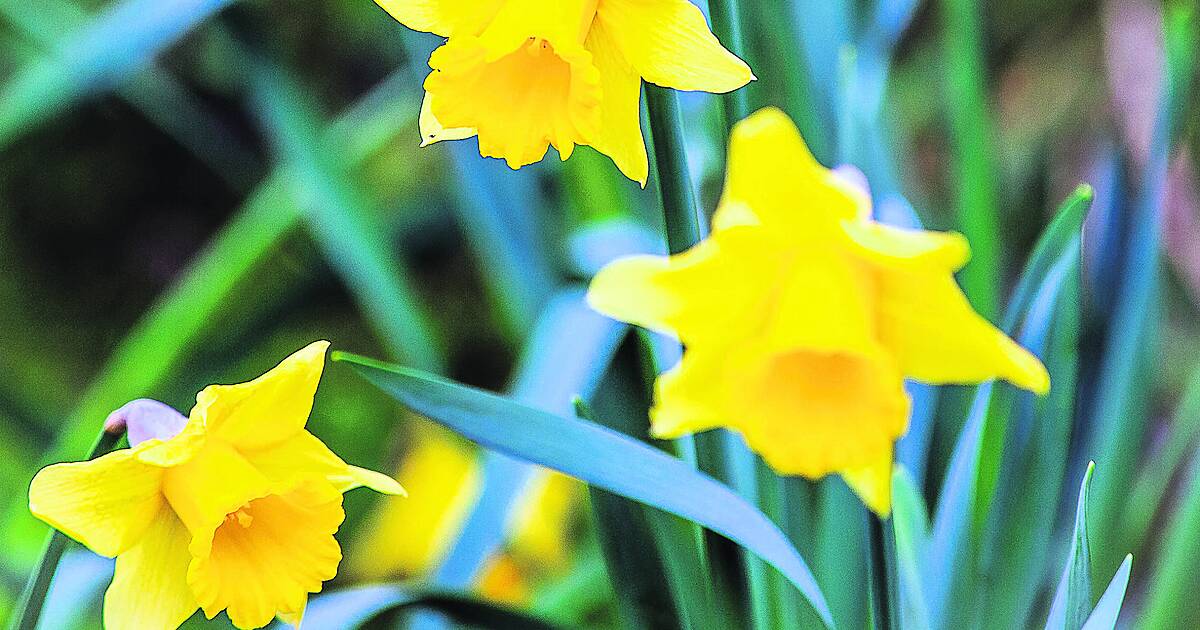
There are lots of signs that gardens are waking up. Look closely: some plants are pushing out new leaves and some have bursting buds. You don’t have to look too close to notice the bright bold cheer of daffodils, and some have been in flower for a couple of weeks by this point. Snowdrops are a bit more discreet, but they bring a particular lift to the heart. These tiny flowers could go unnoticed in ones and twos, but in big bold clumps they shout out that winter is almost gone. Maybe some things seem to be opening too early, maybe changes in climate are sending out the wrong messages. And yes, a few things may suffer if we get a late freezing spell, but most of the early arrivals are much hardier than we think. Enjoy noticing each small new thing, this is the start of what will soon evolve into the mad burst of spring.
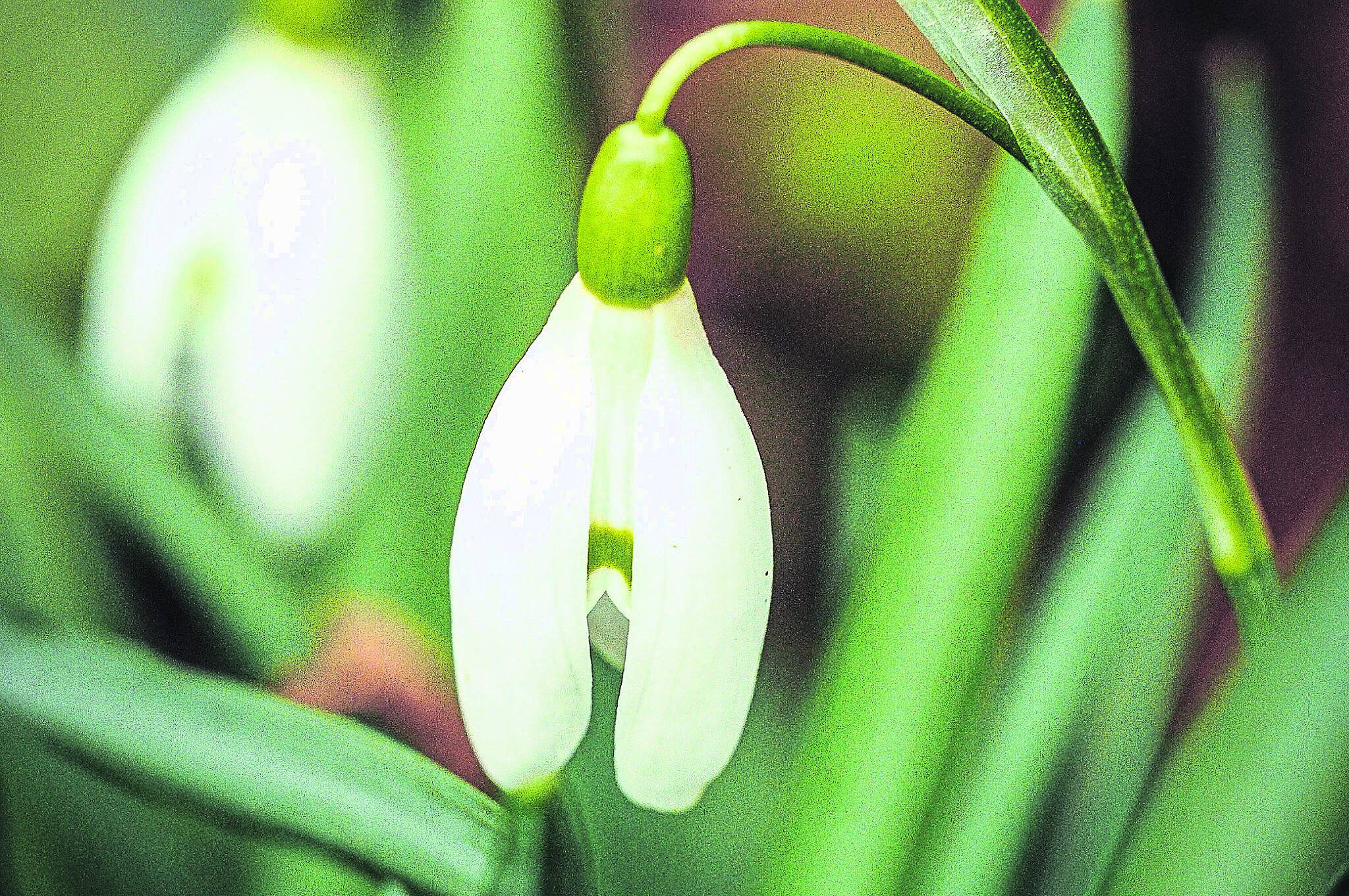 Each snowdrop is small but many make a lovely displa
Collect sticks
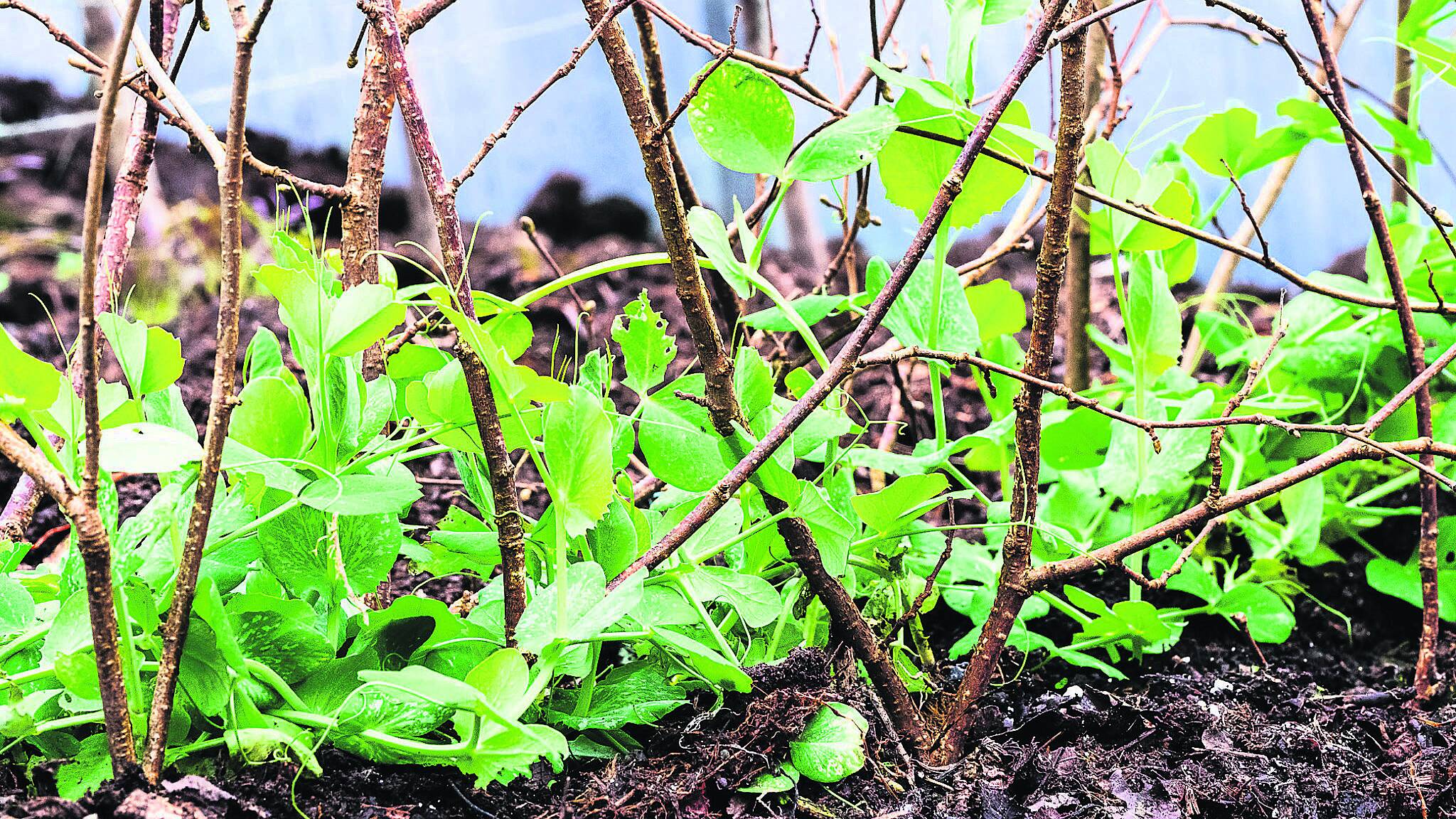
If you sowed early peas and mangetout in the greenhouse or polytunnel, they should be tall enough to need some support by now. A row of small, twiggy sticks, pushed into the ground along each side of the row, will start plants climbing upwards as tendrils coil around twigs for support. The initial row of twigs need only stand 30 or 40cm tall. The main thing is to have enough so each plant can touch against a support. Fine twiggy sticks are good at this stage, but you will need to provide taller supports as the plants grow. Hazel branches spread out in a fan shape and make perfect supports. Push them in firmly and allow extra height for plants that may grow taller than the packet states. You can also use wires or netting to support pea rows. Some low growing varieties may theoretically not need support, but I find all peas do best if they have something for tendrils to twine around and pull themselves up off the ground.
 Each snowdrop is small but many make a lovely display.
Source soil food
Plants grow best in a soil that contains plenty of organic material. A good balance of nutrients is important too. A newly-dug garden, turned from fertile grassland, may produce very well for the first year and even a second, but you need to put something back to compensate for what the growing plants take out. This is a good time to think about bulk feeds for the soil. Compost and manure are both very good options. You can make your own compost, or buy it in bags if you only have a small garden plot. Some farmers and stables have spare manure for sale. Start sourcing this now. You will know exactly what you want and where to get it when the weather is with us for digging over beds and adding in soil food. Note: cover any piles of compost or manure until they are dug in; this means nutrients don’t get washed away by rain.
Get pruning
I like to get a lot of pruning done in February. Trees suffer less die-back if sap is just starting to rise and if frosty days are avoided for making cuts. Don’t leave the job until March or growth may be too advanced and pruning may set it back. Also, you won’t see as clearly what needs to be done if small leaves are clouding the picture. Choose a fine mild day to start pruning. Sharpen any tools first so you aren’t chewing blades through branches instead of making nice clean cuts. Aim to do all of one type of tree or bush before moving on to a different type. This keeps you clear and focussed through the task. Check apple varieties before starting, as some should only be pruned in summer, although diseased sections can be cut out now. Choose a pruning scheme and stick to it. And remember that many flowering shrubs benefit from a February pruning. If in doubt, check online or ask a gardening friend.
Comments are closed.