

Horticultural expert Simon from Walking Talking Gardeners shares five time-sensitive February gardening tasks including pruning fruit trees, wisteria and snowdrops that can’t be delayed
Simon has a few jobs for you(Image: YouTube/WalkingTalkingGardeners)
With the dreary drag of January now behind us, the gardening calendar kicks off properly, and leading horticultural expert Simon, from Walking Talking Gardeners, has pulled together a rundown of crucial tasks that absolutely must be tackled over the next few weeks.
“If you don’t do them in this month,” he cautions, “it’s going to be too late to do them later on. This means it’s going to affect your next season’s displays, and you won’t have the opportunity to do it again until this time next year.”
Pruning Early Spring-Flowering Plants.
First up, Simon explains in his latest video, it’s vital to trim back any early spring-flowering varieties, like mahonia or honeysuckle: “These will flower on the old growth,” he points out, “so by cutting now, you’re going to produce the growth during the next season, and they will flower on it next year.”
Don’t go overboard with the secateurs, he emphasises — just make sufficient room for fresh shoots to emerge. The crucial bit is getting it sorted now: “If you cut these plants later on, then you’re going to be removing the flowering wood for next season.”
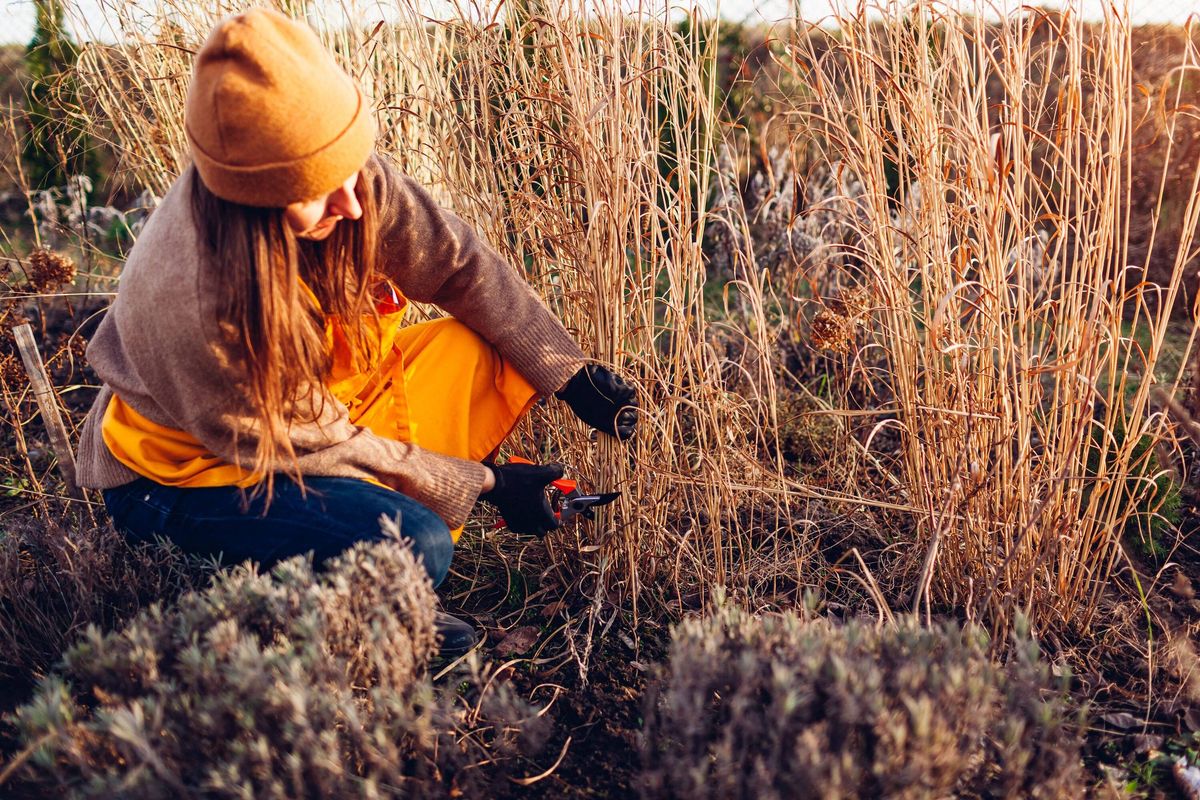
It’s time to get out there and start pruning(Image: Getty)
There’s no need to be overly precious about your pruning technique, Simon advises: “Cut out anything that’s straggly. Don’t always cut to a fault. Take out an entire branch. Don’t start snipping it around trying to make a nice tidy haircut. Just don’t do it.”
“Be very careful with witch hazels, because you don’t want to ruin the ornamental branch work. Preferably, leave them alone. But if you’ve got branches sticking out and in the way, you can take these back.”
Lifting and Dividing Snowdrops.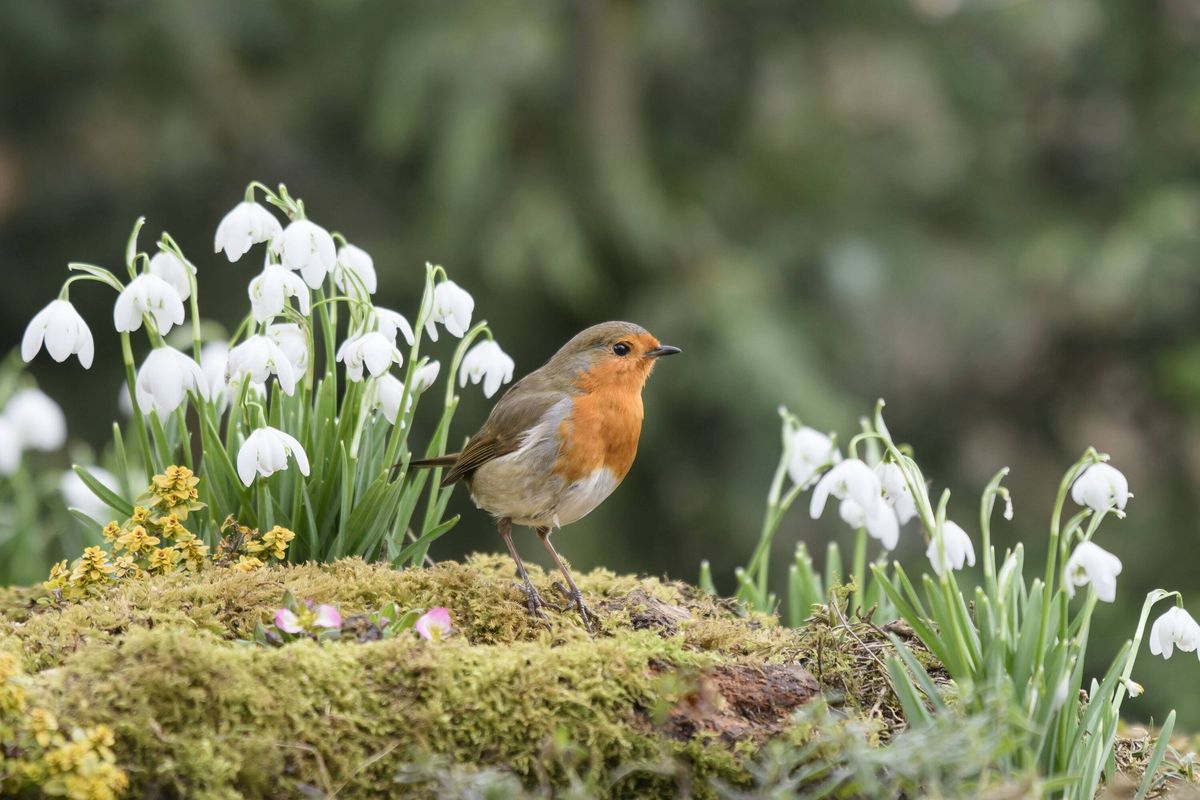
If you like snowdrops, now’s the time to spread them around(Image: Getty)
On the subject of snowdrops, Simon suggests late February is your best bet for lifting and dividing these delicate bulbs to create a more spectacular display next year: “If they haven’t finished flowering where you are, they will do soon. And that is the ideal time to lift, divide, and replant them around the garden.”
“If they’ve still got the leaves on, no flower heads, it’s the best time of the year to propagate your snowdrops by division. It’s another time-sensitive job — as soon as they finish flowering, that’s the time to do it.”
Trimming Wisteria.
Next up on Simon’s list is giving any wisteria in your garden a proper trim. “You would have done a summer cut,” he explains, “and now it’s time to do your winter cut, and February is going to be your last opportunity.”
The trick is to cut back those lengthy, whippy shoots, keeping just two or three buds from the main stem. Simon notes: “As with all these prunings, always remove dead, diseased, dying, or crossing branches.”
Another crucial tip is thoroughly cleaning your secateurs or saws after tackling each plant. Skip this step, and you could end up spreading disease or pests between your treasured plants.
Pruning Fruit Trees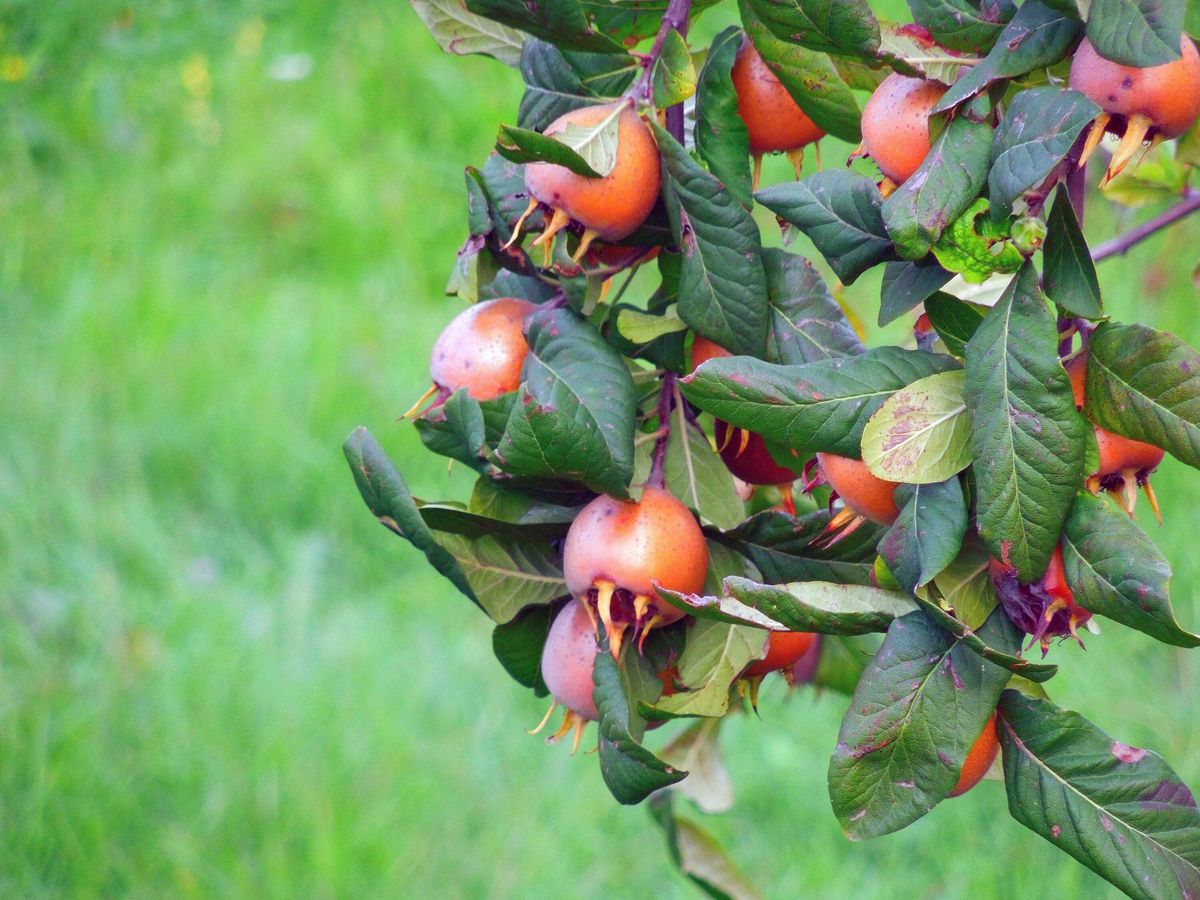
Medlars are a rare sight these days(Image: Getty)
February marks your final chance to tackle remedial pruning on certain fruit trees, Simon points out. Apple, pear and medlar trees can all be tidied up during this period.
Medlars don’t get as much attention as apples or pears but produce a harvest of small brown fruits come autumn that can be enjoyed fresh or turned into jelly. Rarely stocked in supermarkets, the only real way to sample a medlar nowadays is to cultivate one in your own garden.
The fruit trees you absolutely mustn’t prune right now are the stone fruits — cherries, peaches, plums and similar varieties. Trimming them during the colder months could cause serious damage.
Applying Winter Tar Wash
Another crucial task for anyone with fruit trees is applying a winter tar wash. Readily available from most major garden centres, winter tar wash is an oil-based treatment that helps manage common garden pests like aphids and red spider mites.
Sprayed onto fruit tree bark, it suffocates overwintering insect eggs, preventing infestations once temperatures rise.
Comments are closed.