
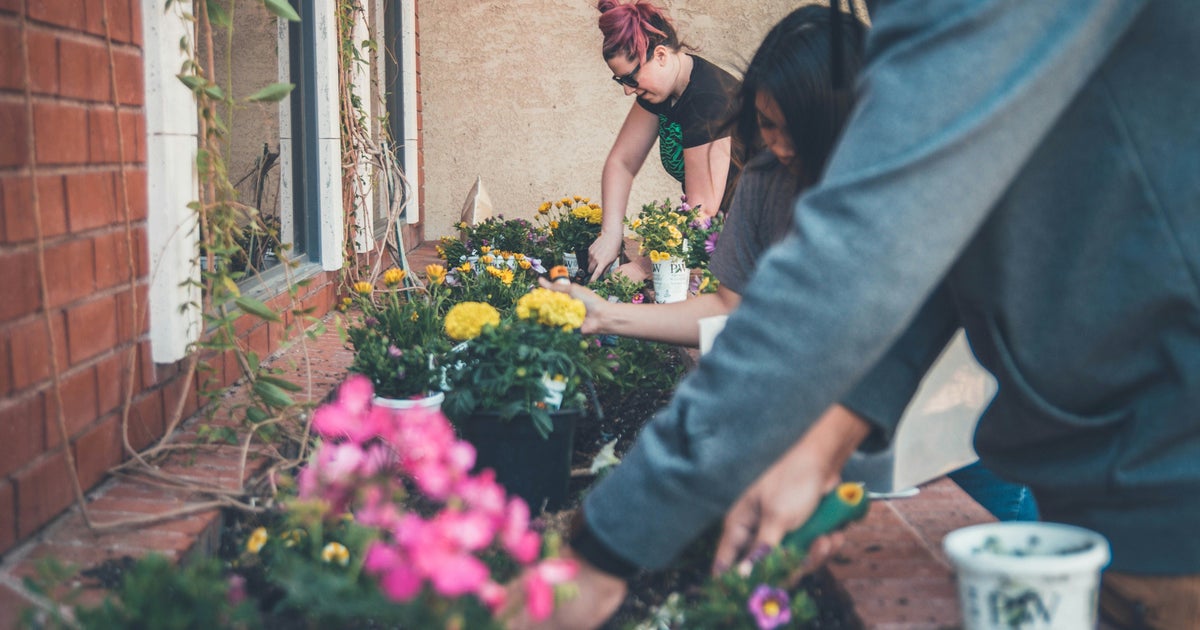
With this endless dreary winter dragging on, you could be forgiven for looking forward to brighter, warmer days in the garden as spring and summer are just around the corner (no, really).
Plus, if you’ve been meaning to get into gardening, there’s no better time than the present to plan ahead and look forwarding to planting seeds under a bright, warm sun.
It’s coming, we promise.
However,if you are feeling a little intimidated by the idea of gardening, it can be hard to know where to start. With this in mind, we’ve chosen 5 starter plants for those taking the green-fingered leap this year.
Three beginner-friendly plants
Lavender
According to the Royal Horticultural Society (RHS): “Lavender is best planted in April or May as the soil naturally warms up and when many fresh plants become available in garden centres.
“Lavender should never be planted in winter when young plants are vulnerable to rotting in cold, wet soils.”
They give the following planting advice:
Lavender is easy to plant and takes just a few minutes. If your soil is heavy, plant on a 20-30cm (8in-1ft) mound, ridge or in a raised bed where the roots will not sit in wet soil.
Plant the lavender as soon as possible after buyingSpace plants about 90cm (3ft) apart if growing in groupsIf planting a hedge, space plants 30cm (1ft) apart or 45cm (18in) for larger cultivarsAfter planting, water regularly, especially in dry weather, for the first season
Then, let it flourish in your garden. You can prune it if you’d like to or just leave it for birds to feed on. It should grow back every year.
Pheasant’s tail grass
This stunning ornamental grass can add a visually-striking touch to your garden with very little upkeep required.
BBC Gardener’s World says: “This evergreen perennial grass provides year-round colour and structure with bold, low clumps of light-reflecting leaves. Its slender foliage emerges green, but matures to yellow, orange and red over time, reaching a peak in intensity in winter.”
Choose a sunny but lightly shaded spot to plant your tall grass and put the grasses around 45-60cm apart.
Catmint
If you are a big fan of seeing cats roam around your garden, you may want to keep inviting them back with a Catmint plant for them to chew on and rub their heads against.
Plant this in spring, in a shaded spot and ensure that if you’re potting the plant, that the soil a high-quality mix and there is plenty of drainage in the spot.
As for ongoing care, The Old Farmer’s Alamanac says: “Watering is only needed during the first growing season or in prolonged dry spells. Catmints are drought-tolerant once established.”
MUCH needed in this country!
Comments are closed.