
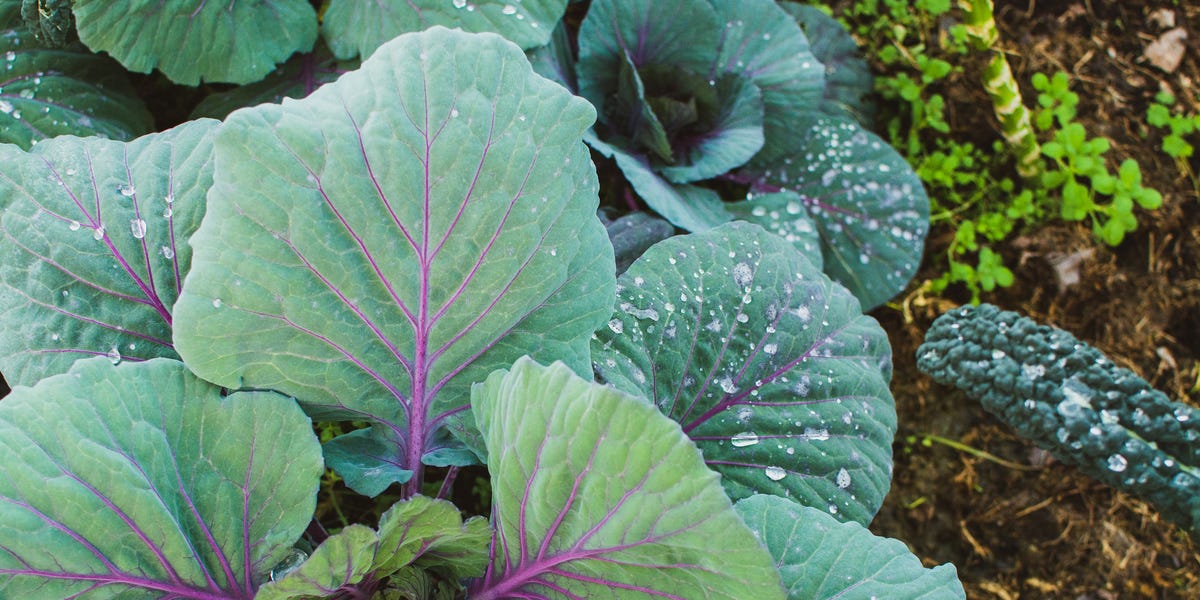
1Kale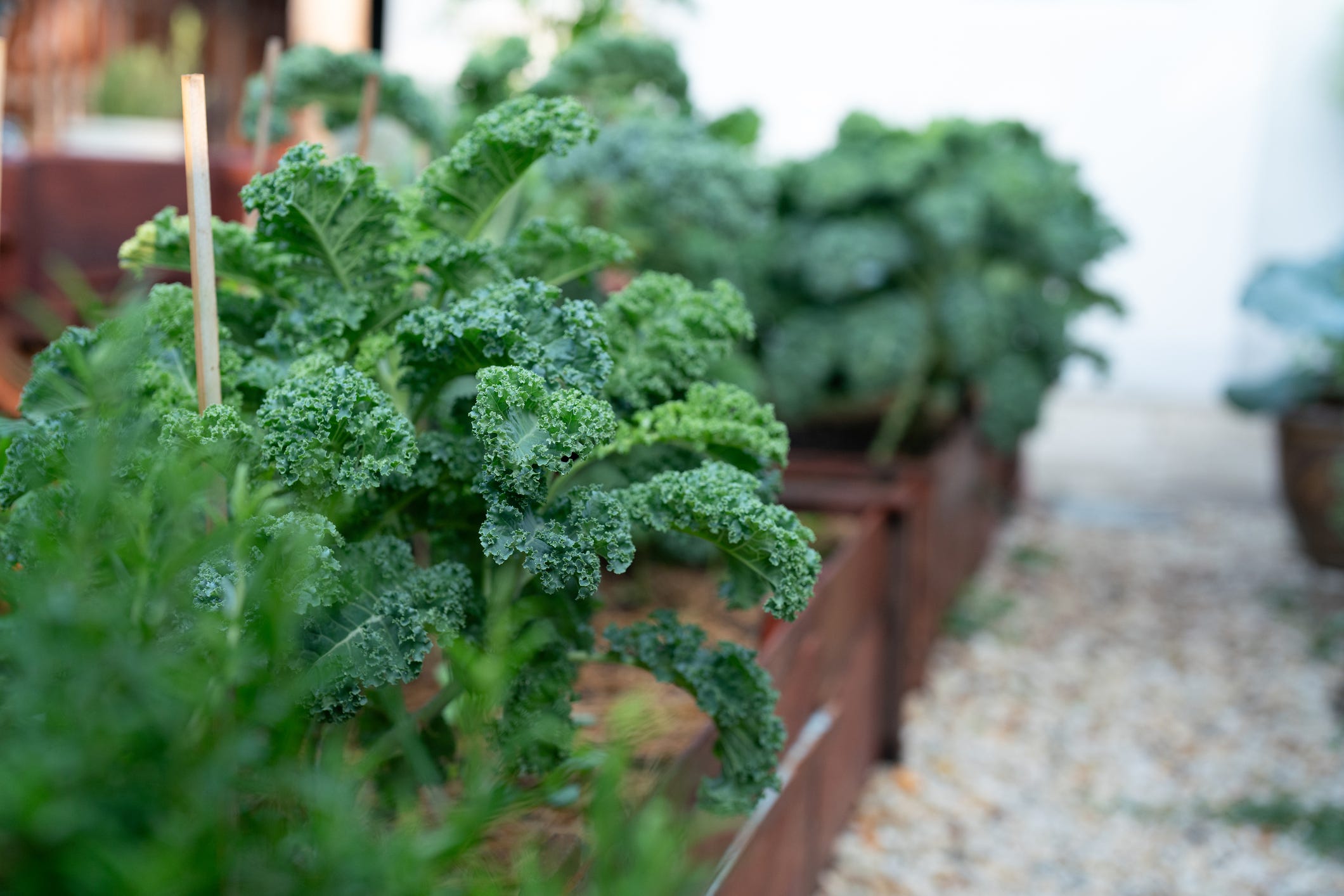 wera Rodsawang//Getty Images
Kale belongs in every winter garden because it tastes even sweeter after a light freeze, especially varieties such as Red Russian, which don’t mind cold snaps. You can plant kale in the fall, and it will overwinter in mild climates, putting out new shoots in spring. Or you can plant the seeds in late winter for a spring harvest.
2Radishes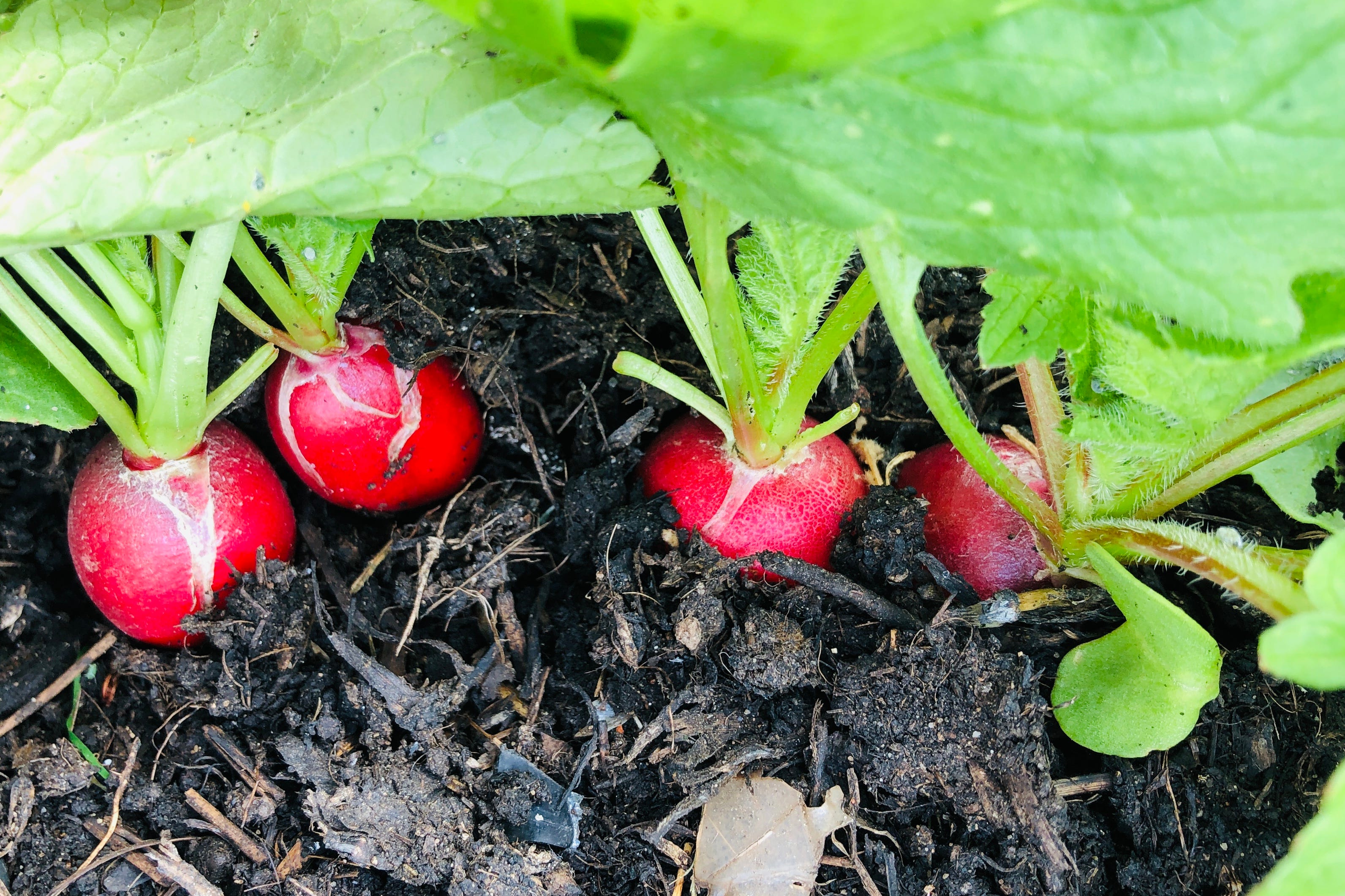 Trudie Davidson//Getty Images
Radishes are a supremely satisfying crop to grow from seed because some varieties mature in less than 30 days. Start sowing in late winter every two weeks for a long harvest window.
Advertisement – Continue Reading Below
3Spinach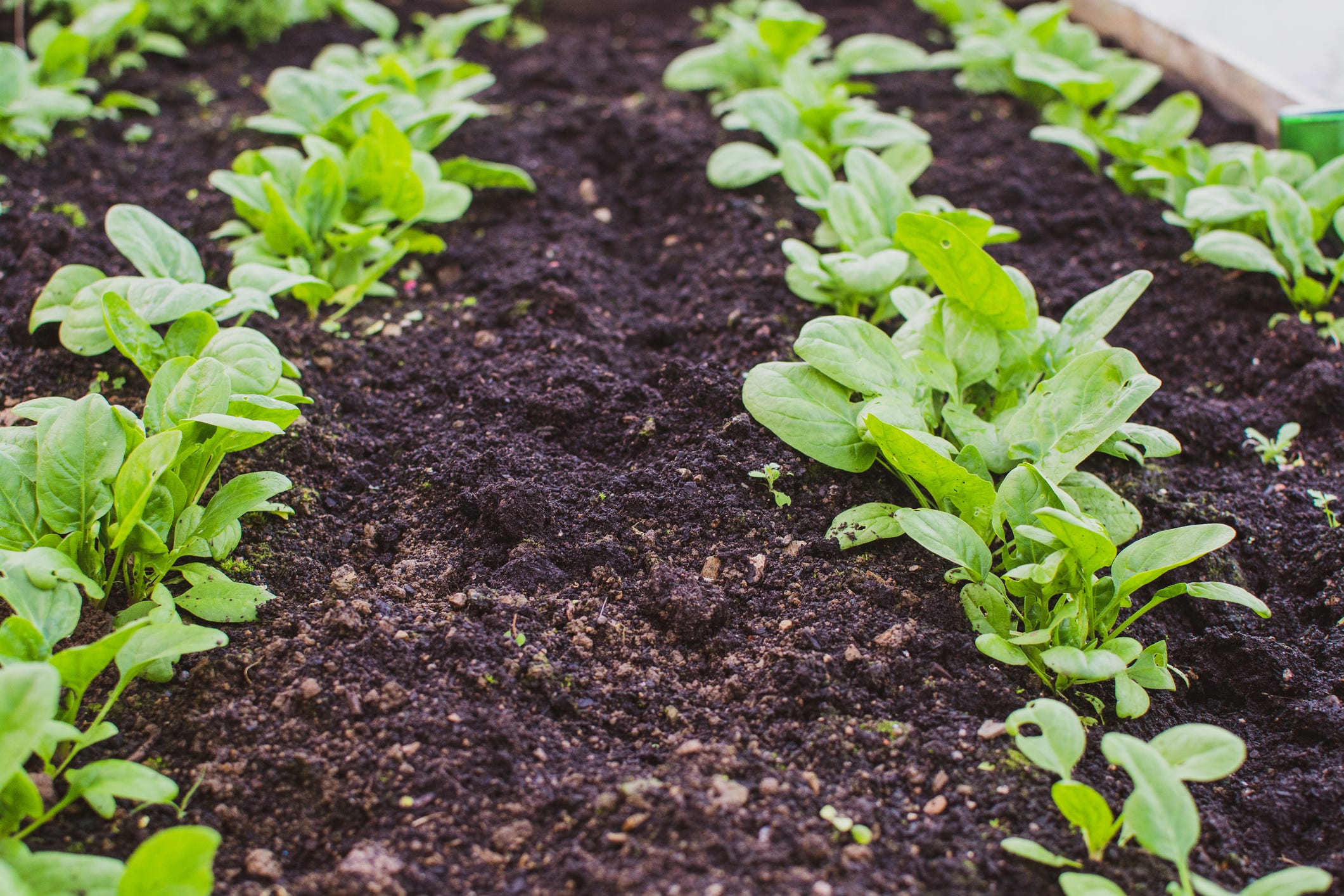 Crispin la valiente//Getty Images
Spinach is one of those veggies you can never have enough of because it’s delicious both fresh and cooked. Start sowing in late winter. Use garden snips to harvest the leaves from the outside of the plant; it will keep producing for months until warm summer temperatures cause it to bolt (go to seed).
4Carrots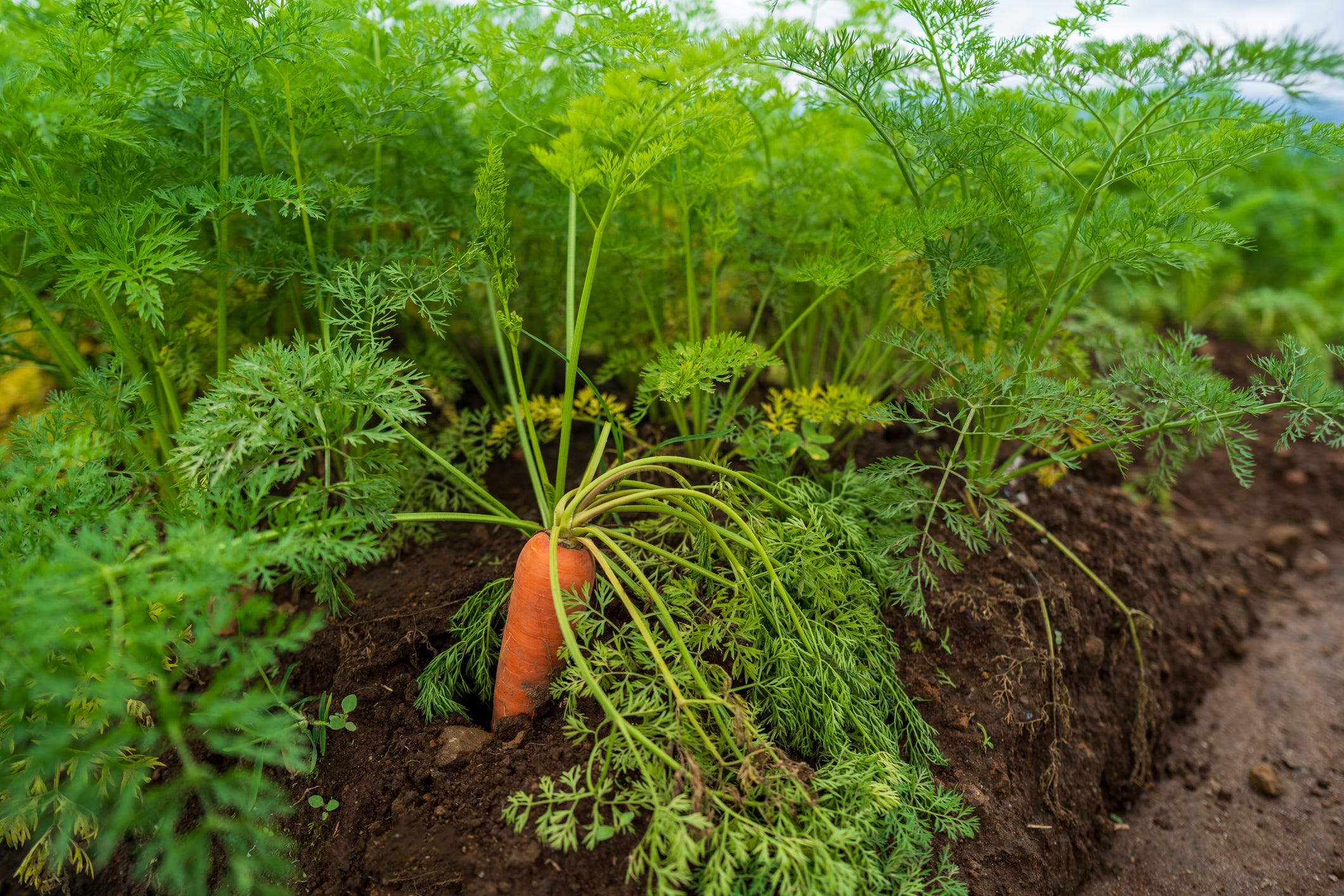 Yasser Chalid//Getty Images
Fall-planted carrots taste sweeter after a frost or two, but you also can plant a winter crop in late January or February when soil temperatures are in the 50s and warmer. They’ll be ready before the heat of late spring; early summer causes them to taste bitter. ‘Mokum’ is a good variety that holds its sweetness even in hot weather.
Advertisement – Continue Reading Below
5Arugula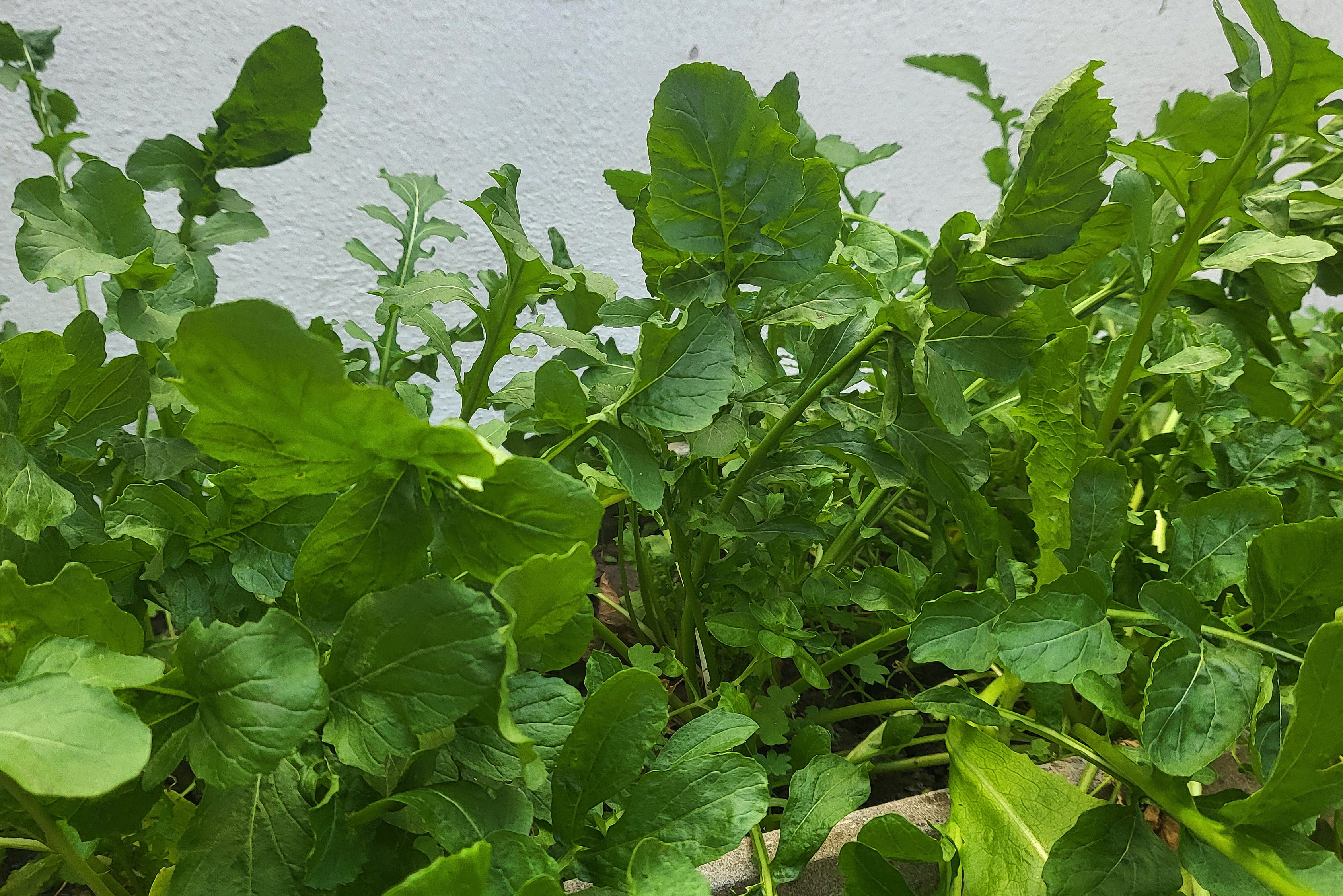 Edith Polverini//Getty Images
The spicy bite of fresh arugula makes every salad brighter. These greens mature quickly, so if you plant in late winter, you’ll have fresh arugula in about 50 days. Like spinach, if you use snips to harvest, the plant will keep producing until hot weather arrives.
6Scallions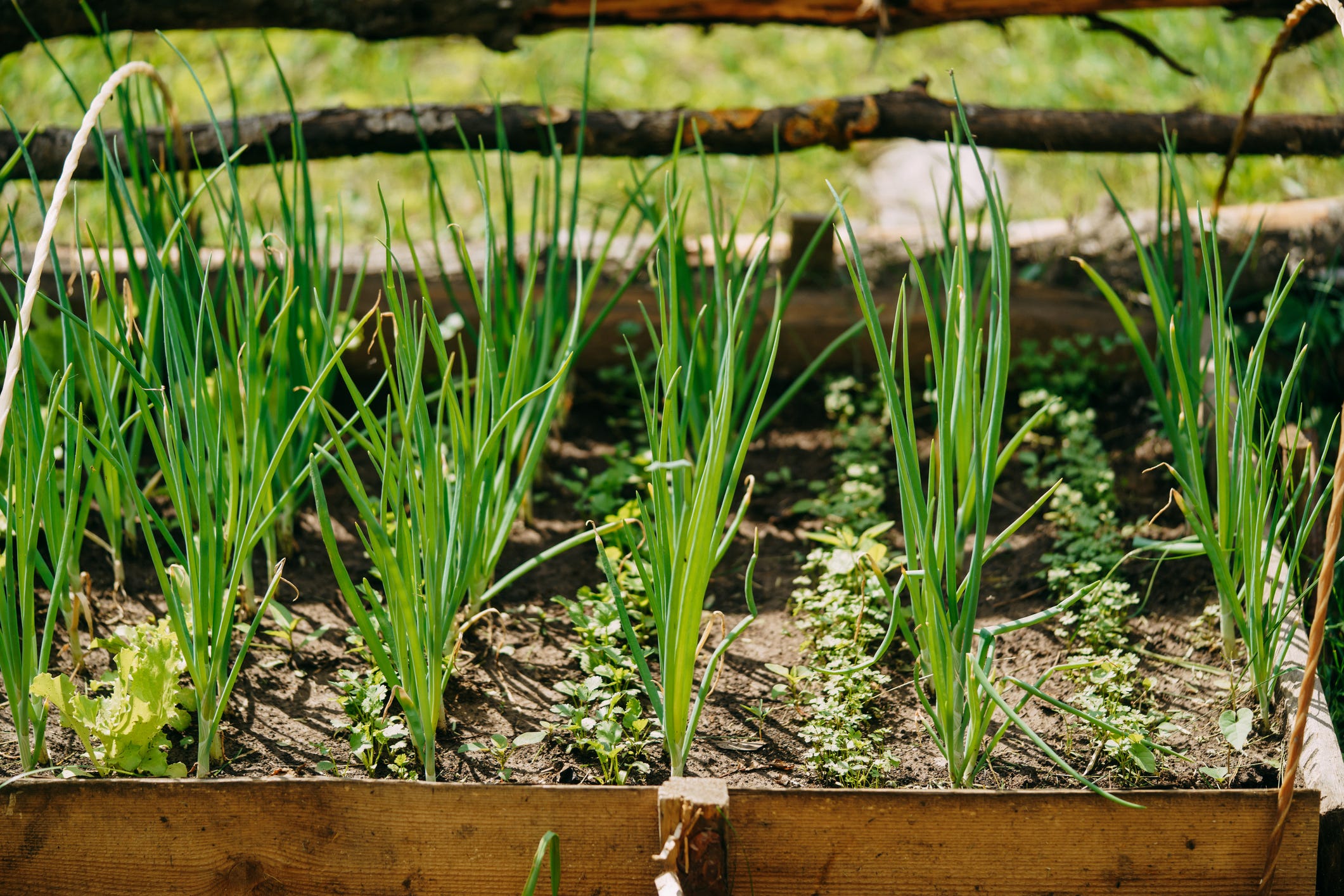 Svetlana Repnitskaya//Getty Images
Scallions, or green onions, are bunching onions (they don’t form a bulb) that taste so much better when you grow them yourself. You can plant the seeds or purchase “sets” (seedlings) in winter for planting by late spring. Scallions planted from sets mature more quickly than those planted from seed.
Advertisement – Continue Reading Below
7Collards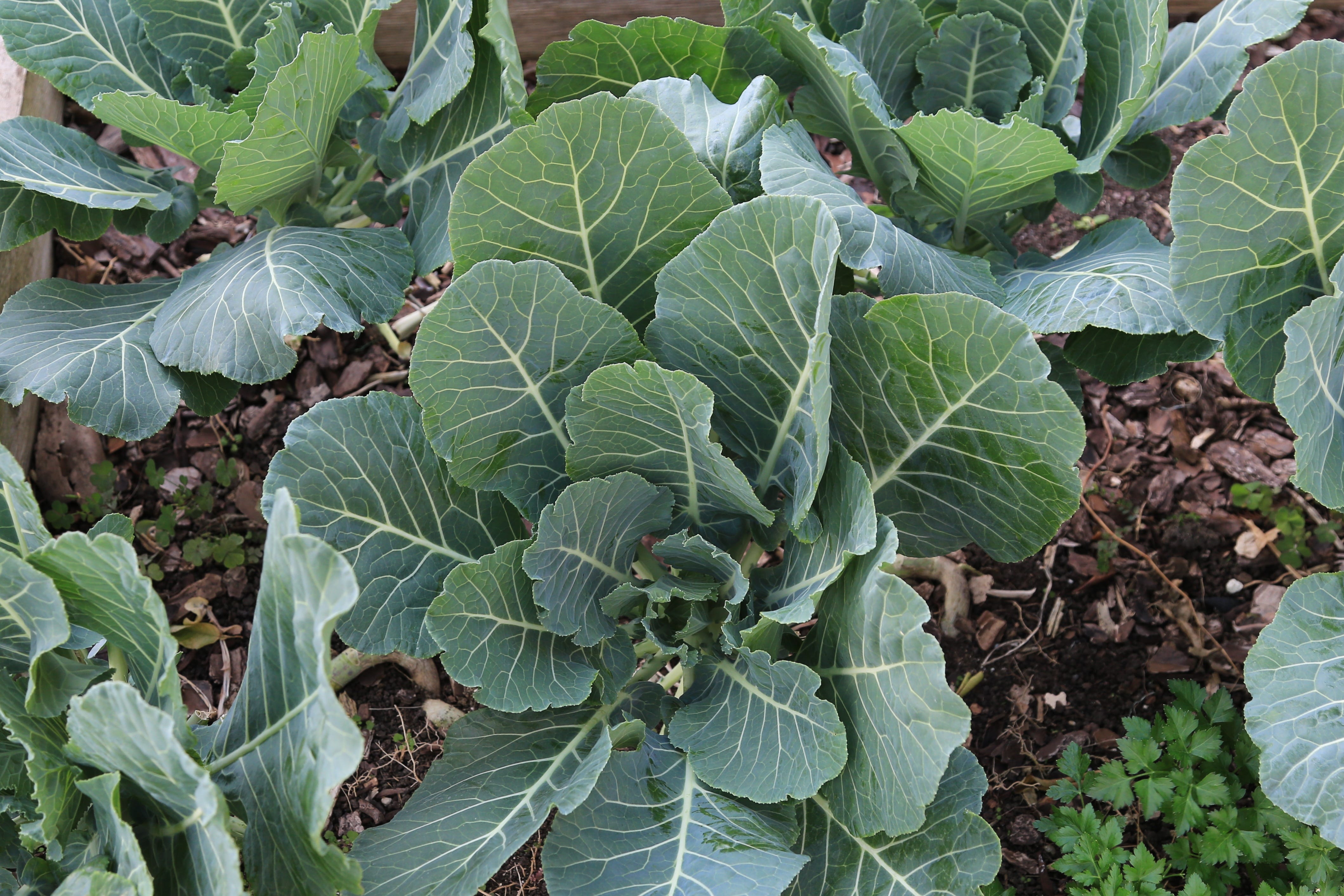 Douglas Sacha//Getty Images
If you’ve never planted collards, you’re missing out! These greens are incredibly versatile and will keep producing all winter long if given adequate moisture. They’re amazing in soups, stews, and stir fries, and are incredibly easy to grow. Plant in late winter for spring harvests; they’ll also withstand a fair amount of heat into summer. ‘Georgia Southern’ is an especially hardy and prolific variety.
8Potatoes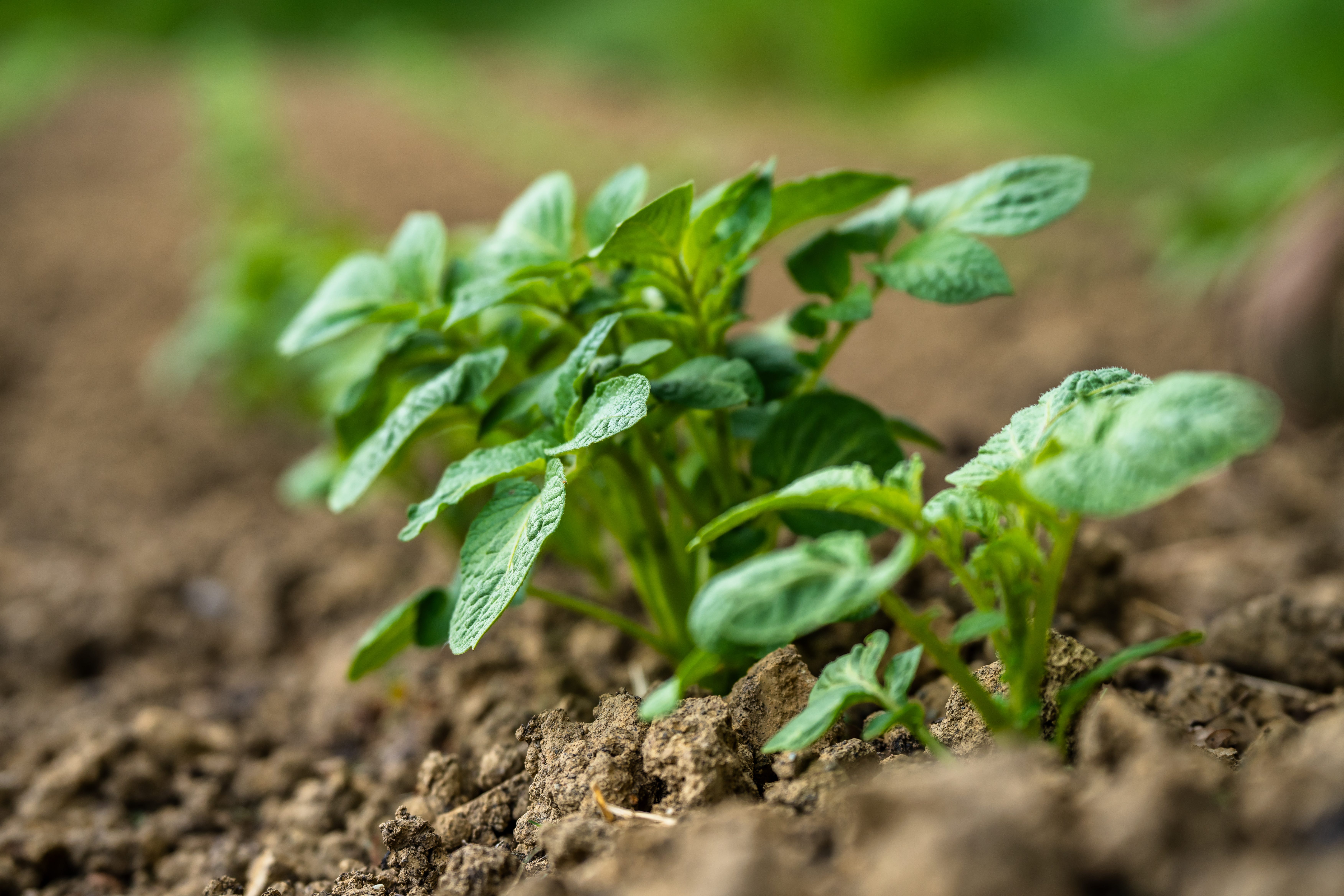 Tina Terras & Michael Walter//Getty Images
Even if you don’t have a ton of garden space, potatoes are a fun crop to grow because they thrive in containers and grow bags. Make sure to purchase “seed potatoes”; the potatoes you get at the store are treated with chemicals, so they won’t sprout. Plant in mid to late winter, depending on where you live.
Advertisement – Continue Reading Below
9Peas Sharon Talson//Getty Images
Peas are one of the best crops to grow in winter to early spring because those things at the grocery store never taste as incredible as a fresh, snappy pea right off the vine. Most peas need support to grow, so set up a trellis and plant your seeds in late winter, or as soon as the soil thaws where you live.
10Lettuce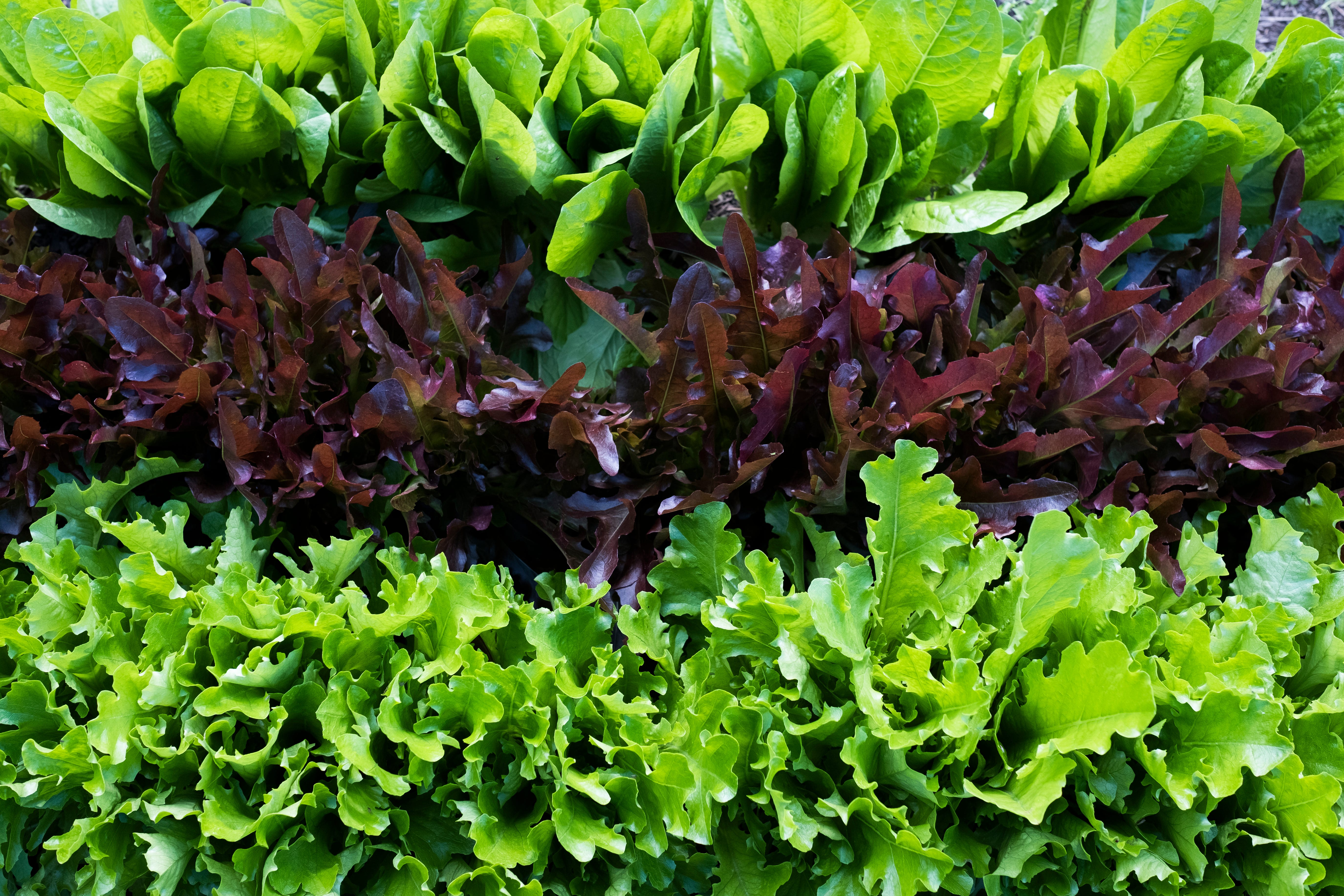 Mint Images//Getty Images
Even if you have no garden beds or raised beds, you can grow lettuce! Because it has such shallow roots, you can grow it in window boxes or small pots. Opt for a mesclun loose-leaf seed mixture for baby salad greens in as little as 30 days.
Advertisement – Continue Reading Below
11Bonus: Herbs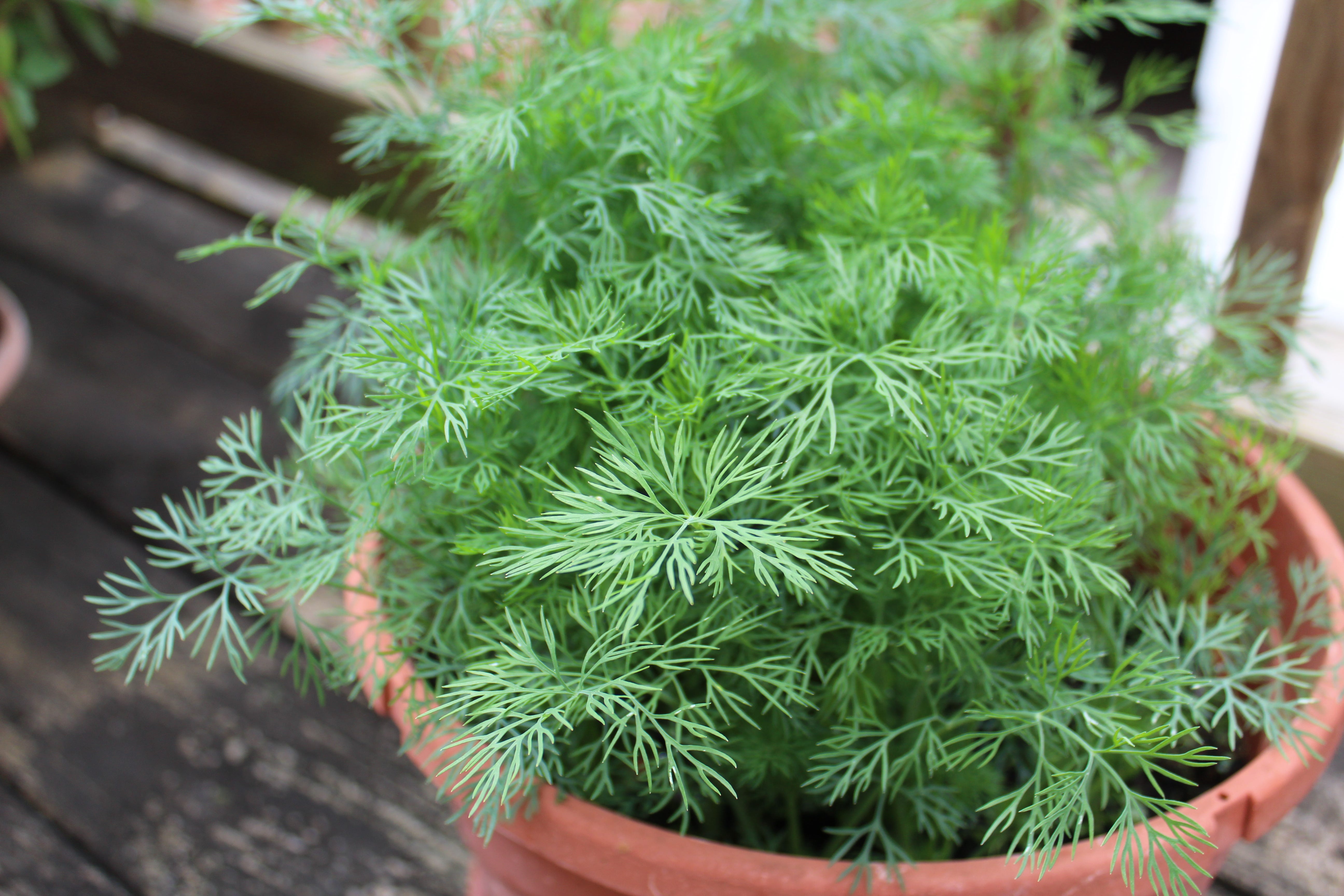 Nicholas Kostin//Getty Images
Even if you grow nothing else, fresh herbs are a great investment because they’re much cheaper than buying those pricey plastic containers at the grocery store. Plus, they’re super-easy to grow. Opt for cool-weather lovers such as cilantro, dill, and parsley for planting in late winter. These herbs don’t like the heat, so enjoy them now, then switch to growing heat lovers such as basil and rosemary in summer.
Advertisement – Continue Reading Below
Readers Also Read
Advertisement – Continue Reading Below
Advertisement – Continue Reading Below
Comments are closed.