
While the beginning of the year can often be a cold and miserable one, the promise of milder weather to come can be a boost for gardens.
Many people will be looking forward to planting new flowers and vegetables, as well as tidying up some key areas.
It’s a month where preparation is the name of the game, and a number of gardening experts have shared some jobs you should get done in February.
5 gardening jobs you should do in February
Plant these flowers
February is a pivotal month ahead of the growing season, and Chris Taylor of Chris Taylor Gardening has shared three plants you should plant this month.
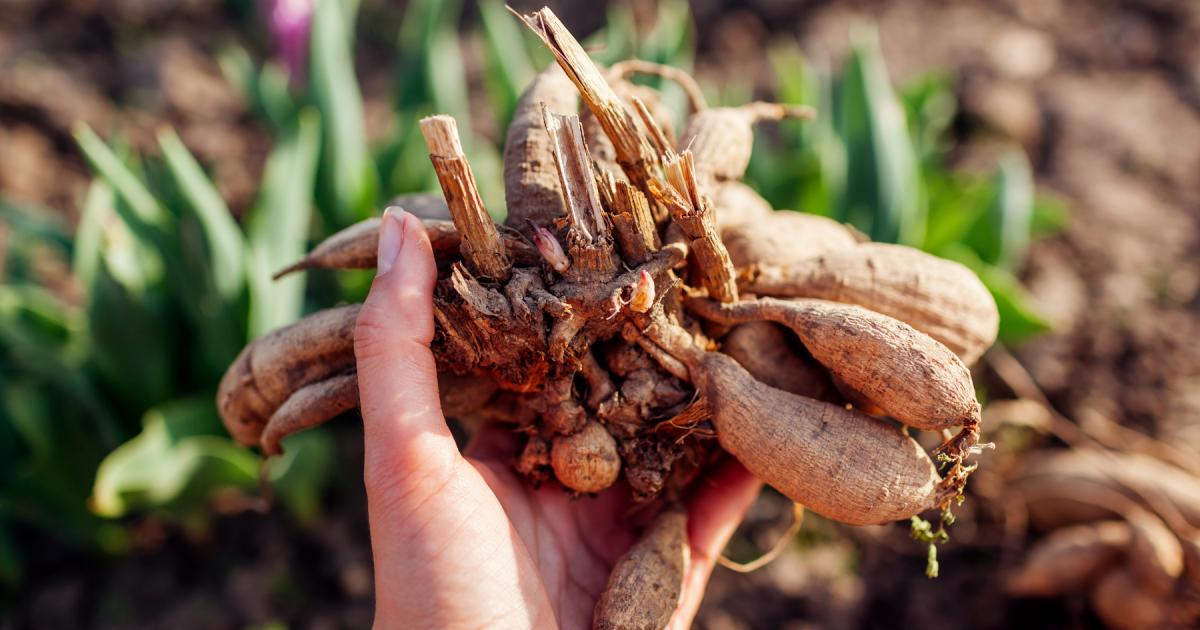
He explained: “I recommend starting dahlia tubers off under cover in February, planting them in pots of free-draining compost and keeping them frost-free.
“This early start encourages strong shoots and root development, meaning the plants are well established and ready to go out as soon as the risk of frost has passed.
“I also sow sweet peas and hardy annuals at this time of year, as cooler conditions help sweet peas form robust root systems, while hardy annuals such as calendula and cornflowers can cope well with lower temperatures and establish early.”
Meanwhile, Luke Newnes, gardening expert at Hillarys, shared: “Sweet peas are a February favourite for me. They love a cold start and actually respond well to being sown now.
Sweet Peas are another plant you can start off early for its growing season (Image: Getty Images)
“I sow them in deep pots or root trainers and keep them in a bright but cool spot (an unheated greenhouse or even a cold windowsill works). They grow slowly at first, but that slow growth makes them sturdier long‑term.”
Alongside that, Chris Bonnett, founder of GardeningExpress.co.uk emphasised the importance of keeping plants warm.
He shared: “Using fleece, cloches, greenhouses or heated propagators can help keep conditions steady and support germination.”
Plant these vegetables
Chris Taylor recommends planting sweet peppers, chillies and aubergines this month if you’re looking to grow some vegetables.
He added: “These crops originate from warmer climates and require consistent temperatures to germinate, so I always use a heated propagator or a warm indoor windowsill.
“Sowing them early allows for their naturally slow initial growth, ensuring strong, productive plants later in the summer.”
Luke Newnes also advocated starting these vegetables off in February as they need a long growing season.
He added: “They won’t germinate well in cold conditions, so I usually use a heat mat or keep them somewhere warm indoors.
“Once they’re up, the key thing is as much light as you can give them, otherwise they stretch and go leggy.
“Chillies especially seem to love a slow, steady start, and I’ve found the February sowings always outperform later ones.”
Tidy beds and borders
Having a quick tidy of your beds and borders can be a small but really useful exercise ahead of the main growing season.
Gardening specialist Simon Parry, who works with decking brand Trex, explained: “Clearing away winter debris helps reduce pests and disease and gives emerging plants light and space to grow.
“Remove dead foliage, the remains of spent annuals and any early weeds before they become established. Towards the end of the month, you can also start cutting back deciduous ornamental grasses to allow new growth to come through.”
Prepare soil for spring planting
Enriching your soil ahead of planting can be incredibly useful, such as with compost or leaf mould.
Simon adds: “On a day when the ground isn’t frozen or waterlogged, and after you’ve given your beds and borders a good tidy, dig over the soil and enrich it with compost or well-rotted manure.”
Recommended reading:
Protect plants from late frosts
Frosts can be a real detriment to plants, so protecting your existing ones as best you can at this time of the year is crucial.
Protect tender plants with horticultural fleece during cold spells, especially when new growth begins to appear.
Simon adds: “It’s also worth putting mulch around the base of plants to insulate their roots and moving any vulnerable plants in pots to sheltered positions if a frost is forecast.”
Comments are closed.