
February can feel like the most confusing month in the garden. A few warm days whisper spring, but one wrong move now can undo months of patience later.
For USDA Plant Hardiness Zones 4–6, February is the moment when slowing down actually sets you ahead.
February Is for Planning, Not Pushing
Image Credit: Shutterstock.
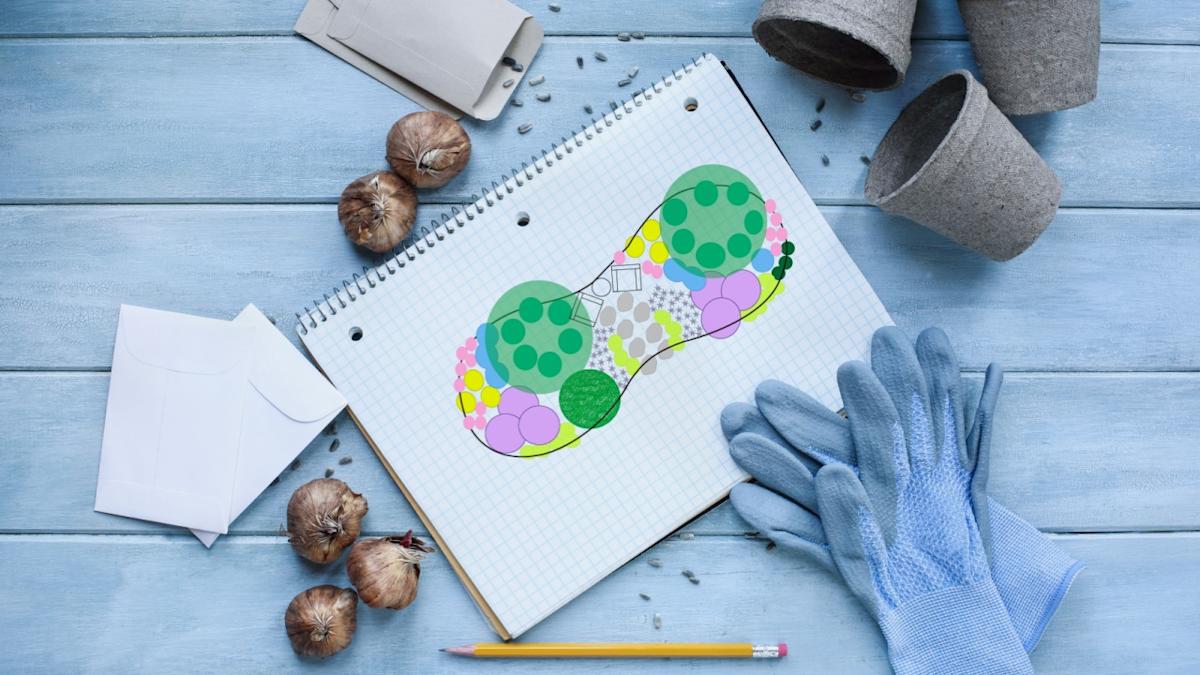
Across Zones 4–6, February is primarily a planning month. Most professional garden checklists emphasize preparation over planting: reviewing last year’s notes, sketching layouts, planning crop rotation, and ordering seeds early, before popular varieties sell out.
This is also the ideal time to reset. Many gardeners use February to declutter seed collections, test older seeds for germination, and filter seed catalogs with a realistic eye toward space, light, and budget.
What You Can Start Indoors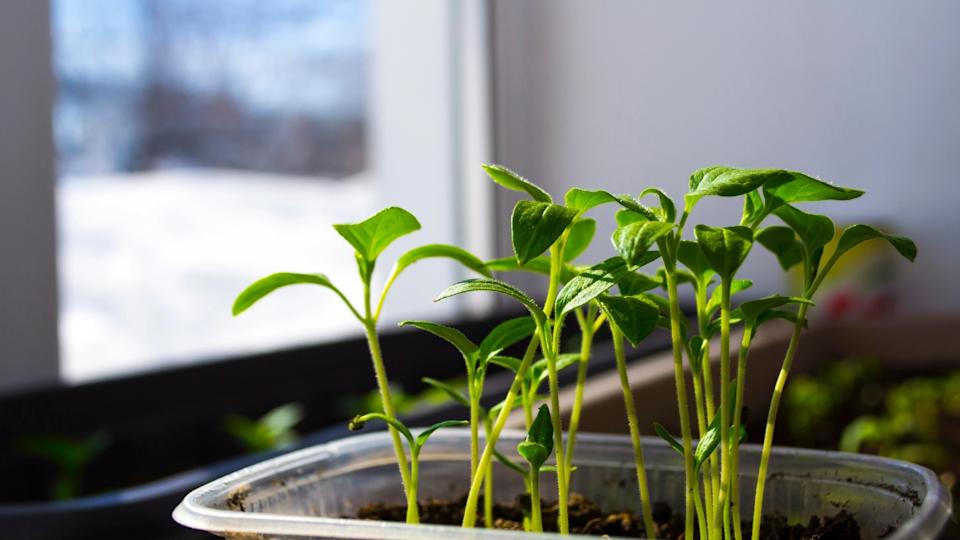
Photo Credit: Depositphotos.
Seed starting begins this month, but selectively. Long-season crops, such as onions, leeks, and celery, as well as slow-growing herbs like rosemary and thyme, benefit from an early start, especially in Zone 4 and colder Zone 5 areas.
Zone 6 gardeners may want to start peppers or eggplants in late February, as both benefit from a little extra time due to their slow germination and growth. Gardeners in Zones 4 and 5 should hold off starting either until March.
If you don’t have grow lights, it’s usually better to start fewer seeds well than many seeds poorly. Weak light—especially from inexpensive fixtures—leads to leggy seedlings. Cold basements can also sabotage germination, so warmer indoor spaces matter.
Prune Carefully
Image Credit: Shutterstock.
Late winter pruning is one of February’s most valuable outdoor tasks. Dormant apples, pears, grapes, and many deciduous shrubs respond well to pruning now, when branch structure is visible, and disease pressure is low.
Avoid pruning spring-flowering shrubs like lilac, forsythia, and magnolia. Their buds are already set, and pruning now removes blooms.
If you’re unsure, both Iowa State University Extension and University of Minnesota Extension provide comprehensive pruning guides for a variety of perennials.
Quiet Maintenance That Pays Off Later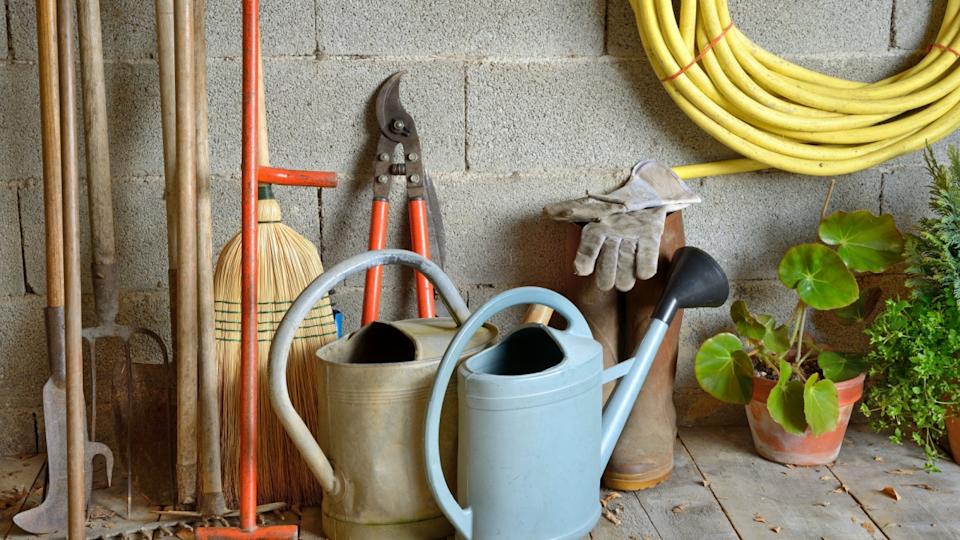
Image Credit: Shutterstock.
February shines when it comes to maintenance. Sharpen tools, oil wooden handles, clean pots, inspect row covers, repair fencing, and service lawn equipment. Soil testing now allows time for amendments to be added to garden beds before planting season. Compost piles should be monitored, not aggressively turned, and mulch levels should be checked after winter storms to protect perennial crowns.
Snow, despite appearances, is helpful insulation, so you can leave it where it lies. During dry winters, winter watering may be necessary on above-freezing days, but avoid overwatering dormant plants.
Comments are closed.