
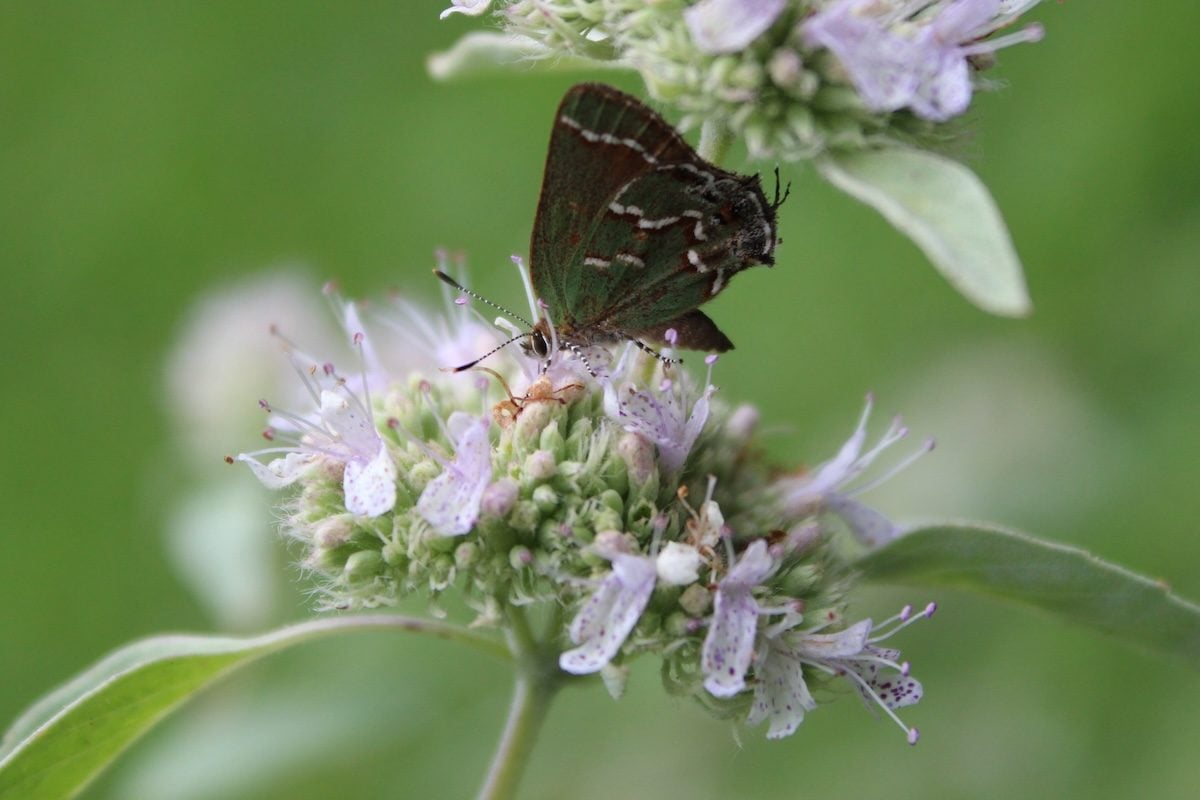
Mountain Mint Plant Identification
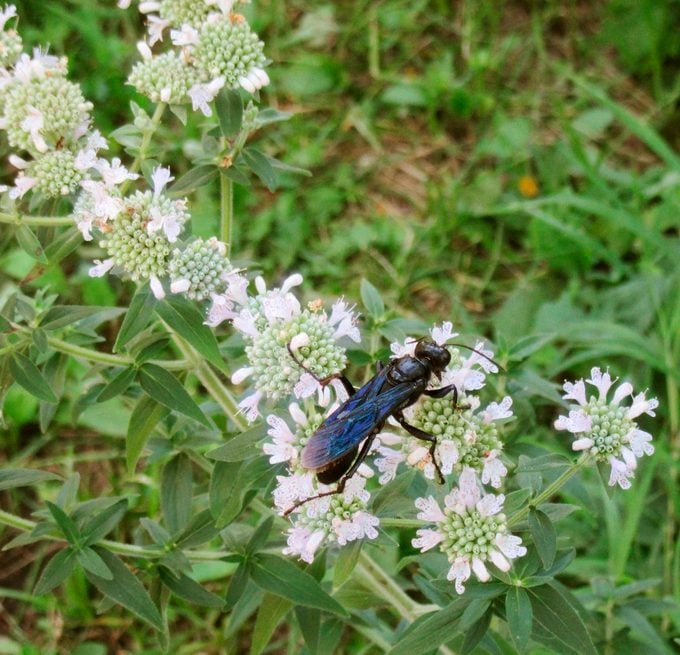 Courtesy Karen RascoGreat black wasp
“What type of flower is this? These wasps and bees love them,” asks Birds & Blooms reader Karen Rasco of Evanston, Illinois.
Horticultural expert Melinda Myers says, “As you have discovered, this mountain mint (Pycnanthemum virginianum) really is a pollinator favorite. It’s also host to several caterpillars, and deer tend to leave it be.”
Brush up on your butterfly host plant myths and facts.
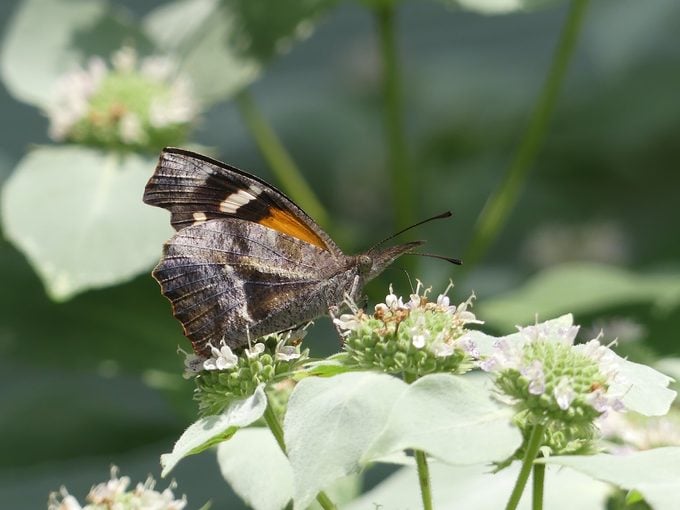 American snout butterflAmerican snout butterfly on mountain mint, courtesy Christine MccluskeyAmerican snout butterfly
Melinda continues, “Hardy in Zones 3 to 7, it grows best in full sun and moist soil. Native to wet meadows, this summer to fall bloomer makes an excellent plant for rain gardens and shoreline plantings. The great black wasp visiting your plant aids pollination but also helps manage harmful garden pests like grasshoppers.”
Psst—hummingbirds will flock to a hummingbird mint plant.
Types of Mountain Mint Plants
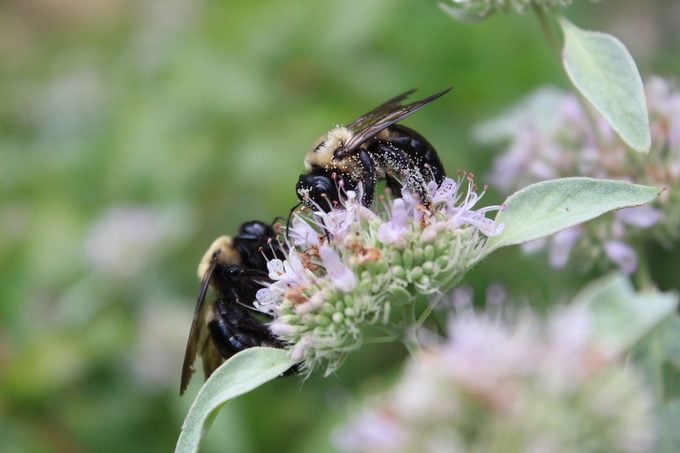 Courtesy Brigitte MccauleyCarpenter bees on hoary mountain mint
Native to the eastern U.S., hoary mountain mint (Pycnanthemum incanum) has gray green foliage and self-seeds readily. The nectar rich flowers attract butterflies and other pollinators.
Narrow-leafed (or slender) mountain mint (Pycnanthemum tenuifolium) is known for clusters of white flowers with light purple spots and narrow foliage.
On blunt mountain mint (Pycnanthemum muticum), the bracts under the flowers are less pointed in shape. Both the flowers and leaves, which smell like spearmint, may be used to make tea.
Editor’s note: For help identifying a plant, bird or butterfly, get in touch with your local university extension office. Or submit your photos and questions to our experts at birdsandblooms.com/submit-your-story/. They may give you an answer here or in the magazine.
About the Expert
Melinda Myers is the official gardening expert for Birds & Blooms. She is a TV/radio host, author and columnist who has written more than 20 gardening books. Melinda earned a master’s degree in horticulture from the University of Wisconsin-Madison.
Comments are closed.