

Last summer, Maria noticed something strange happening to her prized lemon tree. Every morning, she’d find half-eaten fruit scattered beneath the branches and tiny holes pecked into the ripening lemons. Her neighbor’s tree, just twenty feet away, remained untouched. The only difference? Dozens of wine cork stoppers dangling from every branch like tiny wind chimes.
Also Read

Why These 6 Eye Shadow Primers Are Quietly Changing How Women Over 40 Do Their Makeup
“I thought my neighbor had lost his mind,” Maria laughs now. “But when I asked him about it, he just winked and said, ‘Watch and learn.’”
Within days, she understood. The cork stoppers on lemon branches weren’t decoration—they were a battlefield strategy that had been quietly saving harvests for generations.
Also Read

The Hidden Reason Eye Shadow Primers Are Making Makeup Last 14 Hours Longer
The Secret Behind Those Dancing Corks
Cork stoppers hanging from lemon branches serve as a natural pest deterrent that works on multiple levels. The constant movement creates visual disturbance that confuses birds and insects, while the clicking sound acts as an audio deterrent.
Dr. Anthony Ricci, a citrus specialist from UC Davis, explains the science: “Birds rely heavily on stable perching spots and predictable feeding environments. When branches are constantly moving with hanging objects, it disrupts their comfort zone and feeding patterns.”
Also Read

The 6 situational awareness traits that make some people naturally let rushed strangers cut in line
The method works because most pests prefer easy targets. When faced with branches that move unpredictably and create unfamiliar sounds, many birds and insects simply move on to less challenging fruit trees.
Traditional Mediterranean farmers have used this technique for decades, passing it down through families as a chemical-free way to protect their citrus harvests. The corks catch even the slightest breeze, creating a constantly shifting environment that pests find uncomfortable.
Also Read
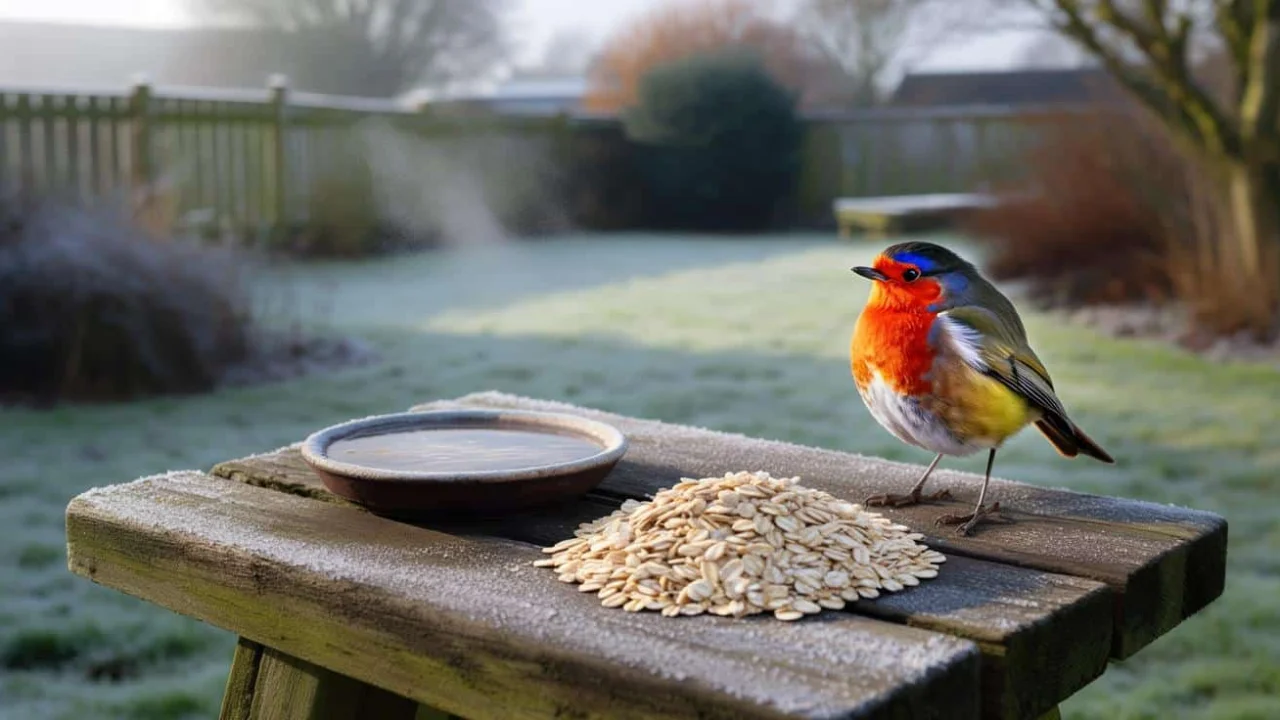
RSPCA reveals the one kitchen staple helping garden birds survive harsh weather conditions
How Cork Stoppers Protect Your Harvest
The cork stopper method targets several common lemon tree pests through different mechanisms:
Visual deterrent: Moving objects create an unstable environment that birds avoid
Sound barrier: Gentle clicking mimics predator activity or territorial warnings
Physical obstacle: Hanging corks make it harder for birds to land and feed comfortably
Reflection effect: Light bouncing off cork surfaces creates additional visual confusion
Scent factor: Wine-soaked corks may carry residual alcohol scents that some pests dislike
Also Read

Royal nanny receives extraordinary honor that most palace staff never see in their careers
The effectiveness varies depending on local wildlife, but most gardeners report 60-80% reduction in bird damage within the first month of installation.
Pest Type
Effectiveness Rate
Time to See Results
Blackbirds
75-85%
1-2 weeks
Sparrows
60-70%
2-3 weeks
Wasps
40-60%
3-4 weeks
Caterpillars
30-50%
4-6 weeks
Giuseppe Martinelli, a third-generation lemon grower from Sicily, swears by the method: “My grandfather taught me this trick. We never used sprays or traps. Just corks, string, and patience.”
Real Benefits for Home Gardeners
Beyond pest control, cork stoppers on lemon branches offer several practical advantages for home gardeners. The method costs almost nothing—most wine corks are free, and string is inexpensive. Unlike chemical pesticides, it poses no risk to beneficial insects, pets, or family members.
The technique works year-round and requires minimal maintenance. Once installed, cork stoppers can last several seasons before needing replacement. They’re also completely organic, making them perfect for gardeners who want chemical-free fruit.
Lisa Chen, who manages a community garden in California, noticed immediate improvements: “We installed cork stoppers on our citrus trees in March. By harvest time, we had 40% more undamaged fruit compared to the previous year.”
The method is particularly effective for urban gardeners dealing with aggressive bird populations. City birds often become bolder around human activity, but the unpredictable movement of cork stoppers creates enough uncertainty to keep them away.
Installation is simple: tie wine corks to 6-8 inch strings and hang them throughout the tree canopy, spacing them about 12 inches apart. The corks should hang freely and move easily in light breezes.
Some gardeners enhance the effect by using corks from different wines, creating varied colors and sizes that increase visual disruption. Others drill small holes in corks to create whistling sounds in stronger winds.
The technique works best when combined with good garden hygiene—removing fallen fruit and keeping the area clean reduces the overall attraction for pests.
What the Future Holds
As more gardeners discover this old-world technique, cork stoppers on lemon branches are experiencing a revival. Garden centers in Mediterranean regions now sell pre-strung cork deterrent kits, and online gardening communities share installation tips and success stories.
Agricultural researcher Dr. James Patterson notes the broader implications: “Natural pest deterrents like cork stoppers represent sustainable farming practices that reduce chemical dependency while maintaining crop protection.”
The method is gaining attention from commercial organic growers seeking alternatives to expensive pest control systems. Some citrus farms are testing large-scale cork installation as part of integrated pest management programs.
For home gardeners, the cork stopper method represents a perfect blend of tradition and practicality—a simple solution that connects us to generations of farmers who understood that sometimes the best answers come from the simplest ideas.
FAQs
Do I need to use wine corks specifically?
Any cork works, but wine corks are ideal because they’re lightweight and weather-resistant.
How many cork stoppers do I need per branch?
Hang one cork every 12-15 inches along each branch for best results.
Will cork stoppers work on other fruit trees?
Yes, this method works well on citrus, apple, cherry, and most fruit trees.
How long do the corks last outdoors?
Cork stoppers typically last 2-3 seasons before needing replacement due to weather wear.
Can I use this method year-round?
Absolutely. Cork stoppers provide protection during all growing seasons and won’t harm the tree.
Do cork stoppers affect beneficial insects like bees?
No, the movement primarily deters larger pests while allowing beneficial insects to access flowers and fruit.

Post navigation
Comments are closed.