
 Ali Majdfar//Getty Images1Redbud Tree
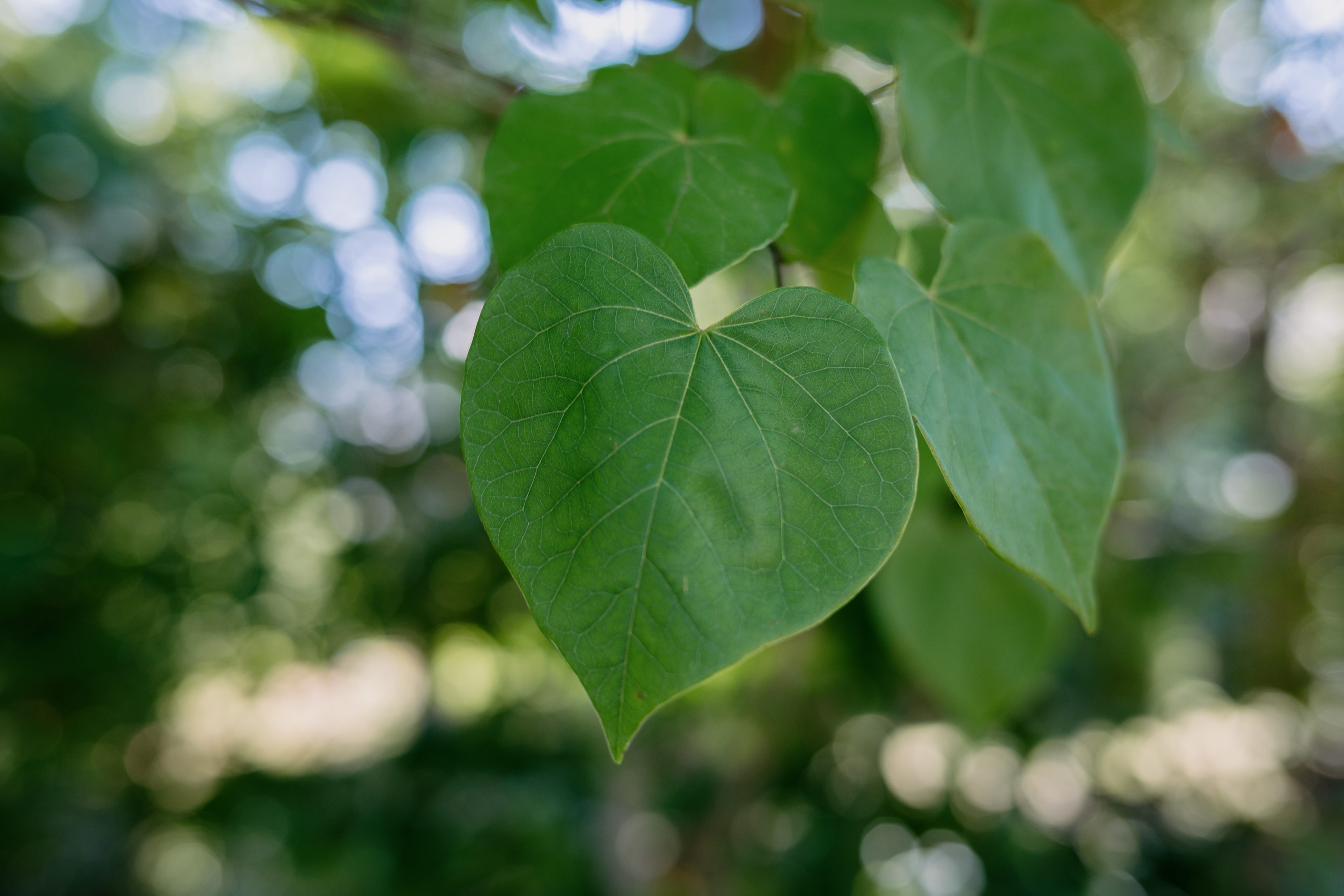 Grace Cary//Getty Images
With charming heart-shaped leaves, this small ornamental tree adds early spring beauty to the landscape. Its tiny red, pink, or white flowers appear along the stems before it leafs out, so it offers a long season of interest to your garden. Redbud needs full sun to dappled shade.
Toxic to pets: No. While this plant does contain small amounts of saponins and alkaloids, it is considered to be non-toxic, according to Dr. Wismer, ASPCA Poison Control.
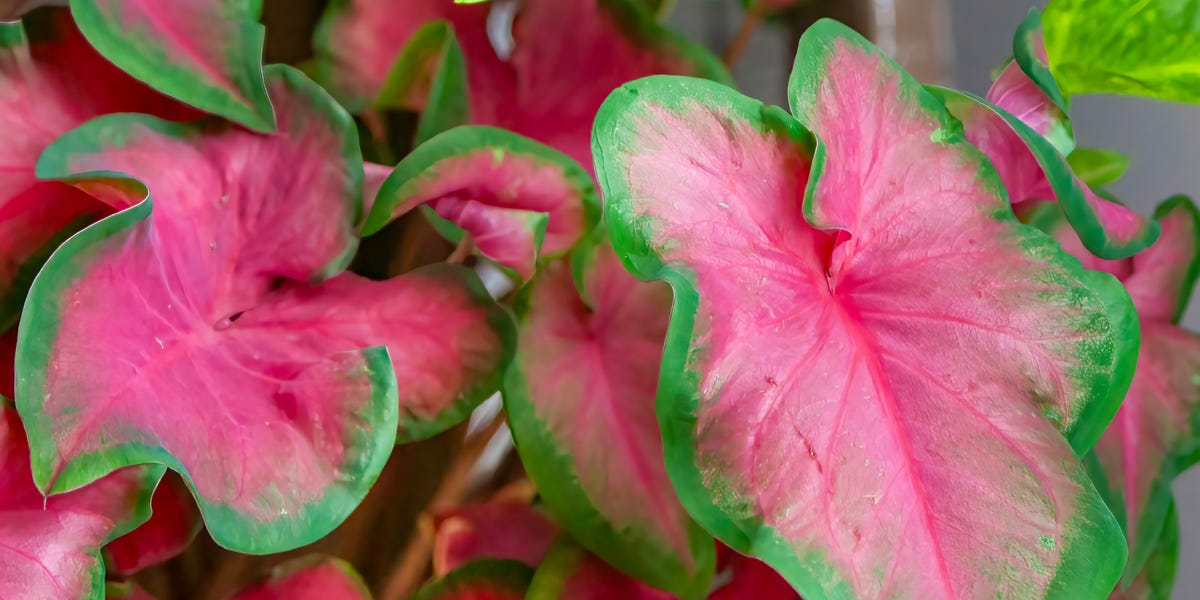
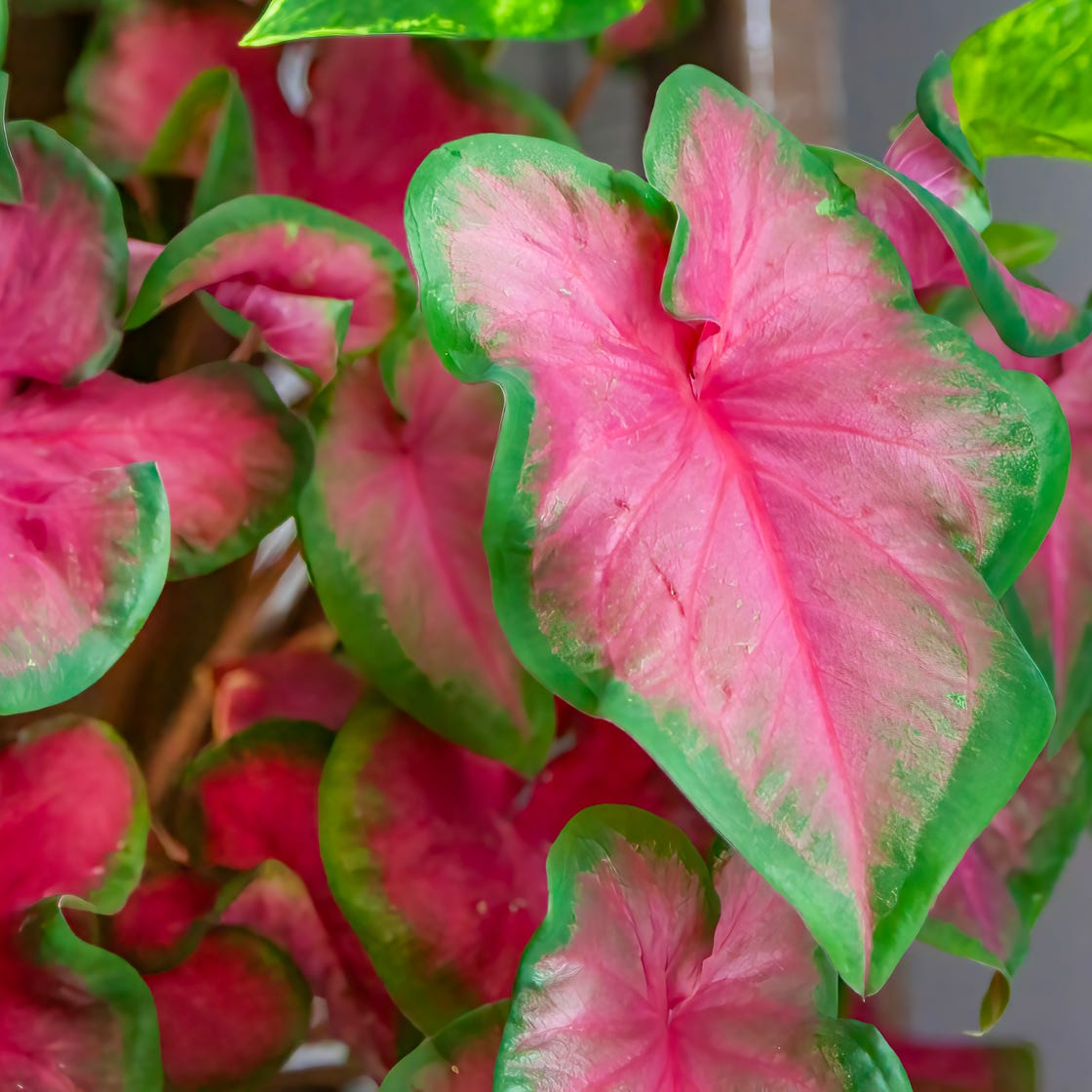
2Caladium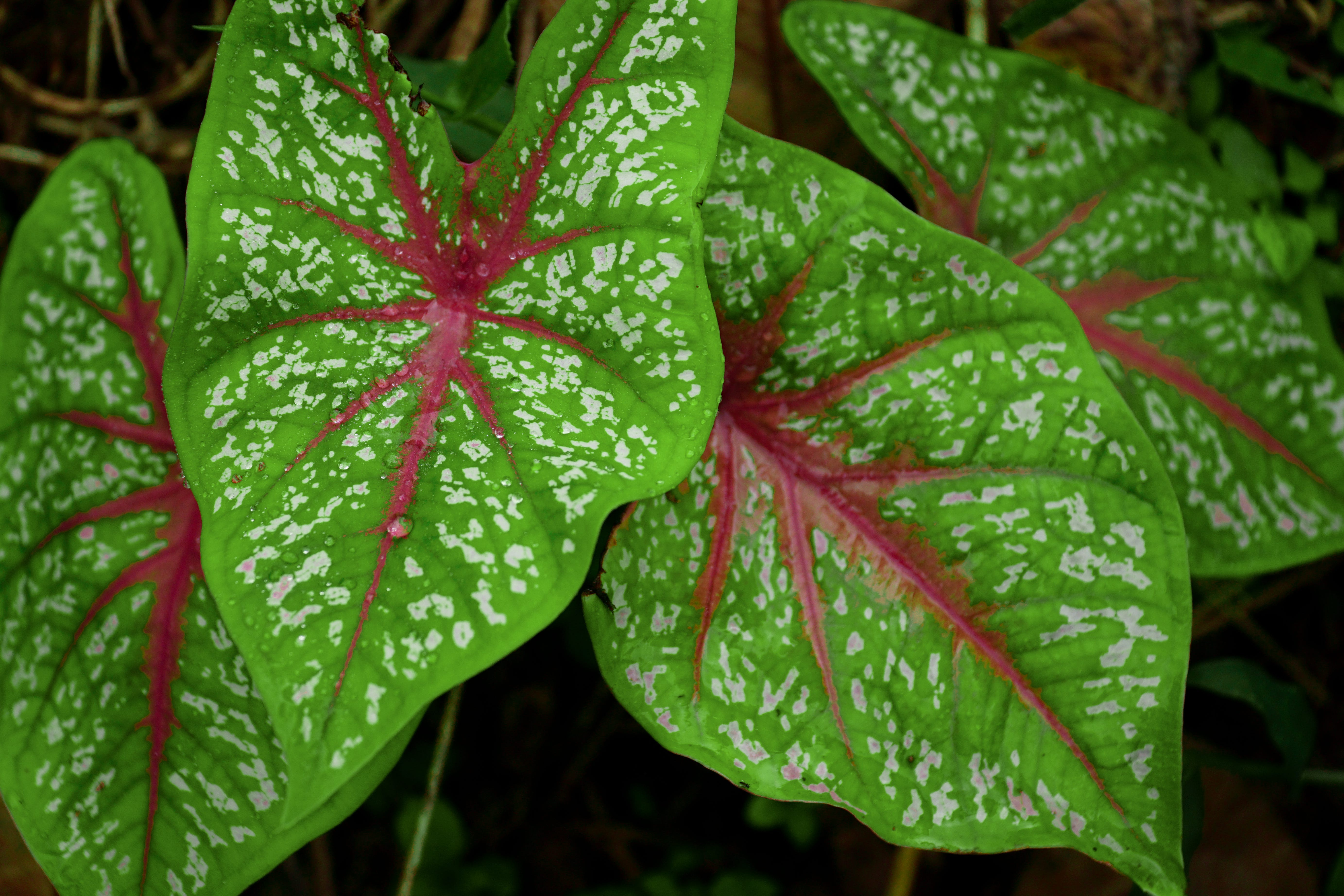 Nugroho Ridho//Getty Images
The large, striking leaves of this plant, grown specifically for its dramatic pink, red, white and green heart-shaped foliage, make it a must-have in any garden. It grows equally well in containers or garden beds. It’s perennial in warm climates, but in colder regions, you can lift the tubers before winter to save them for replanting next year. Caladiums thrive in part to full shade.
Toxic to pets: Yes
Read more: How to Grow and Care for Caladiums—Indoors and Out
Advertisement – Continue Reading Below
3String of Hearts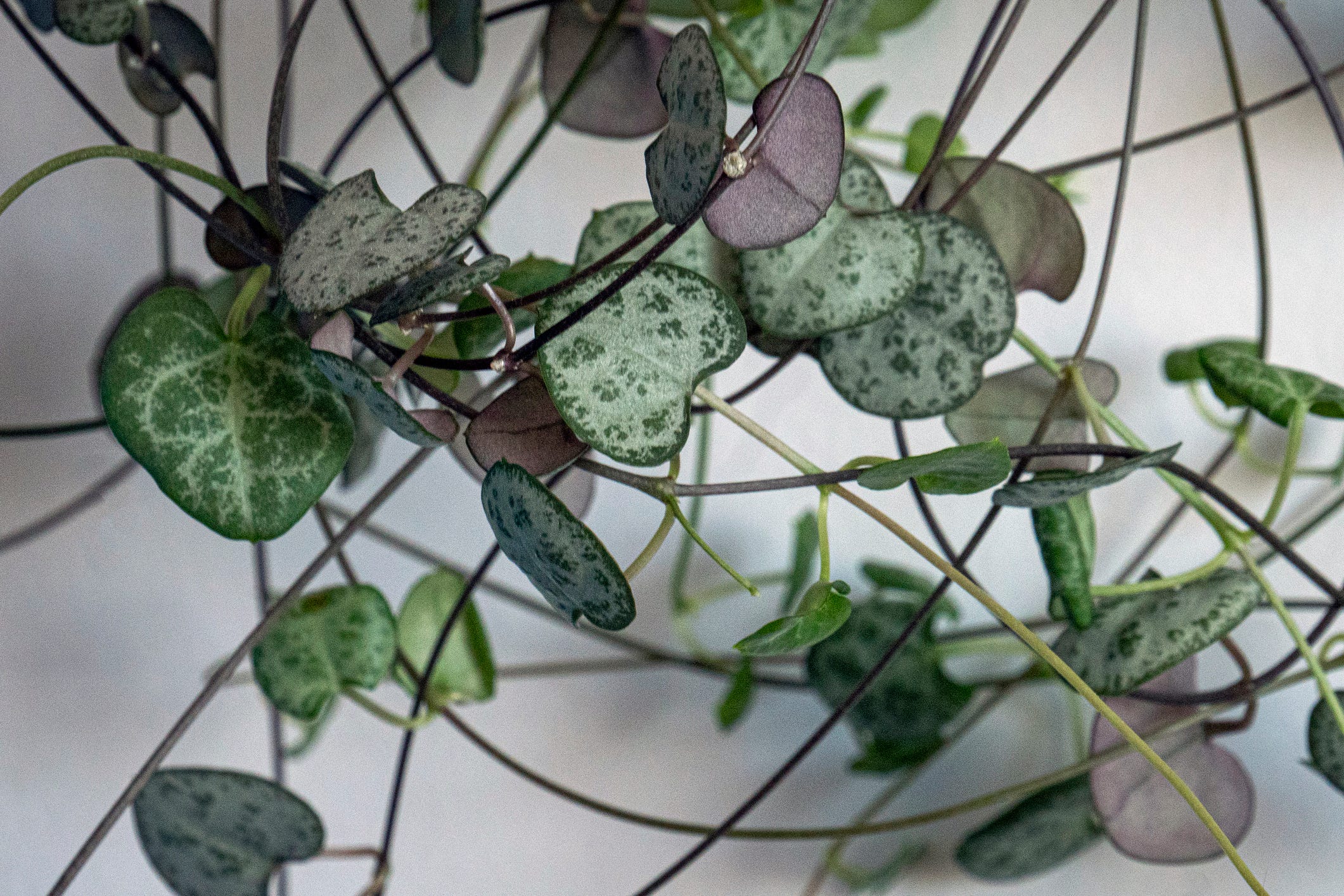 Louise LeGresley//Getty Images
This adorable tabletop plant looks exactly like it sounds: Teeny hearts dangle from a long stem. Let it cascade over the edges of a shelf or end table. Give it bright, indirect light, and water when it feels mostly dry.
Toxic to pets: No. Like redbud, this plant contains small amounts of saponins and alkaloids, but it is considered to be non-toxic, says Dr. Wismer.
Read more: How to Grow a String of Hearts Plant
4Heartleaf Philodendron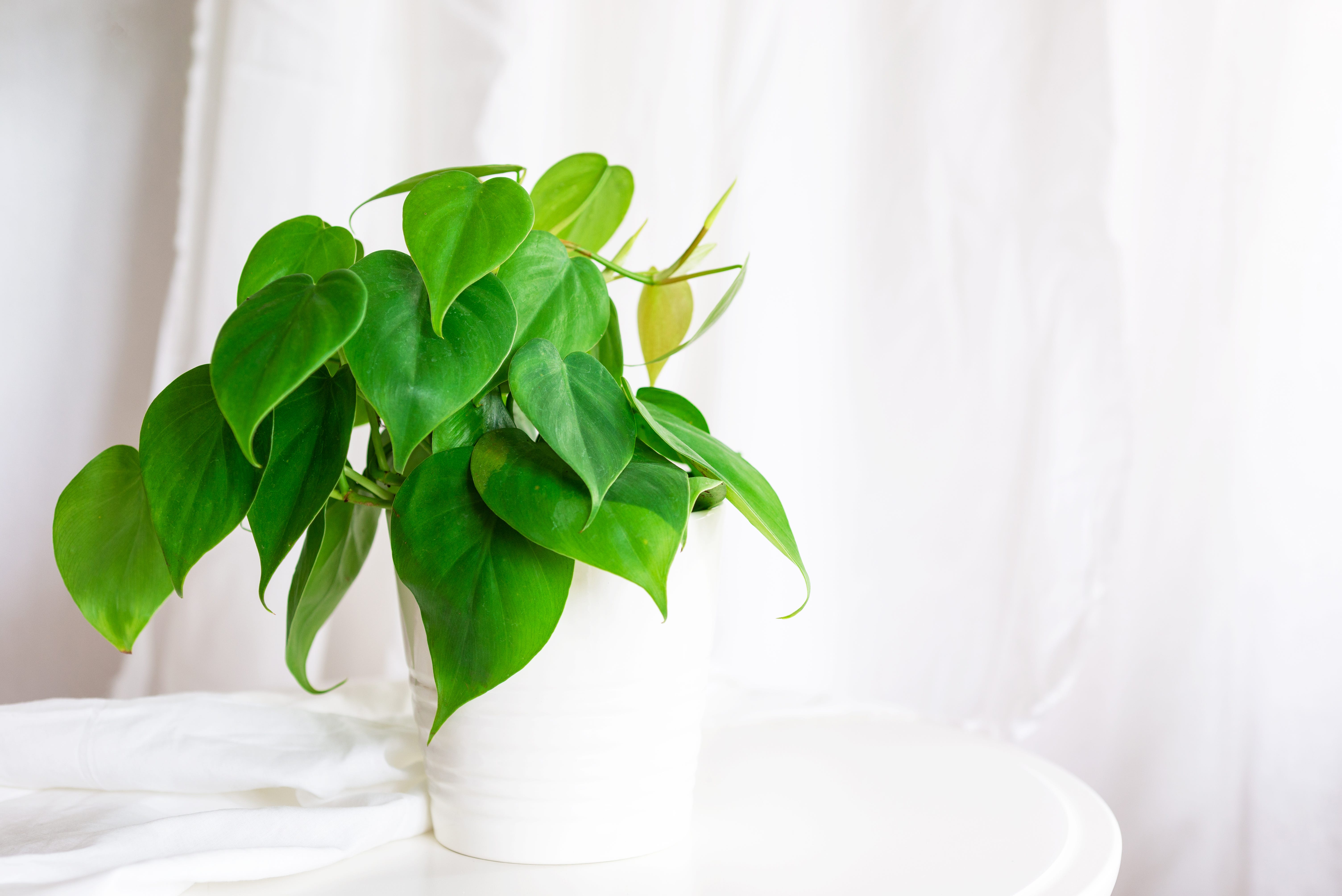 Premyuda Yospim//Getty Images
With shiny, dark green foliage and a vining habit, this is one of the easiest of all houseplants to grow, making it a great plant for beginners. Give it bright, indirect light—though it will adapt to low light conditions; it just won’t grow as vigorously. Water when the top few inches of soil feel dry.
Toxic to pets: Yes
Read more: Foolproof Philodendron Care Tips
Advertisement – Continue Reading Below
5Anthurium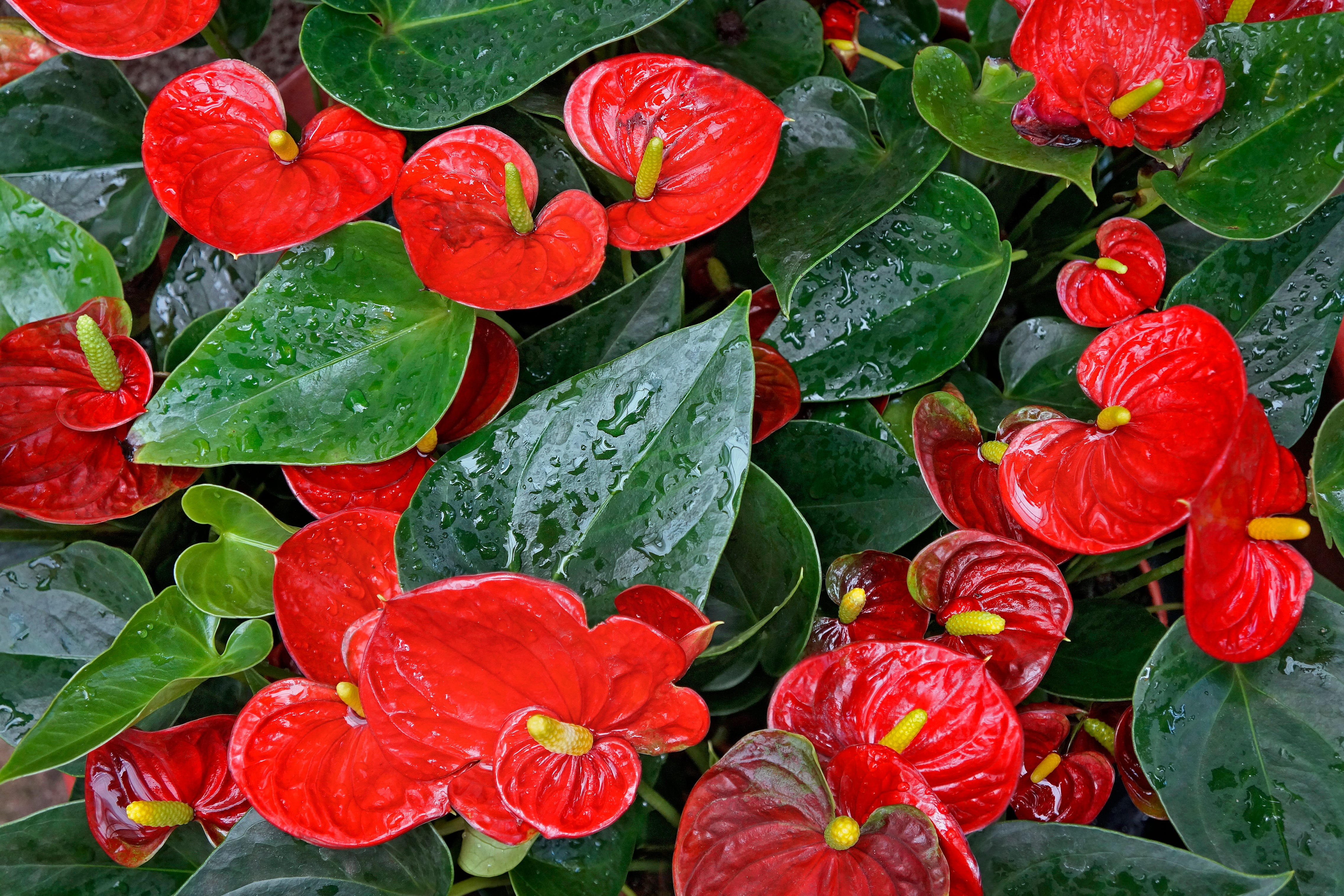 Wagner Campelo//Getty Images
Bright green, shiny foliage with a roughly heart-shaped form is dressed up by occasional flowers, similar to those on a peace lily. The spathes are red or bright pink and are set off with a central spike called a spadix. These inflorescences last for weeks. Give anthurium bright, indirect light for best flowering. Water when the top inch or two of soil feels dry.
Toxic to pets: Yes
6Morning Glory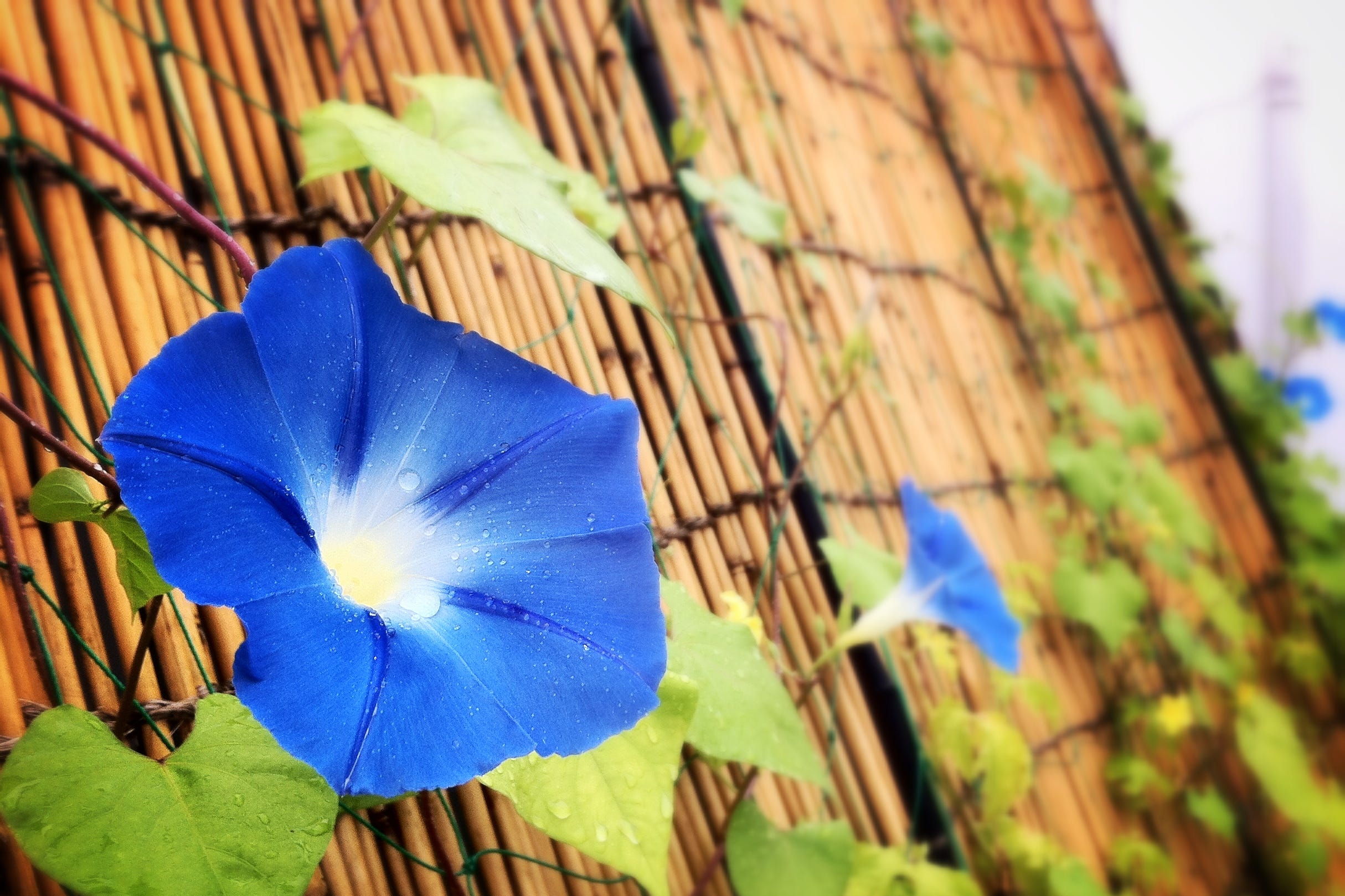 (C) Satoshi Yamada All Rights Reserved.//Getty Images
This vining annual adds nostalgic charm to any garden. Your grandma probably grew these sweet flowers. They grow easily from seed, but be sure to plant the non-invasive types such as Ipomoea tricolor, or you’ll be pulling up seedlings in your garden for years. Morning glory needs full sun and to be watered occasionally. It’s drought-tolerant once established.
Toxic to pets: Yes
Advertisement – Continue Reading Below
7Bleeding Heart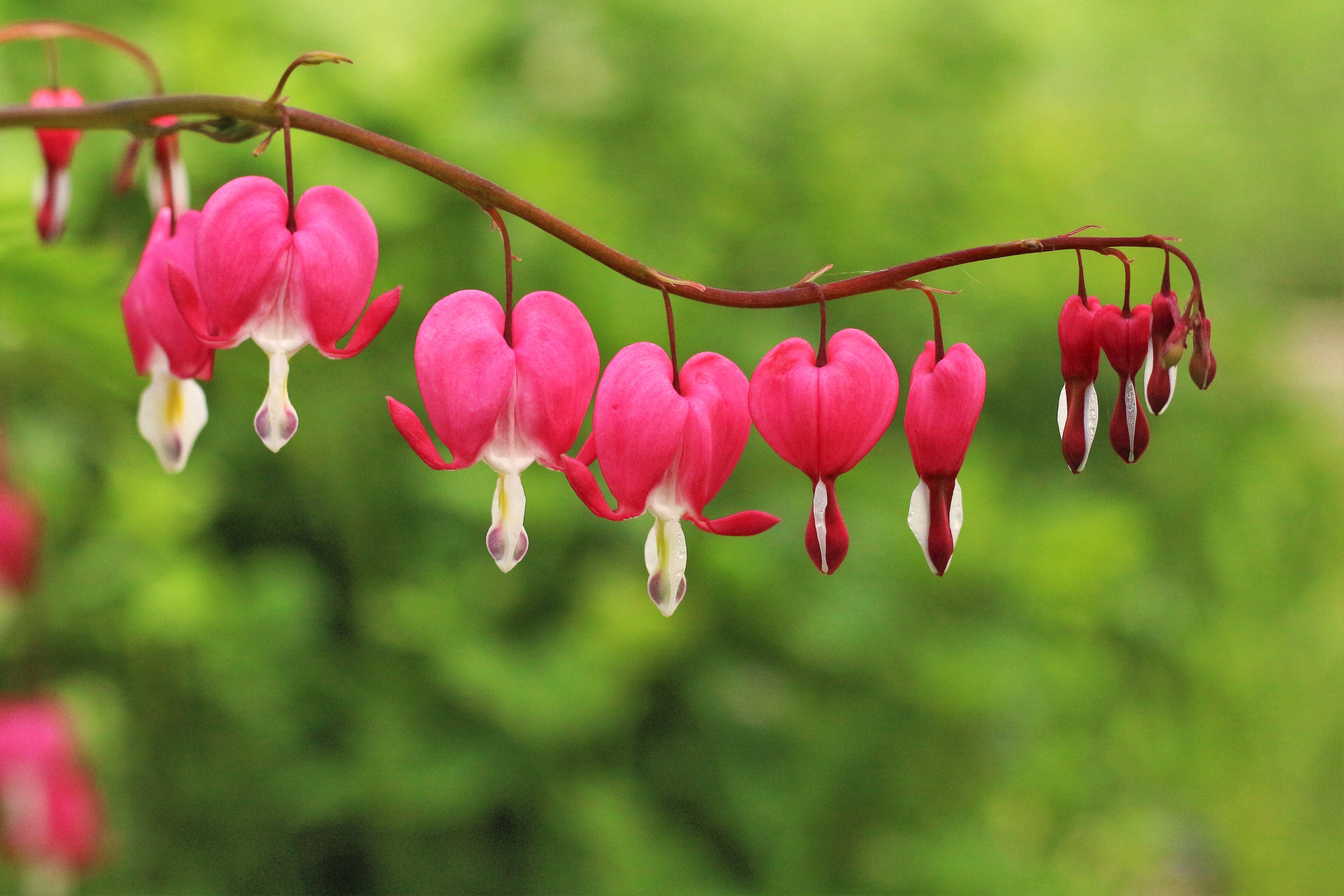 Tsun Sanake / 500px//Getty Images
Tiny hearts of pink, white, red or bicolors dangle from a long stem atop mounded foliage. This sweet perennial blooms in mid to late spring, depending on where you live. It’s exceptionally cold-tolerant for such a delicate-looking plant. Give it part shade, and water regularly.
Toxic to pets: Yes, according to Dr. Wismer. This plant contains alkaloids that can cause GI distress, tremors, and seizures.
Read more: How to Grow a Bleeding Heart Plant
8Pothos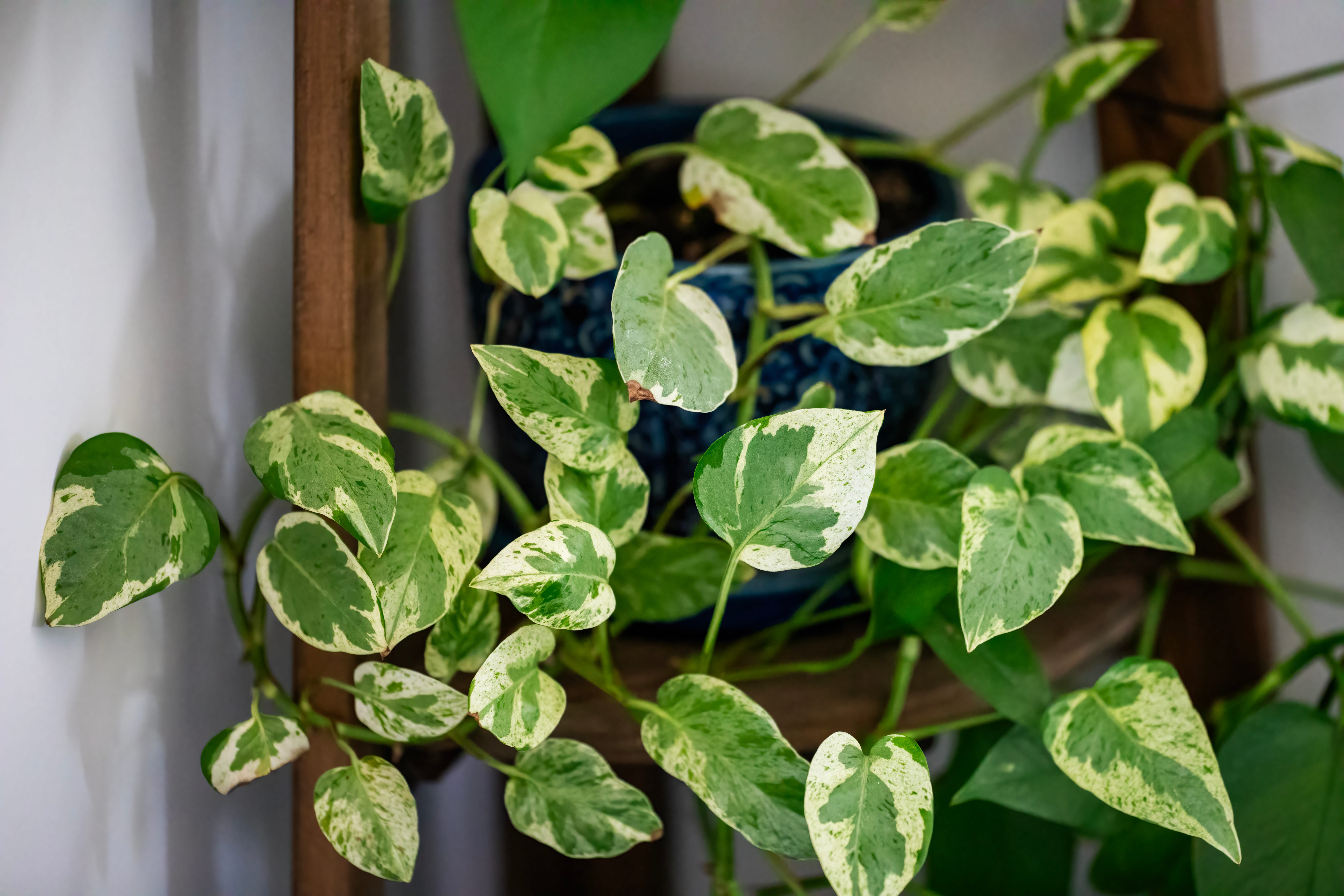 Ali Majdfar//Getty Images
This easy-to-grow houseplant has heart-shaped foliage and solid green or variegated foliage in shades of white, cream, or gold. It loves bright, indirect light. It will tolerate low light conditions, though it will grow more slowly. Water it only when the top few inches of soil feel dry.
Toxic to pets: Yes
Read more: Pothos Growing Tips
Advertisement – Continue Reading Below
9Cyclamen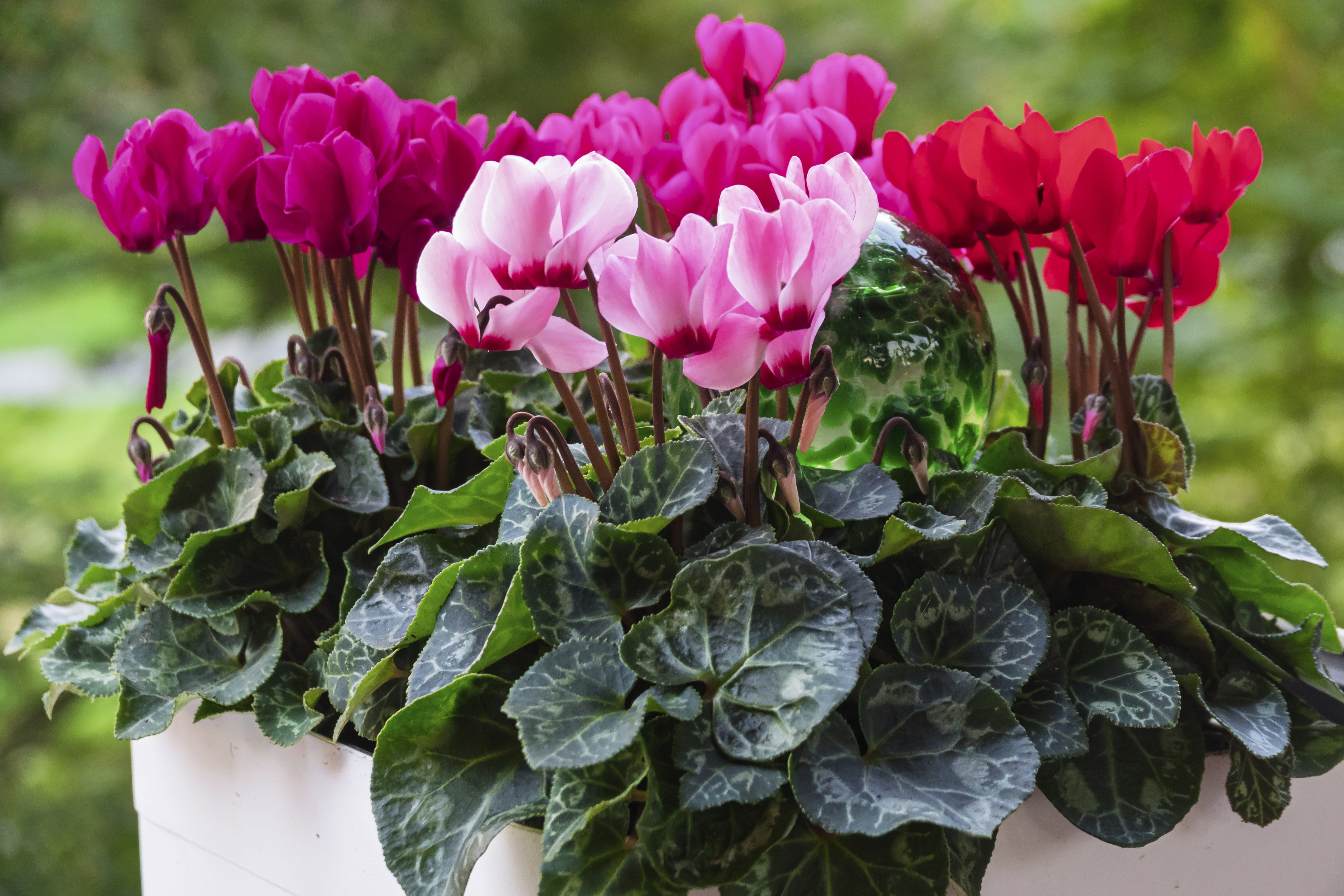 imageBROKER/AnnaReinert//Getty Images
Florist cyclamen are a popular gift plant, meant to be enjoyed for a few weeks; that’s because the plant goes dormant in the summer. Like a poinsettia, you can attempt to get it to rebloom, but it’s not foolproof. However, other species, such as Cyclamen hederifolium, can be grown as landscape plants with tubers planted in the fall. Outdoors, winter-hardy types of cyclamen need part to full shade. Indoors, give the plant bright, indirect light. Both indoor and outdoor varieties like to stay slightly moist.
Toxic to pets: Yes
Read more: How to Keep Your Cyclamen Plant Thriving
10Elephant Ear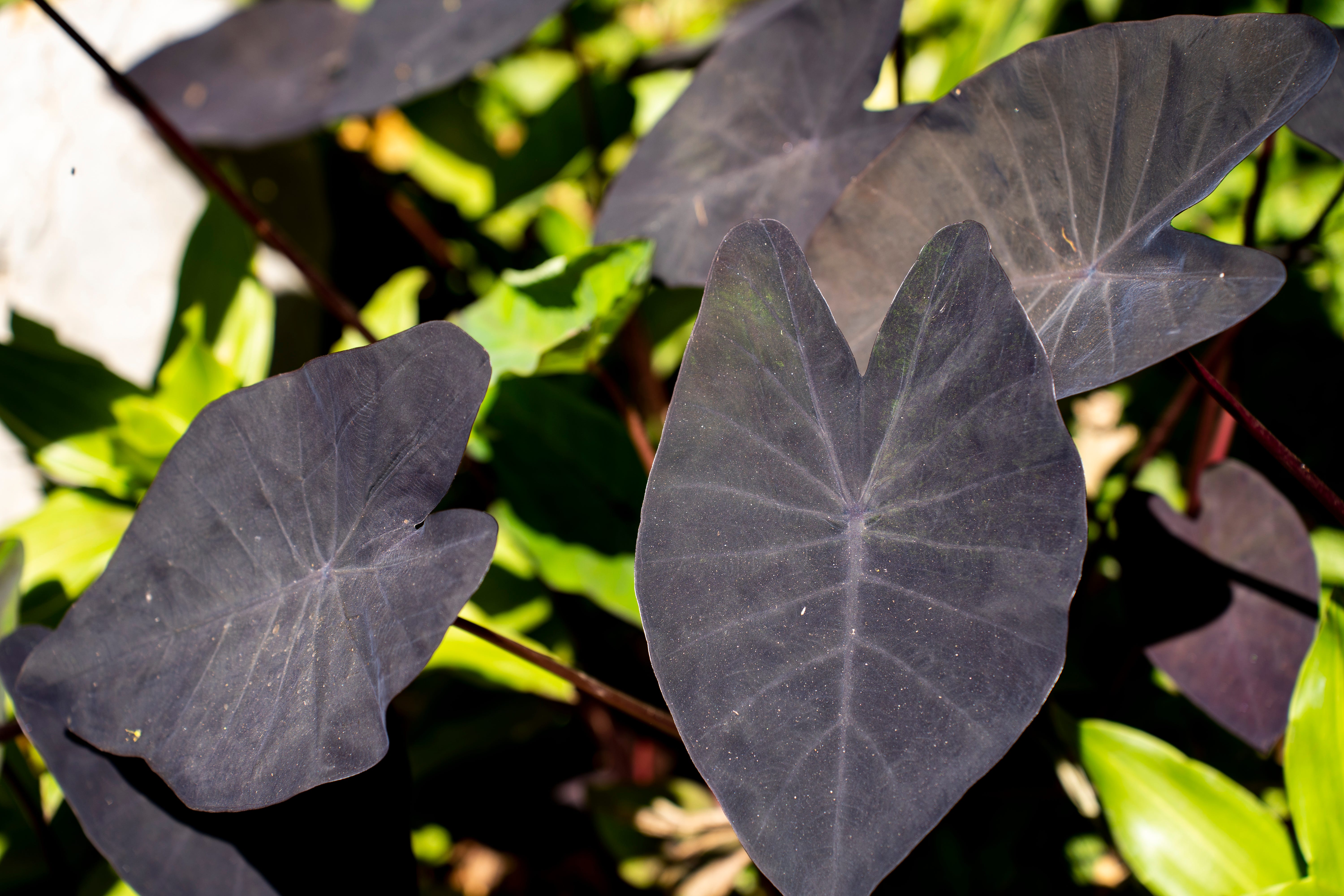 Anna Blazhuk//Getty Images
Also known as Colocasia, this plant has massive leaves that look rather like an elephant’s ear or a gigantic heart. They can be grown outdoors in part shade, or indoors in a brightly-lit location. The ginormous foliage comes in all shades of green, chartreuse, and nearly black or splashed with various patterns. It prefers to stay slightly moist.
Toxic to pets: Yes
Read more: Expert Care Tips for Elephant Ears
Advertisement – Continue Reading Below
11Siberian Bugloss imageBROKER/Juergen Pfeiffer//Getty Images
Small heart-shaped green or silver-splashed leaves are topped with precious baby-blue spikes of flowers in the spring. These are an underrated and beautiful perennial to add to part-shade locations in your garden. Water occasionally if there’s a dry spell.
Toxic to pets: No, according to Dr. Wismer
12Barrenwort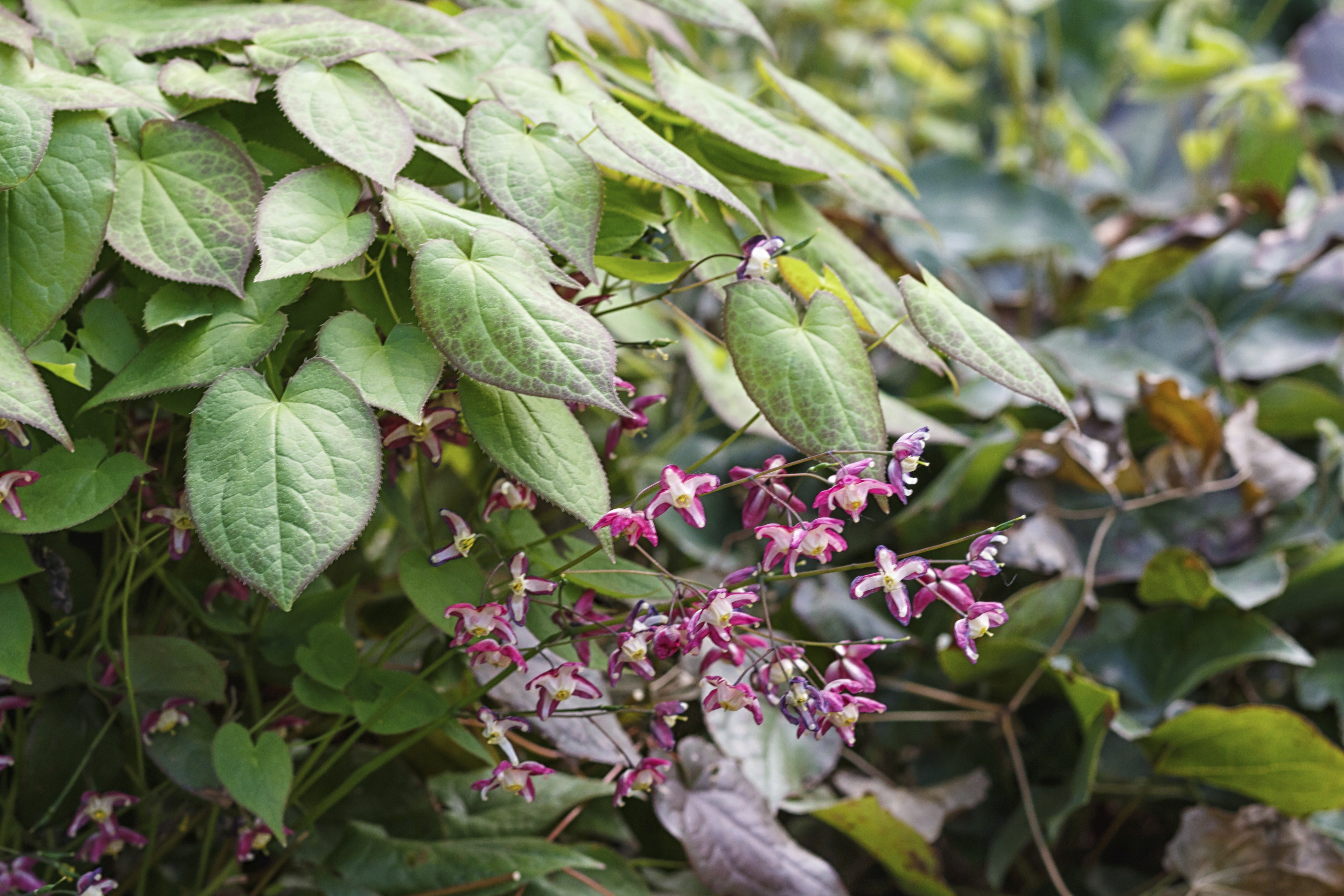 imageBROKER/ULADZIMIR ZGURSKI//Getty Images
The petite leaves of this shade-lover have a delicate heart shape. Tiny, unique flowers that resemble a bishop’s cap (its other whimsical common name!) appear in early spring. It’s a great choice for dry shade conditions because it’s not super-needy about water once established.
Toxic to pets: No, according to Dr. Wismer
Advertisement – Continue Reading Below
13Lilac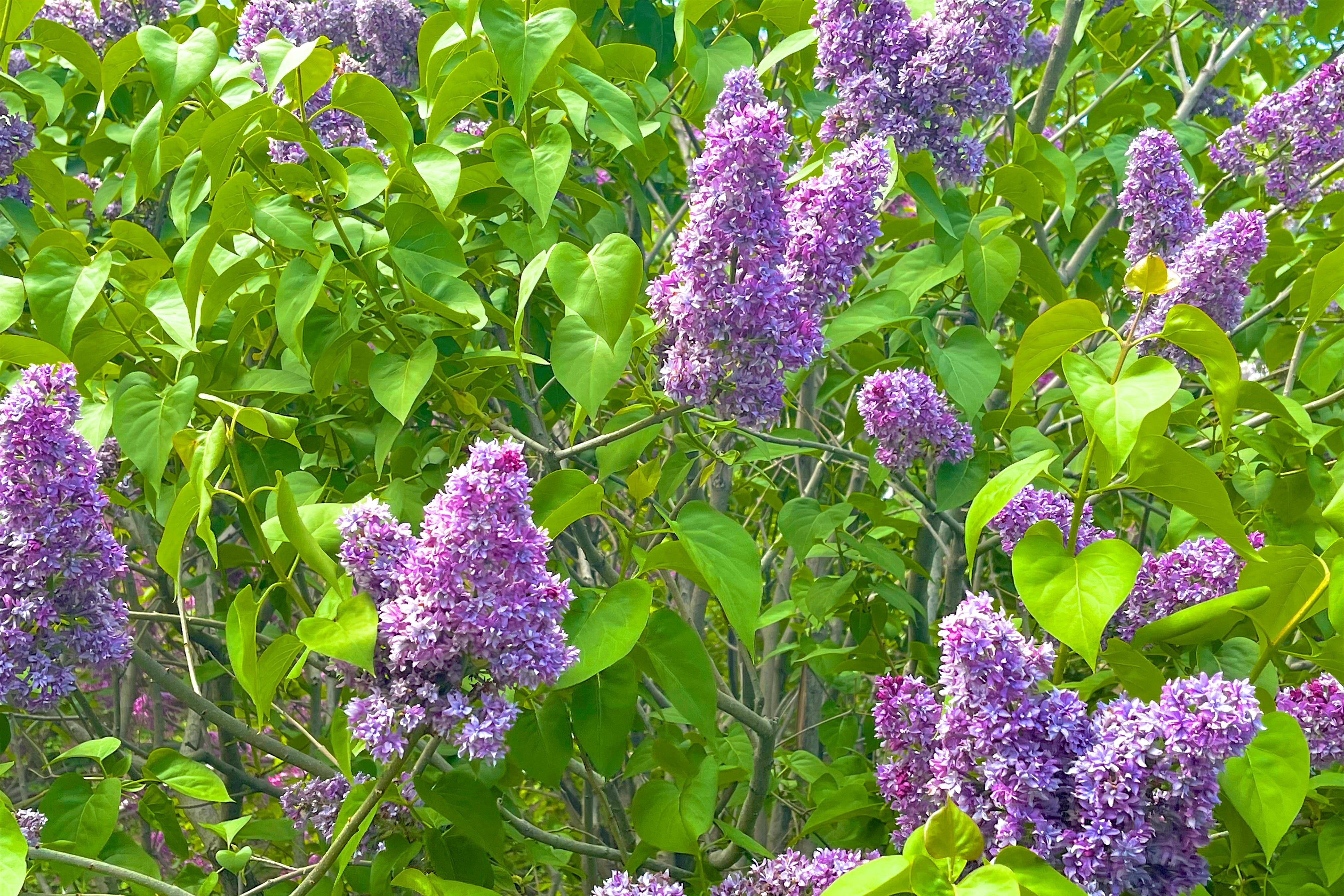 Barry Winiker//Getty Images
Lilacs have an old-fashioned charm with their powerful scent wafting on the breeze in early spring. Their heart-shaped foliage adds interest to the garden long after the beautiful purple, white, or pink flowers have faded. New varieties are reblooming. Give lilacs full sun. Once established, they’re drought-tolerant and only need watering during extended dry spells.
Toxic to pets: No, according to Dr. Wismer
Read more: How to Grow a Lilac Bush
14Hosta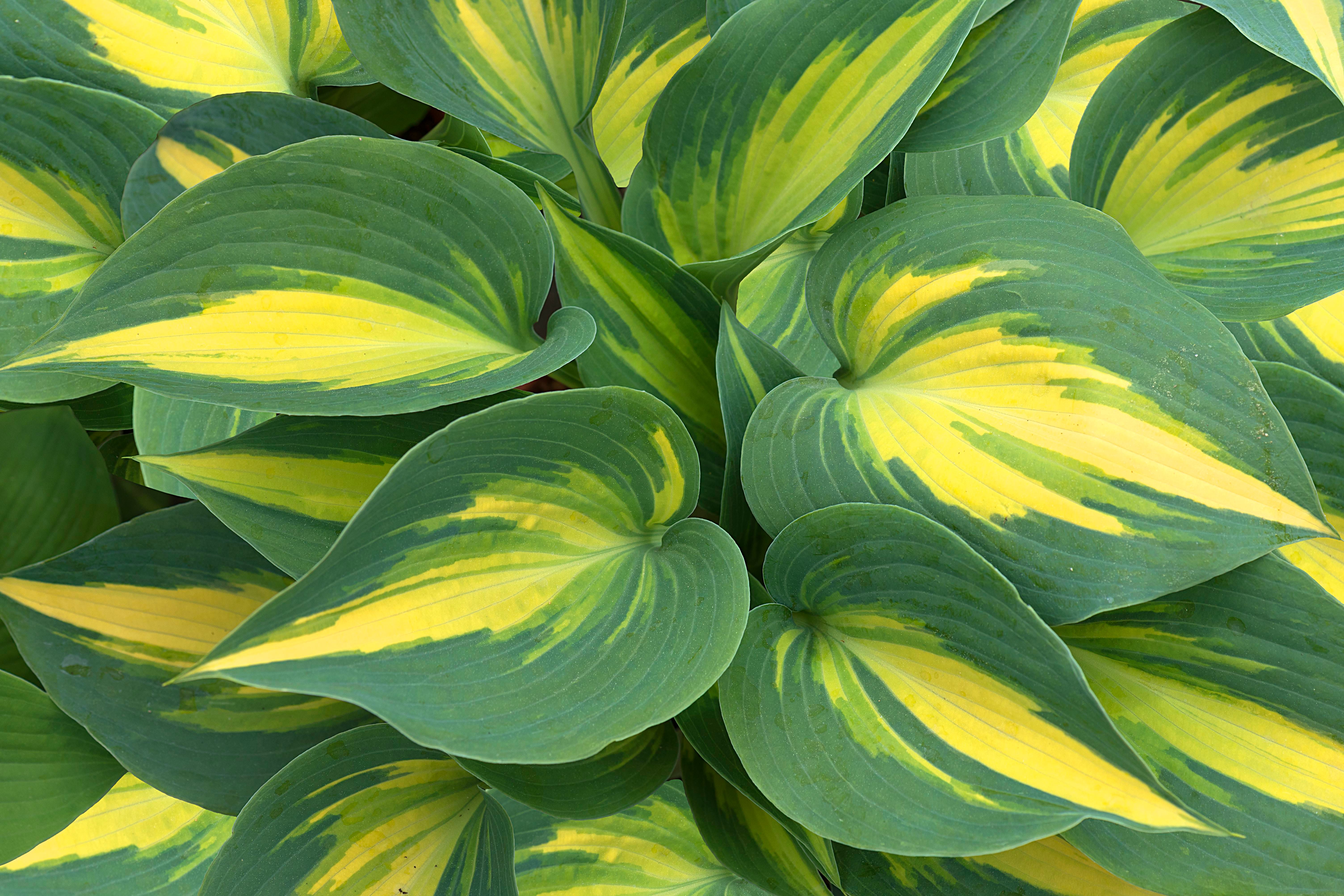 imageBROKER/Helmut Meyer zur Capellen//Getty Images
These shade-loving perennials come in many different cultivars from a foot to several feet wide. Although they need shade, they do prefer some morning sun for best color. Water them to get established, then during dry spells.
Toxic to pets: Yes
Read more: Hosta Plant Care Tips
Advertisement – Continue Reading Below
15Sweetheart Hoya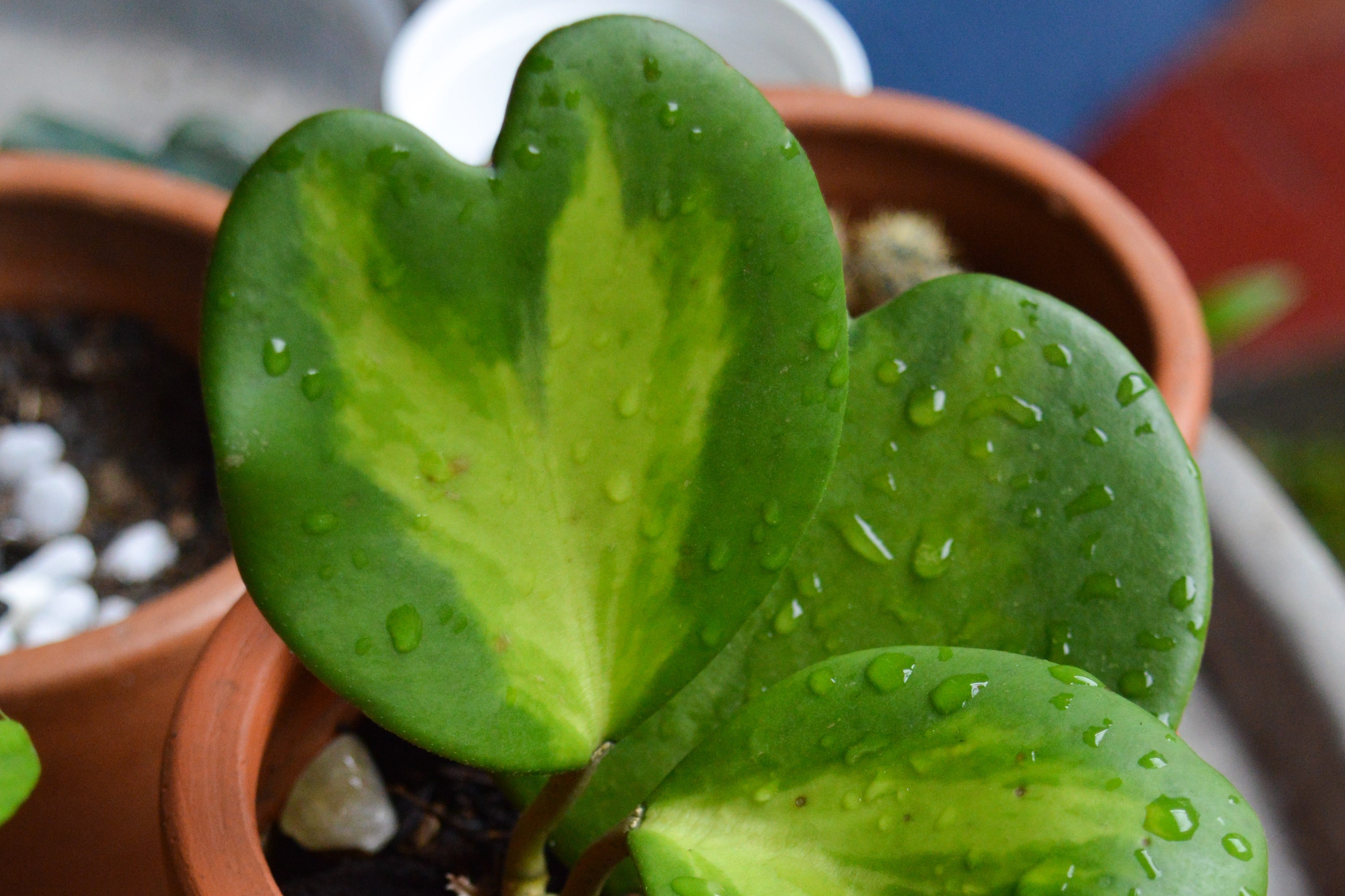 Irina Marwan//Getty Images
This plant is often sold as a single leaf cutting from a larger sweetheart hoya plant. It’s cute, but it won’t last, so treat it like a temporary gift plant. The full plant is harder to find, but it has a much longer lifespan. Give it bright, indirect light and let it dry out between waterings.
Toxic to pets: No
Advertisement – Continue Reading Below
Readers Also Read
Advertisement – Continue Reading Below
Advertisement – Continue Reading Below
Comments are closed.