
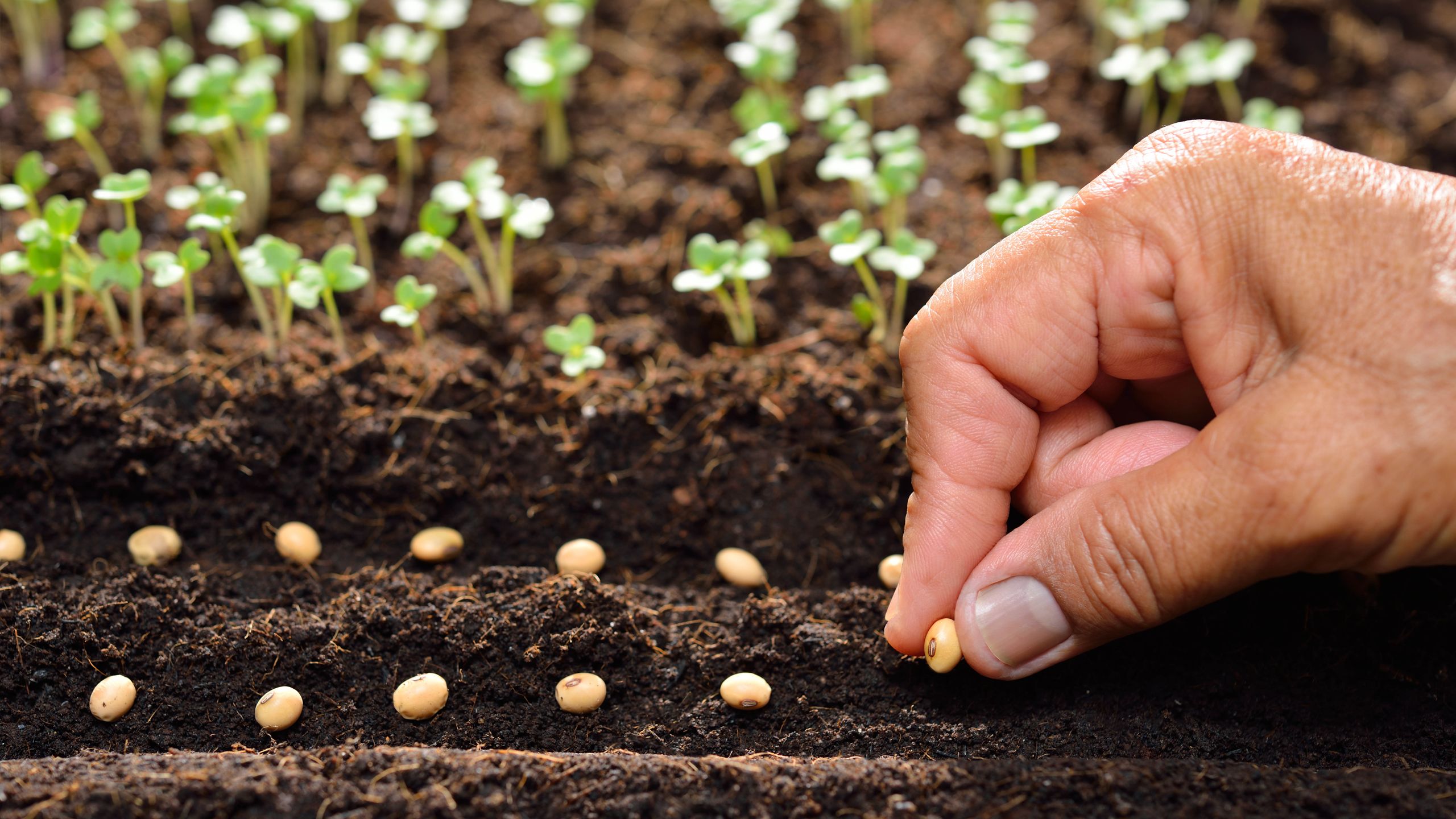
It doesn’t seem like spring is just around the corner, especially with Punxsutawney Phil predicting another six weeks of winter. But as many gardeners will know, warmer temperatures and green shoots can creep up on you fast if you’re not on top of your planting calendar.
So while the yard is still quiet and the to-do list is mercifully short, why not take advantage of the extra time and get a headstart on some February-proof vegetables?
You may like
Other species are simply cold-hardy and prefer to reach full maturity in the earlier weeks of spring — a serious gift for anyone whose vegetable patch has been barren for months.
As always, it’s important to check your specific U.S. agricultural growing zone to determine if your local climate conditions are appropriate for each vegetable. However, the following seven species are all recommended for February planting in at least some areas of the country.
7 vegetables to plant in February1. Broccoli
(Image credit: Shutterstock)
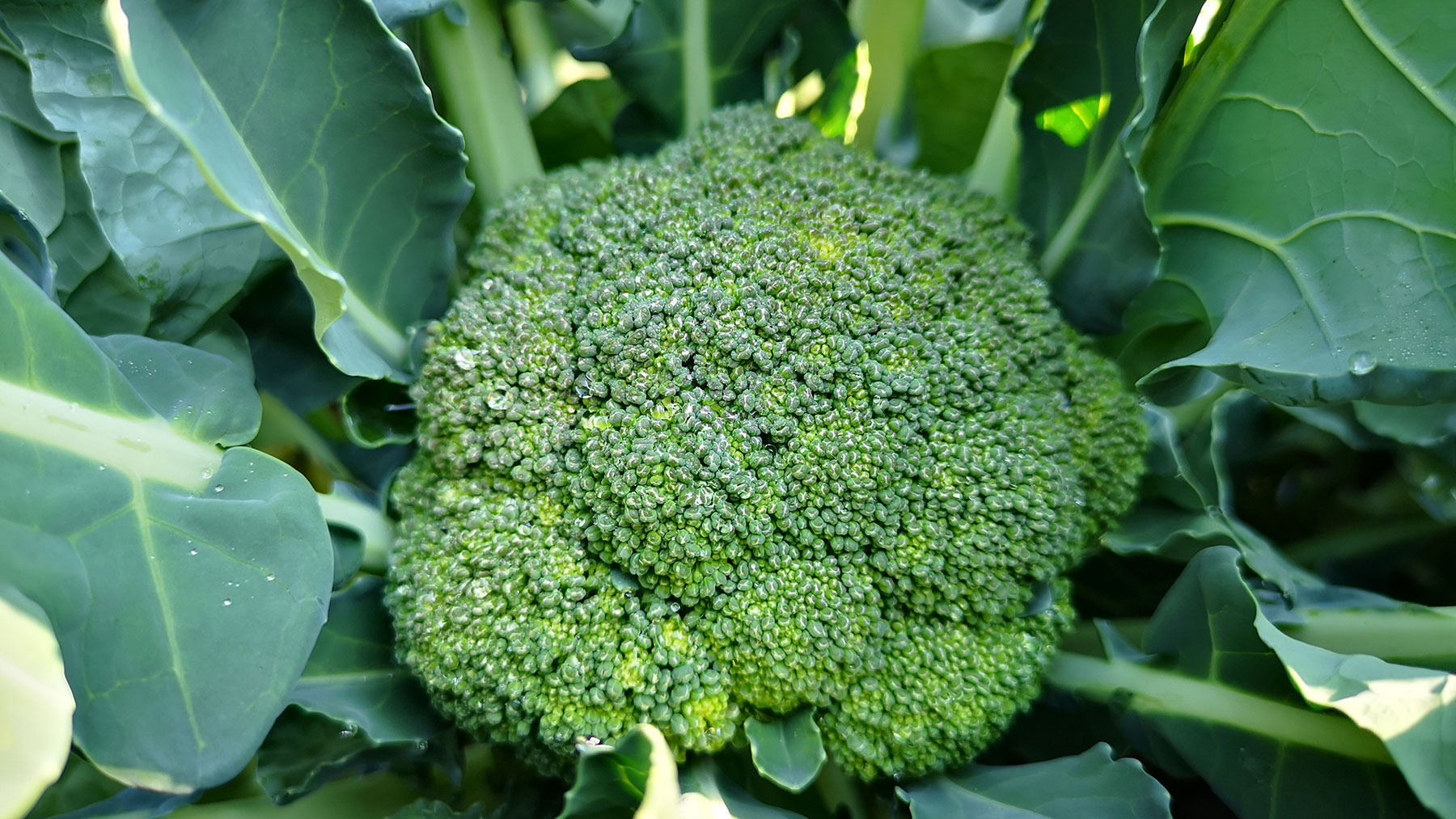
If you live in warmer regions of the U.S., broccoli is a perfect crop for February planting. As a cool-weather crop, broccoli prefers to be grown on either side of peak summer, but many gardeners don’t want to wait until fall to enjoy this household favorite.
As a brassica, broccoli belongs to the same family as cabbages and Brussels sprouts, and these vegetables tend to be sturdy, hardy and full of nutrients, making them perfect for cold-weather planting.
Aim to get your broccoli seeds in the ground about 6-8 weeks before the last frost, in an area with plenty of sunlight. You can plant the seeds outdoors directly, since they are cold-tolerant, unlike other vegetable seeds which are best planted indoors in February.
Soil should be well-drained and fertile; supplement with fertilizer if needed. If it takes a little while for your seedlings to emerge, don’t worry as this plant takes a while to mature.
Best for zones 7-10
You may like
2. Leek
(Image credit: Shutterstock)
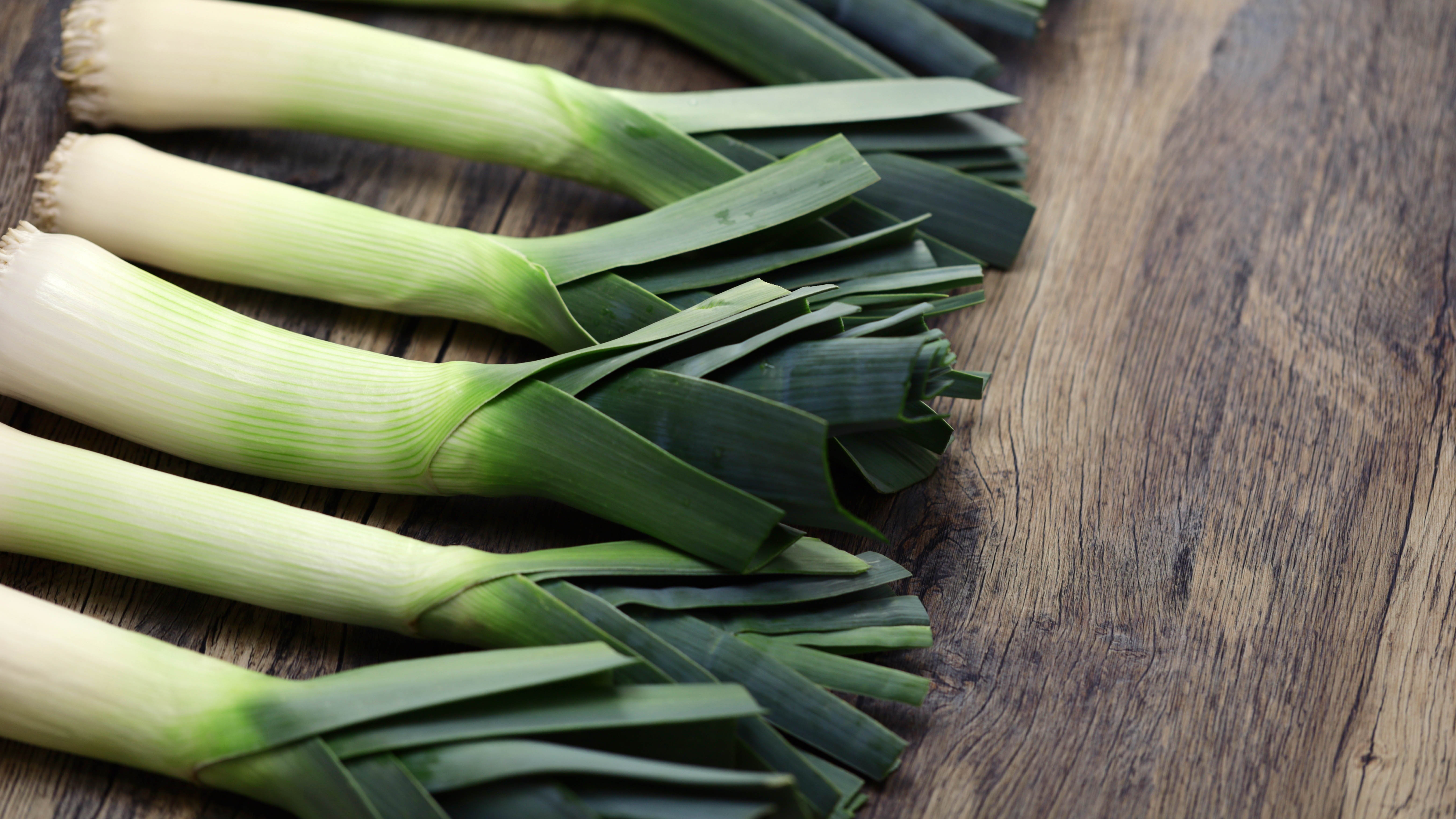
The sometimes overlooked sibling of the onion, the leek is a delicately flavored allium that can be used in a wide range of dishes. It’s also a fun addition to the garden, with its dramatic plumes of long, flat leaves.
Leeks are frost-hardy but also take some time to get established, so it’s recommended that you start by sowing leek seeds indoors, before transplanting them into the garden in early spring. As a general rule, aim to get your seeds sown about 8-10 weeks before the last frost date.
They should be planted in well-moistened soil, about a quarter of an inch deep. They can be moved outdoors once the seedlings are hardened off and the temperature outside reaches 45°F during the day. Leeks should be planted outdoors about 6 inches deep, to encourage longer stalks, and compost is recommended to keep the soil rich with nutrients.
Best for zones 3 -7
3. Cabbage
(Image credit: Shutterstock)
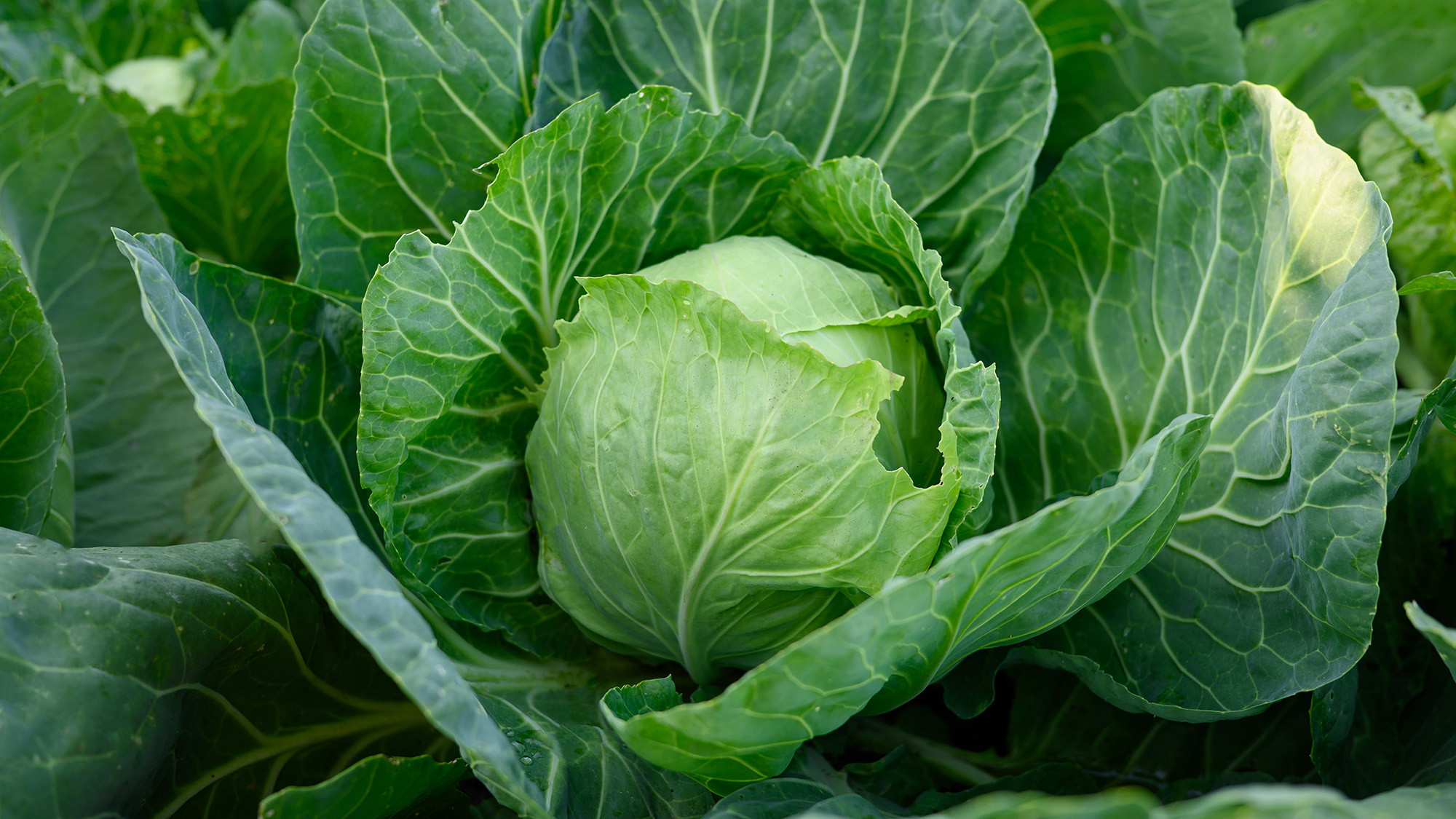
Cabbage often gets a bad reputation, from childhood memories of soggy, smelly servings at dinnertime. But this doesn’t need to be the case. Cabbage is a very versatile vegetable that is a valuable addition to the garden, offering nutritious value during the cooler months.
While the mature plant is cold-tolerant, the seedlings can be quite vulnerable to frost, so it’s best to plant the seeds indoors about 6-8 weeks before the average last frost date. After the seedlings have matured and been hardened off, you can transplant them to the garden about 1-3 weeks before the last frost.
It’s important not to wait too long to transplant, as hot weather can restrict the ripening of the cabbage and lead to a poorer quality crop. Since cabbage absorbs nutrients from the soil quickly, it’s important to supplement with fertilizer consistently.
Best for zones 5-9
4. Lettuce
(Image credit: Shutterstock)
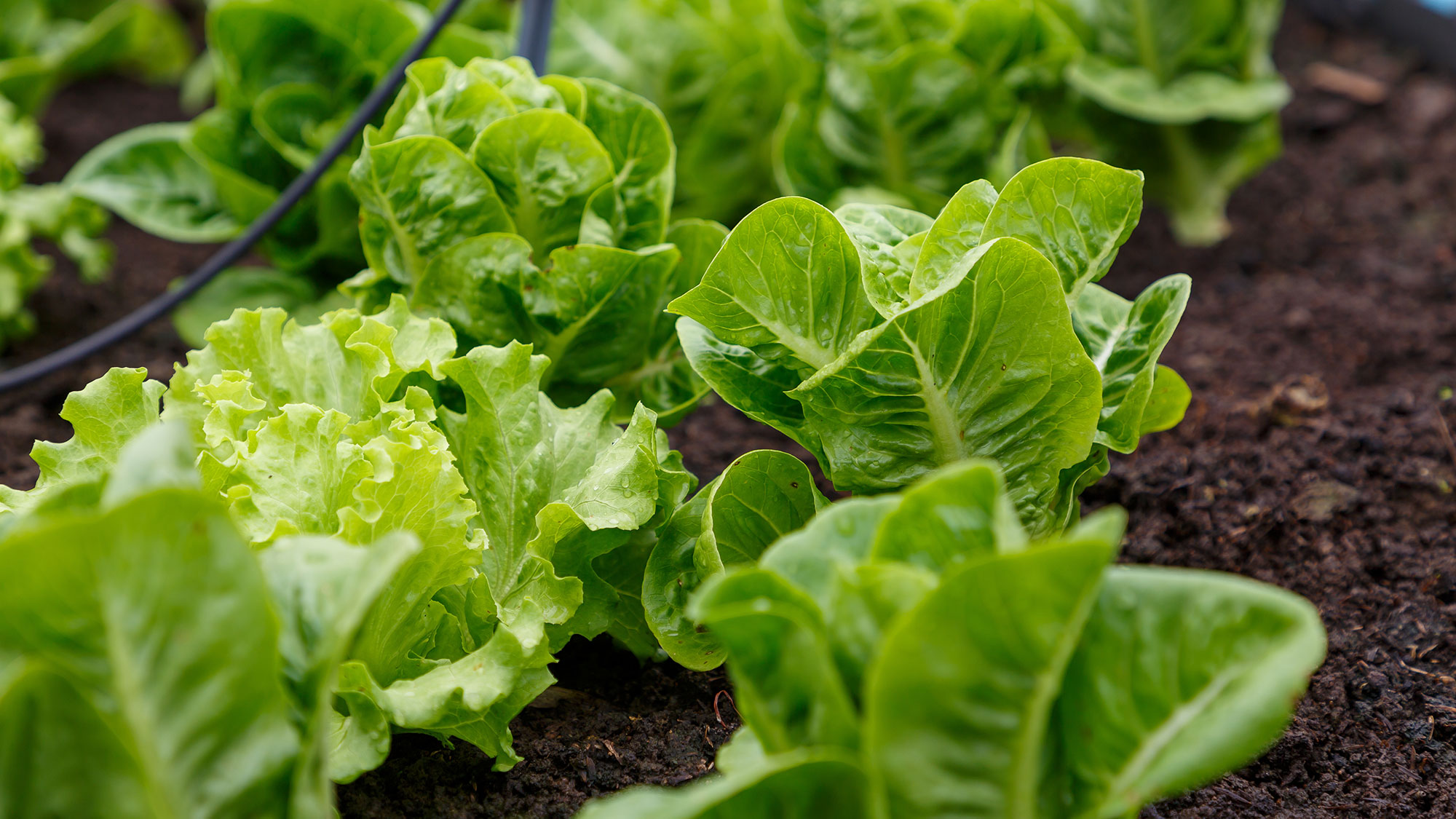
A staple of spring salads, lettuce provides the color, crunch, and freshness that have been missing over the winter months. It’s also a perfect choice for February planting in the warmer regions of the country, since it grows quickly and requires little maintenance.
Lettuce seeds can be sown directly outdoors, once the soil is workable, but you can get a head start on spring planting by sowing the seeds indoors about 6-8 weeks before the last frost date.
Since the seedlings will be stronger than brand-new seeds, you can transplant them outdoors roughly three weeks before the final frost. Starting indoors ensures you have an early crop for harvest, but it is recommended to continue sowing seeds outdoors in waves after the frost risk has passed to prolong the harvest season.
Lettuces prefer loose, well-draining but moist soil and you can also plant them in containers, if that is more practical for your garden.
Best for zones 7-10
5. Pea Shoot
(Image credit: Shutterstock)
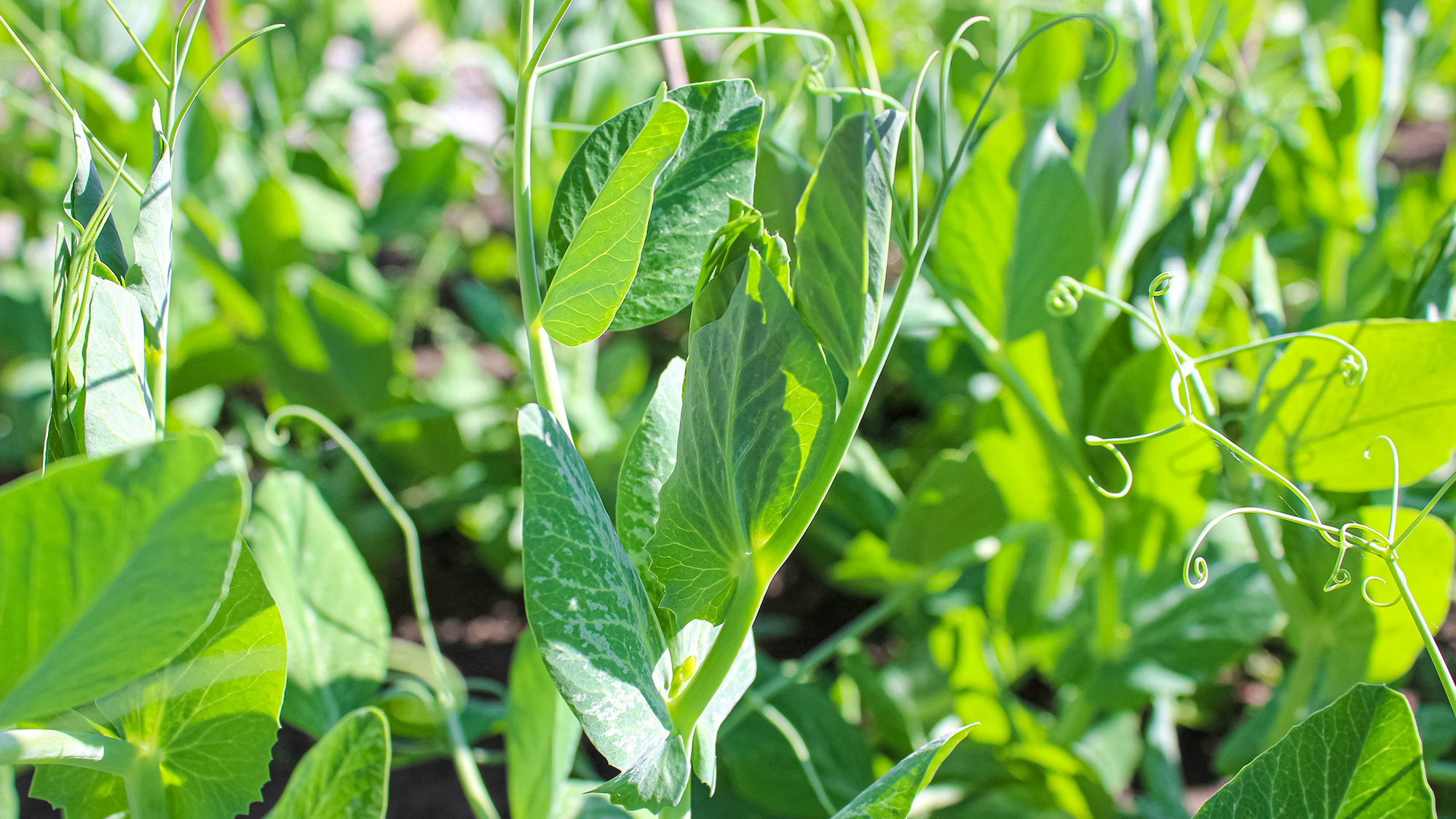
Peas are a beloved spring vegetable, but the young shoots of this plant are also delicious and ready for harvest even sooner. If you’re looking for a quick-growing crop, then look no further than pea shoots.
You can sow pea seeds directly outdoors in warmer weather, when the soil has reached temperatures between 50-60°F, but if you want to plant in February, then it is recommended that you start with trays indoors.
Since you’ll be harvesting the young shoots, you won’t need the same trellis or supporting frame that the full-scale plants can need. In fact, you can grow them like microgreens and clip off the shoots as they mature and reach 3-4 inches in height, without ever needing to transplant them outdoors!
Pea seeds should be kept moist and layered on top of well-draining soil; don’t cover them up with more soil, as they need sunlight to germinate. You can pre-soak the seeds overnight to speed up germination as well.
Best for zones 3-10
6. Tomato
(Image credit: Shutterstock)
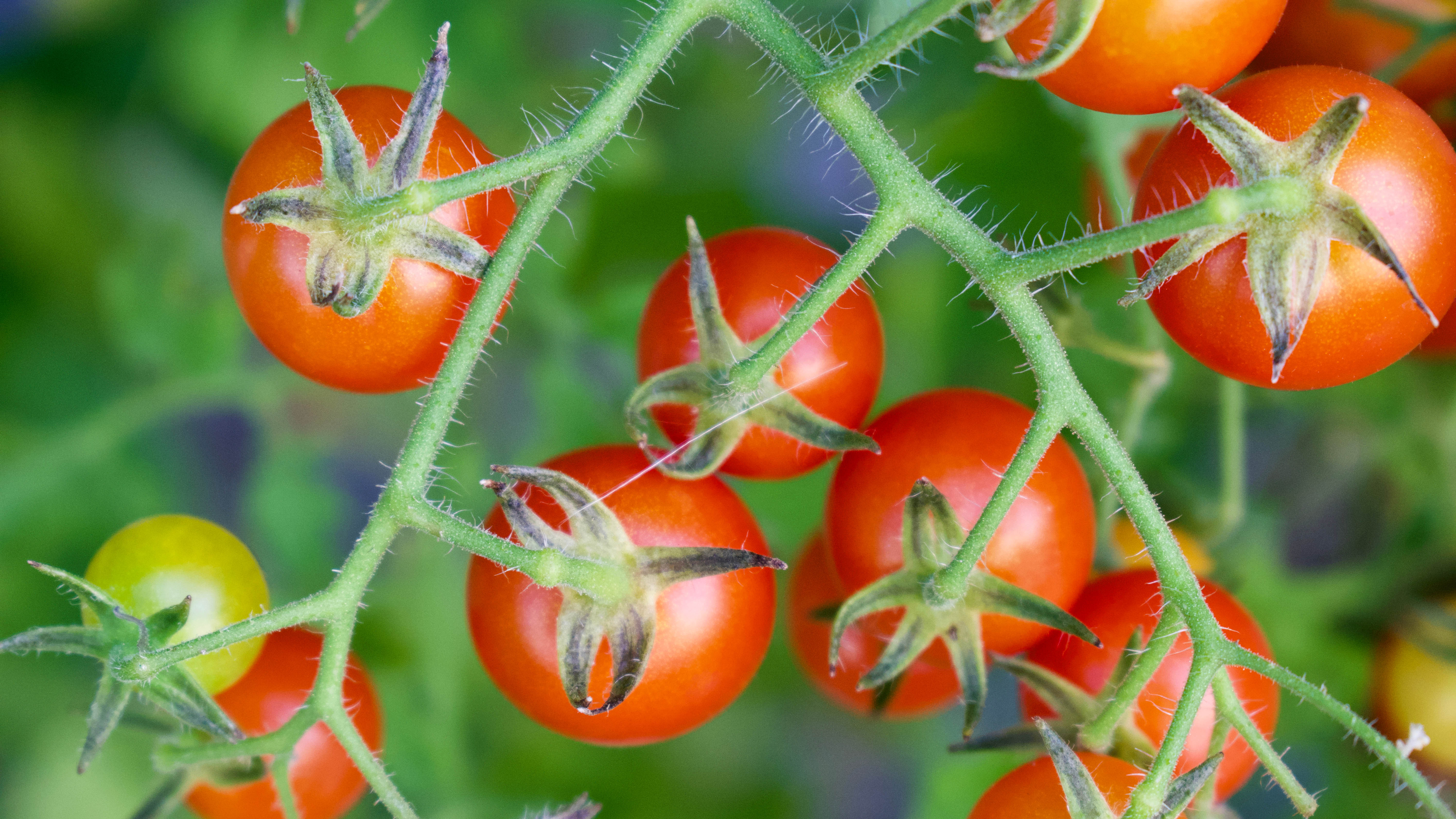
frost-tolerantSince tomatoes are synonymous with summertime produce, it might seem strange to suggest planting them in February. But actually, warmer regions of the U.S. can begin their summer crop as early as 6-8 weeks before the average final frost date. But the seeds need to be started indoors in a temperature-controlled environment.
Starting early is also a great way to introduce more varieties of tomato and try different growing methods, since you’ll be able to stagger additional plantings over the next few months.
To begin this early crop, place the seeds in small trays approximately half an inch below the soil surface. Keep seeds moist but not soaked, with well-draining soil. Wait to transplant the seeds for several weeks, even if the seedlings seem quite strong; you want the temperature of the soil outdoors to have reached the mid 50s before moving them, since tomatoes are not frost tolerant.
Best for zones 7-10
7. Artichoke
(Image credit: Shutterstock)
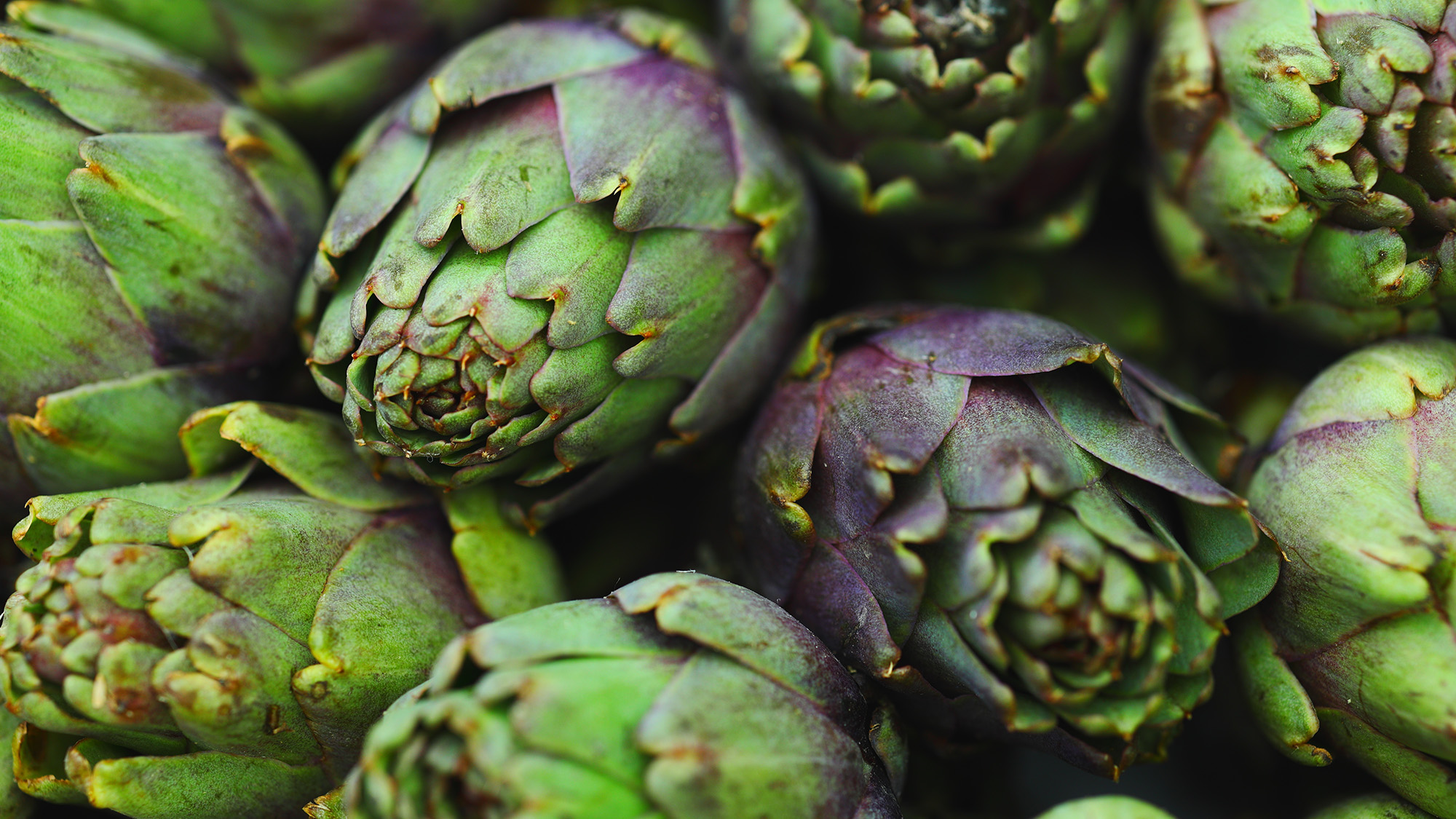
Artichokes can seem intimidating, with their spiky buds and high-end culinary associations, but they can be surprisingly accessible for the average gardener. Preferring cooler temperatures, this plant can be grown from seed, from rooted shoots cut from growing plants, or from dormant roots. They also bloom with a fun violet flower, reminiscent of a thistle, in case you find you don’t want to harvest all of your crop.
Artichokes will grow several buds from a single plant, making them also quite space-efficient. However, they can reach up to 5 feet tall, so be prepared. If growing from seed, aim to plant indoors approximately 8-10 weeks before you want to move them outdoors; any time in late winter or early spring works.
Soak the seeds overnight in warm water to kickstart germination, then place them in seed trays. For optimal growth, ensure the seeds are exposed to bright light and are in a warm place. Keep soil moist, as artichokes absorb a lot of water, and supplement with fertilizer.
Best for zones 3-7

Follow Tom’s Guide on Google News and add us as a preferred source to get our up-to-date news, analysis, and reviews in your feeds.
More from Tom’s Guide
Comments are closed.