
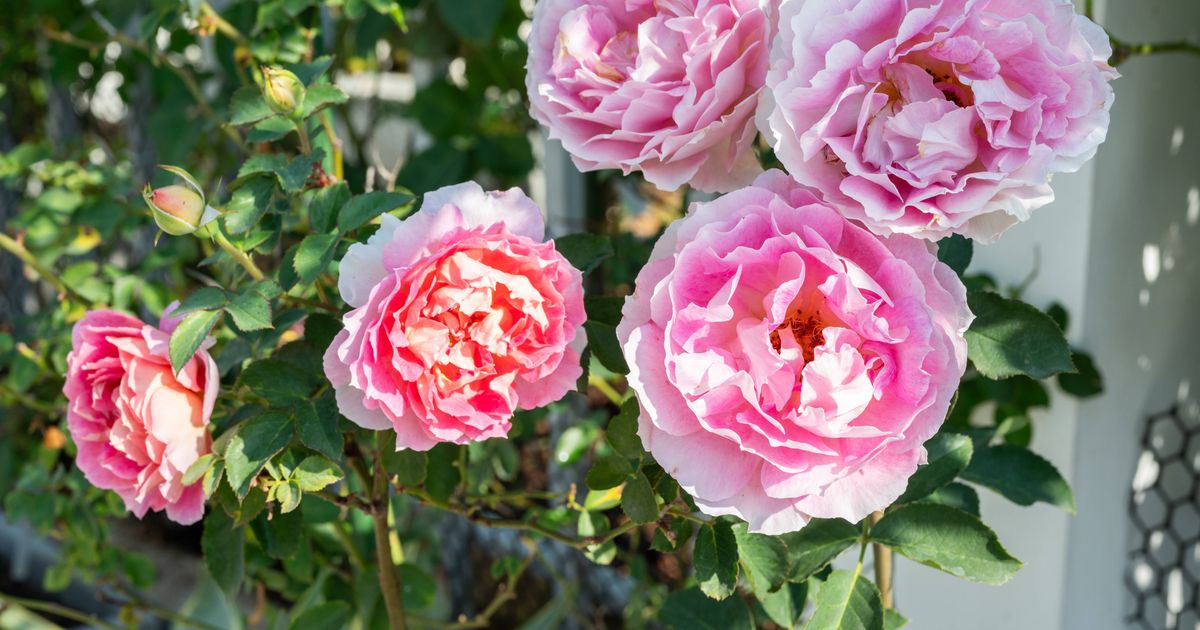
Climbing roses need pruning now to ensure vigorous growth and abundant flowers, according to the Royal Horticultural Society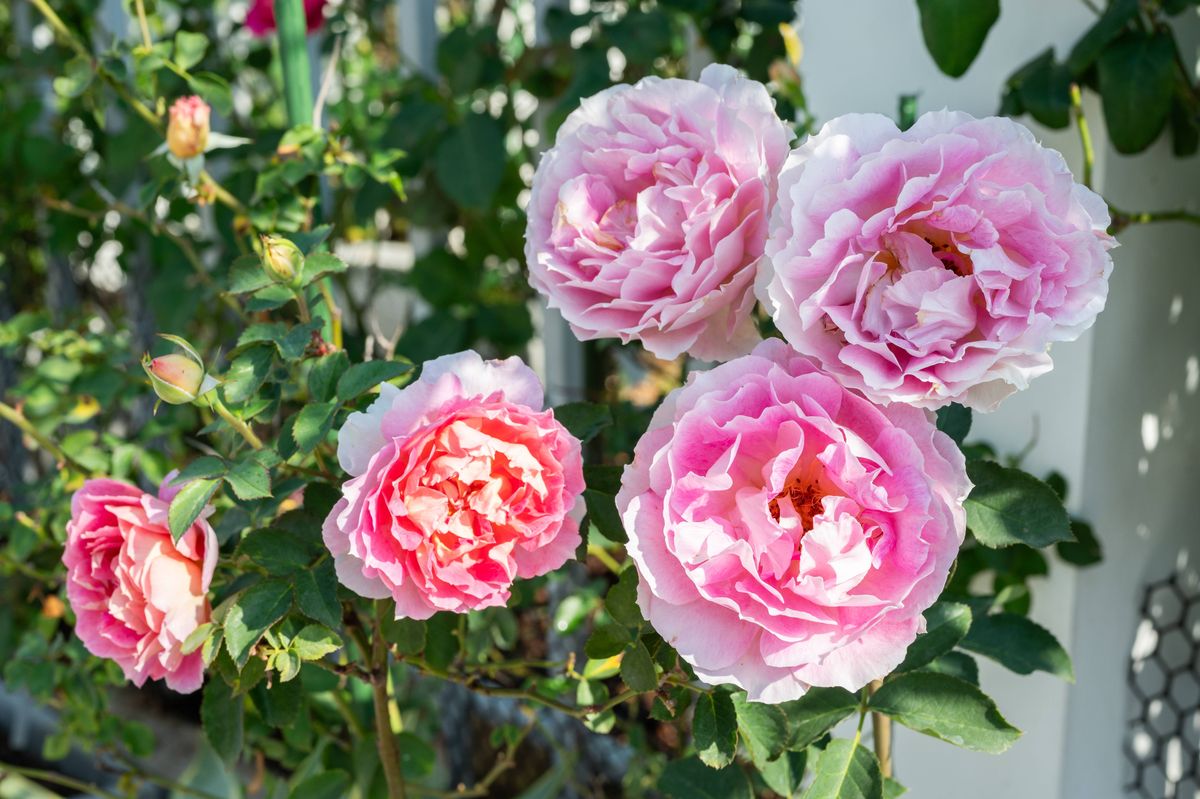
How to prune climbing roses in February to avoid ‘tangled mess’ of branches(Image: Boy_Anupong via Getty Images)
Roses, particularly climbing varieties, remain garden favourites due to their stunning hues. The Royal Horticultural Society emphasises that annual pruning is essential for vigorous growth and abundant blooms.
With February drawing to a close, gardeners have a final window to tackle this crucial task. The RHS explains: “Rose pruning ensures that plants grow vigorously and flower well each year. If left, climbing roses can become a tangled mess of branches with very few flowers. Although often considered complicated, rose pruning is not difficult if you follow this guide.”
Distinguishing between climbing and rambling roses can sometimes prove challenging. The experts suggest the simplest method is observing flowering patterns. Climbing roses produce repeat blooms throughout summer and into autumn, whilst ramblers typically flower just once, usually in June, reports the Express.
The RHS advises: “Climbers are routinely pruned in winter, after the flowers have faded, between December and February. Long whippy shoots can be shortened or tied in during autumn, to prevent strong winds from damaging them.”
When pruning climbing roses, start by removing any dead, diseased or dying stems. Next, secure any fresh shoots required to fill gaps in your supports.
The experts continue: “Prune any flowered side shoots back by two-thirds of their length. If the plant is heavily congested, cut out any really old branches from the base to promote new growth.”
For those tackling overgrown climbing roses, begin by clearing away all dead, diseased, deteriorating and feeble growth.
Then, prune some of the older woody stems right down to ground level, keeping no more than six healthy, strong shoots that can be tied to supports.
Remove any dead stumps at the plant’s base, as these can trap water and promote decay.
Trim back lateral shoots on the remaining stems and reduce the tips by a third to stimulate new growth.
Help rejuvenated plants thrive the following spring by applying a granular rose fertiliser across the soil and adding mulch.
Comments are closed.