
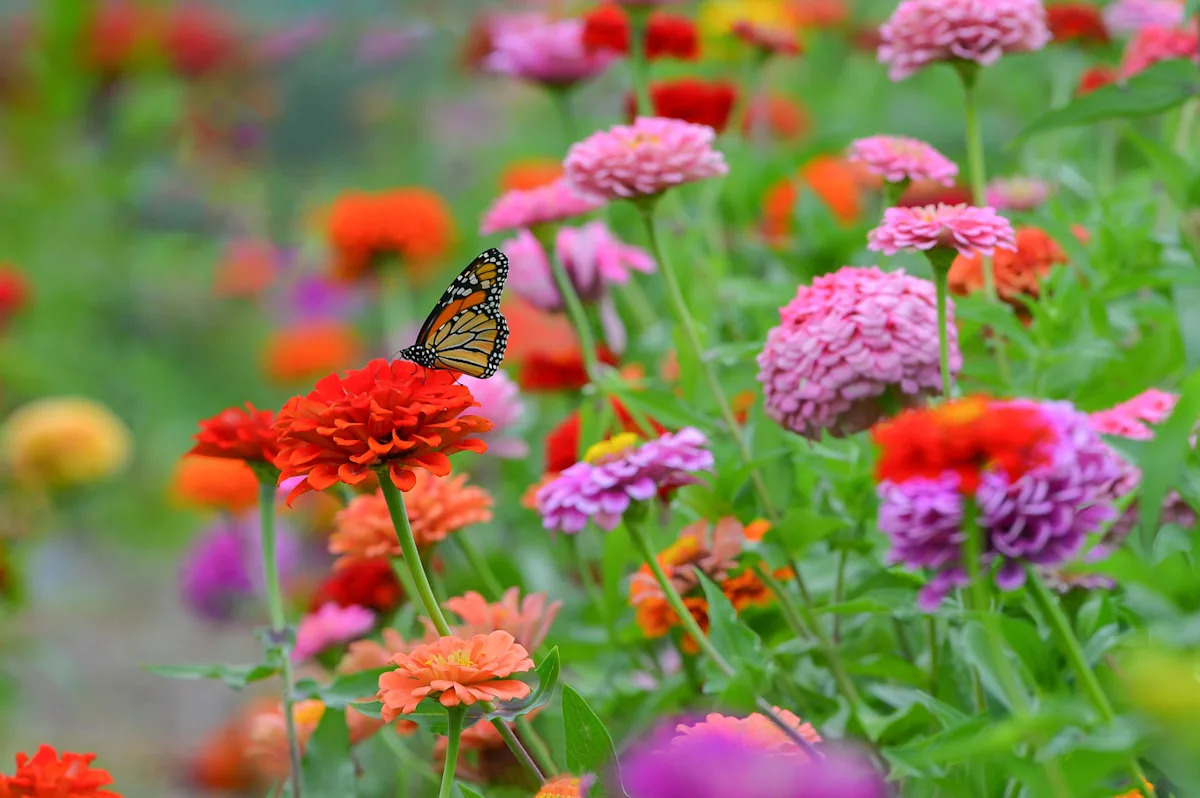
When people talk about pollinators, honeybees and butterflies are the first that come to mind. While they’re undeniably important, they’re only part of a much larger story.
So many other pollinators work around the clock to help pollinate flowers, and oftentimes, theír efforts are overlooked. Here are 15 prolific pollinators you probably didn’t know about.
1. Lizards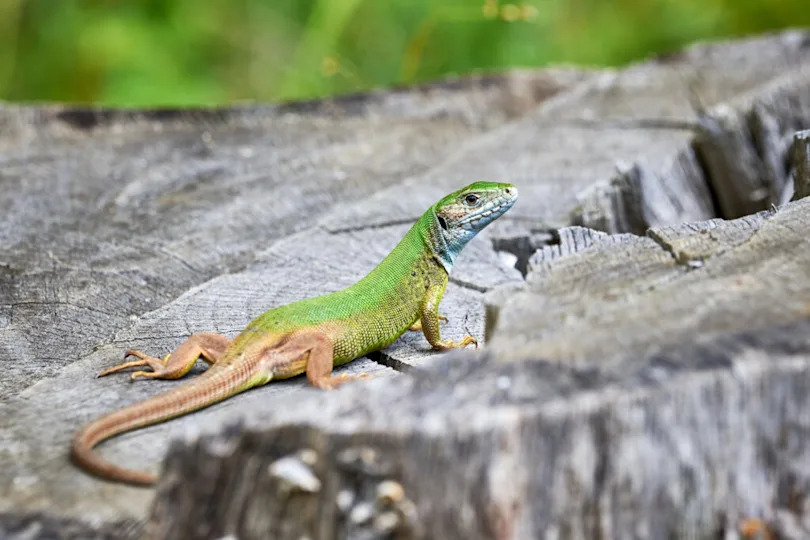
Image Credit: Deposit Photos
In tropical and subtropical gardens, lizards can be unexpected pollinators, particularly geckos and anoles that are active during the day. They transfer pollen while feeding on nectar and insects around flowers, especially those on sturdy branches or walls where lizards commonly travel. Some island plants have even evolved specifically to attract lizard pollinators.
Create a welcoming habitat with rock walls, brush piles, and native plants that provide both shelter and insect prey. Avoid using pesticides that might harm the insects that lizards depend on for food.
2. Hoverflies (Syrphid Flies)
Hoverflies look like small bees, except they hover in place (hence the name) and fly backwards. They’re one of the most efficient pollinators ever, and also naturally prey on common garden pests like aphids.
However, unlike bees, hoverflies can’t carry pollen in specialized structures, so they rely on their fuzzy bodies to transport pollen grains as they feed on nectar.
3. Wasps
Despite their fearsome reputation, many wasp species are gentle, effective pollinators that also double as pest control. Paper wasps, mud daubers, and specialized fig wasps all contribute to plant reproduction while looking for nectar, caterpillars, and other harmful pests.
These insects are particularly drawn to small, nectar-rich flowers that match their feeding apparatus. They have slender, smooth bodies that fit easily into small, clustered flowers.
While they don’t hold as much pollen as fuzzy bees, they make up for it by visiting many flowers quickly. Plant nectar-rich herbs like fennel and parsley, letting some go to flower to create the umbel-shaped clusters that wasps prefer.
4. Moths
Night-flying moths are important pollinators that work at night while most other pollinators rest. Hawk moths, sphinx moths, and owlet moths have long proboscises that allow them to access nectar from deep, tubular flowers. Their nocturnal habits make them essential for plants that bloom at night or release their strongest fragrances after dark.
Examples of nocturnal flowers that attract moths include night-blooming jasmine, Nicotiana, or flowering tobacco, and moonflowers. Plant these near outdoor seating areas where you can enjoy their fragrances while watching moth activity.
5. Butterflies (Lesser-Known Species)
While monarch butterflies get most of the attention, many smaller butterfly species, such as skippers and hairstreaks, are equally important pollinators. These often-overlooked butterflies have preferences and behaviors different from those of their more famous cousins.
6. Native Bees
Because they carry pollen on their bellies rather than their legs, native bees like mason bees, leafcutter bees, and sweat bees pollinate more efficiently than honeybees. However, they need a different habitat.
Mason bees use hollow stems or holes to nest, leafcutter bees cut small, round pieces from leaves to build their homes, and sweat bees often nest in bare soil.
You can help them by setting up bee houses made with hollow plant stems and drilled wood blocks with different hole sizes.
7. Flies
Flies might not seem like useful insects, but many of them are actually great pollinators, e.g., bee flies. Some plants, like arums and pawpaw trees, even rely almost completely on flies for pollination.
These plants often have unusual flowers to attract them. For example, arums smell like rotting meat to attract them, while pawpaw trees have dark red, strong-smelling blooms.
If you grow these types of plants, place them in shaded spots where flies are comfortable, and don’t use fly traps nearby while the plants are blooming, so the flies can do their job.
8. Bats
In warm regions, bats play a big role in pollination, especially at night. These flying mammals have excellent night vision and can hover like hummingbirds while feeding.
9. Masked Bees
Masked bees are small, often black bees that are frequently mistaken for beetles due to their hairless bodies and behavior. They’re attracted to small, inconspicuous flowers that other pollinators might overlook, including many native wildflowers and herbs.
10. Beetles
Beetles are important but underrated pollinators, especially in places where other insects cannot reach. Soldier beetles and flower beetles, for example, use their strong mandibles to access prey and nectar while inadvertently transferring pollen between flowers as they crawl. They’re very thorough pollinators because they often stay on flowers longer than flying insects.
Beetles are attracted to flowers like magnolias, goldenrods, daisies, and other large, bowl-shaped flowers where they can easily move around and feed. You can also create a beetle-friendly habitat by leaving some areas of your garden slightly wild, with logs, stones, and leaf litter where beetles can shelter and overwinter.
11. Rodents
In specific regions, such as South Africa and Australia, small rodents, like dormice and pygmy possums, pollinate certain fruit trees and unusual flowers, such as proteas. These mammals are mostly active at night and help to pollinate nocturnal flowers. Rodents carry pollen on their fur as they climb through flowers searching for nectar.
They’re particularly important pollinators in areas where few other animals can access certain flowers. If you live in these regions, plant native flowering shrubs or trees, and provide nesting boxes and corridors that allow these small mammals to move around.
Rats Eating Your Garden Veggies? Here’s How to Stop Them
12. Weevils
Weevils are attracted to flowers that produce heat or strong fragrances, like palm flowers, cycads, and custard apples. Most of these plants belong to ancient plant families that depend heavily on weevils for pollination because of their unique flower structures.
If you grow these plants, avoid using broad-spectrum insecticides during flowering periods, and provide habitat for weevils with mulch, leaf litter, and diverse crops that support their complete life cycles.
13. Carrion Flies
Carrion flies carry pollen on their bodies as they search for breeding and feeding sites. The plants they pollinate often have elaborate trapping mechanisms to ensure pollen transfer. Some of the world’s most unusual flowers depend on carrion fly pollination, like Stapelia and fly orchids.
These plants smell like rotting meat or dung, which might be unpleasant, but it’s an evolutionary trait that mimics carrion and specifically attracts these flies for pollination. Plant these unusual flowers in areas where their strong scents won’t be problematic, and the rest will take care of itself.
14. Midges
Midges are tiny but powerful insects, which is funny because they’re very much overlooked. They’re crucial for pollinating cacao flowers, which means global chocolate production depends entirely on these tiny, insignificant insects. Cacao flowers are incredibly small and can only be accessed by insects tiny enough to crawl inside the flower structure.
Midges breed in moist organic matter and are most active during humid conditions. While most gardeners won’t grow cacao, you can support midge populations by maintaining compost areas and water features with organic matter and by avoiding pesticides that might harm them.
15. Thrips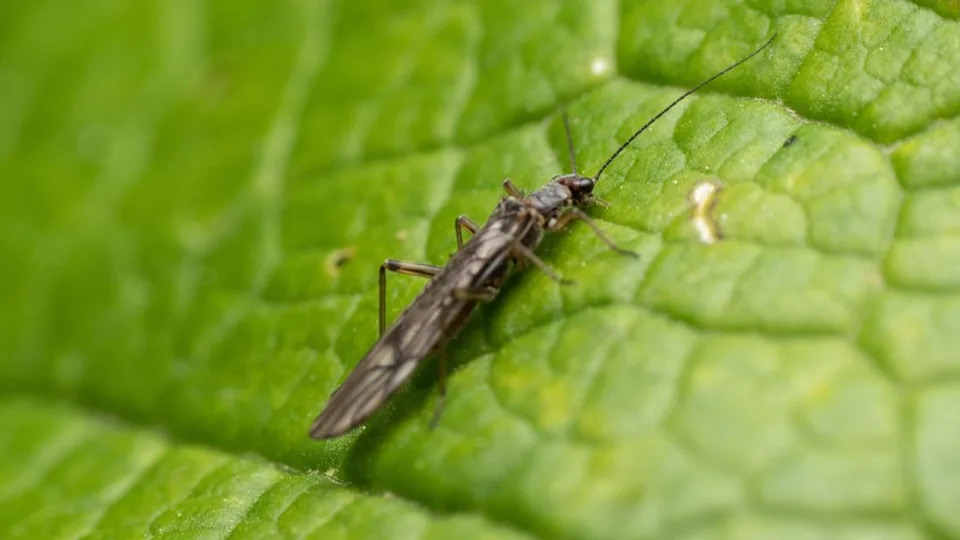
Image Credit: Deposit Photos
Gardeners usually consider them pests because many species feed on plants, damage them, and even spread diseases. However, thrips can be helpful pollinators, especially for plants like sugarcane, mahogany, fruit trees (e.g., mangoes), and some lilies.
Comments are closed.