
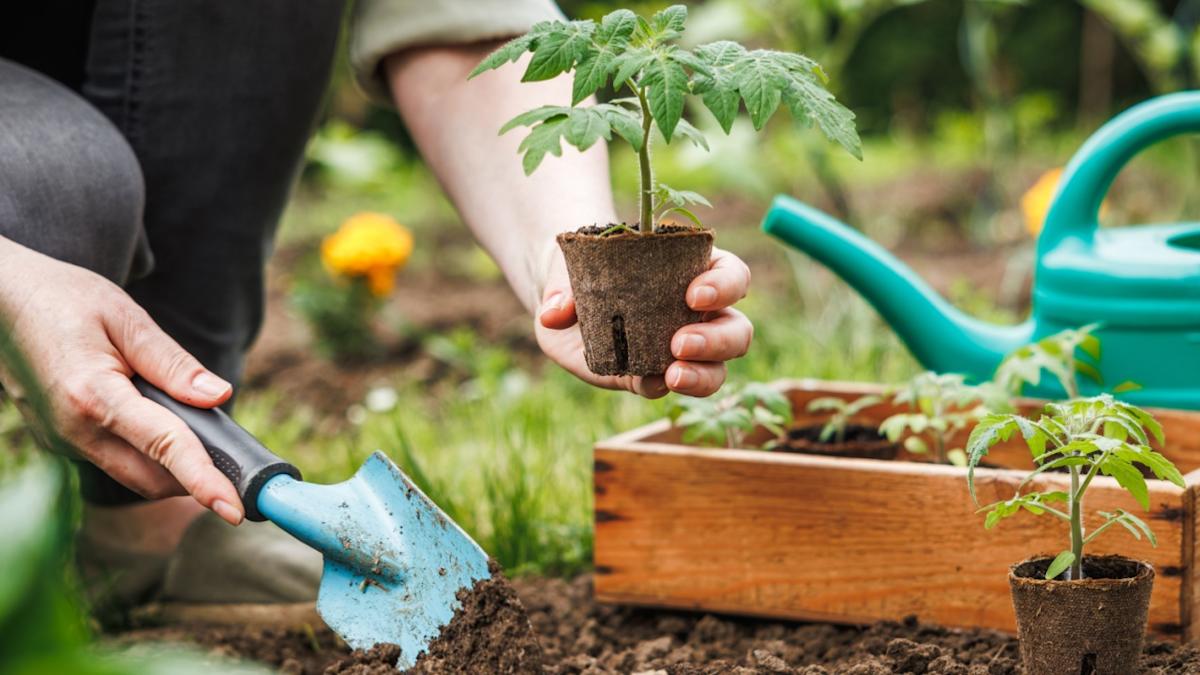
The days are getting longer, the seed catalogs are calling your name, and you’ve got a serious itch to get some dirt under your fingernails. We get it. While getting a jump on the growing season by starting seeds indoors seems like a pro move, timing is everything.
Starting seeds too early can lead to leggy, sad seedlings that can’t handle the great outdoors. You might also end up with plants that have outgrown their pots before it’s warm enough to transplant them. A little patience now will reward you with stronger plants and a better harvest.
So, before you start every seed you own, here are a few that benefit from a little extra time on the bench.
1. Cucumbers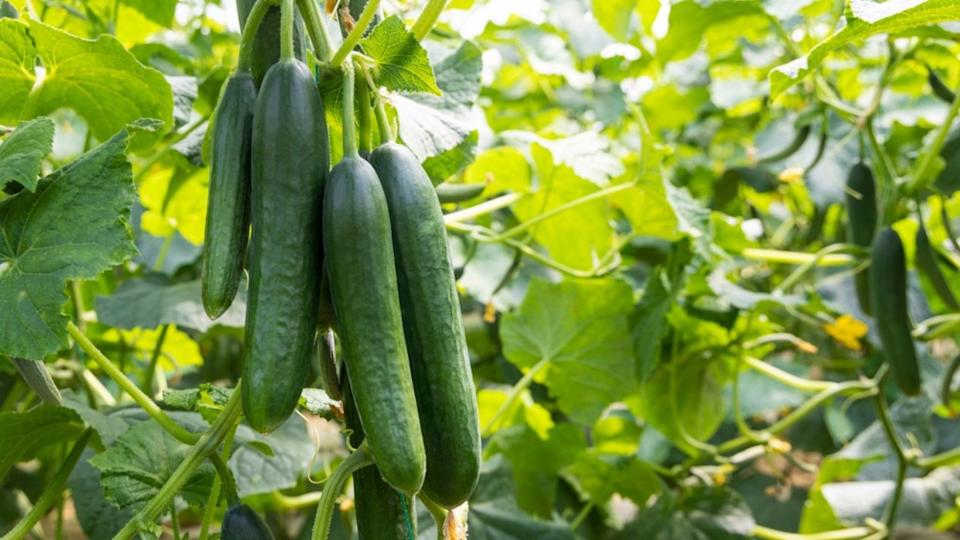
Image Credit: Shutterstock.
It might feel productive to get cucumbers started in late winter, but these rapid growers often sprint from seed to fruit in under two months. Sowing them indoors too early results in unruly vines that quickly overwhelm seedling trays and tangle with neighboring plants.
Cucumber roots are notoriously sensitive to disturbance, so a large, root-bound transplant will likely struggle to establish itself in the garden. These heat-loving plants also resent the cold and will languish if moved outdoors before nights are consistently warm. For a healthy crop, hold off on indoor sowing until April, or wait to direct sow seeds once the soil temperature consistently stays above 60 degrees Fahrenheit.
2. Corn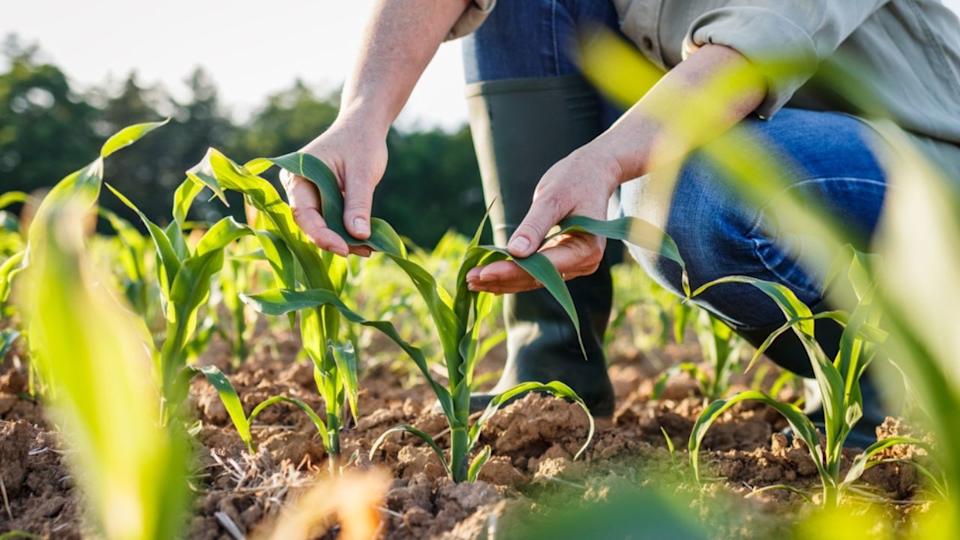
Image Credit: Shutterstock.
Corn is famously finicky about being moved. Because its root system is so fragile, even a little bit of jostling during the transplant process can permanently stunt its growth, leaving you with sad, spindly stalks. On top of that, corn seeds are prone to rotting if they sit in cold, damp earth; they really need soil temperatures to hit 60°F to get moving.
Your best bet is to skip the seed trays altogether and direct sow them into the garden. Once the threat of frost is gone and the ground has warmed up, you can plant them exactly where they need to be, avoiding transplant shock and letting these heavy feeders take off right from the start.
3. Squash and Zucchini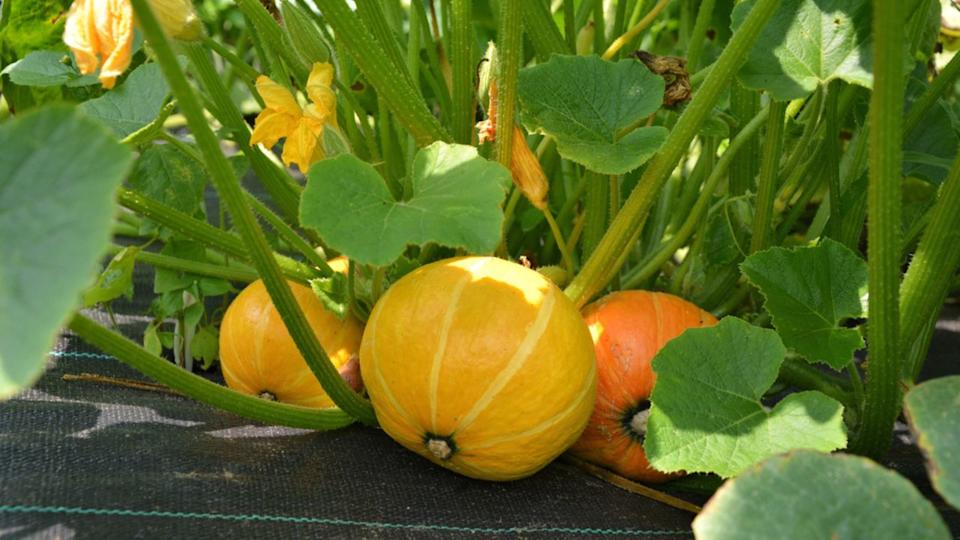
Image Credit: Deposit Photos,
As their cucumber cousins, squash and zucchini grow like crazy and can get huge in no time. Plant a seed in late winter, and within weeks, you’ll have a massive, space-hogging plant on your hands.
These big seedlings are tough to manage under grow lights and get stressed when their roots outgrow their pots. Plus, since squash needs warm soil, having a giant transplant ready while the ground’s still frozen doesn’t help much.
Instead, start seeds indoors in mid-spring, just a few weeks before the last frost, or plant them directly in the garden once the summer heat kicks in.
4. Melons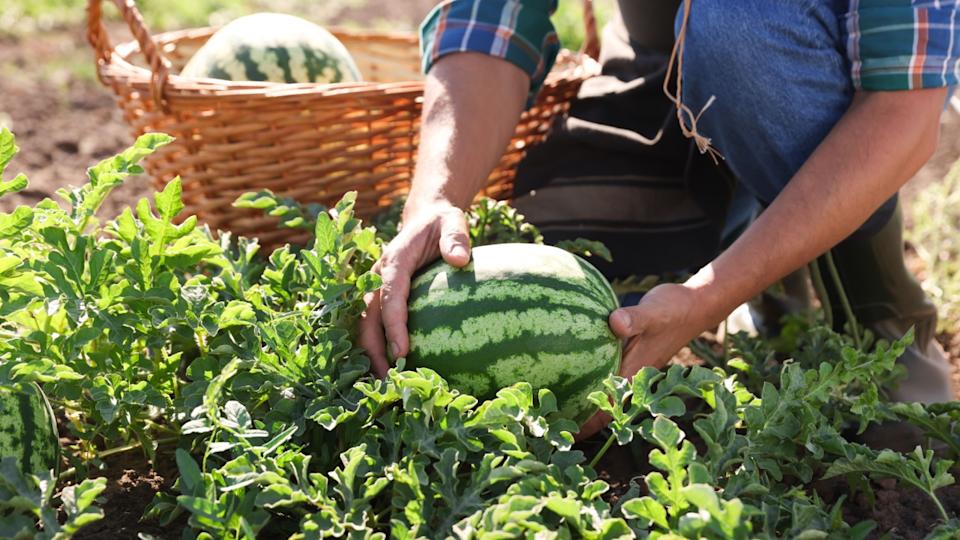
Image Credit: Shutterstock.
Watermelons, cantaloupes, and honeydew are synonymous with summer heat for good reason. These plants crave high temperatures and will sulk in cool conditions. To see successful germination and vigorous growth, melon seeds require soil temperatures of at least 75 degrees Fahrenheit.
Starting them indoors too early leads to the same root-binding issues seen in cucumbers and squash. Their delicate root systems break easily during handling, which sets the plant back significantly. Plan to direct sow melon seeds in late spring or early summer when the soil feels warm to the touch.
5. Beans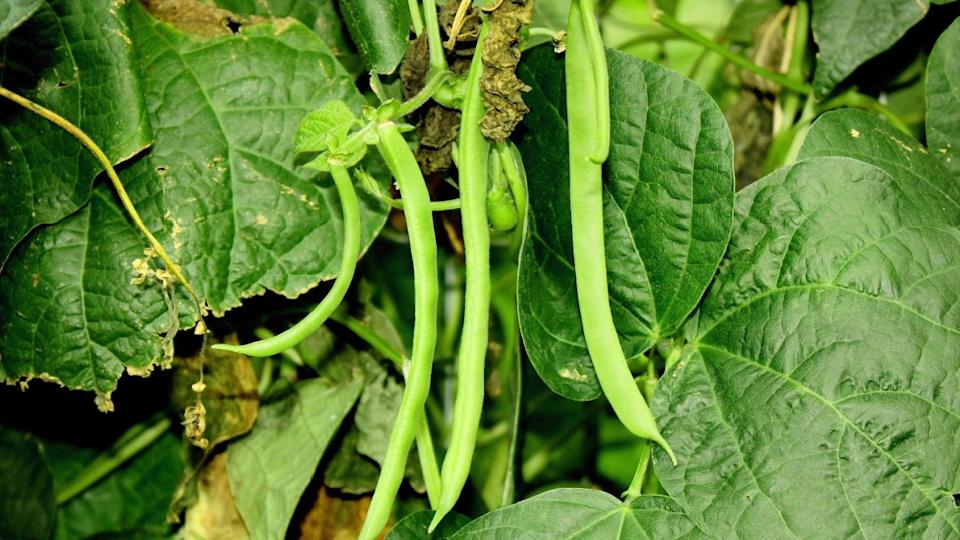
Image Credit: Shutterstock.
Beans are incredibly fast germinators that do not require a head start to produce an abundant harvest. In fact, beans planted directly in the garden in May often catch up to and surpass transplants started indoors weeks earlier. Indoor bean seedlings tend to get leggy and weak, and like many other crops on this list, they typically fail to recover well from transplant shock.
They need soil temperatures above 70 degrees Fahrenheit and full sun exposure. Cold, damp soil causes bean seeds to rot, so leaving the packet sealed until the weather stabilizes is the smartest move for a productive patch.
6. Sunflowers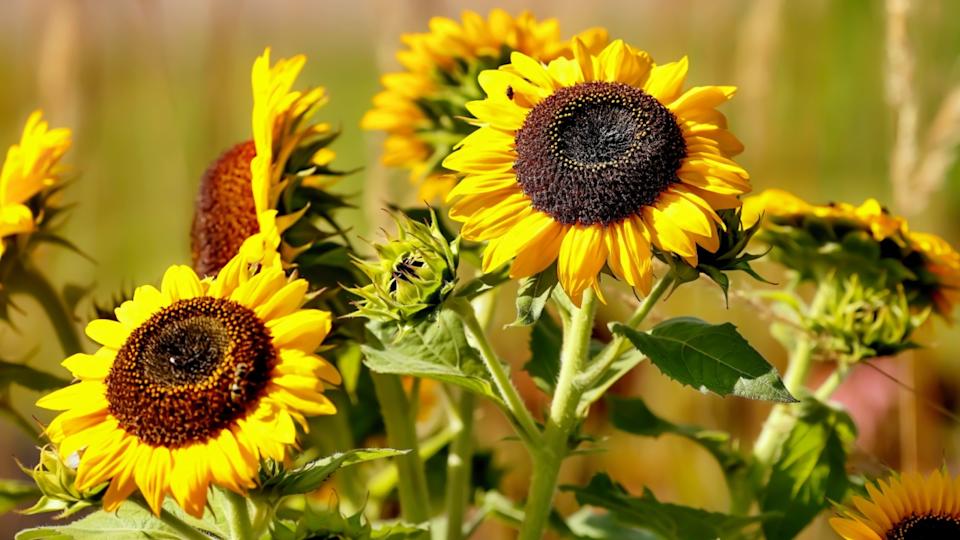
Image Credit: Shutterstock.
While perennials benefit from winter sowing, annual sunflowers function differently. These cheerful blooms are sensitive to frost and dislike having their growth checked by small containers. Sunflowers develop a long taproot that anchors the tall stalks against the wind. When grown in pots, this taproot hits the bottom and begins to circle, permanently compromising the stability of the plant.
A sunflower with a deformed taproot will likely require staking and may never reach its full height potential. Direct sowing after the last frost allows the taproot to drive deep into the earth, resulting in a sturdier, self-supporting flower.
7. Tomatoes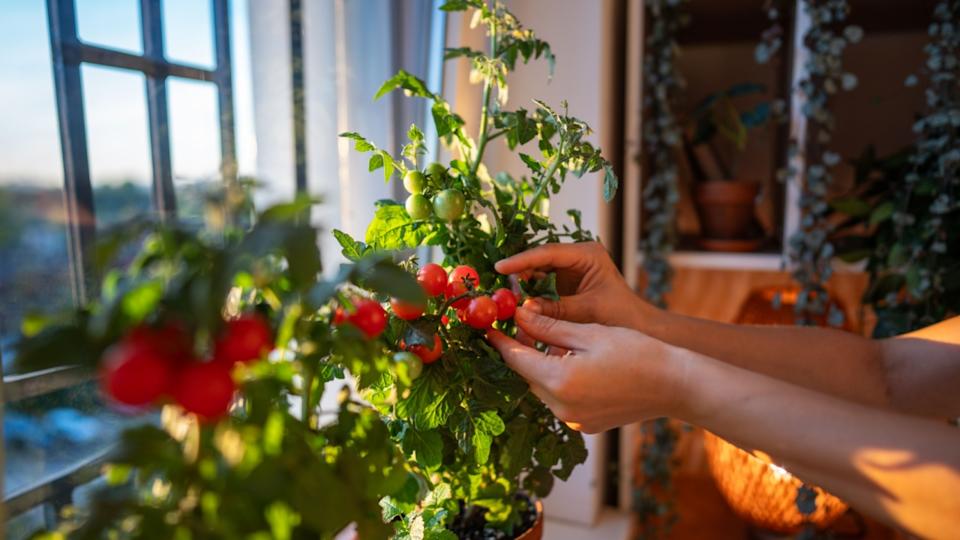
Image Credit: Shutterstock.
Tomatoes are perhaps the most common victim of early sowing enthusiasm. While they do benefit from being started indoors, if gardeners begin the process in January or February, it is far too soon for most climates. A tomato seedling kept indoors for months becomes tall, spindly, and weak as it stretches for light. These overgrown plants become a hassle to harden off and transplant.
The ideal window for starting tomatoes is six to eight weeks before the final frost date. This timeframe produces stocky, healthy transplants that adapt quickly to life outdoors without suffering from an extended stay under artificial lights.
Preparing for the Season Ahead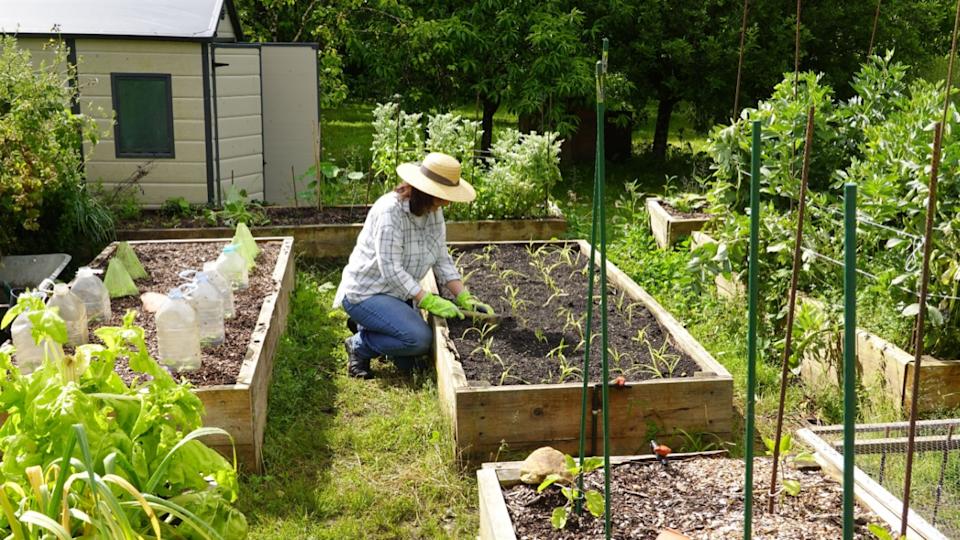
Image Credit: Shutterstock.
Resisting the urge to plant these seeds now protects your future garden from failure and frustration. Use this time to organize your seed packets, map out your garden beds, and perhaps start cold-hardy crops like onions or spinach that can handle the chill.
Aligning your planting schedule with the natural preferences of each crop sets the stage for a summer filled with healthy plants and impressive harvests.
Comments are closed.