
Horticulturist David Domoney recommends planting these five flower bulbs in February to ensure your garden is bursting with colour come springtime
Katherine McPhillips and Katie Oborn GAU Writer
11:55, 09 Feb 2026
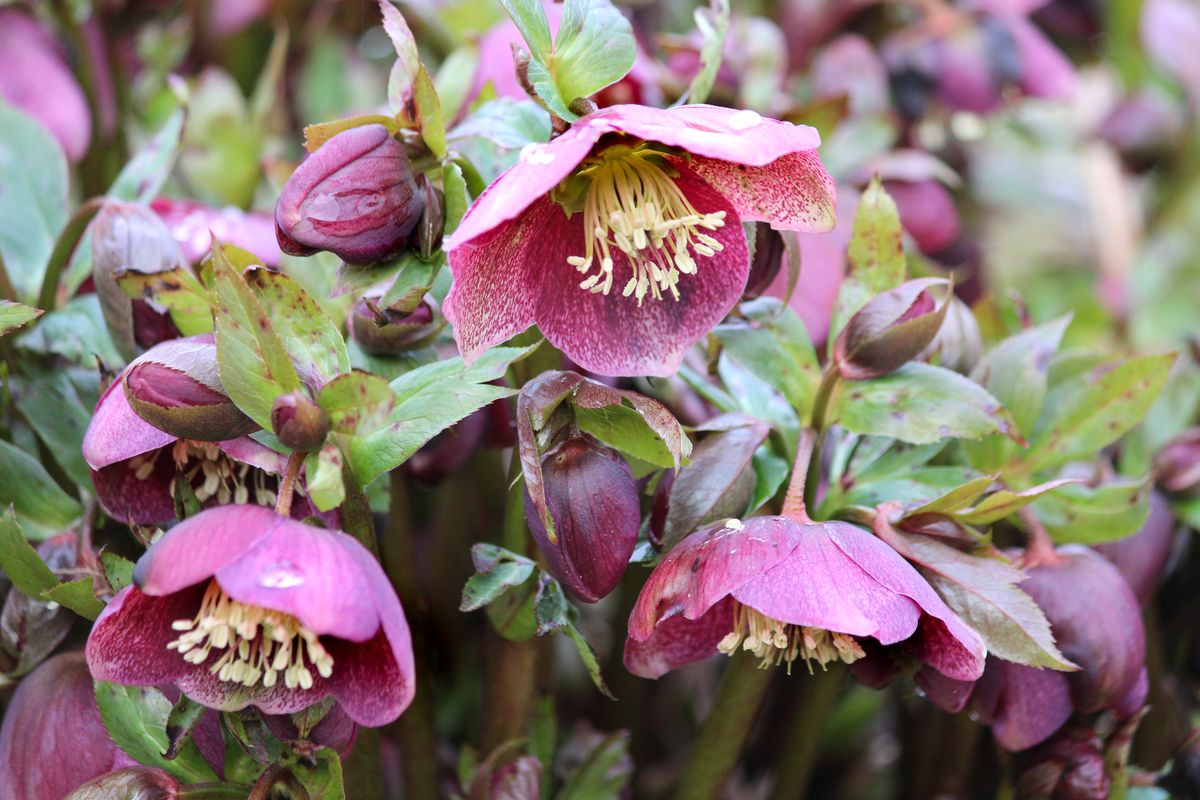
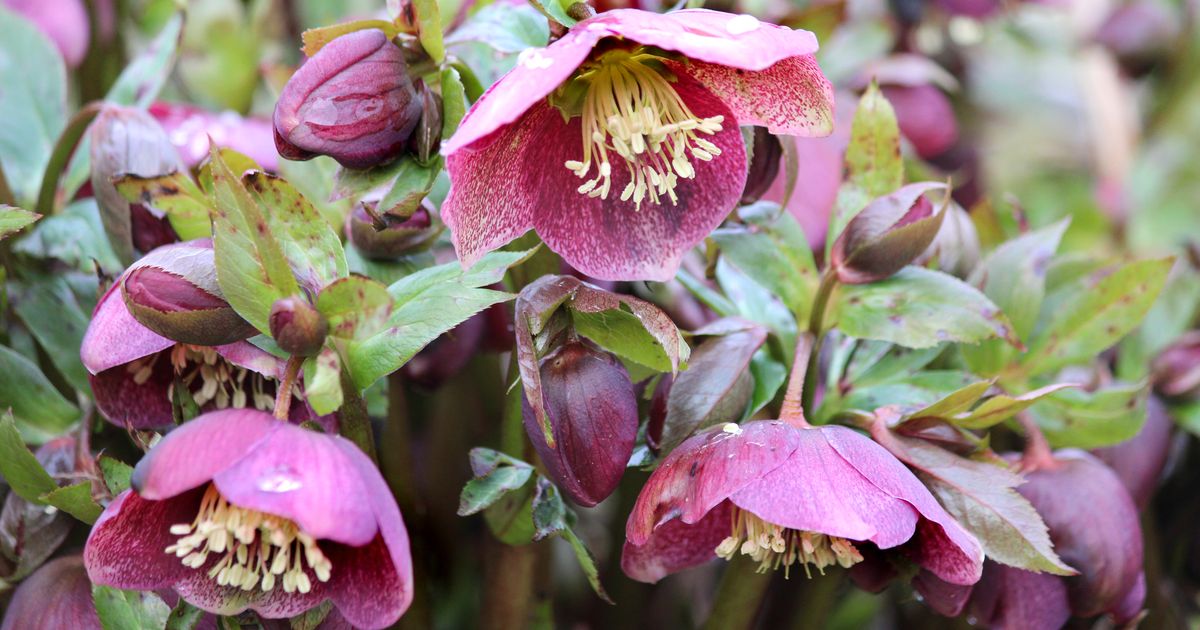
Hellebore flowers emerge in February, providing colour in between the snowdrops, crocuses, tulips and daffodils(Image: mtreasure via Getty Images )
February marks the moment when gardens begin stirring from their winter rest, making it the ideal period to start planting flowers. David Domoney, a horticultural expert and Love Your Garden presenter, is urging gardeners to venture outdoors now to achieve “the best-looking bulbs” possible this spring.
Writing on his website, David observed: “February is a month of quiet expectation. It is that subtle turning point when winter’s quiet slumber is gently interrupted by signs of fresh growth.”
While it might appear premature to some, numerous British flowers flourish in cooler temperatures, ensuring your garden will be awash with colour by the time spring arrives.
The damp conditions typical of this season also help nurture plant roots, resulting in more robust and vibrant blooms within weeks.
George Iris bulbs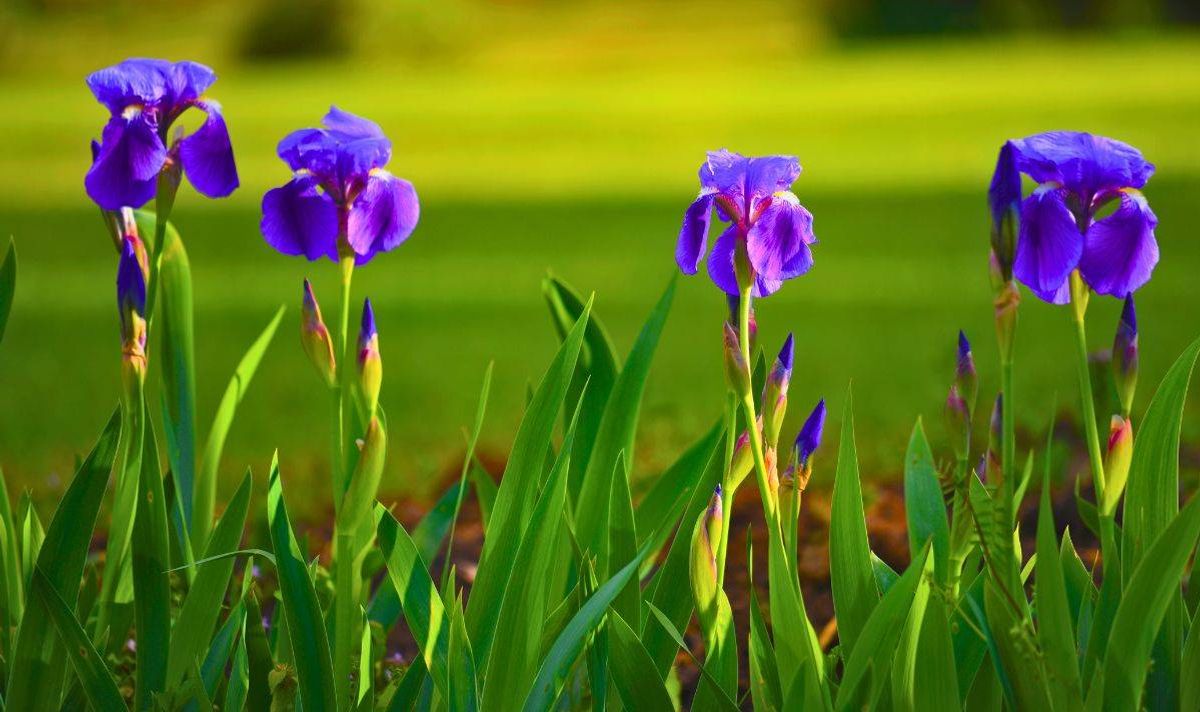
Iris flowers are known for their deep purple petals with yellow patterns (Image: Getty)
The Iris is a remarkably hardy plant requiring minimal maintenance, and has become a spring garden favourite thanks to its striking petal hues.
These flowers perform best in moist yet well-draining soil with ample sunlight exposure, reports the Express.
David said: “These late winter-flowering bulbs are easy to grow and naturalise.
“As a result, they are the perfect colour tonic for February 2026. ‘George’ has deep purple flowers with a distinct yellow flash on the petals.”
February Gold daffodils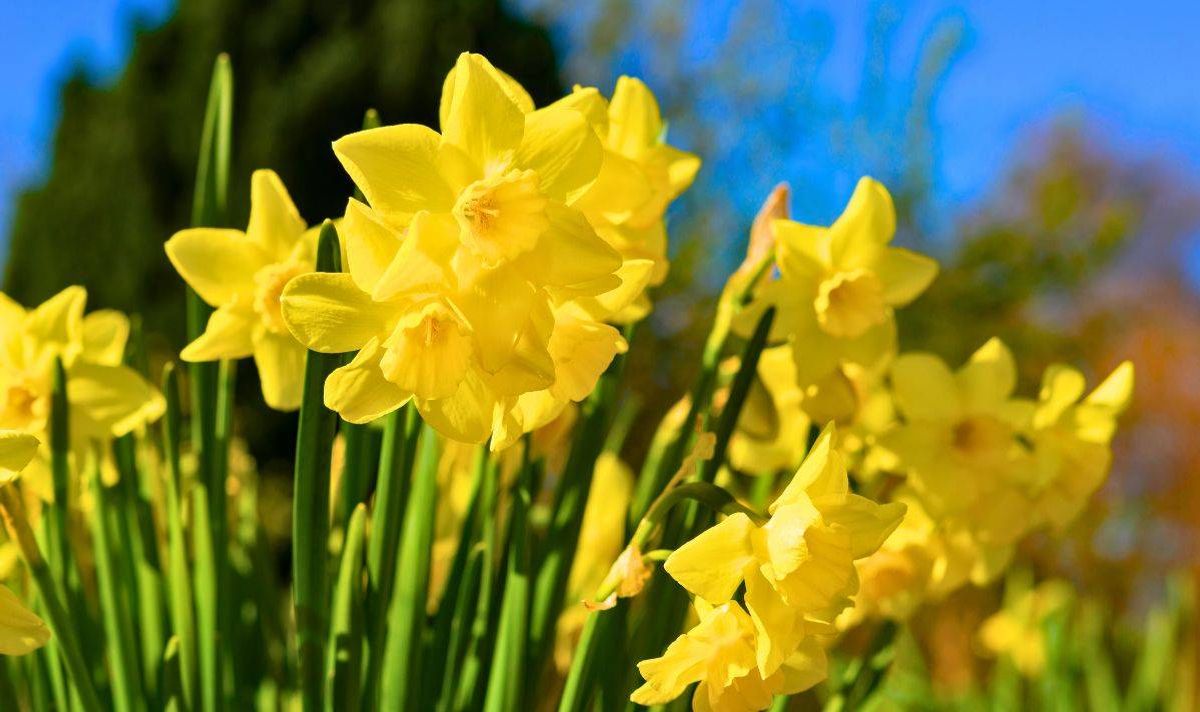
Daffodils cheer people up as they are often the first sign of spring (Image: Getty)
Daffodils rank amongst the earliest flowering plants across Britain, bringing much-needed brightness to gardens still recovering from winter’s grip.
What makes daffodils particularly wonderful is their tendency to flower as daylight hours begin to extend, bringing a sense of joy to many as they herald the arrival of spring.
These relatively undemanding blooms require minimal attention, provided they’re positioned in a bright area of your garden, and typically flourish when planted alongside lawn edges or driveway borders.
Ideally, you will have already popped daffodil bulbs in the ground or a pot during November or December, for bursts of yellow in February.
Anny’s Winter Orange dogwood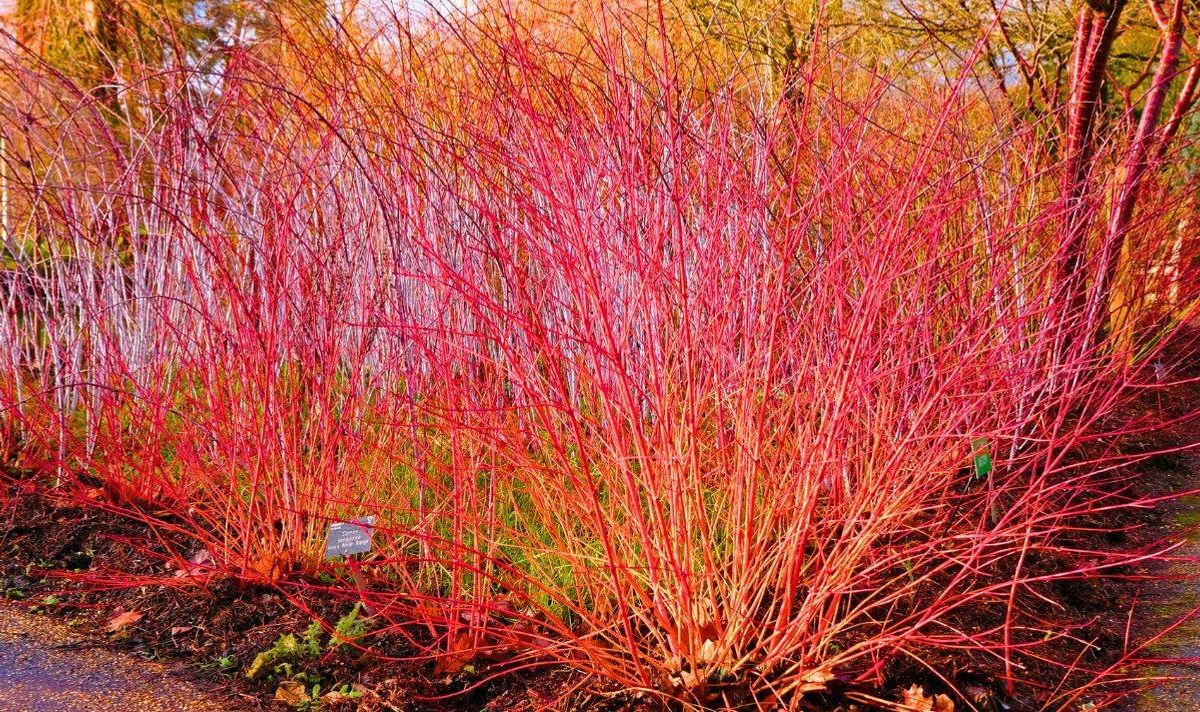
Orange dogwood is unusual but strangely beautiful (Image: Getty)
This dogwood variety is distinguished by its striking orange stems, which provide a remarkable visual impact and can enhance any garden’s appeal.
It’s a rather distinctive plant that thrives with minimal intervention and can adapt to virtually any location in the garden.
That said, it will develop more substantially and produce far more vibrant blooms when positioned somewhere sunny where it can absorb ample light.
Double Ellen White Spotted hellebore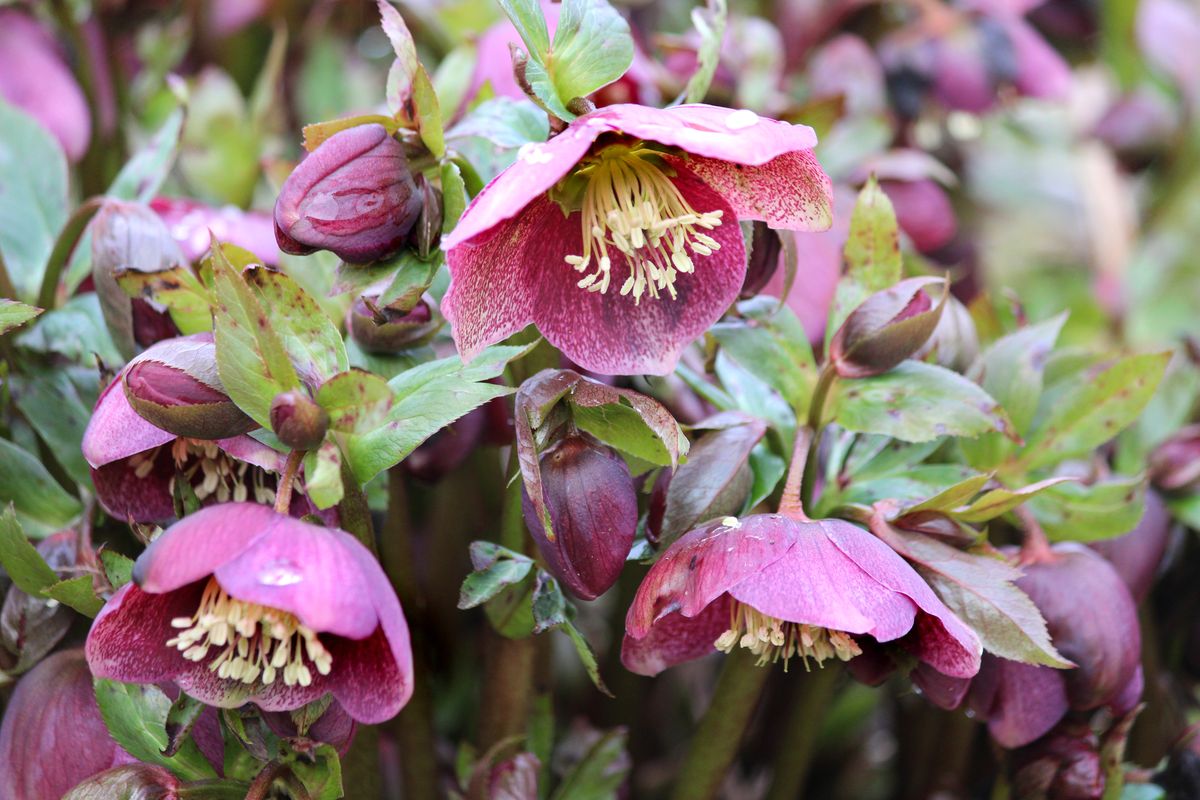
Hellebore flowers emerge in February, providing colour in between the snowdrops, crocuses, tulips and daffodils(Image: mtreasure via Getty Images )
These hellebore varieties are celebrated for their spotted petal designs, and their distinctive blooms will look absolutely stunning within a garden setting.
Hellebores favour shadier areas of the garden and benefit from soil rich in organic matter to help maintain high moisture levels.
Wendy’s Gold yellow snowdrops
Gardener names 5 flower bulbs to plant in February for a ‘best looking’ spring garden(Image: Getty)
Yellow snowdrops remain relatively rare throughout the UK, and can prove quite costly to purchase, with some varieties commanding prices exceeding a thousand pounds for a single bulb.
Nevertheless, Wendy Gold snowdrops are considerably more affordable, with seed packets typically priced between £15 and £25.
David said: “Yellow-flowered cultivars should be grown outside in a border or a good-sized container. Choose a position that gets plenty of winter sun.
“However, do not be tempted to plant the bulb in a small pot. The bulbs need to be kept reasonably cool and moist during the summer months when they are dormant.”
Comments are closed.