

Gardening expert William Mitchell has named one of his “must-do” February gardening jobs that is essential for vibrant rose blooms and better disease resistance.
Angela Patrone Senior Lifestyle Reporter
04:17, 09 Feb 2026

‘I’m a gardening expert – your roses need 1 thing in February to bloom better in spring’(Image: Feifei Cui-Paoluzzo via Getty Images)
February marks a critical period for those passionate about roses. Following months of winter rest, these plants require careful attention to ensure they flourish come springtime. Neglecting them during this window could result in poor growth, lacklustre blooms, or even complete failure to thrive.
Many gardeners mistakenly believe roses will naturally bounce back once the cold weather passes, but this assumption is incorrect. Appropriate pruning, watering, and pest management during February are essential for ensuring your roses return with lush, colourful displays.
Yet there’s another crucial element these garden favourites depend upon, according to William Mitchell from Sutton Manor Nursery.
On the Sutton Manor Nursery gardening website, William has outlined a series of gardening tasks that “must” be tackled in February, with feeding roses being particularly important.

February is the ideal time to prepare your flowering shrubs for spring(Image: Grace Cary via Getty Images)
Roses are demanding plants nutritionally, and following winter dormancy, they require a nutritional boost through this straightforward 10-second task.
He explained: “February is the ideal time to prepare your flowering shrubs for spring growth. The rose needs a continuous supply of nutrients throughout the growing season in order to perform at its best.”
William emphasised that not only do “healthy roses bloom better”, but they are also “more resistant to disease and insects”.
He recommended maintaining a gardening diary to record when and how you fertilise, which will prove invaluable for staying organised.
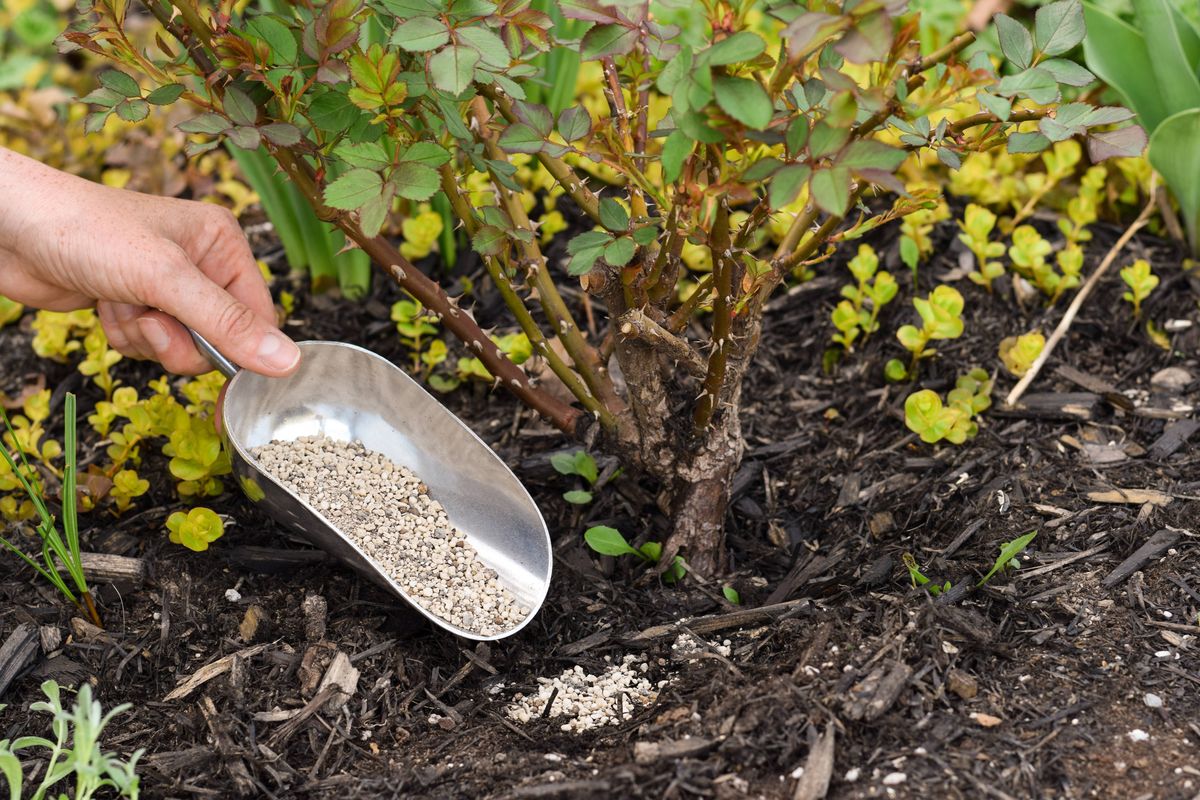
The rose needs a continuous supply of nutrients in February(Image: JulieAlexK via Getty Images)
William outlined that roses typically emerge from their winter dormancy in late March or early April and ought to be fed when the initial buds begin to appear at the latest.
He observed: “Fertilising them with a slow-release fertiliser in February allows for early growth and protection before the first growth appears.”
Subsequently, in late June or early July, a second application of fertiliser is advised for “repeat-flowering rose varieties”.
When nourishing your roses, ensure you apply it at the base, keeping clear of the foliage to avoid scorching.
Comments are closed.