
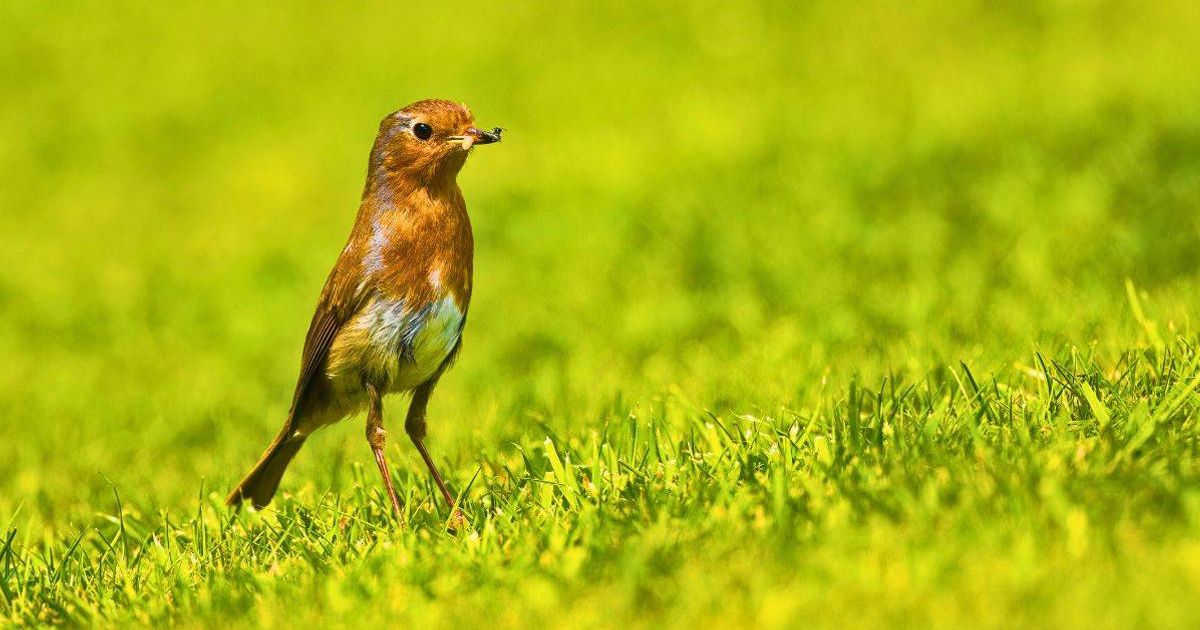
Robins are more likely to starve in February as there are hardly any insects or berries to eat, but there is an easy task that can help them stay healthy for the rest of winter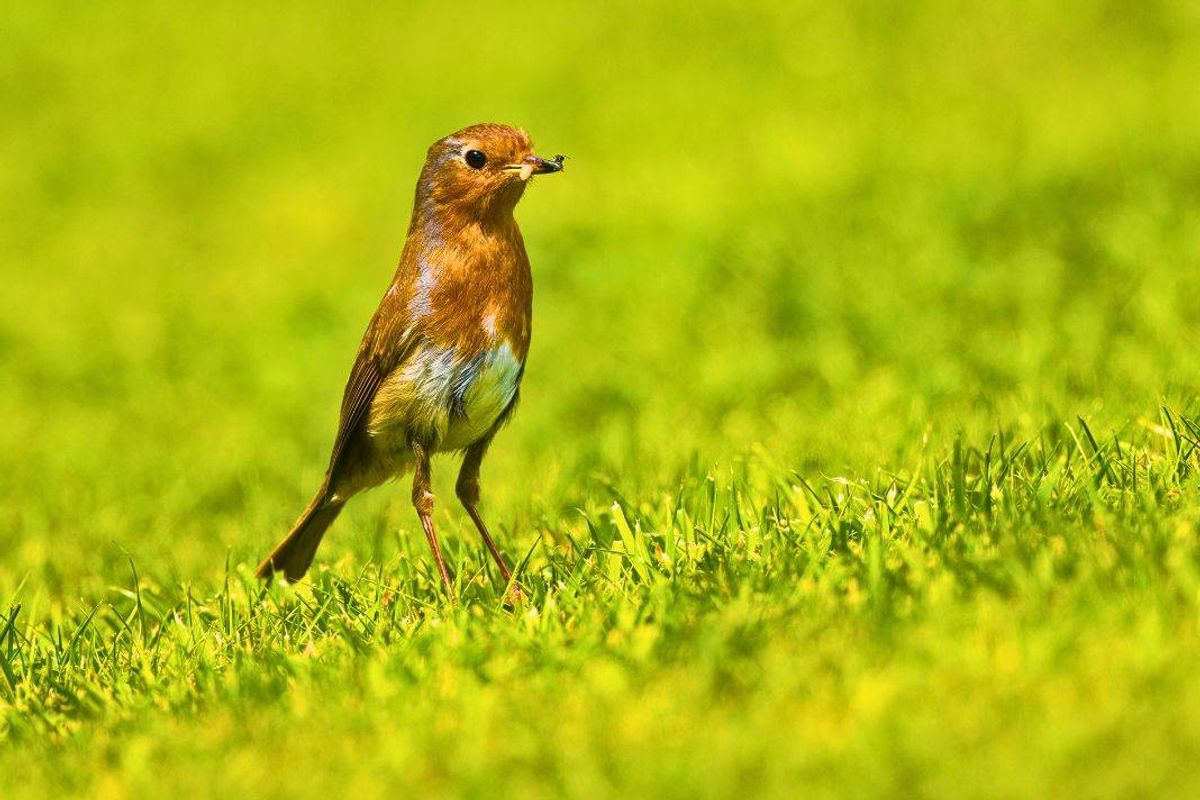
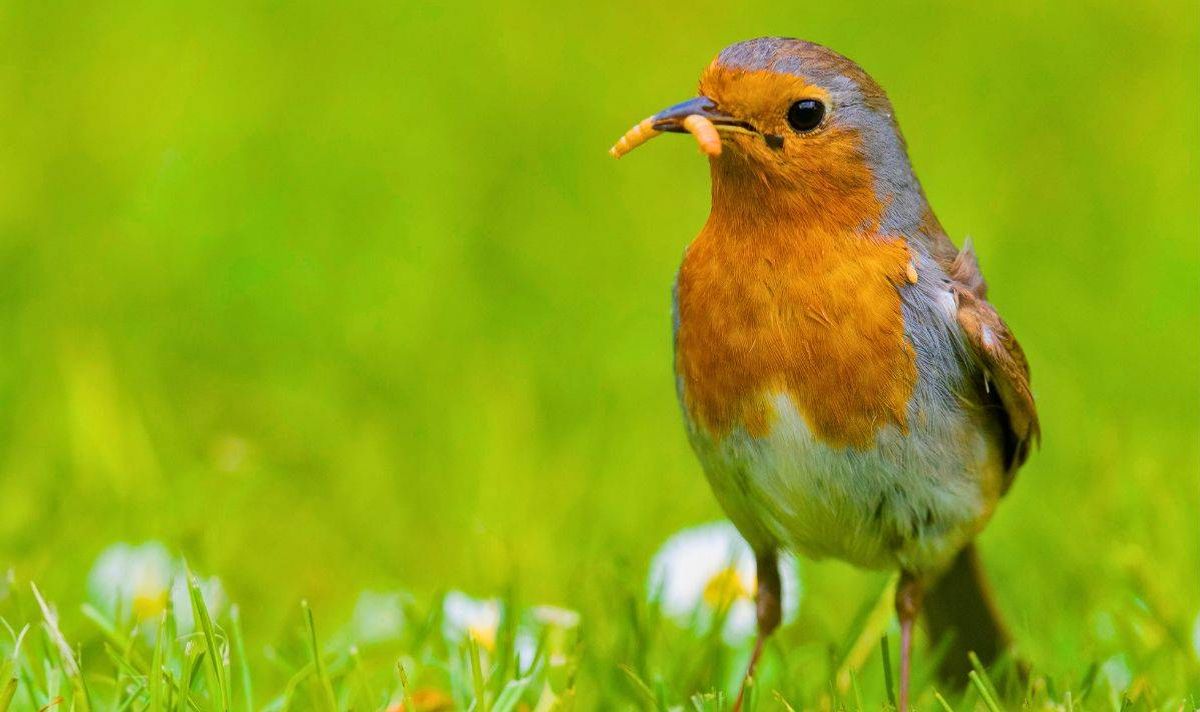
Birds like robins are more likely to starve in late winter and begin to die off(Image: Getty)
Gardeners often feel reluctant to venture outdoors at this time of year, with many feeling compelled to begin tidying up in preparation for spring. Yet wildlife experts at Wildlife Trusts are urging gardeners to do precisely nothing, as an untidy garden is among the most effective ways to help birds survive the harsh winter conditions.
They explained: “Did you know there are things you can do to help wildlife without moving a muscle?”
Species such as robins, blue tits and wrens face a heightened risk of death in late winter from gradual starvation, as insects form their primary food source and the ground has remained frozen for months.
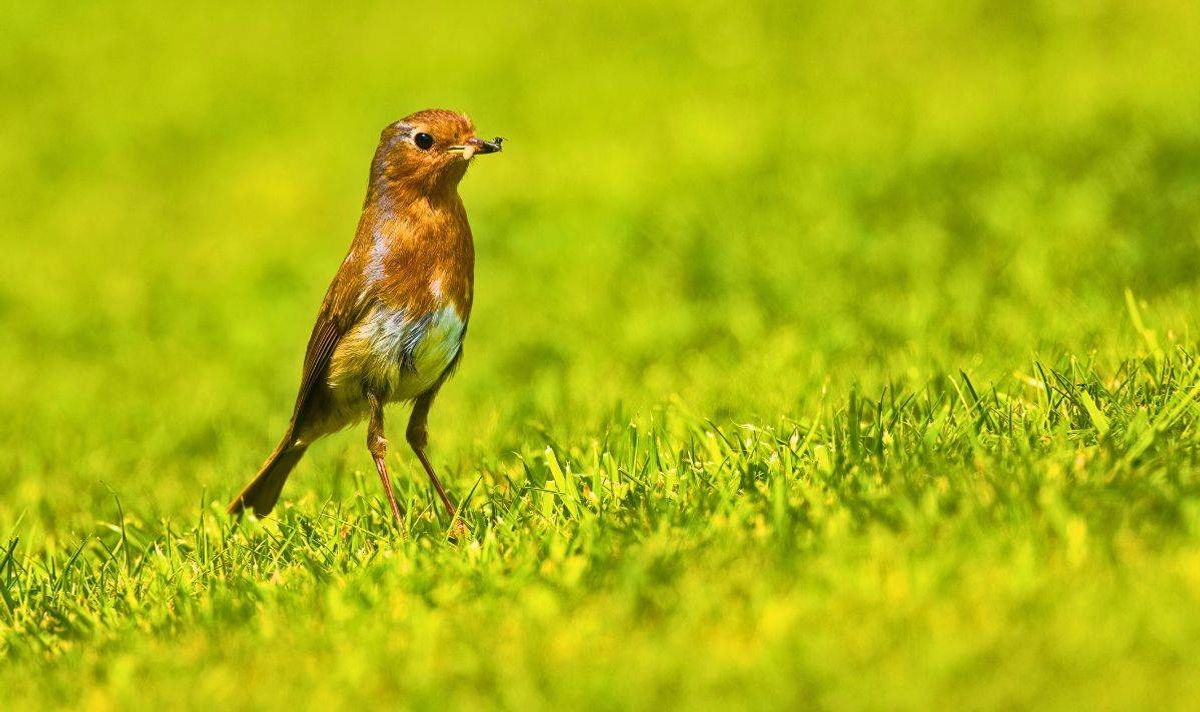
Birds like robins are more likely to starve in late winter and begin to die off(Image: Getty)
Insects begin to re-emerge in February as temperatures gradually increase, making now the ideal time to maintain piles of leaves across your lawn, which will encourage birds to forage in your garden.
A wildlife expert noted: “Leaving a duvet of leaves is a great way to provide a perfect hiding spot for insects that are shutting down until spring (insects’ version of hibernation is called diapause – basically pushing pause on their lifecycle! ).”
Leaf piles offer crucial protection for numerous insects against the cold, and will prompt these creatures to begin laying eggs as soon as they emerge from dormancy, reports the Express.
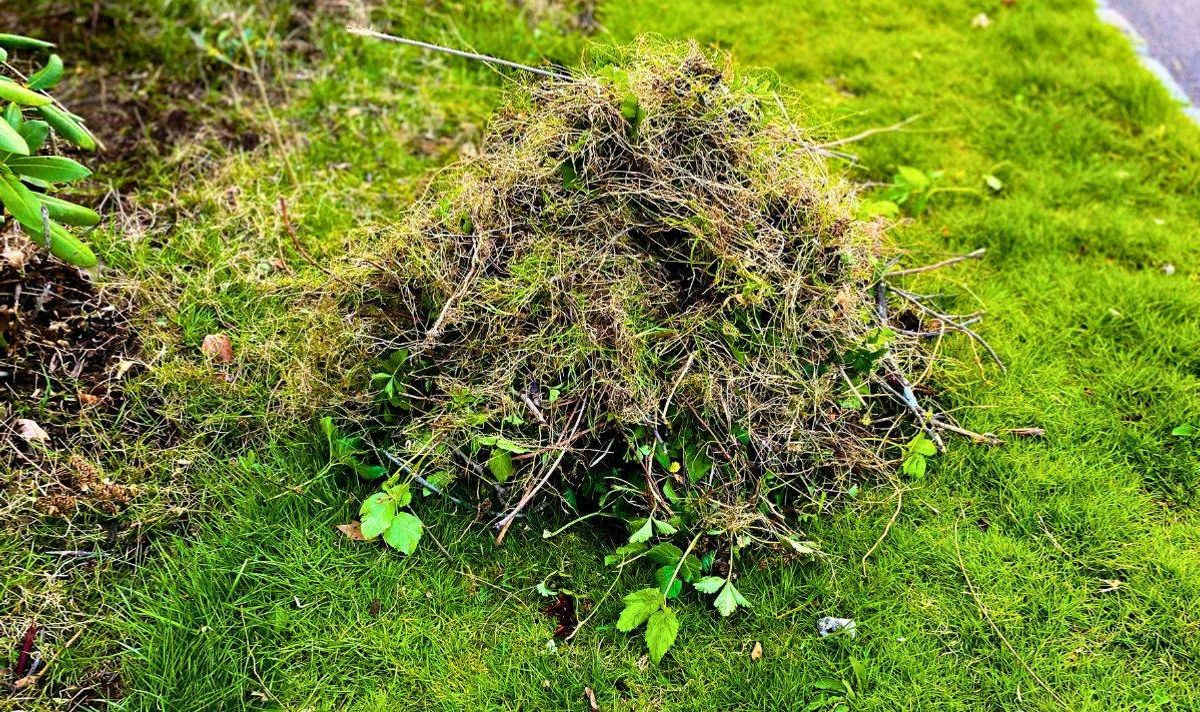
Leave leaf piles alone and it will attract more insects to your garden to feed birds(Image: Getty)
With more insects present in your garden, smaller native British birds such as robins will find food more readily and are more likely to return to your property daily to feed. It’s a cost-free, natural method to lend a hand to your local wildlife, and there’s a bonus – those fallen leaves decompose and pump extra nutrients straight into your grass.
Autumn’s leafy carpet delivers nitrogen to your lawn, the key nutrient for lush grass growth, meaning you’re more likely to see a greener, thicker turf bouncing back when spring properly kicks in.
Keeping your garden a bit wild is one of the simplest tricks to help feed our feathered friends through the colder months, but if tidiness is calling, simply tucking those leaves beneath hedges or shrubs can still work wonders for local wildlife.
Having leaves and sticks piled up on a lawn is a natural way to help birds in winter(Image: Getty)
And it’s not just leaves that’ll bring the bugs flocking – any rotting timber dotted around your garden will become a magnet for insects too.
Just leave those sticks, ancient branches or timber heaps well alone, and watch as your garden transforms into a bustling bird buffet.
One crucial warning, though – steer clear of pesticides, weed killers or any harsh chemicals if you’re creating a haven for birds, as these can cause serious harm.
The golden rule?
Leave your garden to its own devices for as long as you can manage, and within weeks you should be treated to a delightful chorus of cheerful chirping right outside your door.
Comments are closed.